Watch brandsWatch wikiWatch videosVariousWatch calendarSaved articles
PopularRolexOmegaPatek PhilippeAudemars PiguetTudorGrand SeikoCartierSeikoIWCTAG HeuerBreitlingJaeger-LeCoultreA. Lange & SohneZenith

Results for Mainspring

79 articles found · page 1 of 3

Related pages

Wiki · Guide
Mainspring

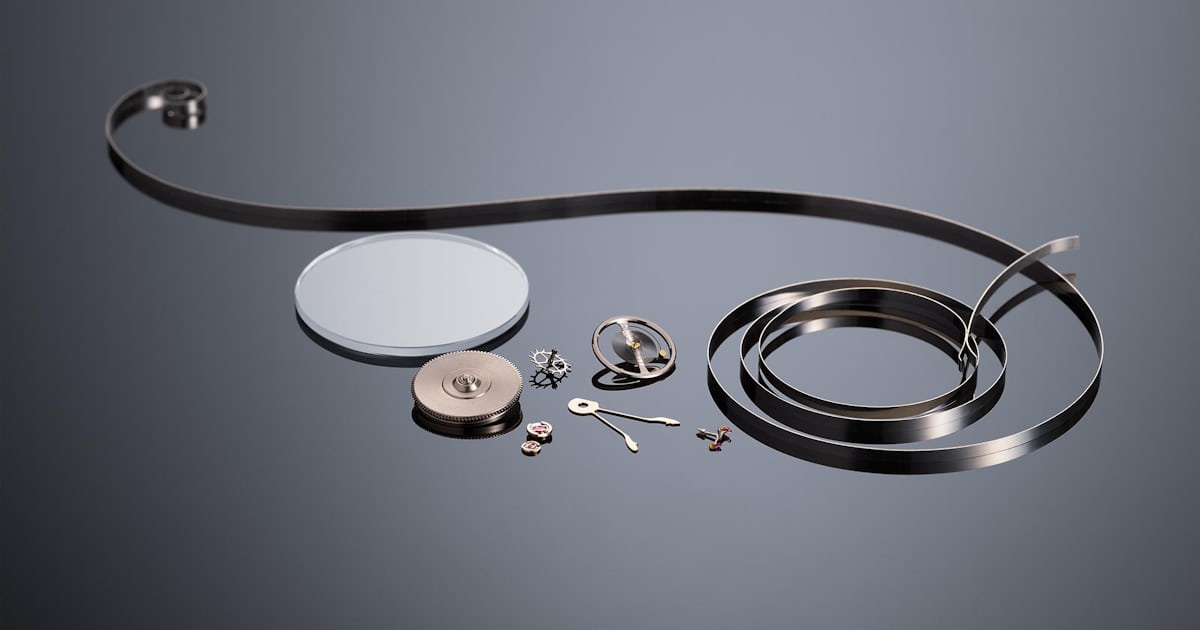
The coiled power source inside the barrel; stores all energy running a mechanical watch.

Articles & videos

In-Depth: Balancing Mainspring Dimensions Inside the Barrel SJX Watches
Piaget Altiplano Tourbillon Concept Nov 7, 2025

In-Depth: Balancing Mainspring Dimensions Inside the Barrel

In a past story, we explained how multiple mainspring barrels can be paired in parallel or in series, for either lengthening a movement’s power reserve or increasing the torque discharged into the going train. In this article we expand on this topic to analyse the inside of the barrel by exploring how mainspring size balancing influences the torque output and power reserve.   Enthusiasts tend to throw around the loosely-defined term “mainspring packing” - especially when criticising a movement’s unsatisfying power reserve. This term refers to how a watchmaker can get a higher power reserve by balancing a spring’s dimensions and the space it occupies inside a barrel. While this sounds simple, the reality is more complicated.  Skeletonised barrel showing the tight coiled mainspring inside the Piaget Altiplano Tourbillon Concept. In order to set the record straight, it’s necessary to analyse the topic thoroughly. This requires getting a bit technical, but an interpretation is included for those less interested in the underlying maths. This theory-heavy deep-dive tries to unravel the concept of mainspring packing and explores why optimisation is not a very straightforward business. The core elements This section covers the basics of mainspring and barrel geometry and establishes their relation with power reserve and torque. In order to see how specific dimensions affect both torque and power reserve, we will resort to some known functions and a little geometric...
Introducing Mainspring London To The Windup Watch Shop Worn & Wound
Nov 6, 2024

Introducing Mainspring London To The Windup Watch Shop

Named for the spring at the heart of a mechanical watch movement, Mainspring London offers high-quality storage, winders, and accessories for watch collectors. With inspirations ranging from motorsports to the walled gardens and storied quadrangles of Oxford, Mainspring London’s collections are designed to seamlessly – and with impeccable style - integrate your treasured collection into your home. Who said your collection storage couldn’t look as good as the pieces in it?   To welcome Mainspring London to the Windup Watch Shop, we are starting with three pieces: the Technospeed 3-Slot Travel Watch Box, Monte Carlo 5-Slot Watch Box, and Guardian Single- and Dual-Slot Winder. The post Introducing Mainspring London To The Windup Watch Shop appeared first on Worn & Wound.

F.P. Journe Chronomètre à Résonance 20th Anniversary Featuring One Mainspring, One Differential, Two Geartrains, And Two Remontoire d’Egalité Escapements Quill & Pad
F.P. Journe Chronomètre à Résonance 20th Jun 6, 2021

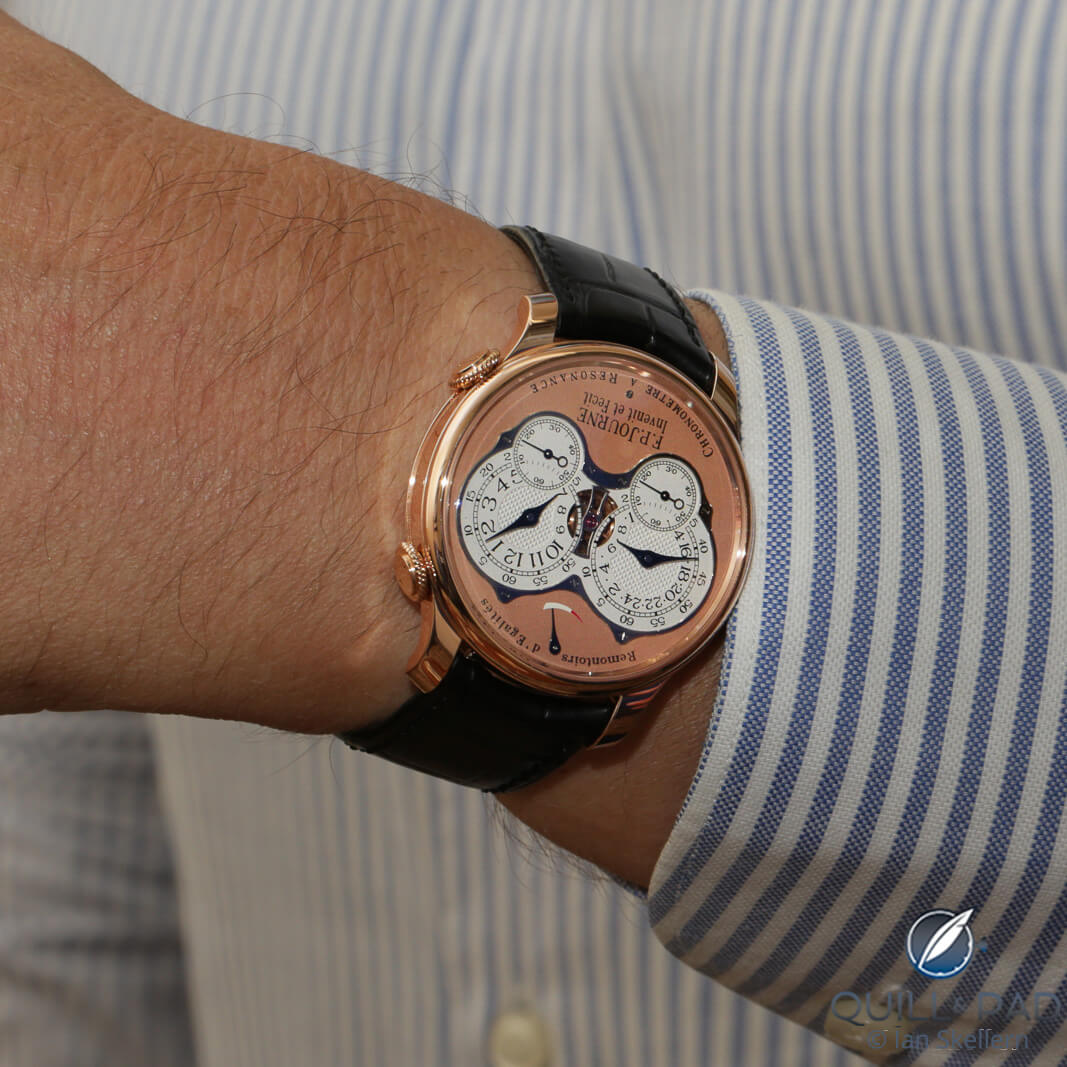
F.P. Journe Chronomètre à Résonance 20th Anniversary Featuring One Mainspring, One Differential, Two Geartrains, And Two Remontoire d’Egalité Escapements

Launched in 2000, the Chronomètre à Résonance was the first wristwatch with a resonance mechanism and it catapulted F.P. Journe into the major leagues. This latest model in celebration of its 20th anniversary is an entirely new piece based on the resonance phenomenon that now incorporates a larger single mainspring (the original had two mainsprings) with a differential driving the two going trains and a pair of remontoire d’égalité escapements.

Explained: Grande Sonnerie Click Wheels SJX Watches
Audemars Piguet Grande Sonnerie pocket watch 6 days ago

Explained: Grande Sonnerie Click Wheels

A visual staple of grande sonnerie watches is a pair of large, highly finished and intriguing-looking click wheels. Continuing our exploration of various horological energy systems — including winding efficiency and the fusee and chain — we examine the linkage of ratchets, clicks and wide-toothed gears that comprise the winding works of some of the industry’s best chiming watches. A Patek Philippe grande sonnerie movement from 1915. One crown for two barrels The grande sonnerie is rightfully considered the pinnacle of chiming complications. With the ability to automatically sound the hours and quarters, a grande sonnerie requires heaps of power to keep it going over the course of a day. As a result, most grande sonnerie movements rely on a second mainspring barrel that is isolated from the timekeeping going train. The requirement for independent barrels stems from the different rates at which the barrels unwind. The striking works require a faster-turning barrel that’s only active for short periods, while the going train feeds from a slow and steady barrel. Audemars Piguet Grande Sonnerie pocket watch crafted by Philippe Dufour. As the barrels discharge unevenly, it makes sense that they cannot be wound in sync. Winding both mainsprings in sync would typically over-strain one of them since their winding states are rarely the same at any given time. Although the two barrels themselves are separated, they often share the same winding train. Now a signature of Vallée...

Insight: Bidirectional versus Unidirectional Winding SJX Watches
Jul 15, 2026

Insight: Bidirectional versus Unidirectional Winding

One of the quieter debates still ongoing in the horological world revolves around the difference in winding efficiency between unidirectional and bidirectional winding mechanisms. There are two schools of thought on the subject: some watchmakers remain convinced that a bidirectional winding mechanism is the clear winner in terms of efficiency, while a second group claims there are no real performance gains over simpler unidirectional winding mechanisms. Harvesting energy The basic idea behind automatic watches is to harvest energy from the wearer’s natural arm movements to wind the mainspring. The rotor is an unbalanced mass (its axis of rotation doesn’t coincide with its center of mass) that is subject to both gravity and the inertial forces exerted by the wearer. As the watch moves through different positions, the rotor spins in unpredictable bursts, generating substantial kinetic energy. A winding mechanism then turns the fast revolutions of the rotor into slower but more torque-heavy turns that wind the mainspring. Common transmission ratios cited by horological textbooks range between 1:110 and 1:180 — meaning that the barrel click wheel only makes one turn for every 110 to 180 turns of the rotor. In short, the winding mechanism transforms the erratic kinetic energy of the rotor into potential elastic energy, stored inside the mainspring’s coils. A short history Much like any sub-genre of horology, the history of automatic winding is lengthy and nuanced. This ...

First Look - The Longines Conquest Heritage Central Power Reserve Now in Light Blue Monochrome
Longines Conquest Heritage Central Power Jul 2, 2026

First Look - The Longines Conquest Heritage Central Power Reserve Now in Light Blue

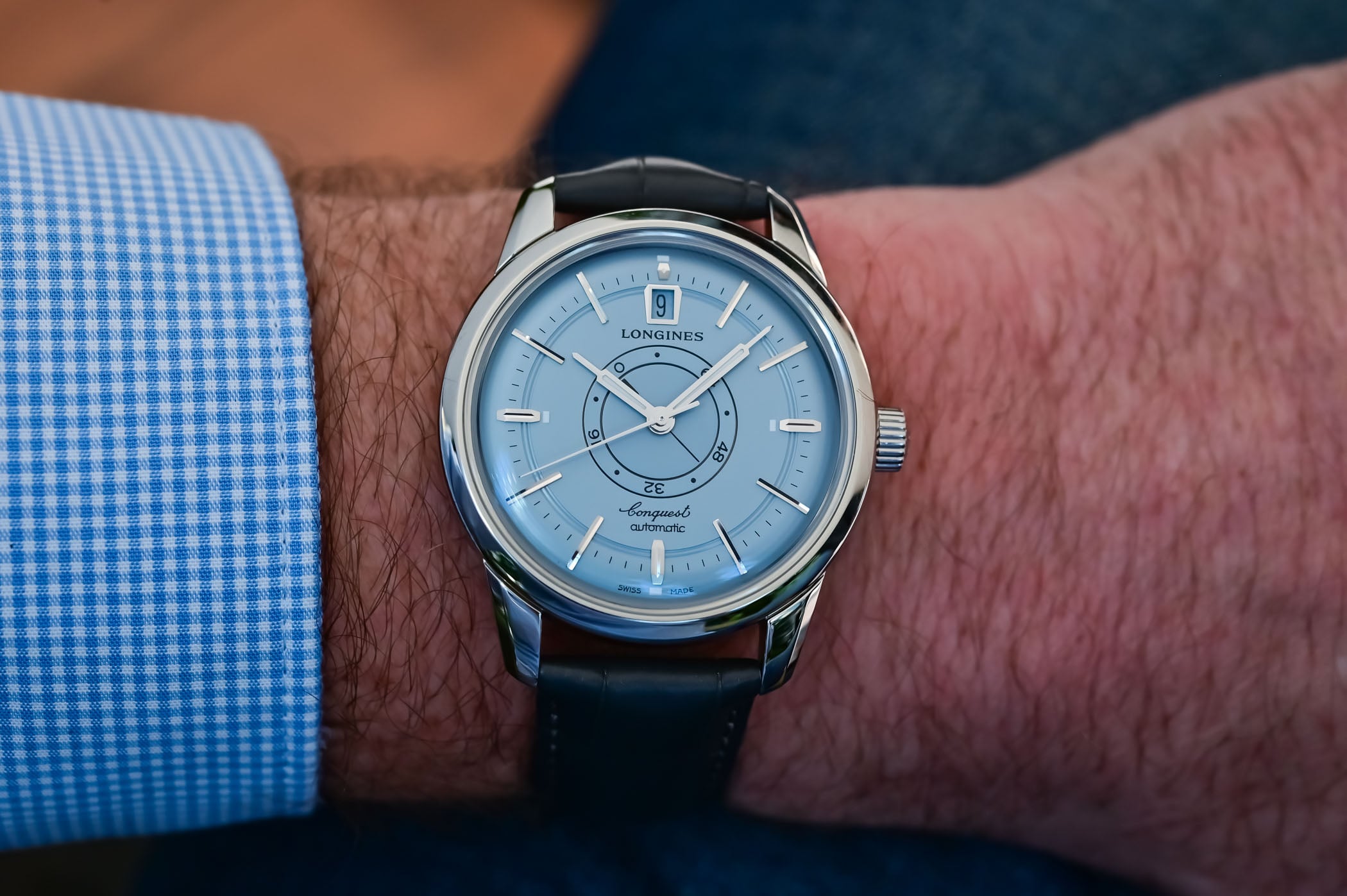
Longines revived the Conquest Heritage Central Power Reserve in 2024, bringing back one of the brand’s most original mechanical displays, a patented solution first introduced in 1959 that shows the remaining energy stored in the mainspring with rotating discs. Released to celebrate the 70th anniversary of the Conquest collection, the model successfully combined faithful vintage […]

Introducing: The Vacheron Constantin Traditionelle Twin Beat Perpetual Calendar Is Back Hodinkee
Vacheron Constantin Traditionelle Twin Beat Perpetual Jun 16, 2026

Introducing: The Vacheron Constantin Traditionelle Twin Beat Perpetual Calendar Is Back

What We Know Vacheron just brought back its incredibly unique Traditionelle Twin Beat Perpetual Calendar, and it's a welcome sight for dedicated collectors of the brand, along with general enthusiasts of unexpected yet innovative takes on complicated watchmaking. If you're not familiar with the original Traditionelle Twin Beat Perpetual Calendar, launched back in 2019, the watch offered an incredibly novel solution to a problem often found within perpetual calendar watches. Let's be honest, though the entire appeal and genius of the perpetual calendar is for someone wearing one watch all day, every day, for the whole year, watches like these are most often owned by those with a large collection to begin with. A weekend for a perpetual calendar in a watch box or drawer would mean that the complication would need to be set again after winding, and so Vacheron introduced this perpetual calendar with a whopping 65-day power reserve. To achieve this, rather than putting in an unfeasibly large mainspring in the barrel, the Traditionelle Twin Beat Perpetual Calendar lives up to its name by offering a new system that allows for switching between two beat rates for the watch—a contemporary high-beat 5Hz frequency with a 4-day power reserve for normal timekeeping during wear, but a much slower 1.2Hz mode with that prolonged power reserve for the "Standby" phase. The Caliber 3610QP comprises two separate gear trains for the two regulating systems, with a series of differentials tha...

Insight: A Look At The Fusee and Chain SJX Watches
Ming from Jun 16, 2026

Insight: A Look At The Fusee and Chain

The fusee and chain system is one of those terms in high horology parlance that instantly elevates the status of a given watch. And yet few appreciate the elegance and subtle complexities of this horological contraption that surprisingly predates the invention of the hairspring itself. The need for constant torque A high-performance oscillating system requires a somewhat constant power source in order to keep it swinging consistently. This issue relates to isochronism and the insufficiencies of real-world oscillators. For a watch, this means that its precision is, to a degree, dependent on how constant the torque reaching the escapement is. This is not as easy as one might think. The mainspring stores potential energy in its wound coils, which it then slowly feeds into the gear train as the barrel unwinds. Because of how the system is built, and due to physics-related constraints, the power coming from the mainspring barrel is all but constant. Ideally, the torque would be linearly decreasing — meaning that the slope of the barrel torque is directly proportional to the arming angle. Coiled mainspring inside a barrel. When a mainspring barrel is fully wound, the torque it feeds into the going train is maximal, sometimes causing the balance wheel to swing too wide and over-bank. As the mainspring unwinds, the torque stabilises to a steadily declining rate. But as the movement enters its last hours of power reserve, the torque from the barrel decreases considerably and more...

Hands On: Haute-Rive Honoris Meccanica SJX Watches
Girard-Perregaux May 20, 2026

Hands On: Haute-Rive Honoris Meccanica

Taking place right next door to Watches & Wonders, Time to Watches is an annual fair dedicated to independent watchmaking. Among the exhibitors this year was Stéphane von Gunten, the watchmaker behind the Haute-Rive brand.  Arguably the most technically impressive watch on display was the Honoris Meccanica, the most mechanical looking of Haute-Rive’s Honoris line. The timepiece houses a three meter-long mainspring which allows it to achieve a power reserve of 41 days — more specifically 1,000 hours. Unlike some other watches with ultra-long power reserves, the Honoris Meccanica remains a properly sized and wearable timepiece that doesn’t feel like a wrist-worn experiment. Initial thoughts Stéphane von Gunten is part of a new generation of independent watchmakers with a strong engineering background, rather than a career spent doing restoration work. Before launching Haute-Rive, Mr von Gunten worked as a Research and Innovation Director at the Sowind group, which owns Girard-Perregaux and Ulysse Nardin. His most notable work happened while at Ulysse Nardin, where Mr von Gunten filed a number of important patents, ranging from the oval-shaped hairspring still used by Ulysse Nardin today to constant force escapements and compliant flexure oscillators.  As fate would have it, one of Mr von Gunten’s ancestors is Irénée Aubry, the watchmaker behind the “Hebdomas” eight-day pocket watch of 1888. Commercialised under many names, the movement only required winding...

Hands On: Ressence Type 11 SJX Watches
Ressence Type 11 Among May 1, 2026

Hands On: Ressence Type 11

Among the independent brands officially exhibiting at Watches & Wonders, Ressence was a standout. The design-forward Belgian independent took a major step forward with the Type 11, powered by the brand’s first proprietary calibre, the RW-01. The Type 11 is tangibly appealing and priced well considering both its unique design and technical content. Initial thoughts When I first saw images of the Type 11 and its RW-01 movement, I had the same feeling as when Urwerk launched the EMC back in 2013. At the time, the EMC felt like the start of a new era for a brand that had, up to that point, primarily put its proprietary modules atop widely available off-the-shelf calibres. The EMC proved Urwerk was willing to rethink the movement in its entirety to realise a specific vision. The RW-01 reveals Ressence is moving in that same direction. After 15 years of adapting its Ressence Orbital Convex System (ROCS) modules to ETA-derived calibres, the brand has taken the next step in its development and partnered with an adept supplier to construct a proprietary movement uniquely suited to its signature design. The new calibre was engineered with Ressence’s ROCS module in mind. The movement layout appears purpose-built for winding and setting via the case back, lacking an ordinary stem, and dual serially coupled mainspring barrels extend the power reserve to 60 hours — quite long considering the mass of the ROCS module. While I would have been delighted to see a free-sprung balance, I...

First Look - The Gold Grand Seiko Spring Drive UFA SLGB006 Ice Forest at Dawn Monochrome
Grand Seiko Spring Drive UFA SLGB006 Apr 14, 2026

First Look - The Gold Grand Seiko Spring Drive UFA SLGB006 Ice Forest at Dawn

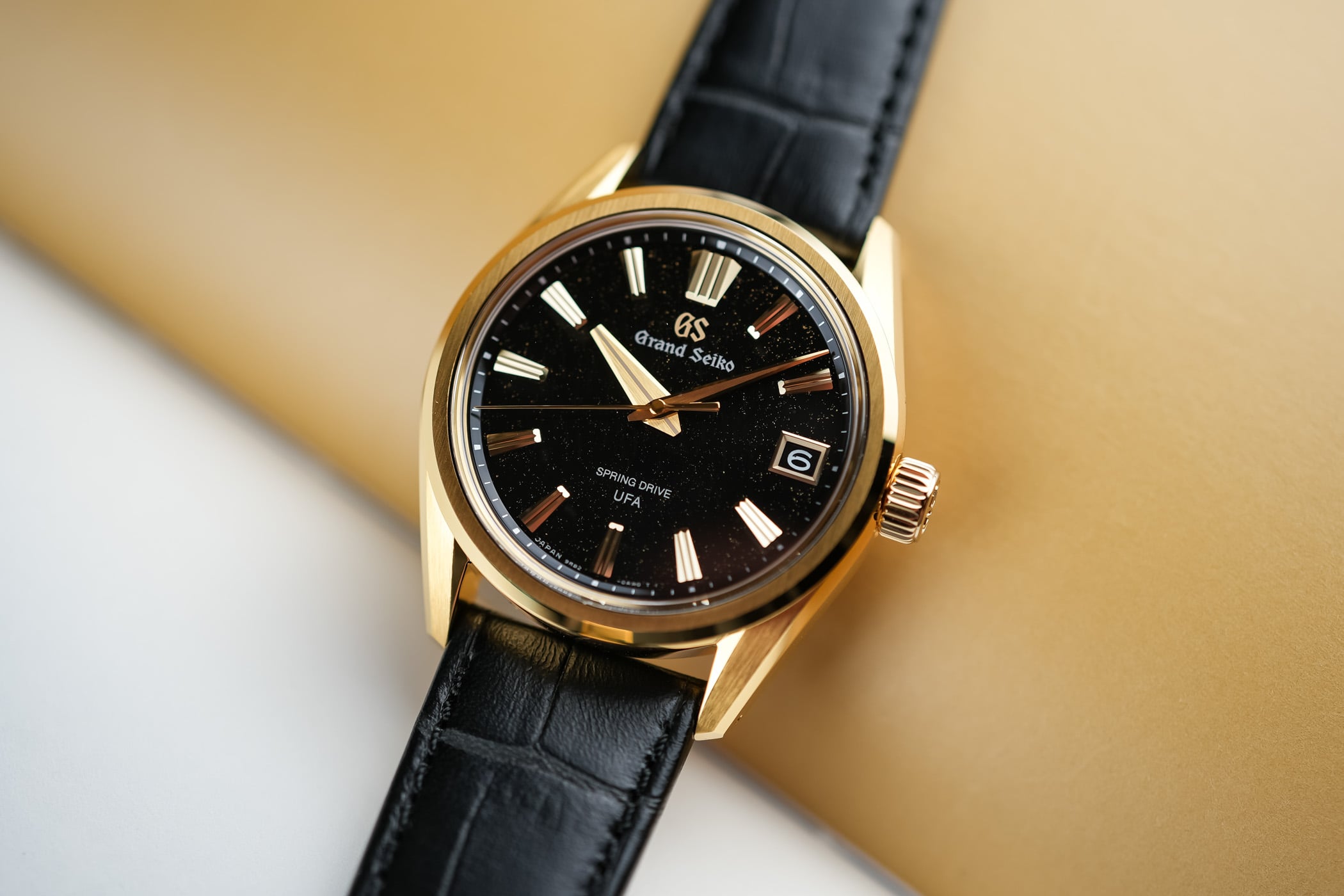
Last year was a watershed moment for Grand Seiko with its announcement of the world’s “most accurate mainspring-driven movement”. Crafted in the Shinshu Watch Studio, the brand’s groundbreaking Calibre 9RB2 – with an annual deviation of only ±20 seconds – debuted in Evolution 9 cases. True to Japanese reverence for nature and Grand Seiko’s talent […]

Sylvain Pinaud Returns with 30-Second Tourbillon SJX Watches
Apr 12, 2026

Sylvain Pinaud Returns with 30-Second Tourbillon

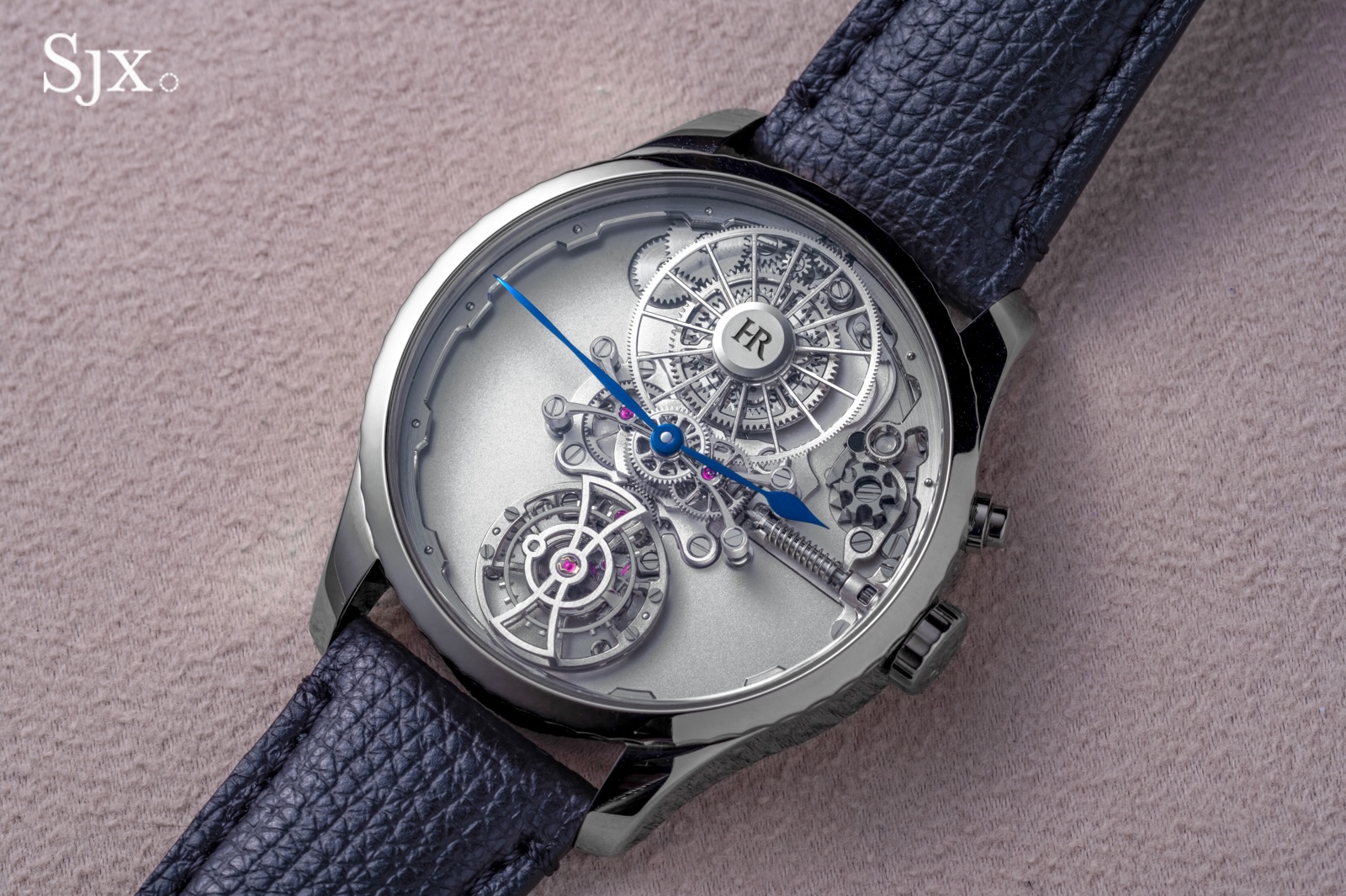
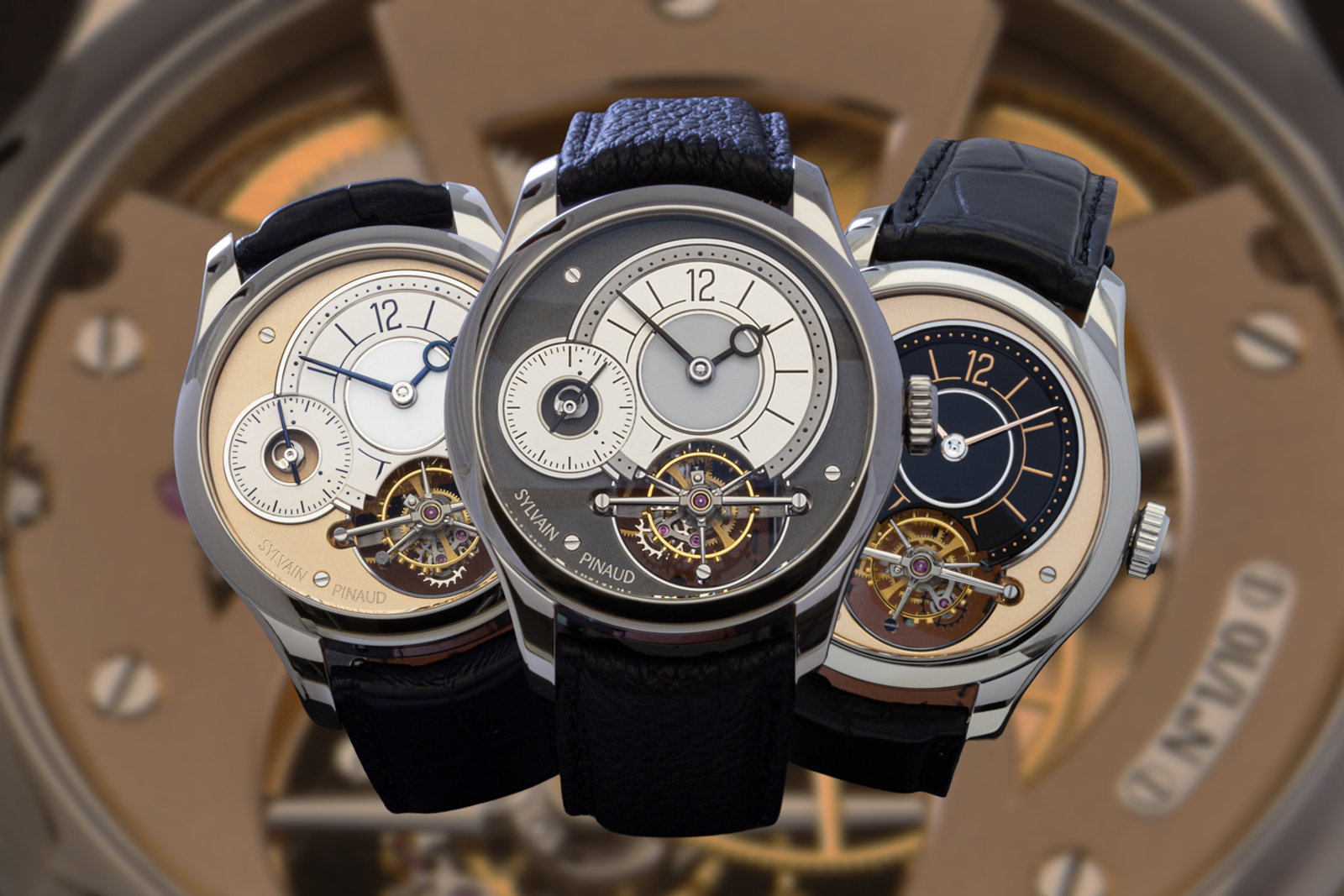
With wind in his sails following the successful Origine series, independent watchmaker Sylvain Pinaud returns with his most ambitious project yet, the succinctly named Tourbillon. The watch looks and feels a lot like its time-only predecessor, but the movement is in fact completely different, with twin mainspring barrels and a fast-rotating 30-second tourbillon. The Tourbillon in platinum with a white agate dial. Initial thoughts Appetite remains strong for high-end time-only watches, but the leading independents are increasingly leaving simplicity behind and treating their collectors to additional complications. Mr Pinaud’s Tourbillon exemplifies this shift. Despite the greater complexity of its movement, the Tourbillon is no larger than the simpler Origine. In fact, it’s about 1 mm smaller in diameter. That’s impressive considering it fits an extra mainspring barrel and adds a zero-reset seconds functionality to its namesake tourbillon. This latter functionality - specifically its heart cam - is on full display through an opening in the running seconds sub-dial at nine o’clock. But its the 30-second tourbillon that gives the watch its name, and which warrants special scrutiny. Fast-rotating tourbillons - which rotate more quickly than once per minute - are quite rare. They require more energy and greater care in assembly, since they almost invariably use lighter components. In the case of the Tourbillon, the slender three-armed cage is made of titanium, r...

Revisiting Our Hands-On Review With The Grand Seiko Spring Drive U.F.A WatchAdvice
Grand Seiko Spring Drive U.F.A Grand Apr 8, 2026

Revisiting Our Hands-On Review With The Grand Seiko Spring Drive U.F.A

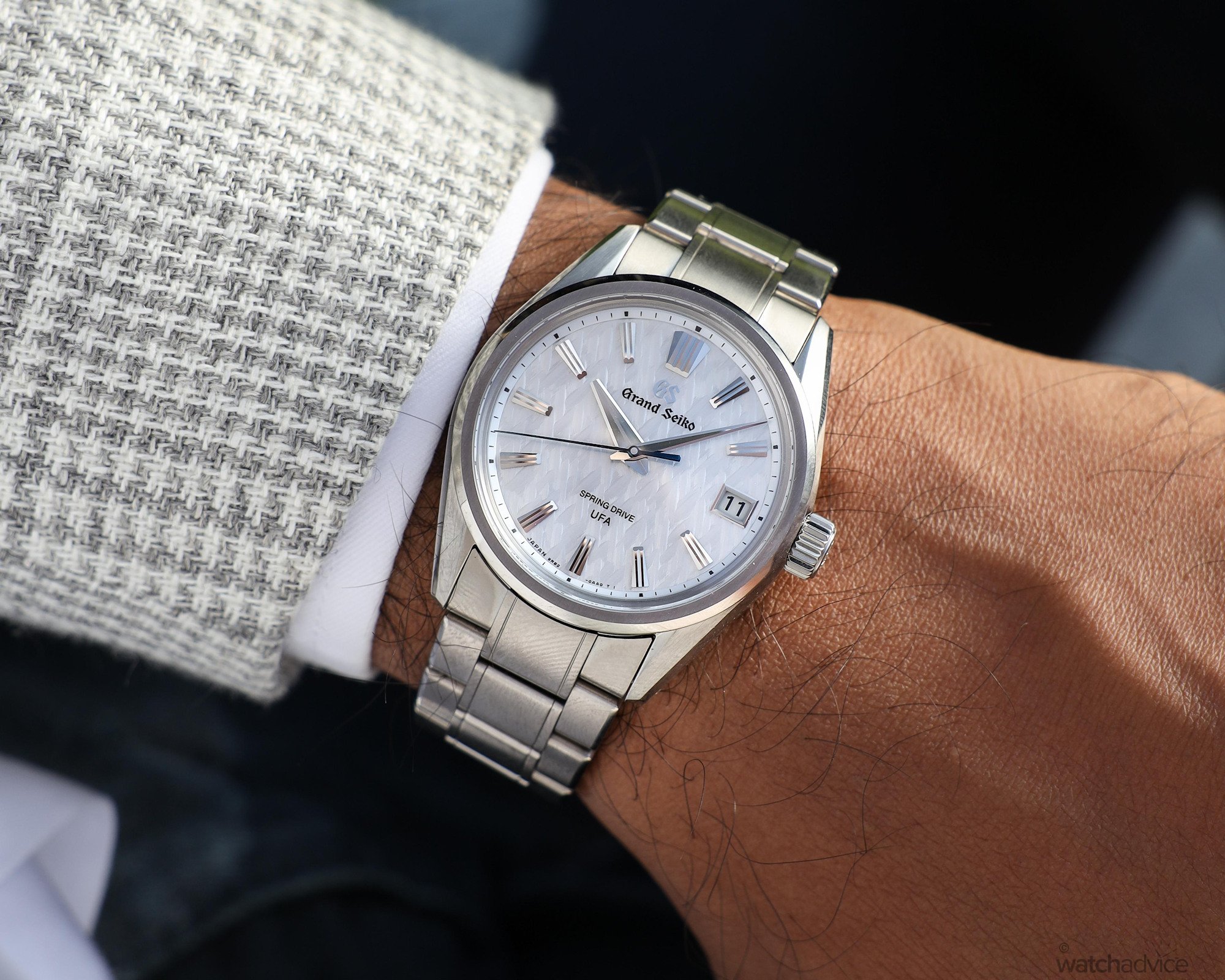
Grand Seiko’s Spring Drive U.F.A has an astonishing ±20 seconds per year accuracy. Wrapped in a new slimmer Evolution 9 case and finished with a dial inspired by winter in Shinshu, it’s a masterclass in subtle innovation and timeless elegance. What We Love The Calibre 9RB2 delivers an incredible +/- 20 seconds per year, redefining what is possible from a mainspring-powered mechanical movement The new 37mm case size makes the timepiece highly wearable for a wide range of wrist sizes. The beautifully textured dial captures Grand Seiko’s unique blend of craftsmanship and storytelling. What We Don’t While very comfortable, the standard three-link bracelet feels a little too plain for a release of this calibre. For a groundbreaking caliber, the caseback view feels a little subdued. For such a significant release, the design feels a little too in line with previous Evolution 9 models. Overall Rating: 9.25 / 10 Value for Money: 9.5/10 Wearability: 9.5/10 Design: 9/10 Build Quality: 9/10 This article was originally published as Hands On With The New Grand Seiko Spring Drive U.F.A. Grand Seiko was first established in 1960 as a sister brand to Seiko, created to combat the Swiss watchmakers and their high-end luxury timepieces. While Seiko made affordable everyday timepieces, It was Grand Seiko’s role to create unique, innovative pieces that would cater to the luxury and high-end watchmaking market. Among the many different innovations and stunning dial aesthetics, on...

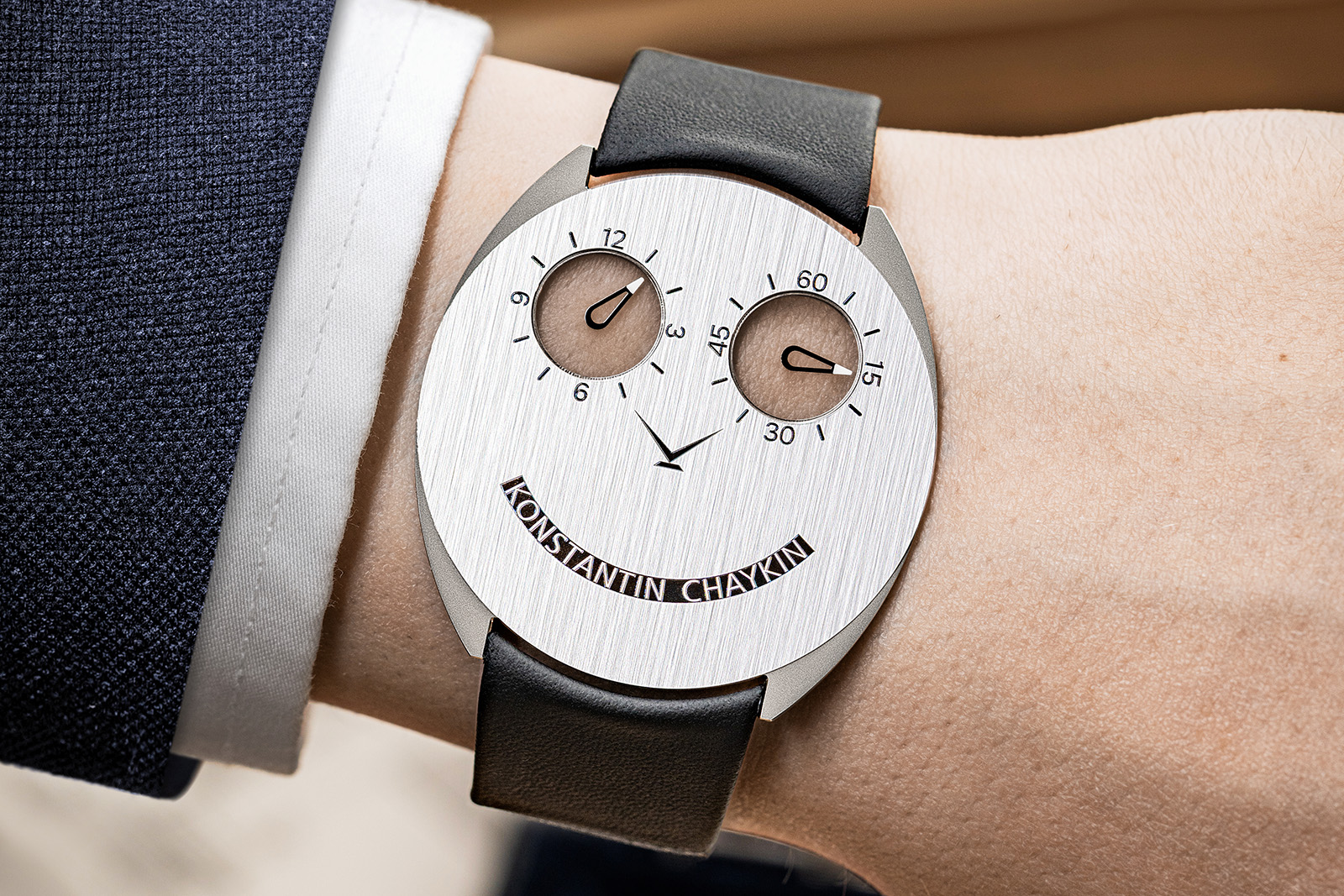
Konstantin Chaykin Unveils the ThinKing Mystery SJX Watches
Konstantin Chaykin Apr 2, 2026

Konstantin Chaykin Unveils the ThinKing Mystery

Konstantin Chaykin unveils the ultimate version of his ultra-thin opus, the ThinKing Mystery. A 12-piece limited edition that refines the ideas from his original prototype, the ThinKing has reached maturity. The fact that Mr Chaykin achieved this without the help of big-budget research and developments facilities is a testament to the Moscow-based watchmaker’s technical prowess. The thoughtful process of updating the ThinKing platform prior to commercialisation speaks highly of his engineering rigour. Initial thoughts We covered the first ThinKing prototype when it launched two years ago in the fall of 2024. The timepiece remains to this day the world’s thinnest mechanical watch, measuring just 1.65 mm from top to case back. A staggering 1.65 mm thickness. The ThinKing implemented a number of interesting mechanical choices and made some compromises to fit an entire timekeeper to fit in a meagre 1.65 mm-thick space. Like other ultra-thin record-chasers, the case doubles as the movement mainplate, making the ThinKing, in a sense, a raw movement bound to a strap. To reduce the height of the oscillator, its components were spread out horizontally. The barrel was rethought to incorporate a click wheel inside the mainspring arbour, shaving precious height. The first prototype was cheating a little too, since it could not be set or wound without a separate docking module called the Palanking. Compared to other ultra-thin watches, which require (at most) a pen-like winding and...

How Do You Like Your Rotor - Central, Micro, Or Peripheral? And What About A Hammer? Fratello
Mar 29, 2026

How Do You Like Your Rotor - Central, Micro, Or Peripheral? And What About A Hammer?

Is there such a thing as a best rotor? A pragmatic watchmaker might say a heavy central one that winds the mainspring the most efficiently is the best. A collector of traditional watches with similar movements might say that nothing beats a solid micro-rotor. And I know people with a deep fondness for technical watchmaking […] Visit How Do You Like Your Rotor - Central, Micro, Or Peripheral? And What About A Hammer? to read the full article.

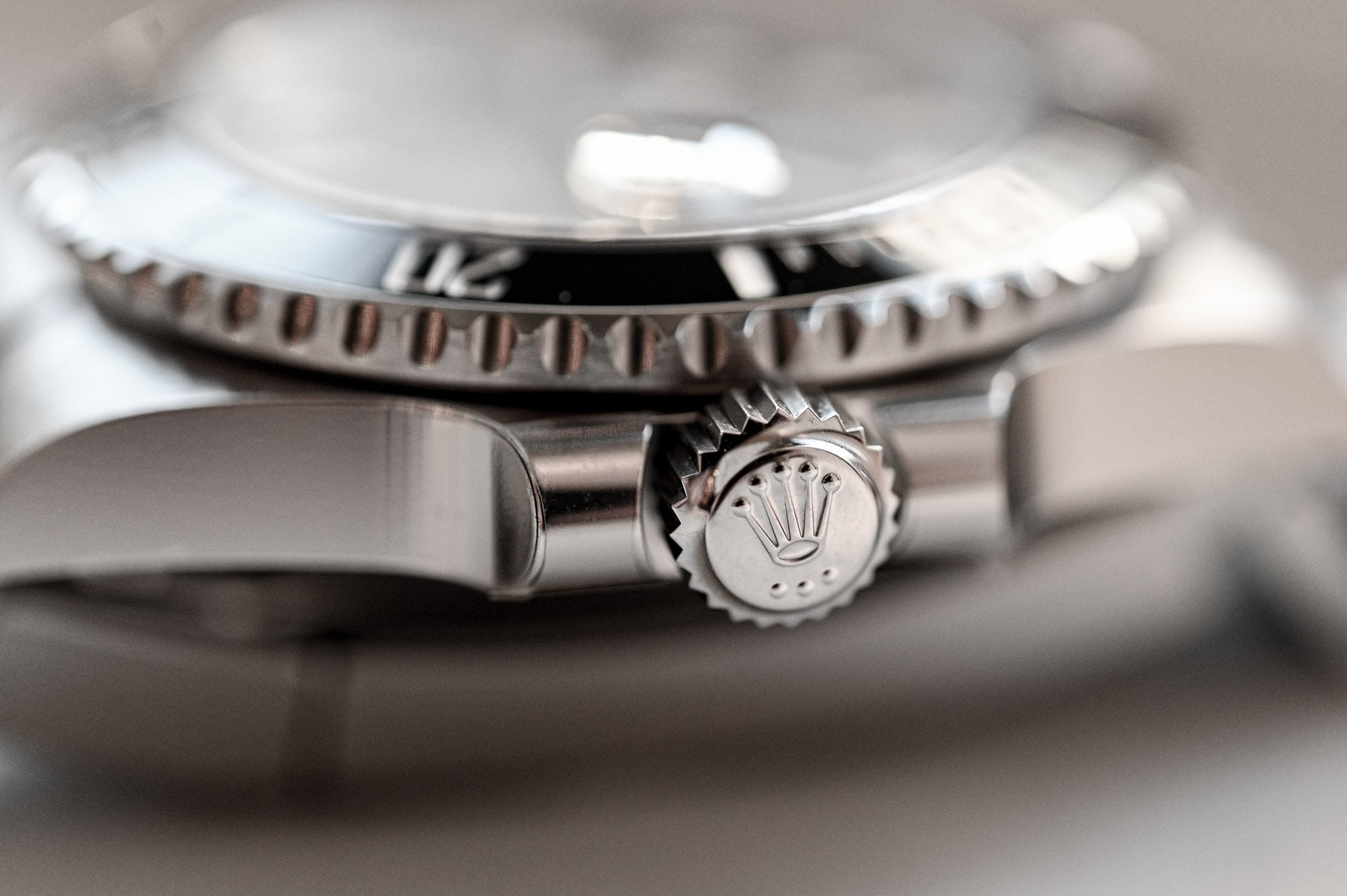
The ABCs of Time - All About Watch Crowns, the Small but Crucial Interaction with your Watch Monochrome
Mar 21, 2026

The ABCs of Time - All About Watch Crowns, the Small but Crucial Interaction with your Watch

For almost all modern watches, besides a few exceptions (there is always an exception to the rule), the crown is literally the command centre that winds the mainspring, sets the time and controls common complications like dates, calendars and GMTs. Supplementary controls like pushers complement the crown, but they’re limited to specifics like chronographs or […]

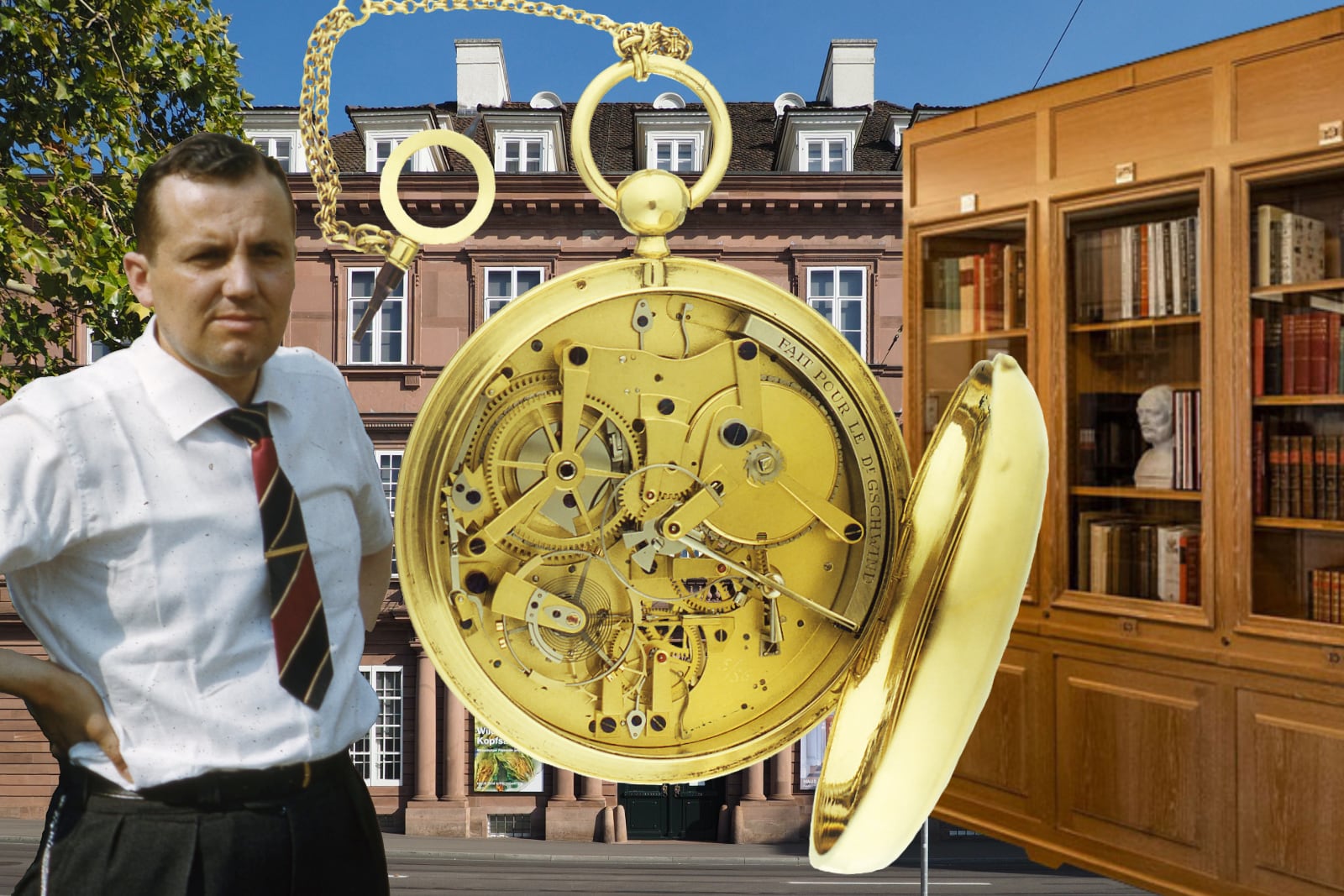
Complicated Collectors: Dr Eugen Gschwind SJX Watches
F.P. Journe Gschwind liked Daniels He Mar 3, 2026

Complicated Collectors: Dr Eugen Gschwind

The dinner in Basel had reached the stage where the porcelain was being cleared, but the tension at the table remained heavier than the silverware. Dr Eugen Gschwind, a man who wore his erudition as comfortably as his tailored suits, watched his guest with the predator’s patience that had defined his four decades of collecting. Across from him sat George Daniels, the English horologist and watchmaker who had single-handedly dragged the concept of the handmade watch out of the grave of history. Daniels was brilliant, notoriously opinionated, and, according to some, firmly convinced that he was the spiritual reincarnation of Abraham-Louis Breguet. François-Paul Journe´s 3/84 pocketwatch, Dr Gscwind´s first commission. Image SJX composite – F.P. Journe Gschwind liked Daniels. He championed the Englishman’s genius, yet remained too dogmatic to ever buy his work. He had famously toasted Daniels at a society dinner as the ‘greatest living watchmaker,’ only to follow it with the dry, smiling addendum: ‘But only the second-best watchmaker who ever lived.’ Tonight, however, was not about jests. It was the culmination of a long-simmering technical argument. For years, Gschwind had chided Daniels about his reliance on the 15-second remontoir d’égalité. To Daniels, this mechanism, which rewound a secondary spring every quarter-minute to smooth out the torque of the mainspring, was the ultimate solution to the problem of isochronism. Gschwind viewed it was a compro...

In-Depth: Orient Star’s Smart Silicon Escape Wheel SJX Watches
Seiko Epson’s massive industrial base Feb 26, 2026

In-Depth: Orient Star’s Smart Silicon Escape Wheel

While silicon mechanical movement components have swept across Switzerland, adoption has been slow within the Japanese watch industry, stymied by Swiss patents and professed concerns over the material’s durability. To this day, it remains the unlikely domain of Orient Star, a small brand with priority access to Seiko Epson’s massive industrial base. This positions Orient Star to capitalise on consumer demand for increasingly long power reserves, without sacrificing performance. Thanks to an ultralight and geometrically efficient escape wheel with a patented design, Orient Star is able to deliver a 70-hour power reserve without resorting the same counter-productive trade-offs to balance energy made by some Swiss peers – here’s how it was done. A silicon wafer of escape wheels. Image – Seiko Epson The quest for longer power reserves Recent consumer demand for longer power reserves has sent the industry’s engineers scrambling for ways to increase the autonomy of existing movement platforms. A movement’s power reserve is dictated by the length of the mainspring, which unwinds at a constant rate. That is why using a chronograph doesn’t cause a watch to run down faster – usually. Of course, you need to find somewhere to fit that extra length of mainspring while maintaining the movement’s dimensions, such as by thinning out the barrel walls, narrowing the inner barrel arbour radius, or, reducing the thickness of the mainspring. However, while decreasing the ma...

Industry News: Sellita Introduces the SW200-2 with 65 Hour Power Reserve Worn & Wound
Tissot as Jan 26, 2026

Industry News: Sellita Introduces the SW200-2 with 65 Hour Power Reserve

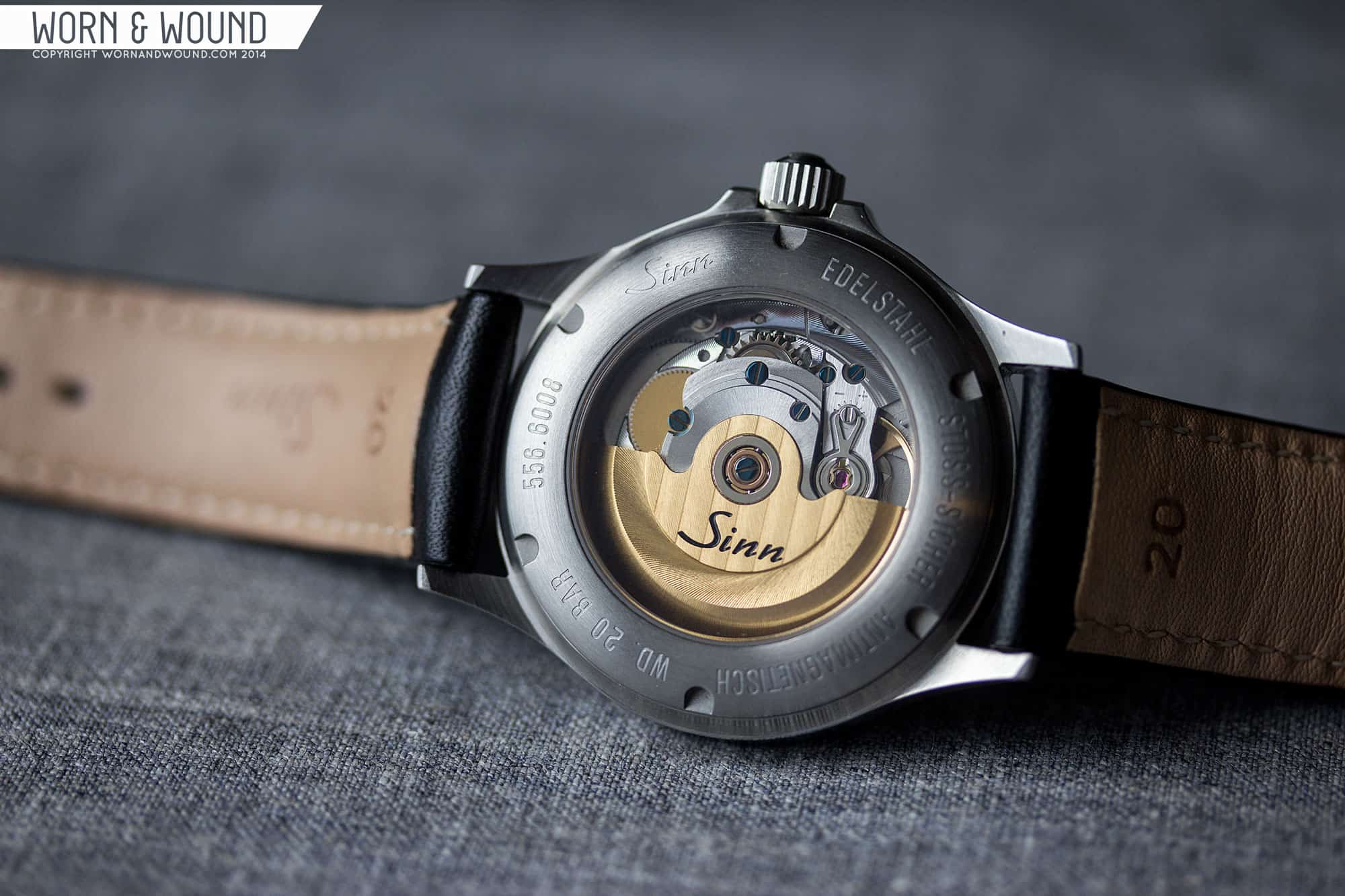
There’s a “don’t change it if it ain’t broke” mentality in Swiss watchmaking. Progress is slow, and it often seems that there’s a general distrust of change. An example of this is in the mechanical movements that power most of our watches. Chances are, you have at least one watch with an ETA 2824 or a movement based on the 2824 in your collection. If you’re like me, you have several. For Swiss-made watches of a certain price point, they are the standard. They are “workhorses” that, while not the most feature-rich, offer reliability and serviceability. And part of the reason for that is that the design has been around, largely unchanged, since the 1970s (the 2824-2, which is the current standard, was released in the 80s). That is, until 2013, when ETA launched 80-hour movements based on the 2824-2. First debuted in a Tissot as the Powermatic 80, ETA nearly doubled the 2824’s power reserve by slowing the escapement’s frequency from 28,800bph to 21,600bph, introducing synthetic components, and increasing the mainspring’s capacity. The biggest update to the 2824 format in a generation (though they no longer use that numbering), as ETA is part of Swatch, these movements gave the group’s catalog of brands under Omega an unexpected edge in the market, but were not available to third-party brands, thus limiting their overall impact. The ETA 2824 featured in a Sinn 556i In 2003, Sellita began supplying movements to third parties as a response to Swatch’s...

First Look - The Spectacular Pink Gold Edition of the Girard-Perregaux Neo Constant Escapement Monochrome
Girard-Perregaux Neo Constant Escapement Dec 19, 2025

First Look - The Spectacular Pink Gold Edition of the Girard-Perregaux Neo Constant Escapement

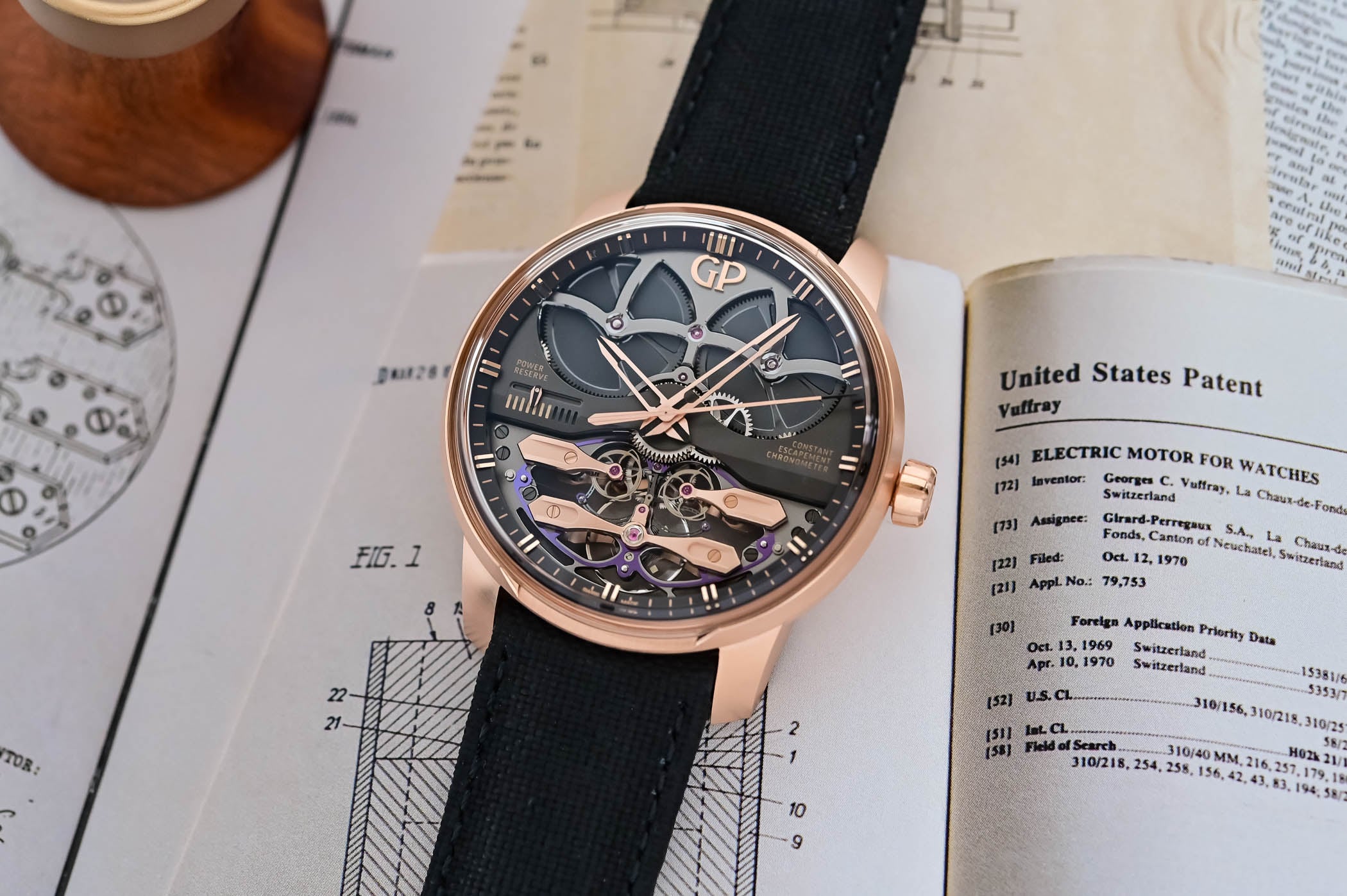
A conundrum shared by watchmakers for centuries concerns the issue of constant force, or how to produce a steady, unwavering stream of power from the mainspring to the regulating organ to prevent rate variations and maintain amplitude consistency. The big question is how? Taking the bull by the horns, Girard-Perregaux tackled the dilemma with the […]

What is a Quartz Watch? Everything You Need to Know Teddy Baldassarre
Dec 10, 2025

What is a Quartz Watch? Everything You Need to Know

The advent of the quartz watch was the most disastrous event ever to befall the traditional luxury watch business, an existential threat that nearly toppled the watch industry as we know it. The invention of the quartz watch was among the most significant advances in the history of timekeeping and brought affordable wristwatches to the masses in a way that had never been seen before. These are the two main schools of thoughts on what the quartz watch has meant to the history of watchmaking, and both are essentially correct. As you contemplate whether to purchase a quartz watch, ponder the main differences between quartz and mechanical movements, and try to wrap your head around the various types of timekeeping technologies, let’s explore how quartz watches originated, how they evolved, and what their place is in today’s ever-changing watch world.  [toc-section heading="Quartz Movements Explained"] Unlike a mechanical movement, which stores its energy in a wound mainspring inside a barrel and releases it through a complex series of gears to move the hands, a quartz movement derives its power from a small electrical charge provided by a battery, which then passes through an integrated circuit that applies the charge to a tiny quartz crystal cut into the shape of a tuning fork. Thanks to something known as the reverse-piezoelectric effect, that tiny charge applied to the quartz tuning fork crystal causes it to vibrate at an incredibly high rate that dwarfs the output of ...

Do Rolex Watches Tick? It's All In The Beat Teddy Baldassarre
Rolex Dec 8, 2025

Do Rolex Watches Tick? It's All In The Beat

“Do Rolex watches tick?”  This is, apparently, a frequent question and a common concern of newbie Rolex owners, but the premise of the question is actually driven by a misconception. Virtually all Rolex watches - in fact, all watches equipped, as most Rolexes are, with a mechanical movement - are  indeed ticking while they are running. If your ear is not perceiving it, that is only because the ticking is so rapid - nowadays, at least eight times per second - that the watch’s seconds hand appears to be moving in a smooth, sweeping motion. This can be quite noticeable if you have experienced only the much more visible, (and easily perceptible) one-tick-per-second movement common to the seconds hand of a quartz watch. In fact, if your Rolex watch is ticking once per second, it might be worth taking a moment to authenticate whether or not it is real or counterfeit. Allow us to explain. [toc-section heading="The Difference Between Mechanical and Quartz Movements"] A mechanical movement is the oldest type of movement in horology. It uses a coiled metal spring, called a mainspring, that releases energy as it uncoils through a series of gears to drive a weighted, oscillating wheel called a balance wheel. The balance wheel’s oscillations are linked to an escapement, which periodically releases the gear train to move the hands forward to record the passing of hours, minutes, and seconds. Originally, the mainspring needed to be wound periodically by hand, first by a...

Grand Seiko Introduces the SLGB005 “Violet Dawn” Worn & Wound
Grand Seiko Introduces Oct 1, 2025

Grand Seiko Introduces the SLGB005 “Violet Dawn”

Earlier this year at Watches & Wonders, Grand Seiko revealed the SLBG003, which turned out to be one of the most impressive watches of the whole show. Housing the new 9RB2 Spring Drive caliber, the UFA (Ultra-Fine Accuracy) movement is certified to an almost incomprehensible +/- 20 seconds per year, or roughly 3 seconds per month. That makes it, according to Grand Seiko, the most accurate movement powered by a mainspring. It’s a truly impressive horological achievement.  Of course, as soon as a brand like Grand Seiko introduces an entirely new platform like the UFA, enthusiasts are on pins and needles waiting to see what comes next. It’s not that we can’t appreciate what we have in front of us, but particularly with Grand Seiko, we know that variants are coming in the form of new dial options and case materials. If you had asked me in the Spring when we’d see the first derivation on the UFA line, I probably wouldn’t have expected to see a new watch so soon, but last week Grand Seiko dropped the Evolution 9 Spring Drive UFA SLGB005, nicknamed the “Violet Dawn” for its deep purple dial. It’s always interesting to see what new watches in a new sub-collection come to pass, not just for what it says about where the line is going, but perhaps where it’s not.  The SLGB005, like its predecessor, is what we’d probably call a small-medium size by today’s standards, measuring a conservative 37mm. Unlike the titanium SLBG003, however, this watch is clad in a st...

Remembering a Significant A. Lange & Söhne Tourbillon Pour le Mérite SJX Watches
Patek Philippe ref 2499 Jul 14, 2025

Remembering a Significant A. Lange & Söhne Tourbillon Pour le Mérite

I don’t often read spiels from watch sellers, though there are exceptions like Langepedia, a specialist in the German brand that I have long been a fan of. Alp Sever, the gentleman behind Langepedia, recently published a story that caught my eye. It was an ode to a watch already sold, but an important one worth commemorating, the Tourbillon Pour le Mérite ref. 701.008, a unique piece in white gold with silver sub-dials. Mr Sever’s story got my attention because I remember the watch. It first emerged publicly just over a decade ago at Christie’s, where it had been consigned by presumably the original owner (who was presumably someone connected with the brand’s corporate parent in the 1990s). I admired the watch in person during a preview exhibition, but back then it was as far out of my budget as the Lange 31’s mainspring is long. The unique dial has a concise, crisp aesthetic that is almost monochromatic and accentuated by the lozenge-shaped markers also found on the pink gold variant. Intriguing, another unique Pour le Mérite exists with a similar all-black dial, but with a smaller, 36 mm case. This “panda” iteration is more appealing, however, as is its conventional, 38.5 mm case. The unique Tourbillon Pour le Mérite sold for CHF437,000 at Christie’s Geneva in May 2014 – extraordinary at the time. In the same auction, a third-series Patek Philippe ref. 2499 in yellow gold sold for less. The Tourbillon Pour le Mérite was enjoying a little bit of a bo...

Mechanical vs. Automatic Watch Movements Explained Teddy Baldassarre
Jul 12, 2025

Mechanical vs. Automatic Watch Movements Explained

Among the many questions a novice watch enthusiast is faced with, “Mechanical vs. Automatic Movement?” is one of the most basic, yet one whose answer is a bit more complex than a simple A-or-B explanation. In fact, “mechanical or automatic” isn’t even really framing the choice correctly. In the article below, we attempt to clarify the subject and answer the most pressing questions about these tiny engines inside your watch. What is a Mechanical Movement? A mechanical movement, like the Nomos DUW caliber below, uses a coiled metal spring, called a mainspring, that releases energy as it uncoils through a series of gears to drive a weighted, oscillating wheel called a balance wheel. The balance wheel’s oscillations are linked to an escapement, which periodically releases the gear train to move the hands forward to record the passing of hours, minutes, and seconds. In short, a mechanical movement in a watch is any type of movement that uses no batteries or electronic components to function - which makes them different from more modern inventions, like quartz, Spring Drive, and solar movements. Technical developments over the centuries are what led to the two types of mechanical movements we’re discussing here. Originally, the movement’s mainspring needed to be wound periodically by hand - first by a key, then by a small knob called a crown that was attached via a stem to the movement. Later, a type of movement was developed that could be wound “automatica...

Hands-On Review With The New Grand Seiko Spring Drive U.F.A WatchAdvice
Grand Seiko Spring Drive U.F.A Grand Jun 14, 2025

Hands-On Review With The New Grand Seiko Spring Drive U.F.A

Grand Seiko’s Spring Drive U.F.A (SLGB003) sets a new benchmark in mechanical watchmaking with an astonishing ±20 seconds per year accuracy. Wrapped in a new slimmer Evolution 9 case and finished with a dial inspired by winter in Shinshu, it’s a masterclass in subtle innovation and timeless elegance. What We Love The Calibre 9RB2 delivers an incredible +/- 20 seconds per year, redefining what is possible from a mainspring-powered mechanical movement The new 37mm case size makes the timepiece highly wearable for a wide range of wrist sizes. The beautifully textured dial captures Grand Seiko’s unique blend of craftsmanship and storytelling. What We Don’t While very comfortable, the standard three-link bracelet feels a little too plain for a release of this calibre. For a groundbreaking caliber, the caseback view feels a little subdued. For such a significant release, the design feels a little too in line with previous Evolution 9 models. Overall Rating: 9.25 / 10 Value for Money: 9.5/10 Wearability: 9.5/10 Design: 9/10 Build Quality: 9/10 Grand Seiko was first established in 1960 as a sister brand to Seiko, created to combat the Swiss watchmakers and their high-end luxury timepieces. While Seiko made affordable everyday timepieces, It was Grand Seiko’s role to create unique, innovative pieces that would cater to the luxury and high-end watchmaking market. Among the many different innovations and stunning dial aesthetics, one key aspect that truly makes Grand S...

Insight: The Overcoil Hairspring, From Breguet to Phillips SJX Watches
Breguet Jun 2, 2025

Insight: The Overcoil Hairspring, From Breguet to Phillips

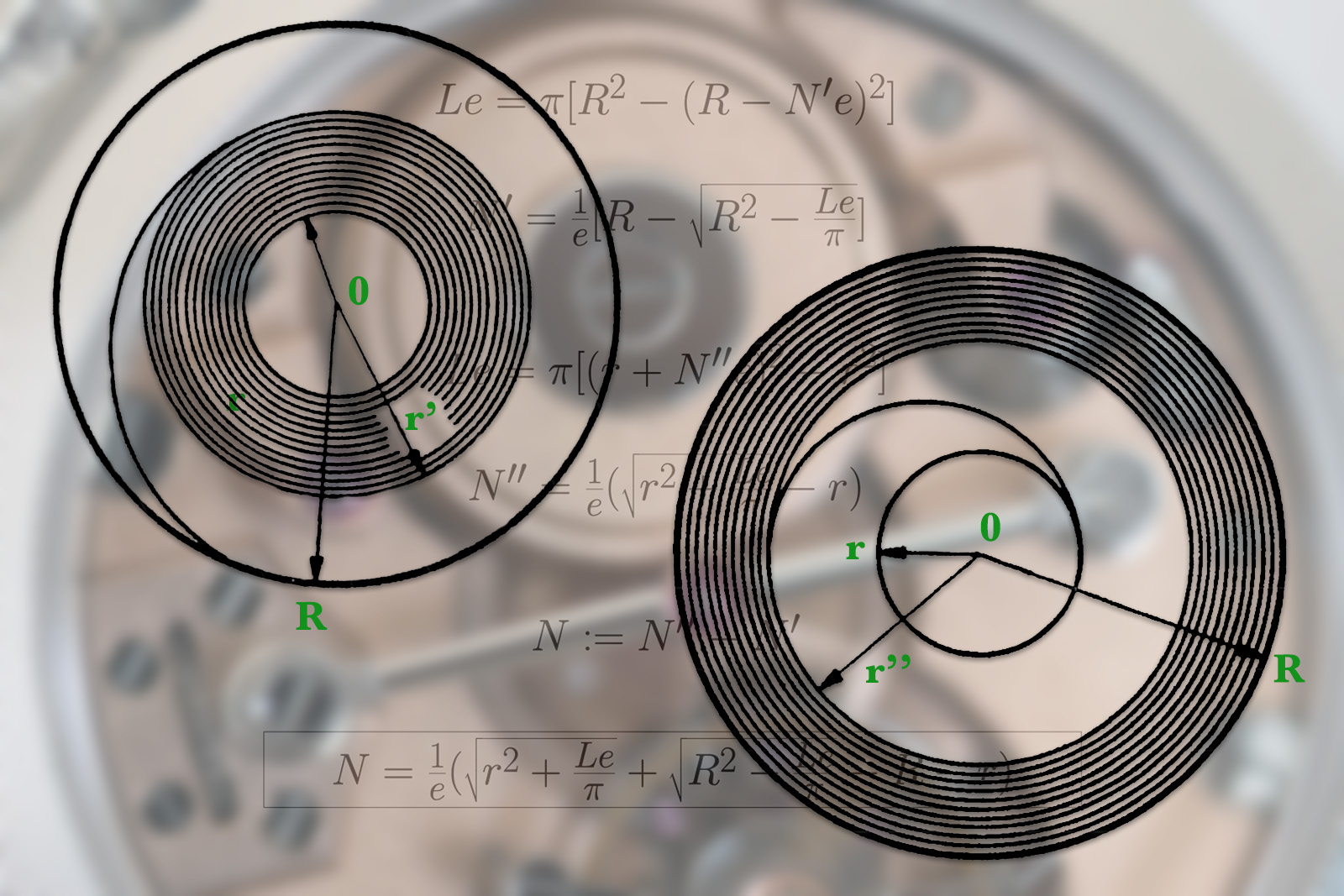
While the invention of the spiral hairspring by Christiaan Huygens in 1675 kickstarted a revolution in terms of portable precision timekeeping, the concept was far from fully developed. It was arguably only with the later invention of the overcoil hairspring that the ideal oscillator in portable watches emerged. For many years horologists - theoreticians and artisans alike - worked to perfect the balance-hairspring assembly to optimise its performance, notably in terms of isochronism. True isochronism became a sort of holy grail for watchmakers all around the world, who all sought to ameliorate the inherent quirks of the sprung oscillator. The recent Breguet Soucription features an overcoil hairspring of non-magnetic Nivachron alloy The need for end curves The quest for isochronism was a true challenge for horologists. Isochronism is the ability of the balance-hairspring assembly the have the same period of oscillation for small and large amplitudes alike. In other words, the balance oscillation takes the same period of time regardless of the degree travelled. This is very important, since a balance usually swings with high amplitude with a fully wound mainspring and then runs at progressively smaller amplitude as the barrel unwinds. As a timepiece is required to keep good time regardless of  its winding state, an oscillator whose period is independent from its amplitude is needed. (Another solution to this is to optimise the energy delivery from the mainspring with a...