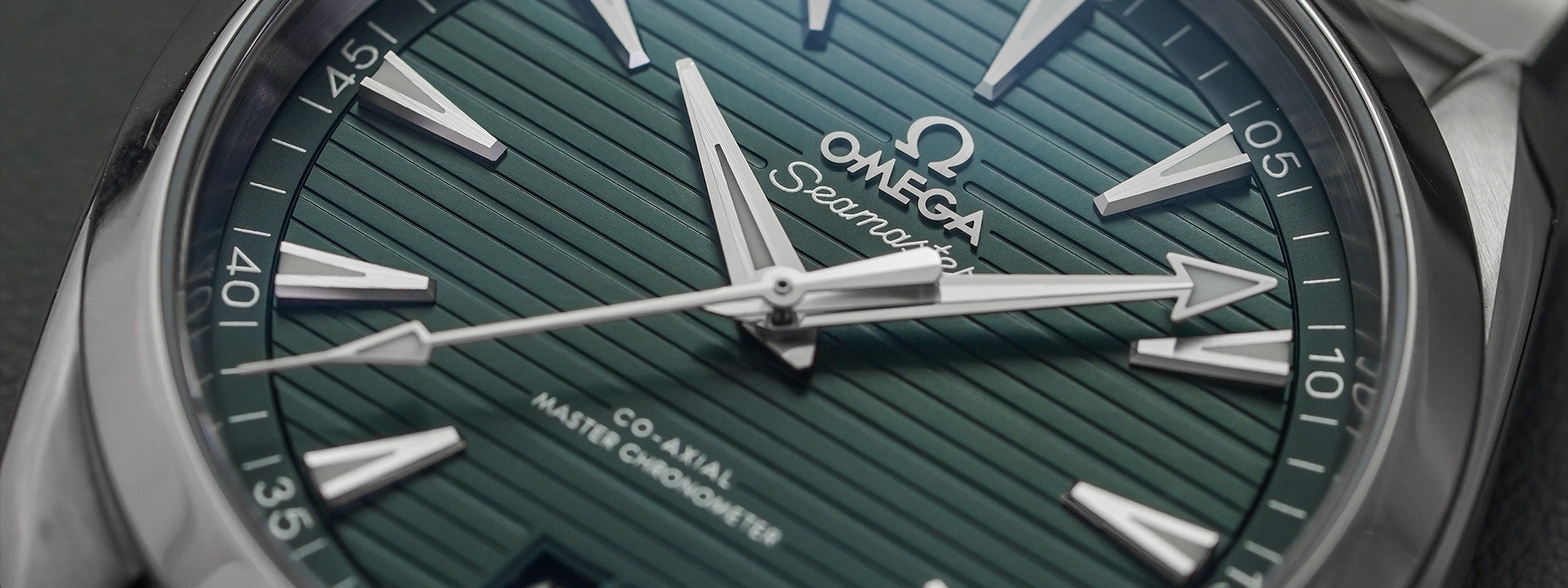
The standard Swiss lever escapement, invented by Thomas Mudge around 1755, has dominated mechanical watchmaking for over two centuries. It works through sliding friction: the lever's pallet jewels slide against the escape wheel's teeth as they unlock and impulse. The sliding requires lubricant; lubricants degrade over time; degraded lubricants increase friction; friction wears the components. This is why mechanical watches need service every 5-10 years.
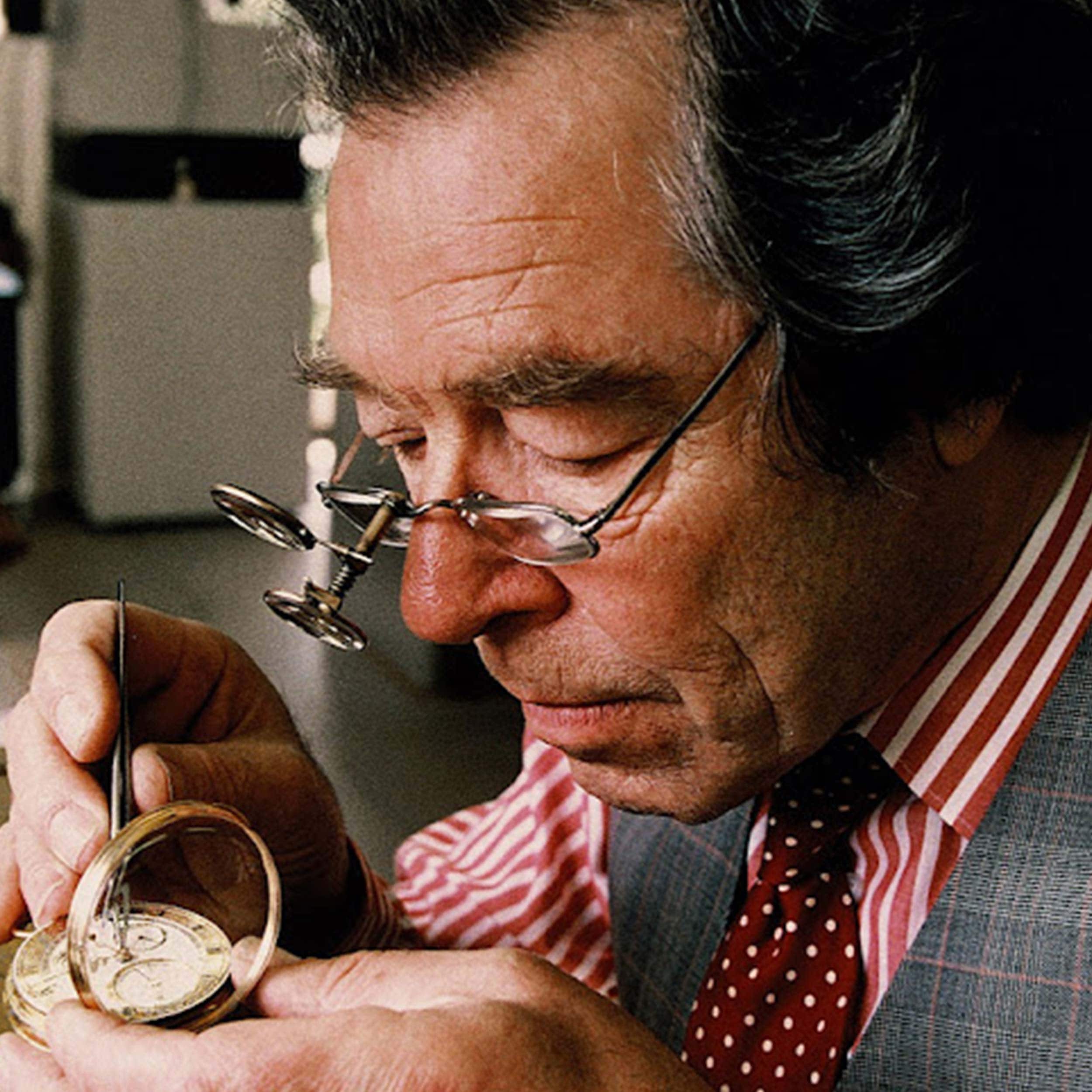
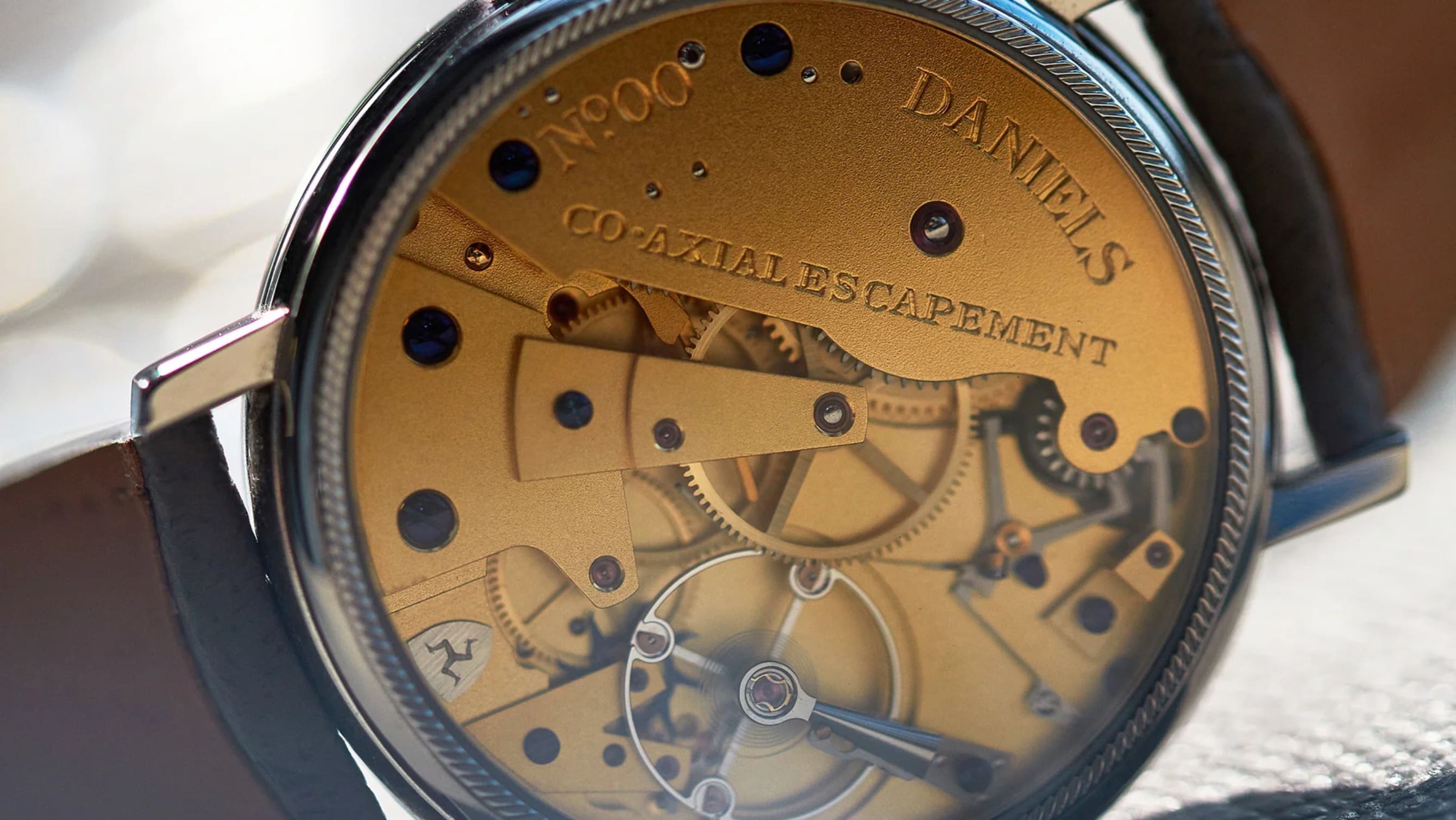
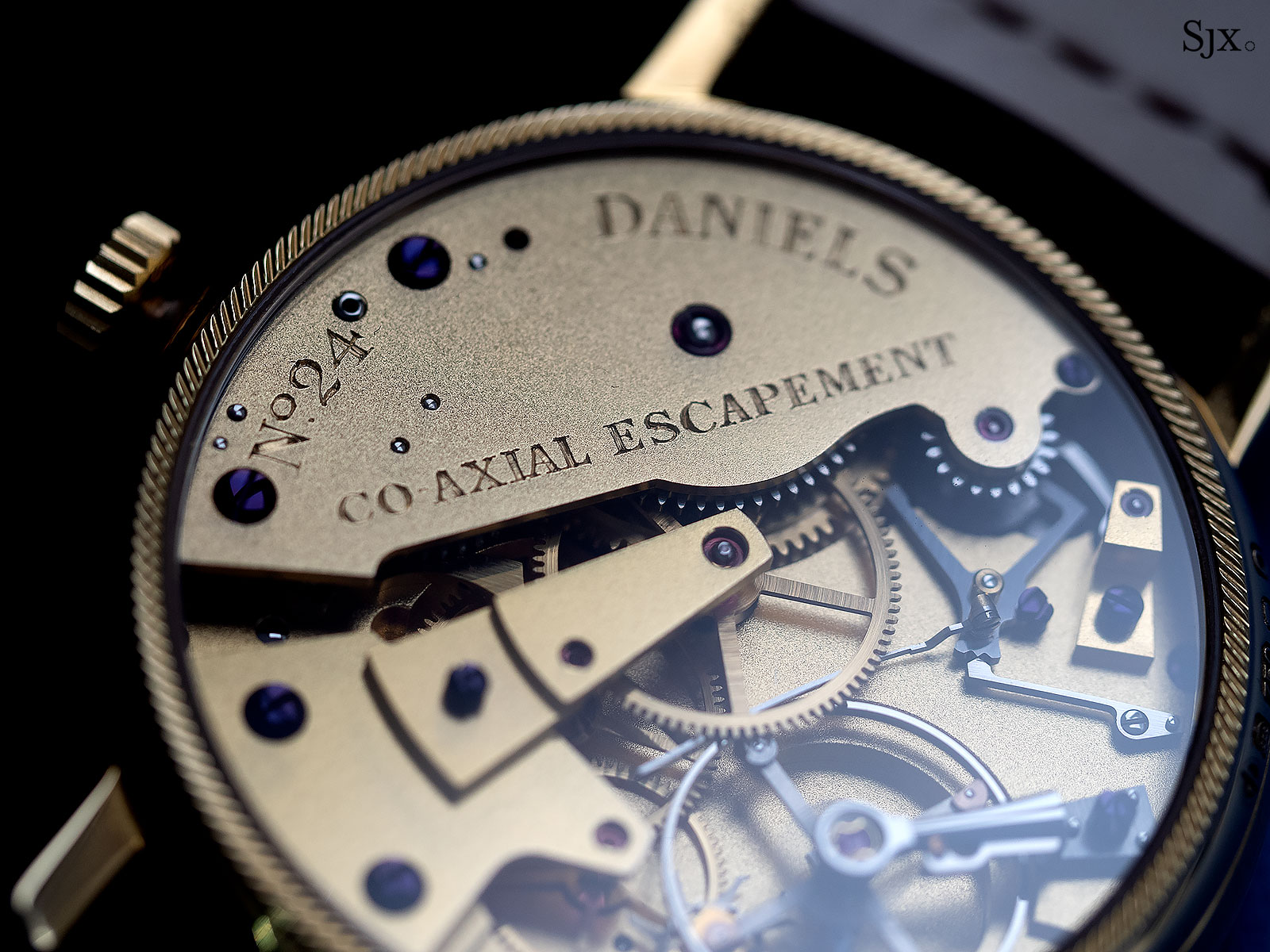
The co-axial escapement, invented by George Daniels in 1974, addresses this fundamentally. It uses three escape wheels stacked coaxially (one on top of the other) so that the impulse is delivered radially rather than tangentially: the pallet jewels strike the escape wheel teeth perpendicular to motion rather than sliding along them. The sliding component drops to near zero; lubricant becomes far less critical to performance.
"The co-axial is not just a different escapement, it's a different philosophy. The lever escapement was invented for a world without modern lubricants. The co-axial doesn't need them in the same way."- Omega technical communication on the co-axial transition
Daniels patented the design in 1980 and tried for almost two decades to license it to a major Swiss maker. Patek, Rolex, and others passed; Omega finally licensed in 1999. The first commercial co-axial Omega was the De Ville Cal. 2500 (a Cal. 2892 with co-axial conversion). Through the 2000s Omega refined the design and rolled it out across the catalogue; by 2007 the new in-house Cal. 8500 was a fully co-axial-native architecture.
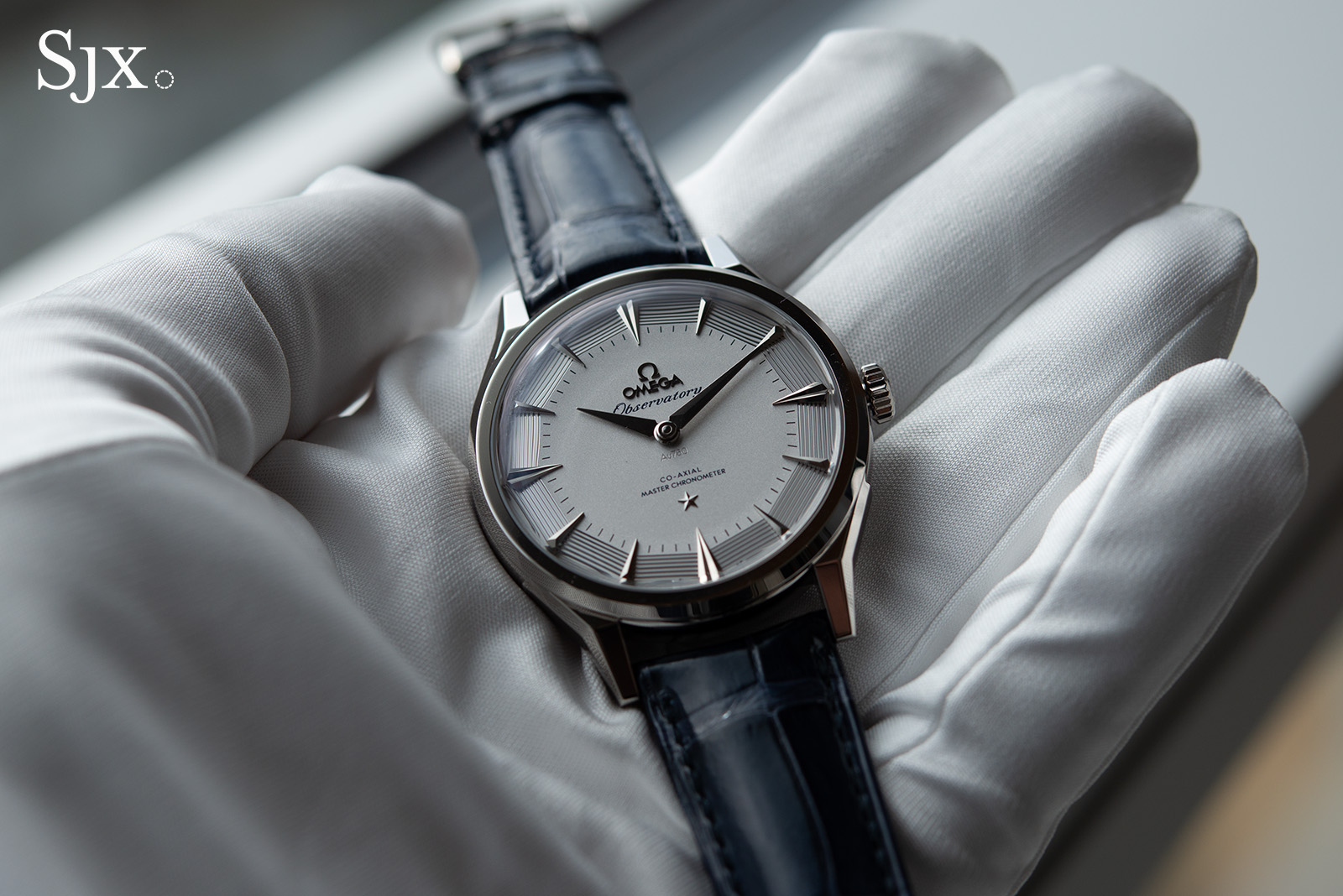
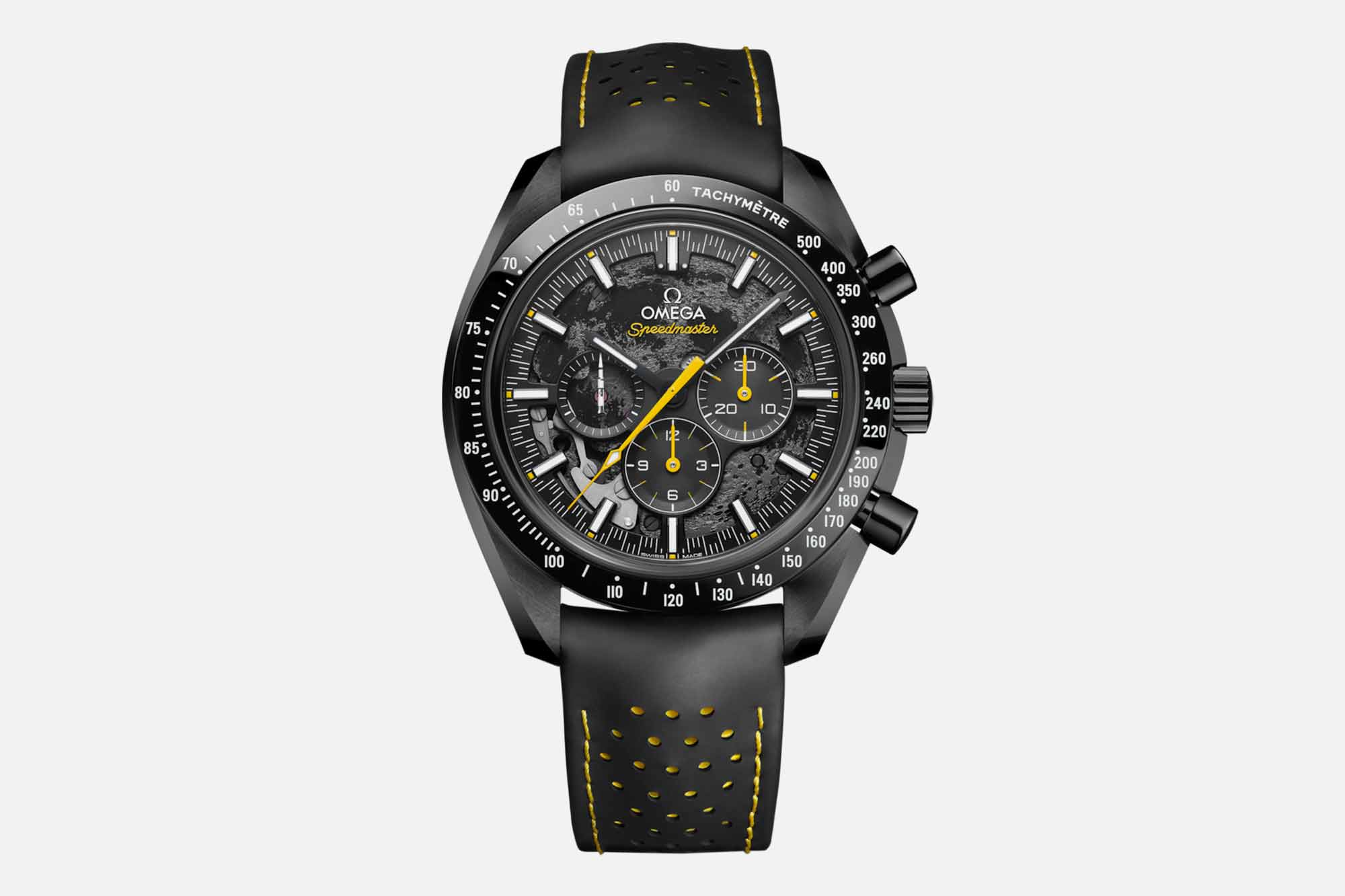
Modern Omega Cal. 8500 / 8800 / 8900 / 9300 / 9900 / 8520 / 8521 are all co-axial; they're the engines for the Aqua Terra, Seamaster, Speedmaster (3861 variant), Constellation, and most modern Omega chronograph references. The Master Chronometer certification (METAS, 2015+) validates these movements at the cased-watch level. Service intervals are quoted at 10 years rather than the traditional 5-7.


Comments 1