What it is
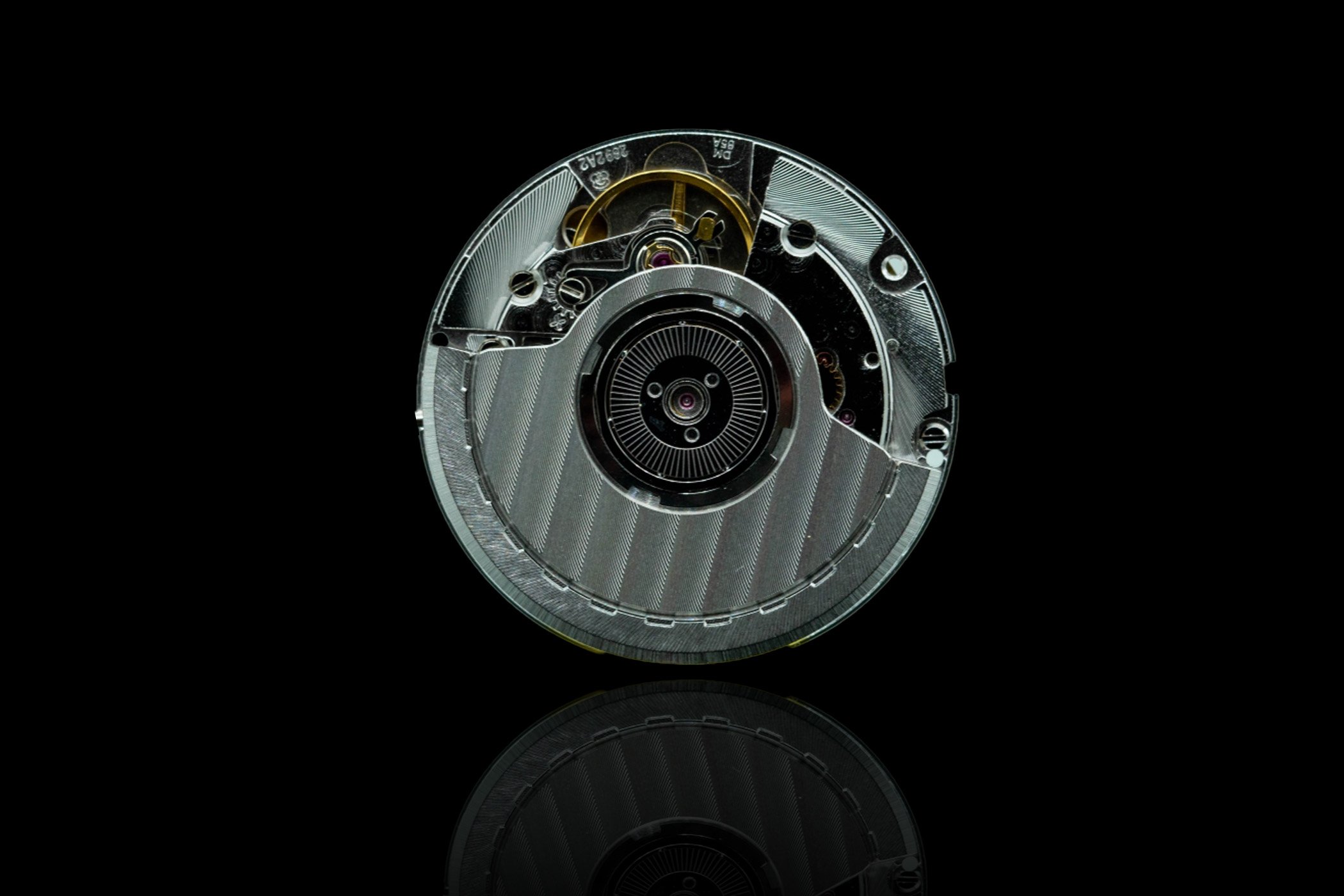
The ETA 2892 was developed by ETA SA in 1975 as a thin, robust, modular self-winding movement intended to compete with Japanese mass-production. The A2 revision arrived in 1983, fixing weaknesses in the original's ratchet wheel and adding a stronger keyless work. The architecture has been essentially unchanged for over 40 years, which makes it one of the longest-lived movement designs in modern Swiss watchmaking. ETA is owned by the Swatch Group, and through ETA the 2892-A2 has powered an enormous swath of the industry: anything from sub-CHF-1,000 microbrand divers to chronometer-grade pieces from IWC, Breitling, Omega Aqua Terra (pre-Master), Cartier, Hamilton, Tissot, Tudor (pre-MT5612), Longines, and on and on.
Why "thin" matters
At 3.6 mm thick, the 2892-A2 is roughly 1 mm thinner than its more-rugged sibling the ETA 2824-2. That millimetre is the difference between a 9 mm dress watch and a 10 mm dress watch; meaningful at this size. The thin profile also makes the 2892-A2 the favourite base for complication modules: chronograph modules from Dubois-Dépraz (the most famous being the DD 2020/2030 atop a 2892, used by IWC, Cartier, Bulgari, Vacheron, even Patek pre-CH 28-520), perpetual calendar modules, GMT modules, world-time modules. The 2892-A2 is the universal Lego baseplate of the Swiss industry.
"Top", "Élaboré", "Standard", "Chronometer"
ETA grades the 2892-A2 in tiers based on regulation precision and finishing. Standard: rough regulation, basic finishing, the cheapest ex-factory grade. Élaboré: better regulation (-7/+20 to -4/+15 sec/day), basic decoration, used in mid-tier brands. Top: tighter regulation (-4/+6), Glucydur balance, Anachron hairspring, blued screws, perlage / Geneva stripes finishing. Chronometer: COSC-tested, individually regulated and certified to -4/+6. Brand-modified versions (Omega 1120, Omega 2500 with co-axial conversion, Tudor 2671, IWC 887xx/89000 with in-house automatic winding) are based on Top or Chronometer grades.
The supply-restriction story
For three decades, the 2892-A2 was sold openly to anyone who asked. From 2002 onwards, Swatch Group started restricting external sales to drive its sister-brand Sellita to develop alternatives and to push its own Tissot/Hamilton/Mido brands to higher volume. By 2020, ETA only supplied the 2892-A2 to companies it had pre-existing contracts with. Result: Miyota and Sellita filled the gap for the microbrand market, and Sellita's SW300 (a near-clone of the 2892-A2 architecture) is the de-facto modern replacement. The 2892-A2 itself is alive and well inside Swatch Group brands and the few external customers (IWC for some entry-tier pieces, Breitling for a small slice of catalogue) that maintained their contracts.
Watches that have used it
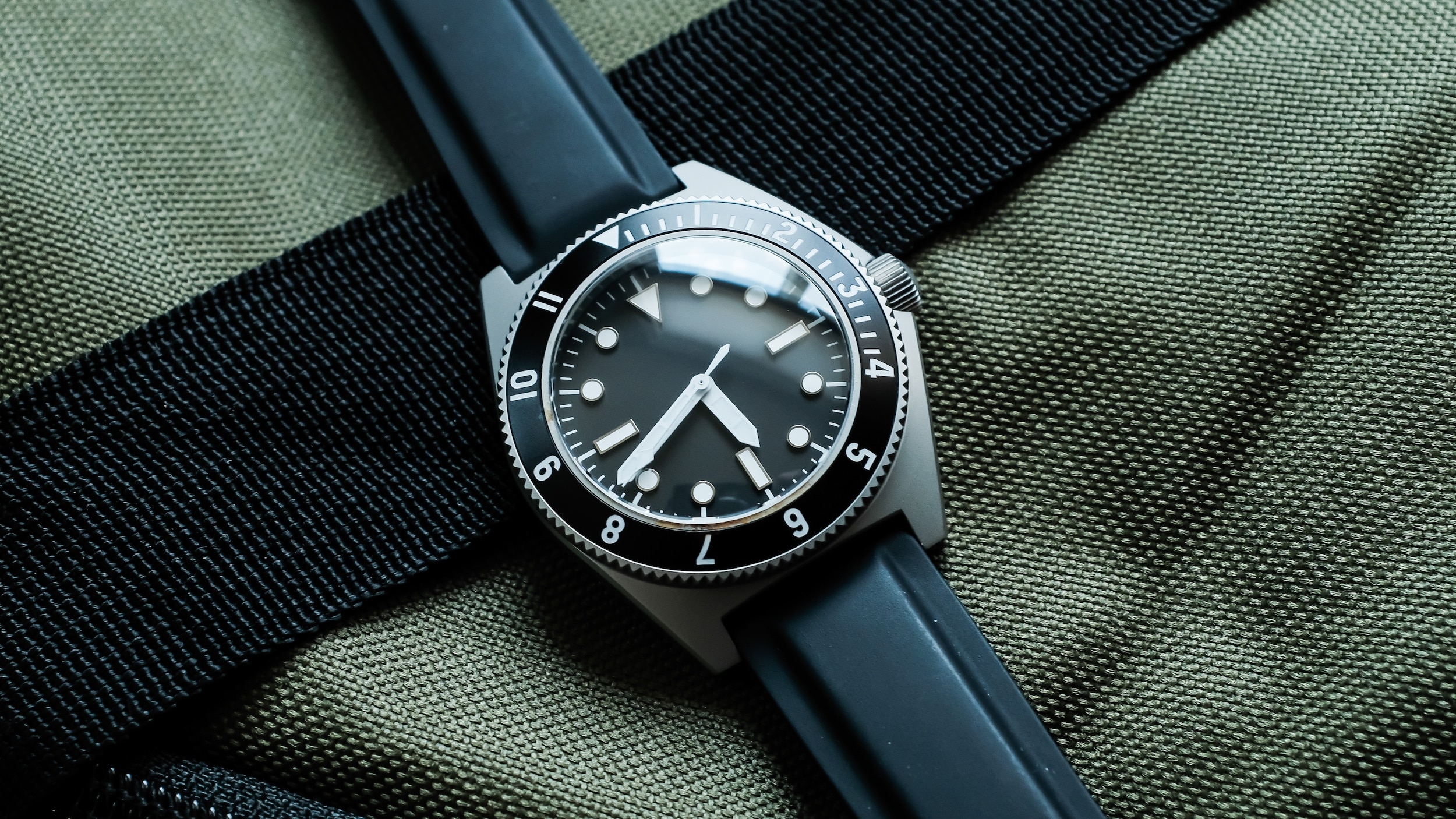
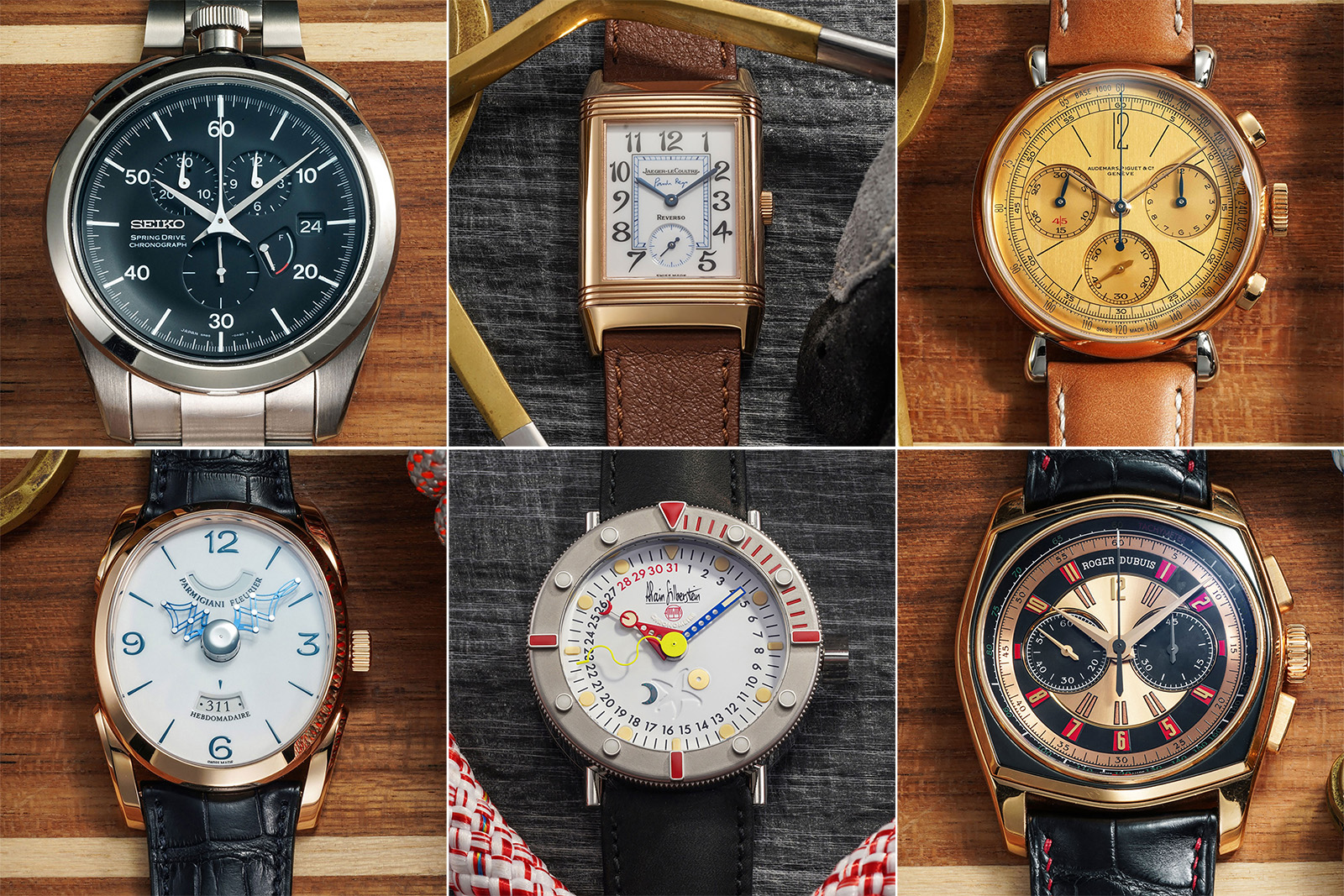
IWC Mark XV/XVI/XVII pilot watches, IWC Portofino time-only, Cartier Tank Solo (modern), Cartier Pasha (some refs), Breitling Avenger time-only, Omega Aqua Terra 8500-predecessor, Omega Seamaster Aqua Terra 2500 (with co-axial conversion), Tudor Heritage Black Bay (pre-2016 MT5612), Tudor Pelagos (pre-MT5612), Hamilton Khaki Field (mechanical pre-H10), Tissot Chemin des Tourelles, Longines Master Collection (some refs), Junghans Max Bill, Sinn 556, and a long list of microbrands. If a Swiss-made automatic 3-hand watch from 1985-2015 is sub-CHF 5,000 and not a chronograph, statistically it is probably running a 2892-A2 base.
Service notes
The 2892-A2 is the most-serviced mechanical movement in Switzerland; every independent watchmaker can service one, parts are universally available, and a CHF 250-400 independent service brings it back to factory spec in 4-6 weeks. Brand service is more expensive (CHF 500-900) and adds the brand warranty. The mainspring is the only part that always gets replaced; jewels typically last decades; the rotor bearing is the next thing to wear. Service interval: every 5-7 years for daily wear, 8-10 if the watch sits in a winder. Compared to modern silicon-hairspring movements, the 2892-A2 is more magnetism-sensitive: a steel Nivarox hairspring will pick up a noticeable rate shift if you leave the watch on a speaker. Easy fix: any watchmaker can demagnetise in 30 seconds for under CHF 50.


Comments 1