
Enamel is powdered glass fused to a metal substrate by high-temperature firing. The technique dates to 4th century BCE Greek and Egyptian metalwork; medieval Christian artisans developed it into a fine-art craft for religious objects; modern haute-horlogerie inherited the tradition for dial-making. The defining property of enamel is permanence: properly fired enamel is chemically stable for centuries with no colour fade, lacquer degradation, or print wear.
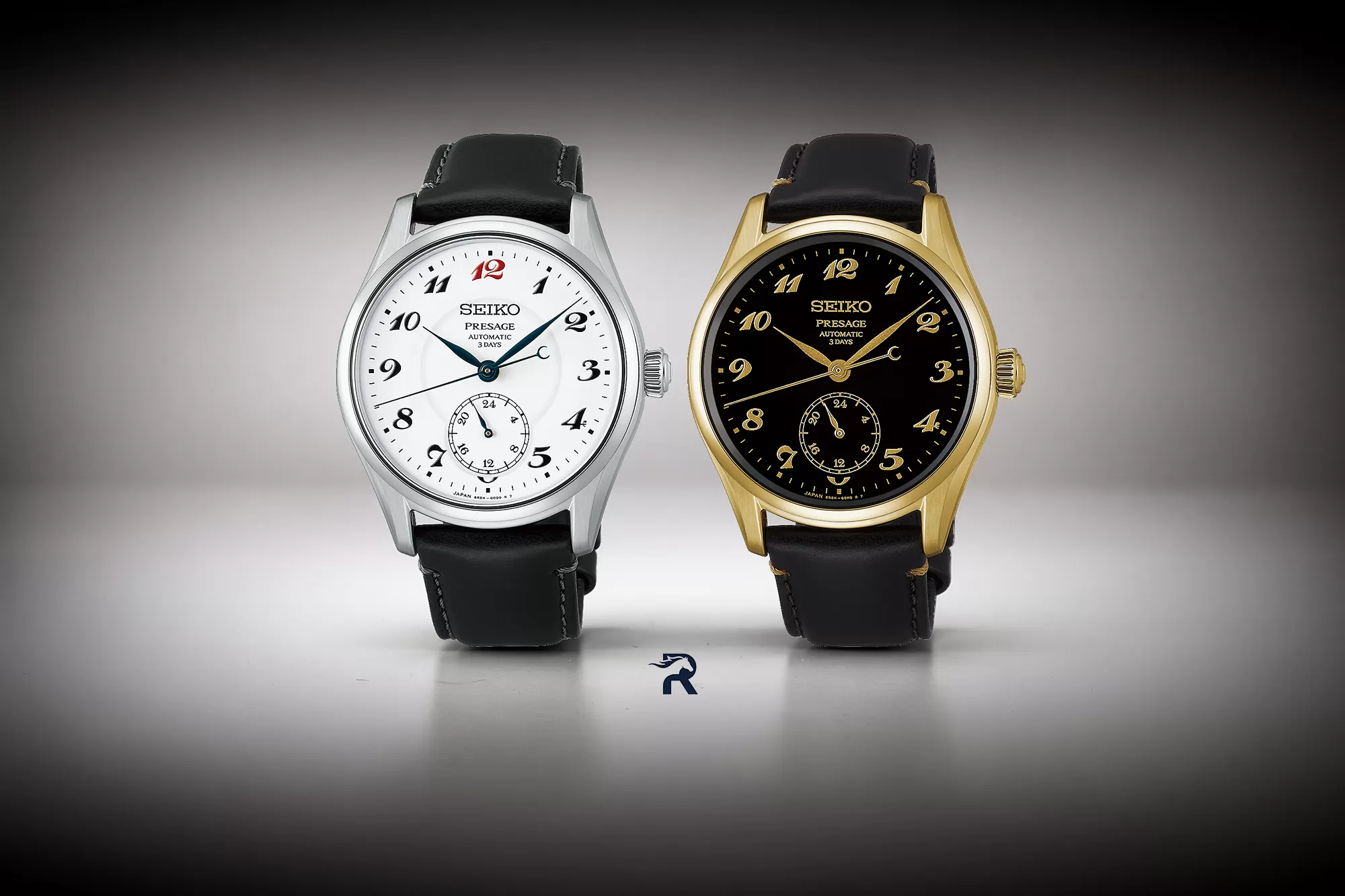
Grand Feu is the most-used technique. Powdered enamel is sifted onto the dial substrate, then fired at 800-900°C for short cycles. Each firing fuses the layer; 5-7 firings per dial build up the final thickness. Grand Feu is most associated with Patek Philippe Calatrava and Lange dial work; the surface has a deep, almost three-dimensional quality unique to fired enamel.
"Powdered glass on metal at 850 degrees. Five firings. Two hundred hours of work. One mistake at any step and the dial is rubbish. That is enamel."- Enamel-dial specialist on the technique
Champlevé uses engraved recesses filled with coloured enamel. The watchmaker engraves shallow compartments into the dial metal, fills each with powdered enamel of the desired colour, and fires; multiple firings build up colour depth. Modern champlevé references are made by JLC, Vacheron Métiers d'Art, Cartier Métiers d'Art animal-pattern dials.
Cloisonné uses gold-wire compartment walls hand-bent into the dial pattern, then filled with coloured enamel between the wires. The gold wires (cloisons) remain visible in the finished dial, giving cloisonné its distinctive bronze-line-on-coloured-glass appearance. Modern Cloisonné dials are made by Patek Calatrava world-time references and Vacheron world-time pieces.
Plique-à-Jour ("open to the light") is the rarest technique: enamel is fired into compartment frames without a metal backing, then the temporary backing is dissolved away leaving translucent enamel sections like miniature stained glass. The dial is visible from both sides; light passes through. Used in select Breguet, Cartier Métiers d'Art, and a handful of independent watchmakers (Anita Porchet for various brands).
For buyers, enamel dials are an explicit haute-horlogerie commitment: a Patek Calatrava with Grand Feu enamel dial costs CHF 25-50k more than the equivalent gilt-dial reference; cloisonné and plique-à-jour Métiers d'Art pieces sit at CHF 200,000-1M+. The visible difference is dramatic: enamel's depth, three-dimensional quality, and century-scale permanence are unique among dial techniques.





Comments 1