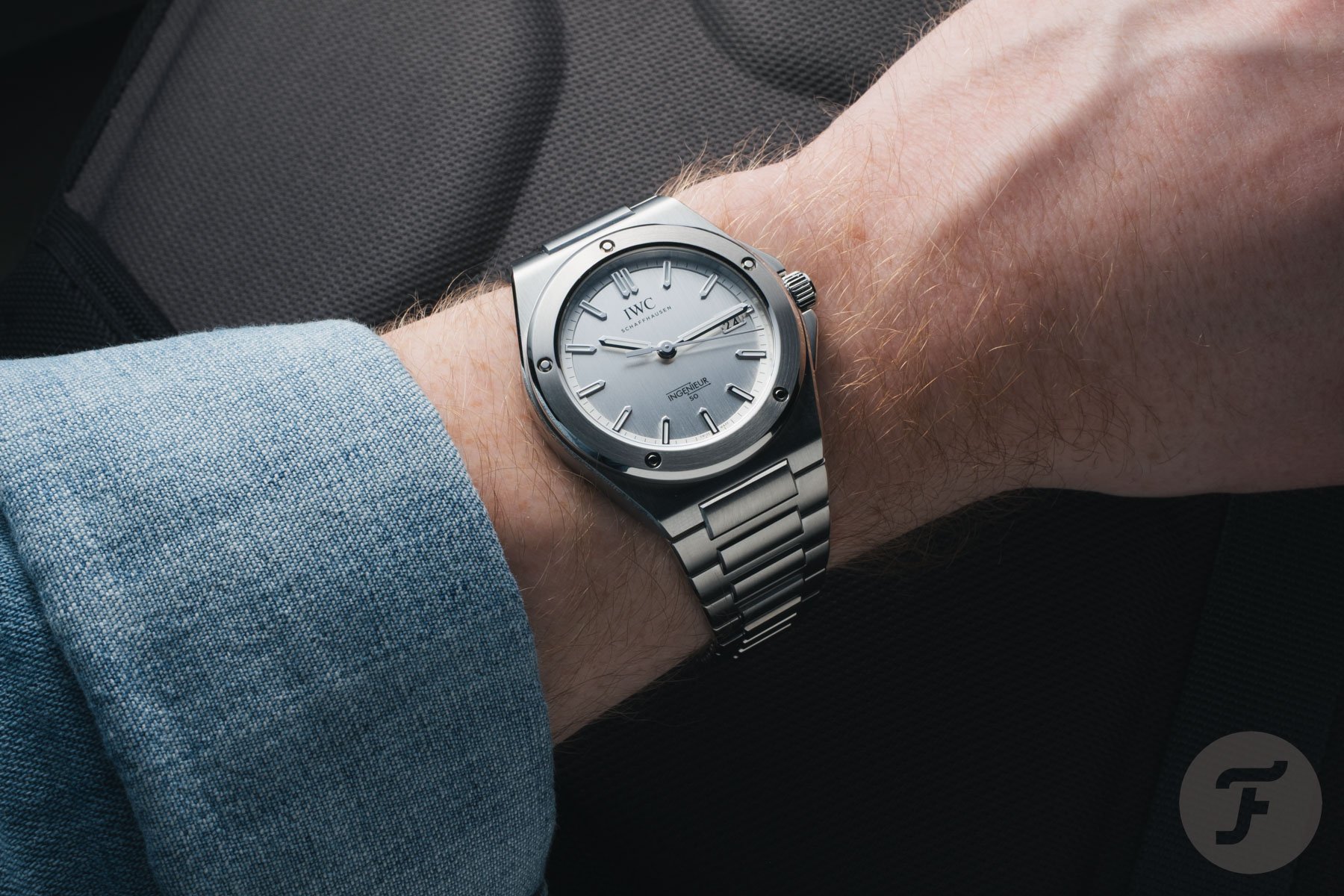
Gérald Charles Genta was born in Geneva on 1 May 1931 to a Swiss mother and an Italian father. He trained as a goldsmith and jeweller at the École des Arts Industriels in Geneva, completing his apprenticeship at the age of 20. That foundation in precious-metal craft, rather than in watchmaking, would shape every design he produced for the next fifty years: Genta approached the wristwatch as a piece of wearable sculpture first, and as a mechanical object second.
His first commissions came from Universal Genève in the mid-1950s, where he designed the Polerouter for the airline Scandinavian Airlines System (SAS) in 1954, aged only 23. The Polerouter's thin profile and micro-rotor automatic movement established his reputation as a designer who could translate technical constraint, in this case, magnetic resistance for polar flights, into visual elegance. Through the late 1950s and early 1960s he designed for Omega, Hamilton, Van Cleef & Arpels, and eventually Audemars Piguet, Patek Philippe, and IWC. By 1966 he was widely regarded as the most commissioned freelance watch designer in Switzerland, working with virtually every major house on a per-project basis from a small Geneva studio.
"Always the same. Thirty seconds to conceive. A watch has to be balanced. It is a very small surface: everything must be seen, everything must be refined." - Gérald Genta, on his design process
The period from 1966 to 1977 produced the run of designs that make the rest of the story. The Omega Constellation "C-Shape" (1966) pioneered the integrated-case idiom. The Patek Philippe Golden Ellipse (1968) built a reference watch from the golden ratio. And in the late summer of 1971, AP managing director Georges Golay asked Genta for a steel luxury sports watch for Basel 1972. Genta sketched the Royal Oak overnight, the design was complete, in technical-drawing form, the next morning. He was paid roughly 3,000 Swiss francs for what became the most influential watch design of the 20th century.
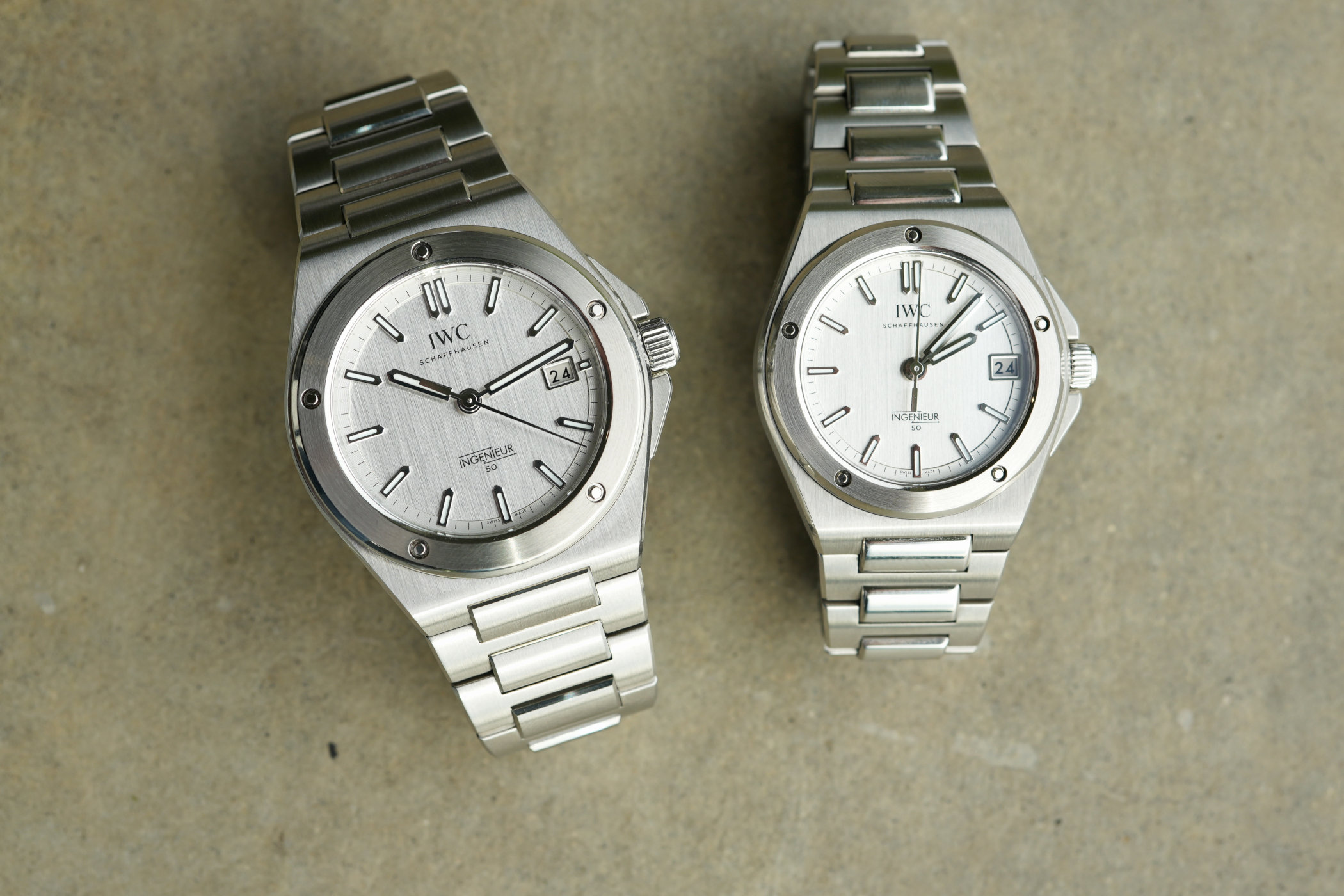
In 1974, Patek Philippe's Henri Stern approached Genta at Baselworld. The conversation, per Genta's own later telling, happened over dinner; he sketched the Nautilus on a restaurant napkin in five minutes. The watch launched in 1976 at 3,100 CHF, priced as "the world's most expensive steel watch". In the same three-year stretch Genta also produced the IWC Ingenieur SL (1974, an integrated-bracelet answer to his own Royal Oak) and the Bvlgari Bvlgari (1975, released 1977), a watch whose doubled engraved bezel turned a Roman goldsmith's house signature into product architecture. Four category-defining designs from a single designer in four years is unmatched in watchmaking history.
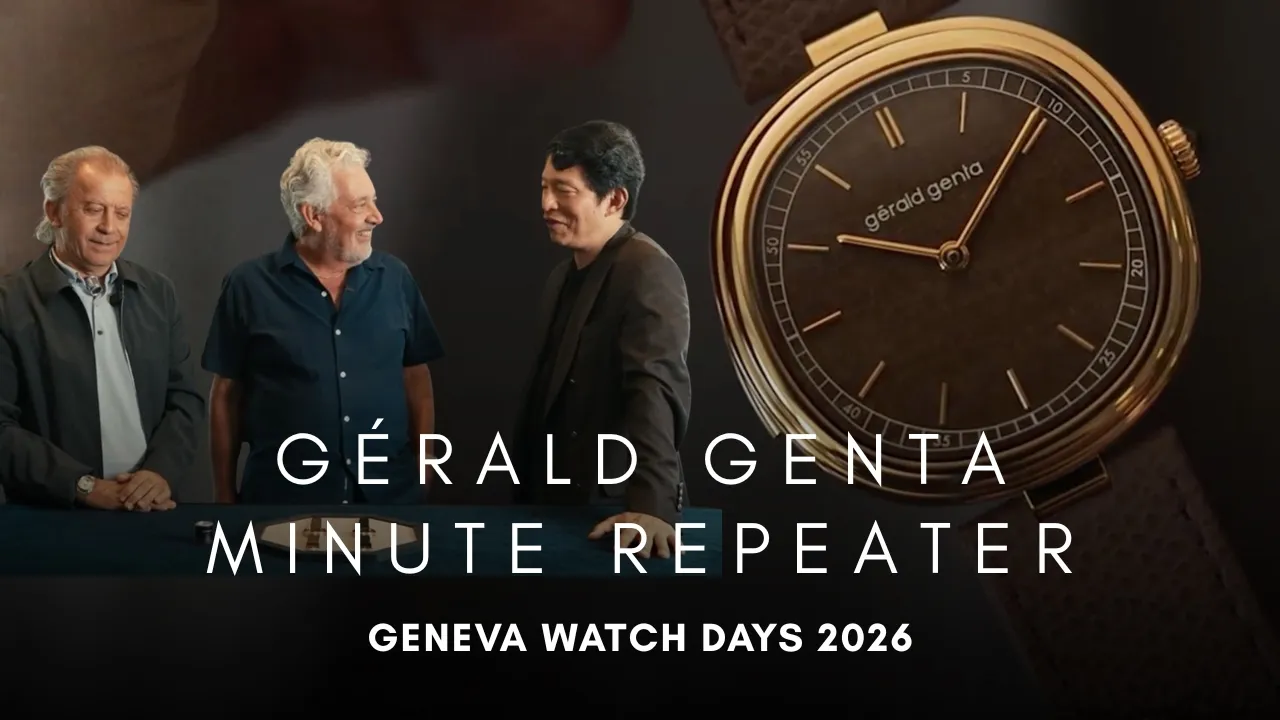
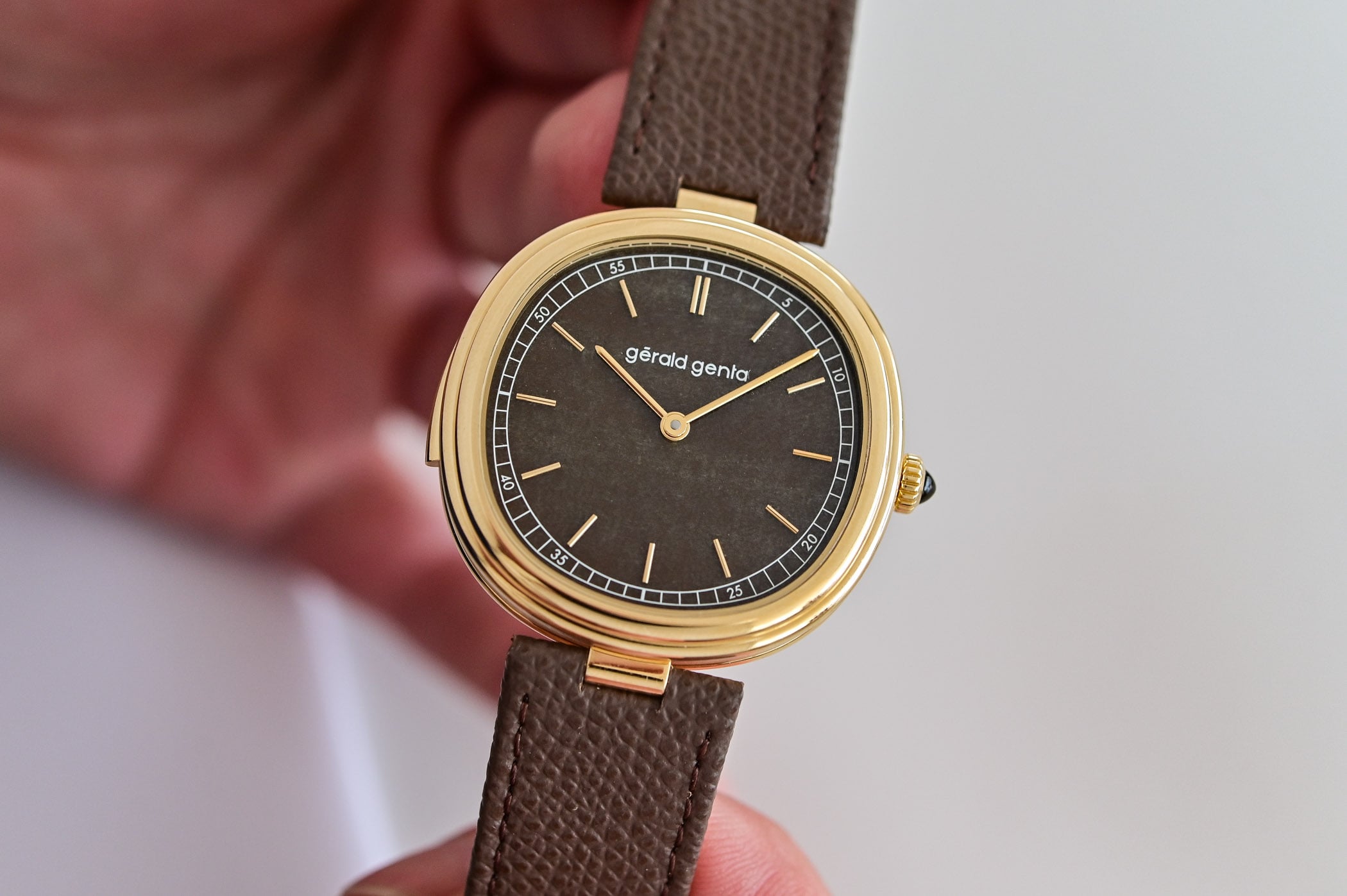
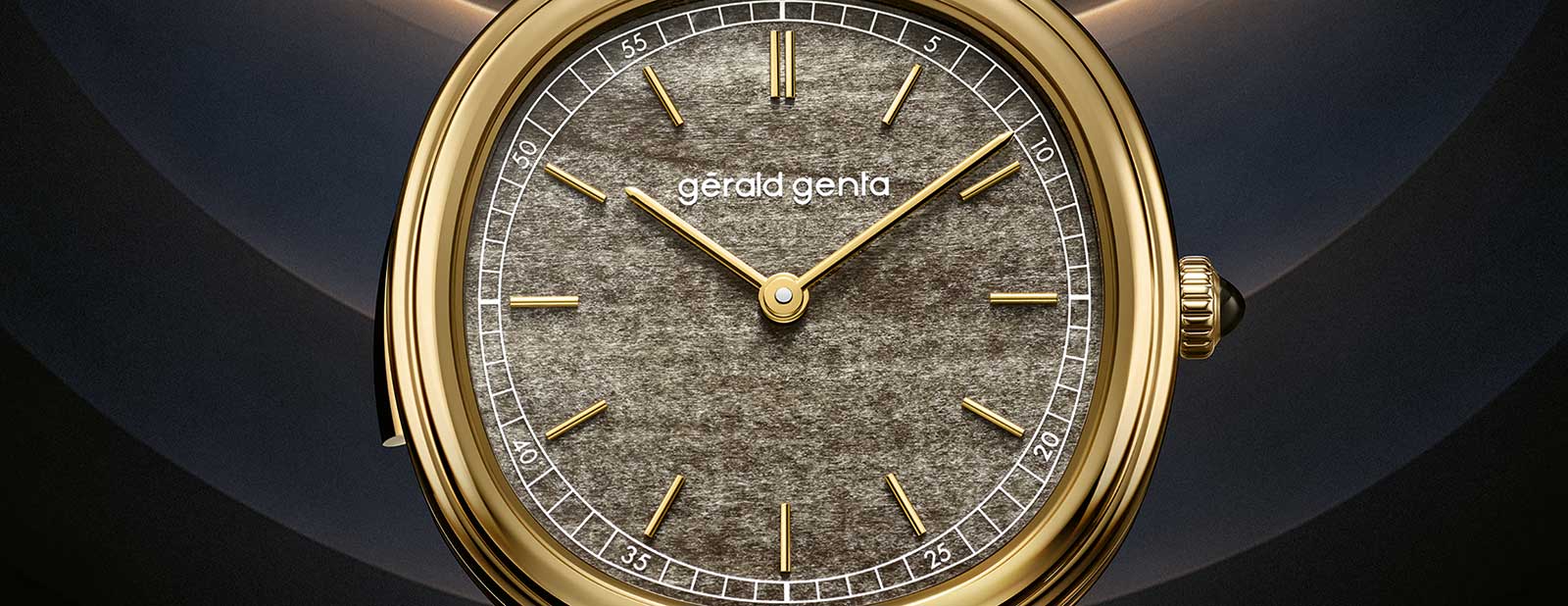
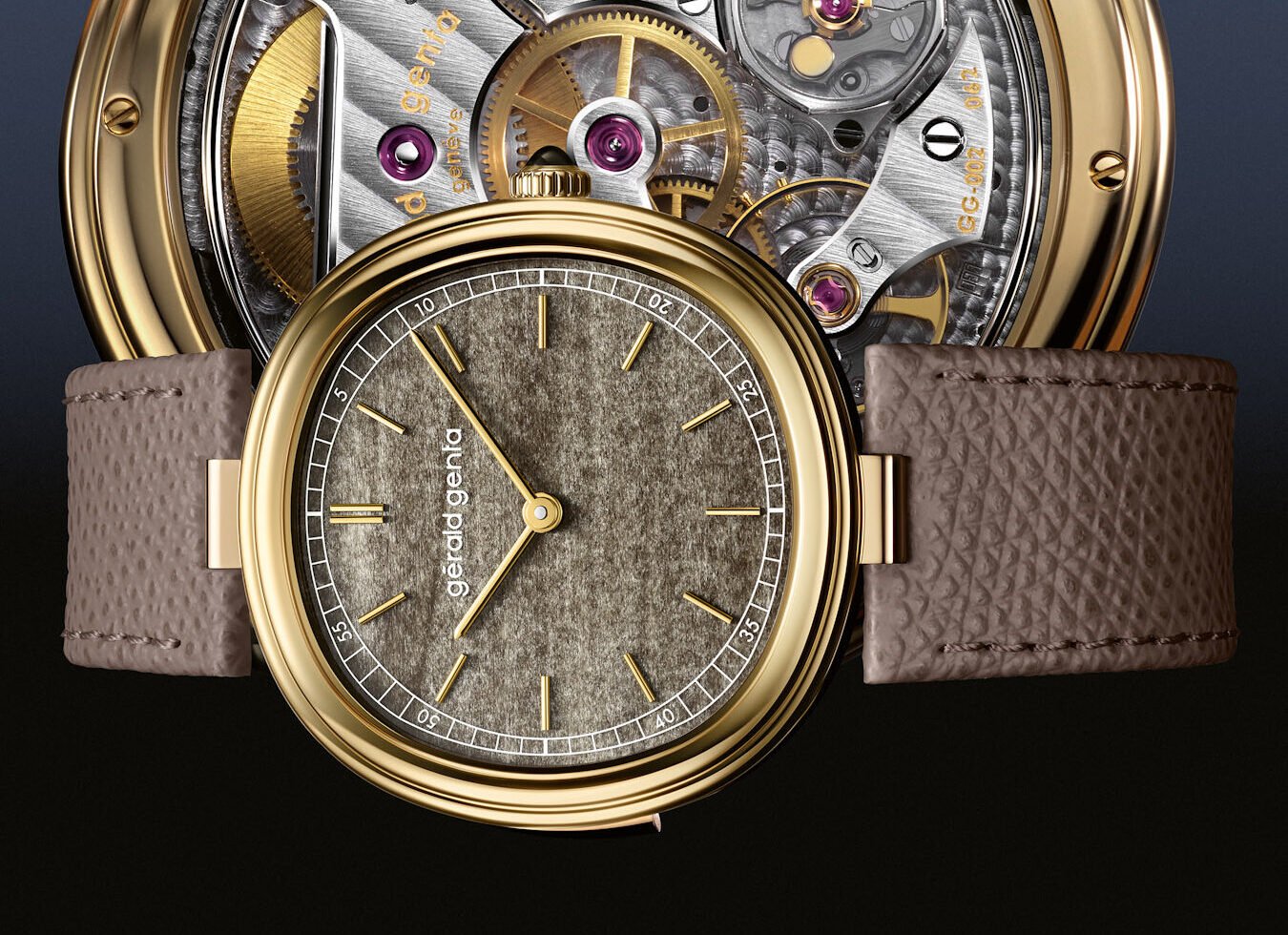
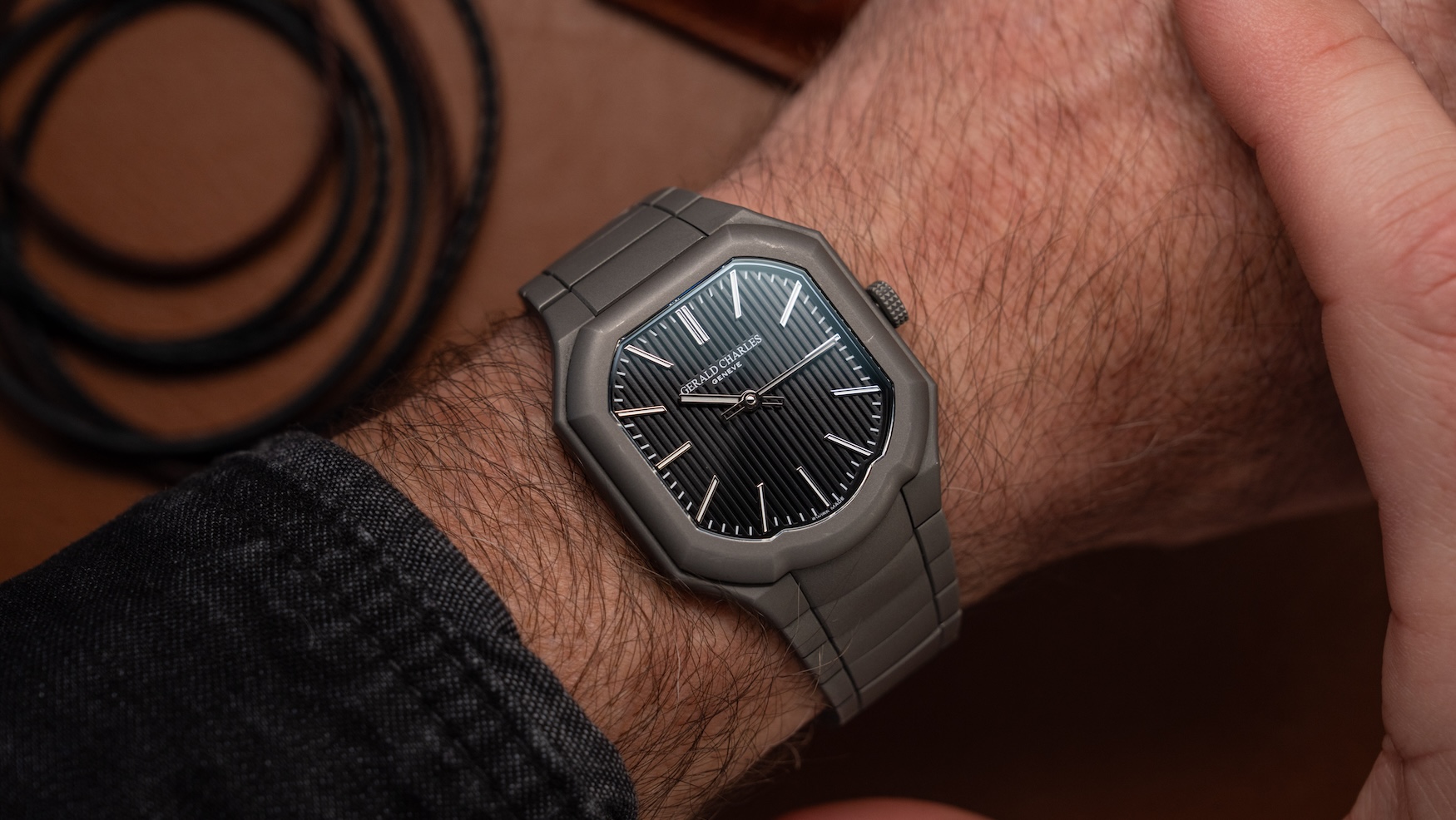
In 1969, alongside the commission work, Genta had founded his own eponymous brand. By the late 1980s, with the Swiss mechanical industry recovering from the quartz crisis, he began to move away from pure industrial design and towards haute horlogerie under the Gérald Genta label. The brand produced minute repeaters, tourbillons, grande-et-petite sonneries, and the Grande Sonnerie, which was briefly, during the mid-1990s, among the most complex series-production watches on the market. In 2000 Genta sold the brand to Bulgari; in 2003 he founded a second personal brand, Gérald Charles, whose Maestro and Masterlink collections remain in production today.
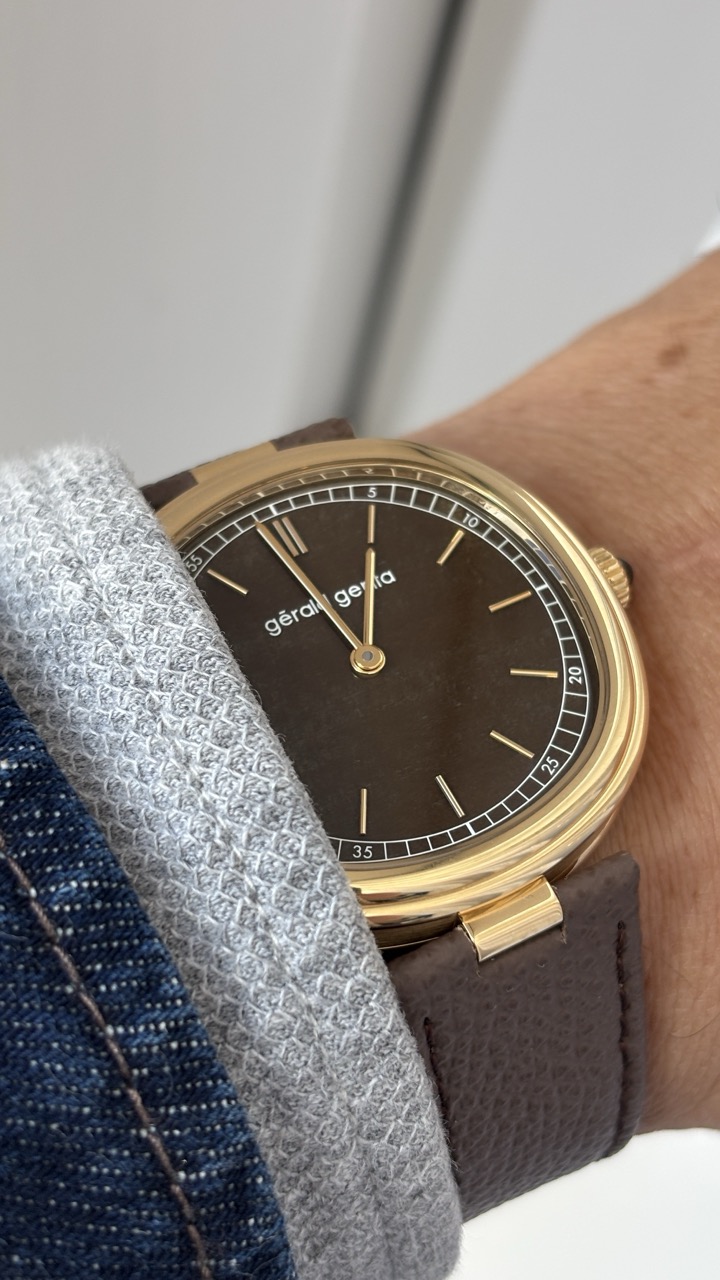
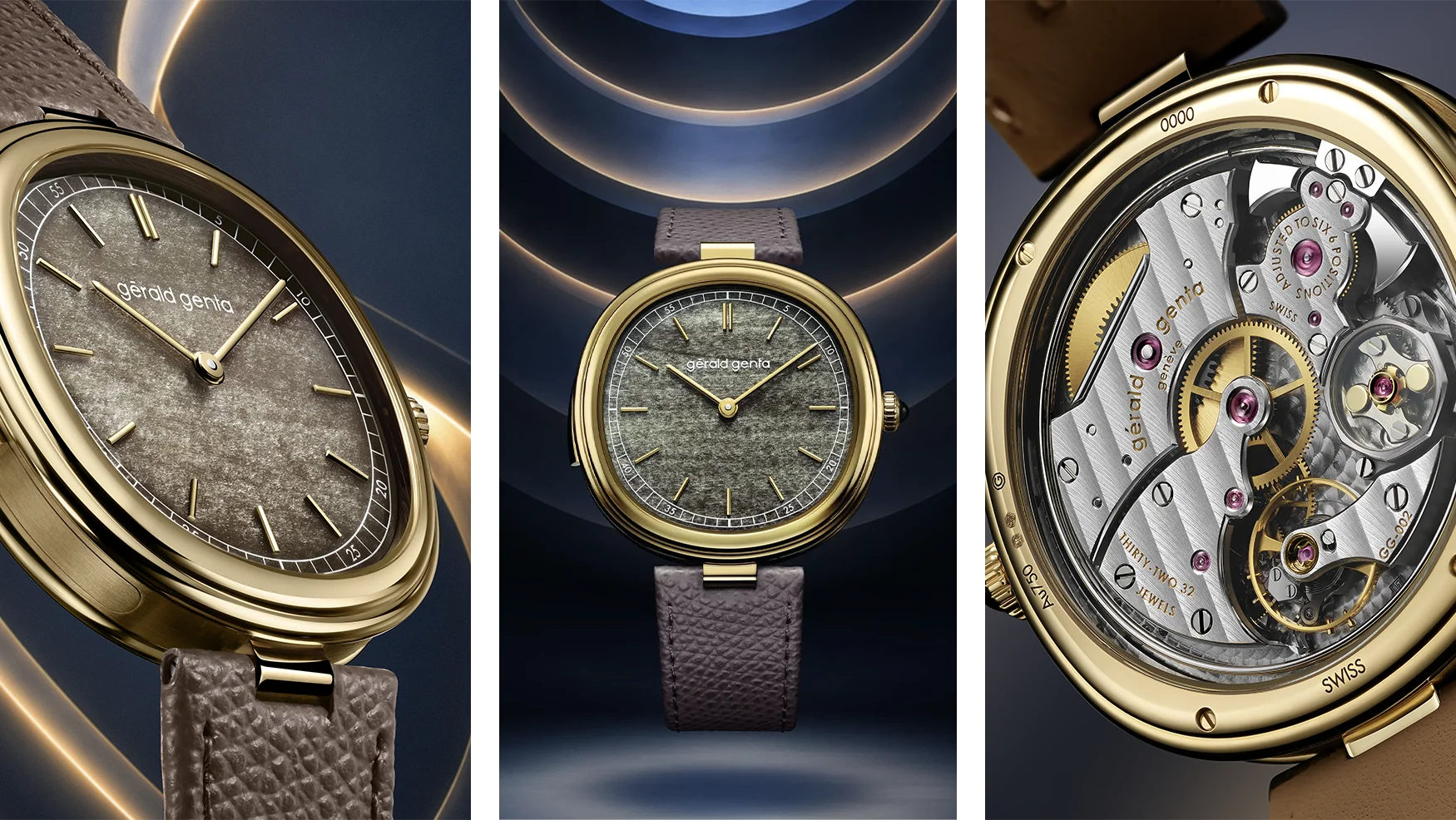
Genta died in Monaco on 17 August 2011, aged 80. In the decade since his death his industry stature has continued to grow rather than fade. Bulgari relaunched the Gérald Genta brand in 2019 with the Arena Bi-Retrograde. The Royal Oak and Nautilus have become the two most waitlisted watches on the planet. The Cartier Pasha returned in 2020. The Gérald Genta Heritage Association, founded by his widow Evelyne, stewards his archive of some 100,000 original drawings, a body of work that, across goldsmithing, jewellery, and watch design, spans the full second half of the 20th century. More steel sports watches worth more than a Ferrari trace back to Genta's pencil than to any other designer in history.


Comments 2