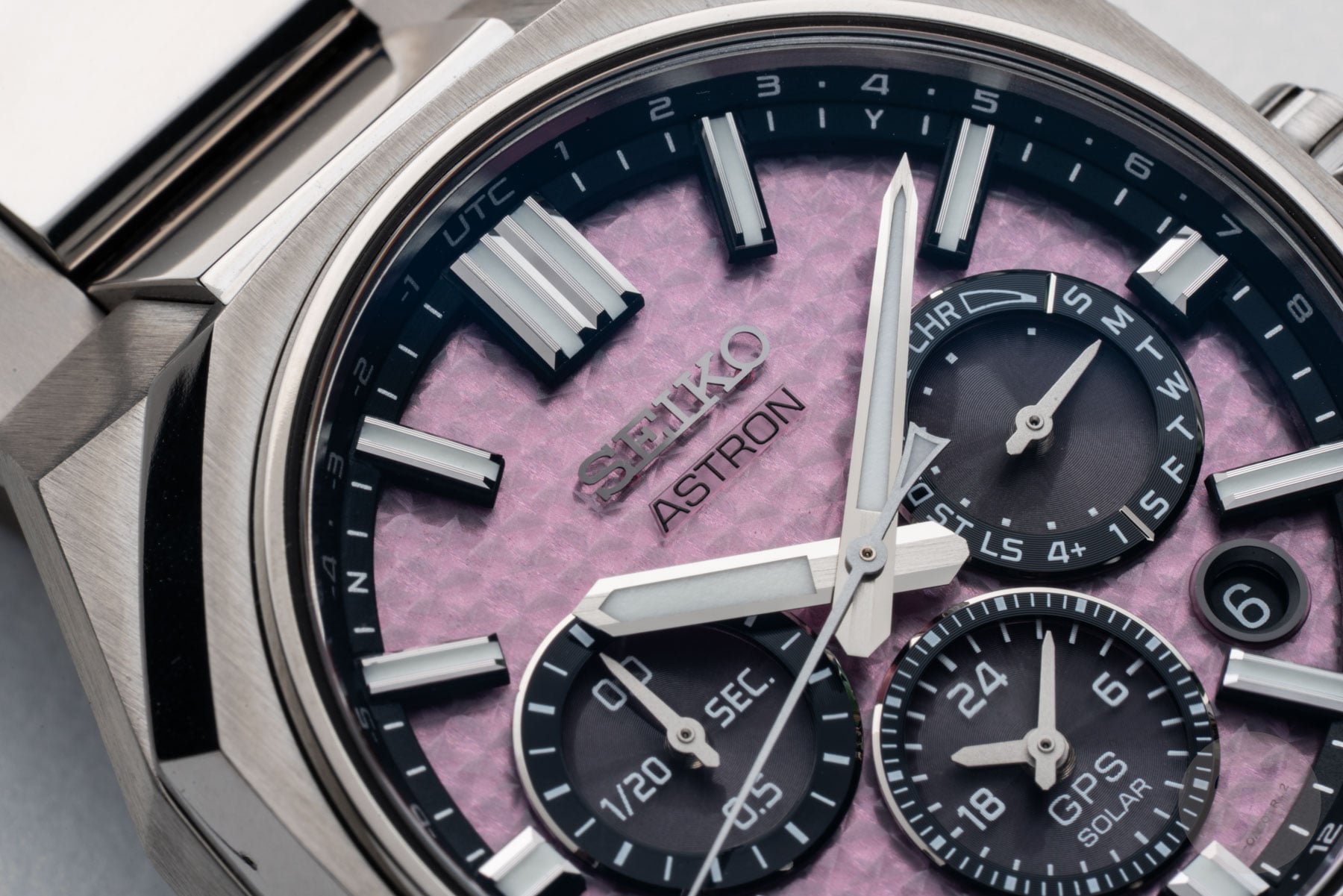
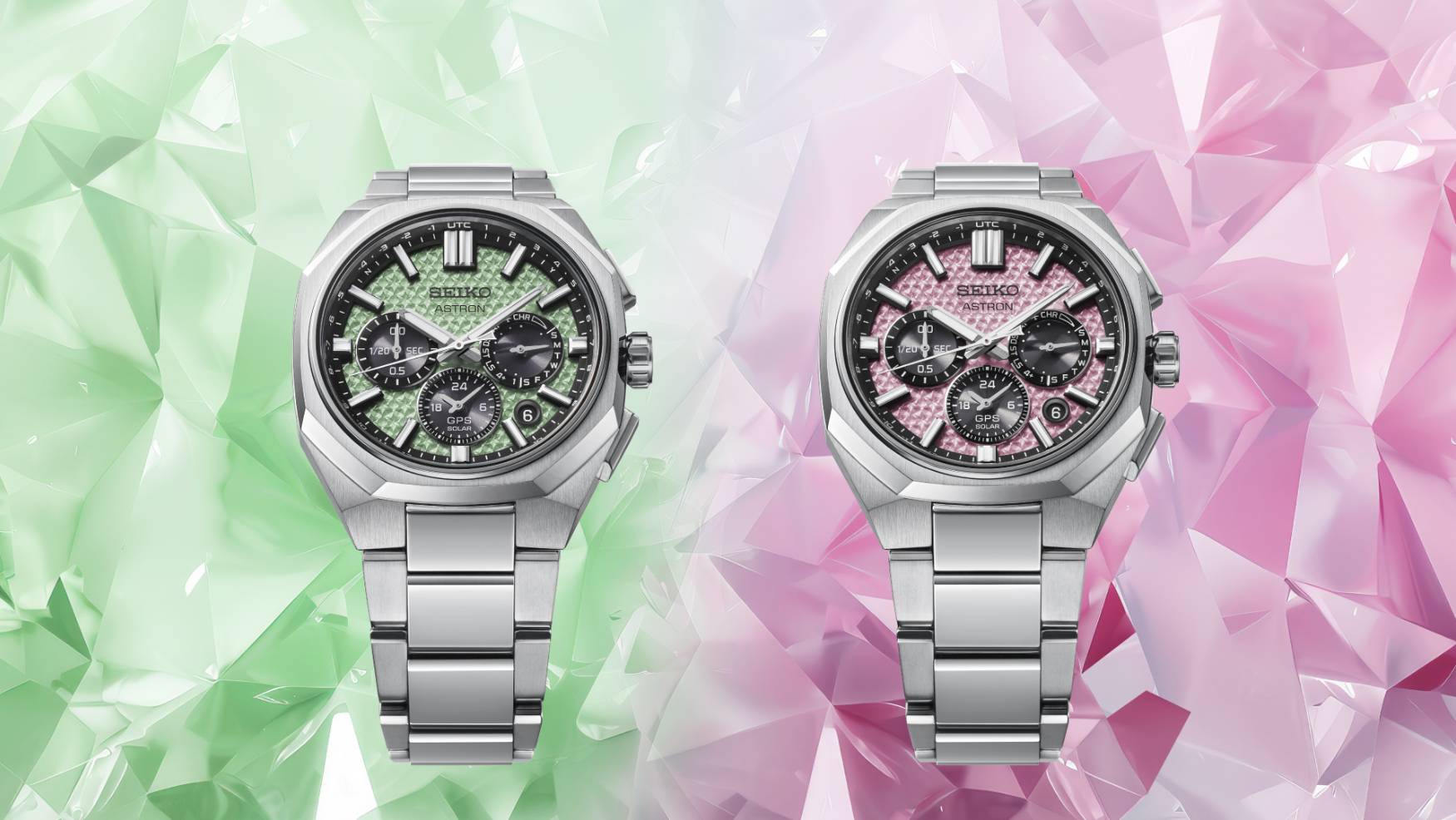
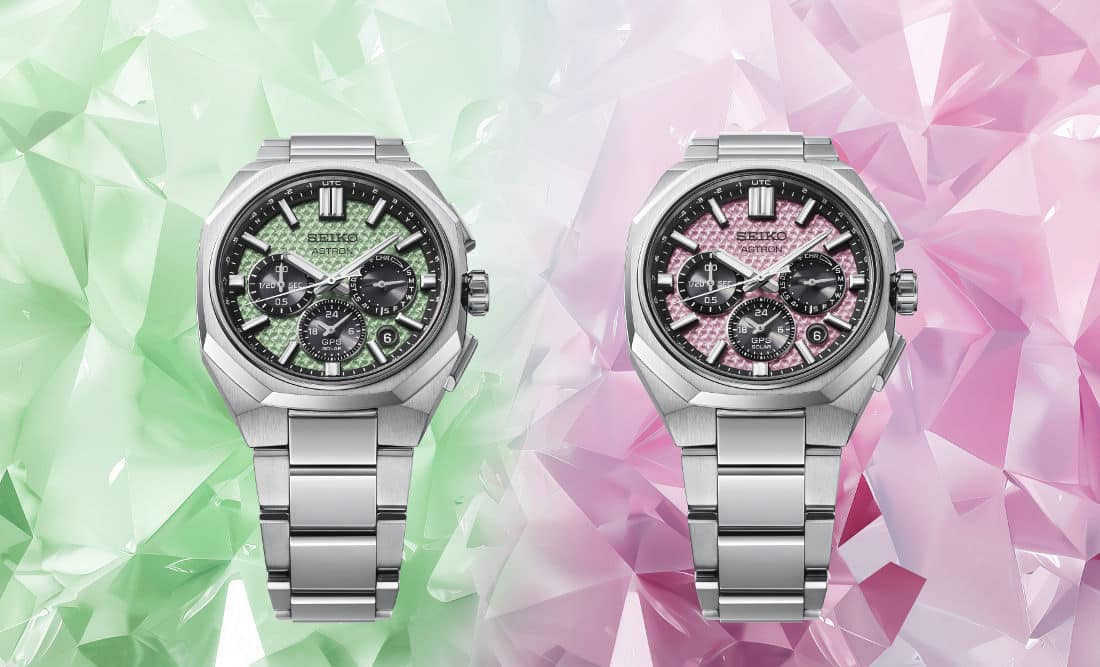
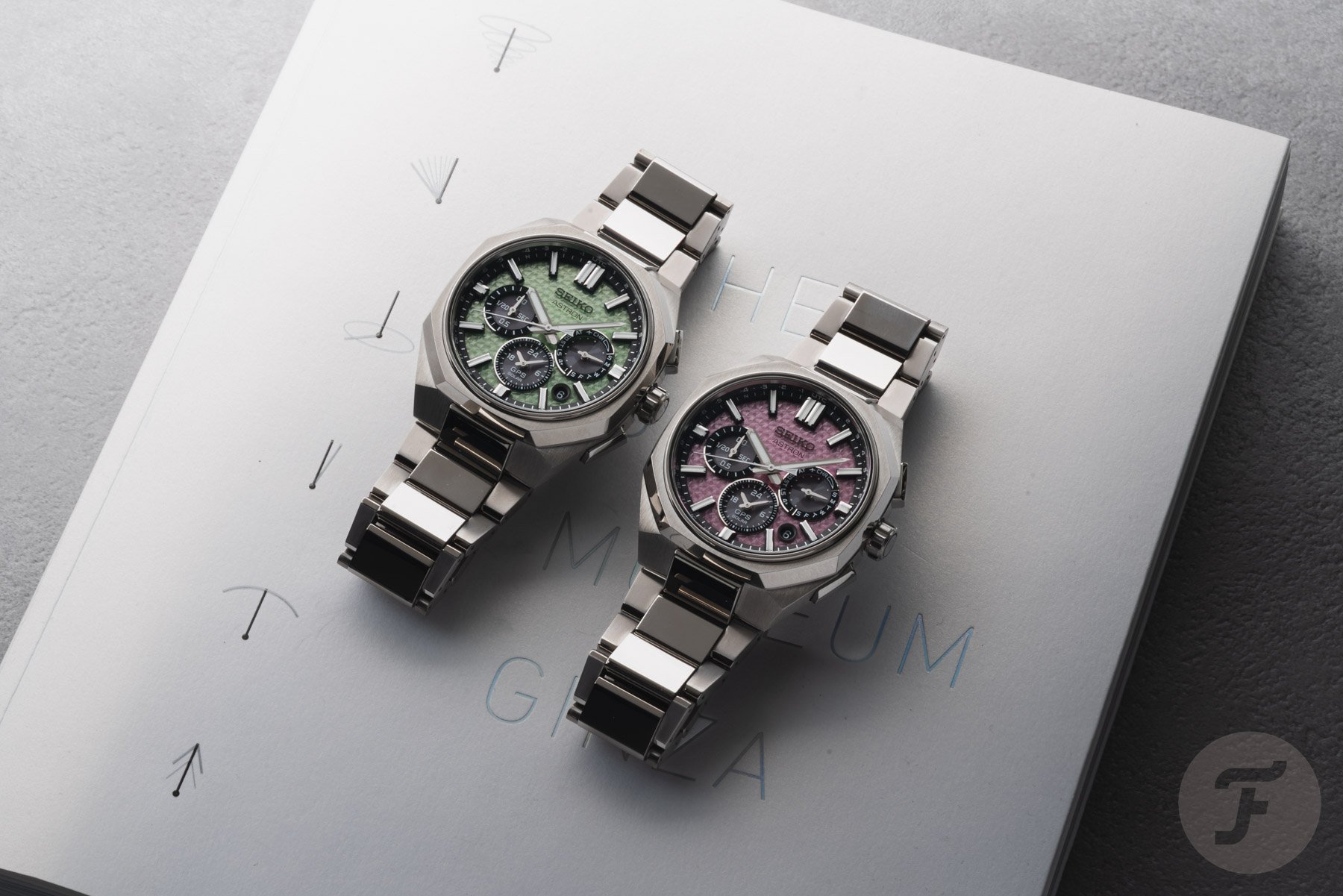
On 25 December 1969, in a small studio in Tokyo, Seiko released the Astron 35SQ, the world's first commercial quartz wristwatch. The watch retailed at ¥450,000, roughly the price of a Toyota Corolla, but it kept time to ±5 seconds per month, about 100 times more accurate than the best mechanical chronometers. Within 18 months Citizen, Casio, and Seiko itself had quartz watches on the market. Within five years, quartz had become the volume technology for wristwatches globally. Within fifteen years, the Swiss mechanical watchmaking industry had lost two-thirds of its workforce.
The Swiss response was slow and fragmented. The CEH (Centre Électronique Horloger) consortium in Neuchâtel had actually developed the Beta 21 quartz movement in 1969, before the Astron, but the Swiss houses hesitated to deploy it at volume, wary of cannibalising their mechanical calibre businesses. By the time they committed to electronic production in the mid-1970s, Japanese manufacturing scale was insurmountable. Between 1970 and 1983, Swiss watch employment collapsed from roughly 90,000 workers to 30,000, and the number of Swiss watch firms fell from about 1,600 to 600. Many famous brand names closed, merged, or were sold for nominal sums.
"Since 1735, there has never been a quartz Blancpain watch. And there never will be."- Jean-Claude Biver, Blancpain tagline, 1983
The casualty list was long. Blancpain closed entirely in 1983, its name acquired for roughly CHF 15,000. Vacheron Constantin, Audemars Piguet, and Jaeger-LeCoultre all came close to closure in the mid-1970s. Omega, Longines, Rado, and Tissot were consolidated into ASUAG and SSIH, two state-backed holding companies assembled to prevent outright bankruptcy. American watchmaking was essentially destroyed: Hamilton, Bulova, Elgin, Gruen, and Waltham either closed or sold their names abroad. The Swiss Jura towns of La Chaux-de-Fonds and Le Locle experienced economic conditions not seen since the 1930s Depression.
Individual acts of preservation now read as folklore. At Zenith, a watchmaker named Charles Vermot was ordered in 1975 to destroy the tooling for the Cal. 3019PHC automatic chronograph (the El Primero) because LVMH-predecessor ownership had decided mechanical chronographs had no future. Vermot hid the cams, jigs, and presses in the factory attic wrapped in curtains. When demand for mechanical chronographs returned in the 1980s, Zenith was the only manufacture with an automatic chronograph ready to reintroduce, and the El Primero went on to power the Rolex Daytona from 1988 to 2000. Variations of this story, hidden tooling, preserved notebooks, quietly continued hand-finishing, happened across the Jura.
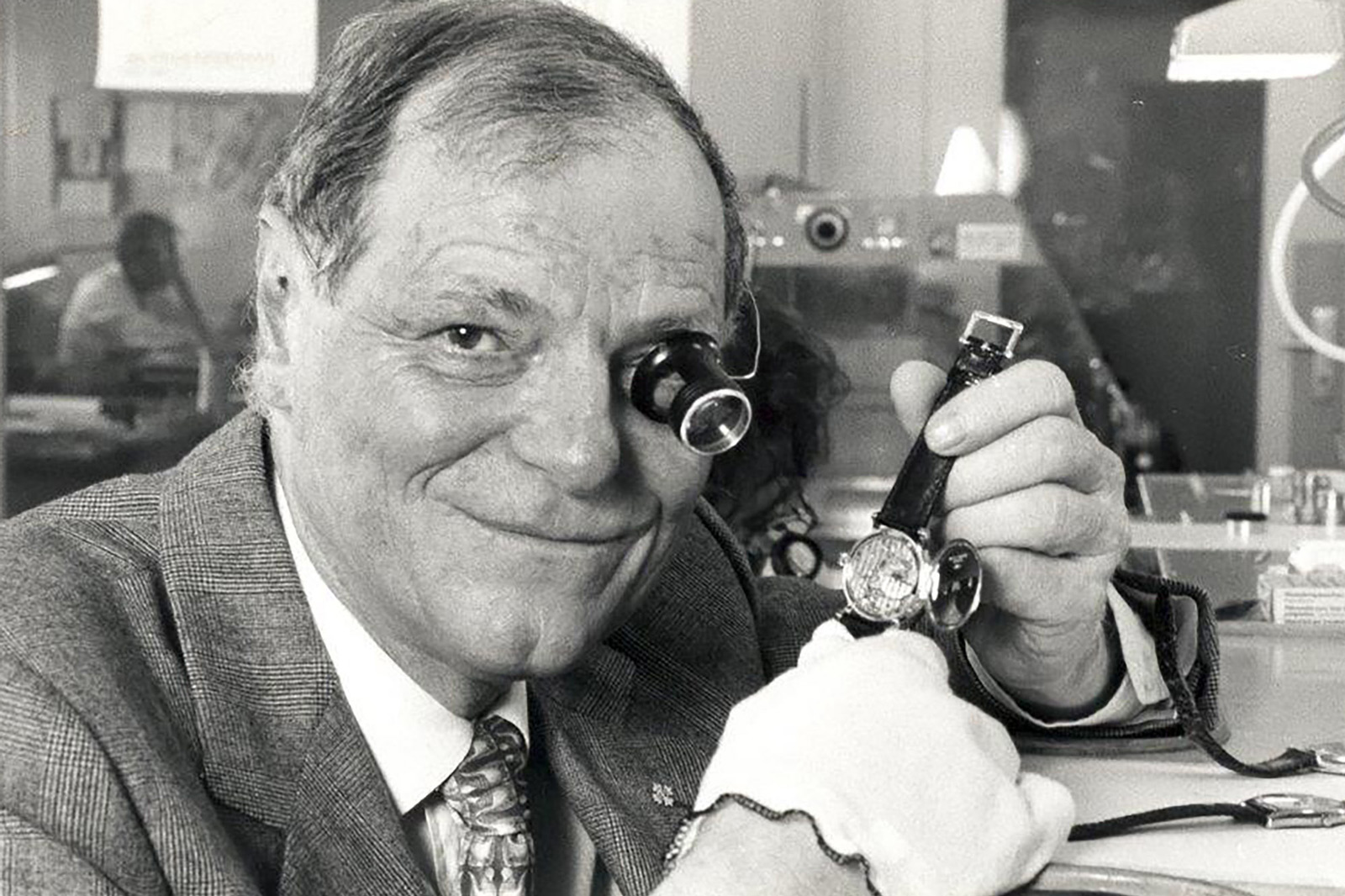
The industry's rebound began in 1983. Nicolas G. Hayek, a Lebanese-Swiss management consultant, was commissioned by Swiss banks to advise on liquidating ASUAG and SSIH. Hayek recommended the opposite: merge them into one entity (SMH, later the Swatch Group), launch an affordable plastic quartz watch (Swatch, 1983) to regain volume market share from the Japanese, and reposition the heritage mechanical brands as luxury products. The strategy worked spectacularly. Swatch sold over 55 million units by 1988; the mechanical luxury revival was led by Jean-Claude Biver, who in 1981 had bought Blancpain's name for CHF 22,000 with Jacques Piguet and used the tagline "Since 1735, there has never been a quartz Blancpain watch. And there never will be." Blancpain re-emerged as a pure mechanical brand, was acquired by SMH in 1992 for a reported CHF 60 million, and Biver went on to rescue Omega, Hublot, and TAG Heuer in turn. By the mid-1990s mechanical watchmaking was stable and growing again, now framed as a luxury craft rather than a mass-market technology. Today the Quartz Crisis is taught in business schools as a case study in how an established industry can lose a technology transition, and how repositioning (not counter-attack) can save what remains.


Comments 1