
Jean-Marc Wiederrecht was born in Geneva in 1948 and trained as a watchmaker at the École d'Horlogerie de Genève through the late 1960s. His early career was in the small-workshop ecosystem of Geneva watchmaking, including stints at Audemars Piguet and various independent ateliers. By the late 1980s he had specialised in retrograde complications, the mechanical art of making a hand sweep across an arc and snap back to its starting position, a niche that few modern watchmakers had explored since the 19th century.
In 1996 Wiederrecht and his wife Catherine founded Agenhor SA, an independent watchmaking studio in Geneva. The name combines "agencement" (arrangement) and "horlogerie" (watchmaking). The model from the start was different from a brand: Agenhor would design and produce complete movements on commission for client brands, who would then case and brand them. This separated the technical-innovation business from the marketing business in a way that suited Wiederrecht's preference for invention over commerce.
"A movement is a small theatre. The watchmaker designs the stage, the actors, and the choreography; the wearer is the audience. The audience should never see the wires."- Jean-Marc Wiederrecht, on the Van Cleef Lady Arpels Pont des Amoureux design
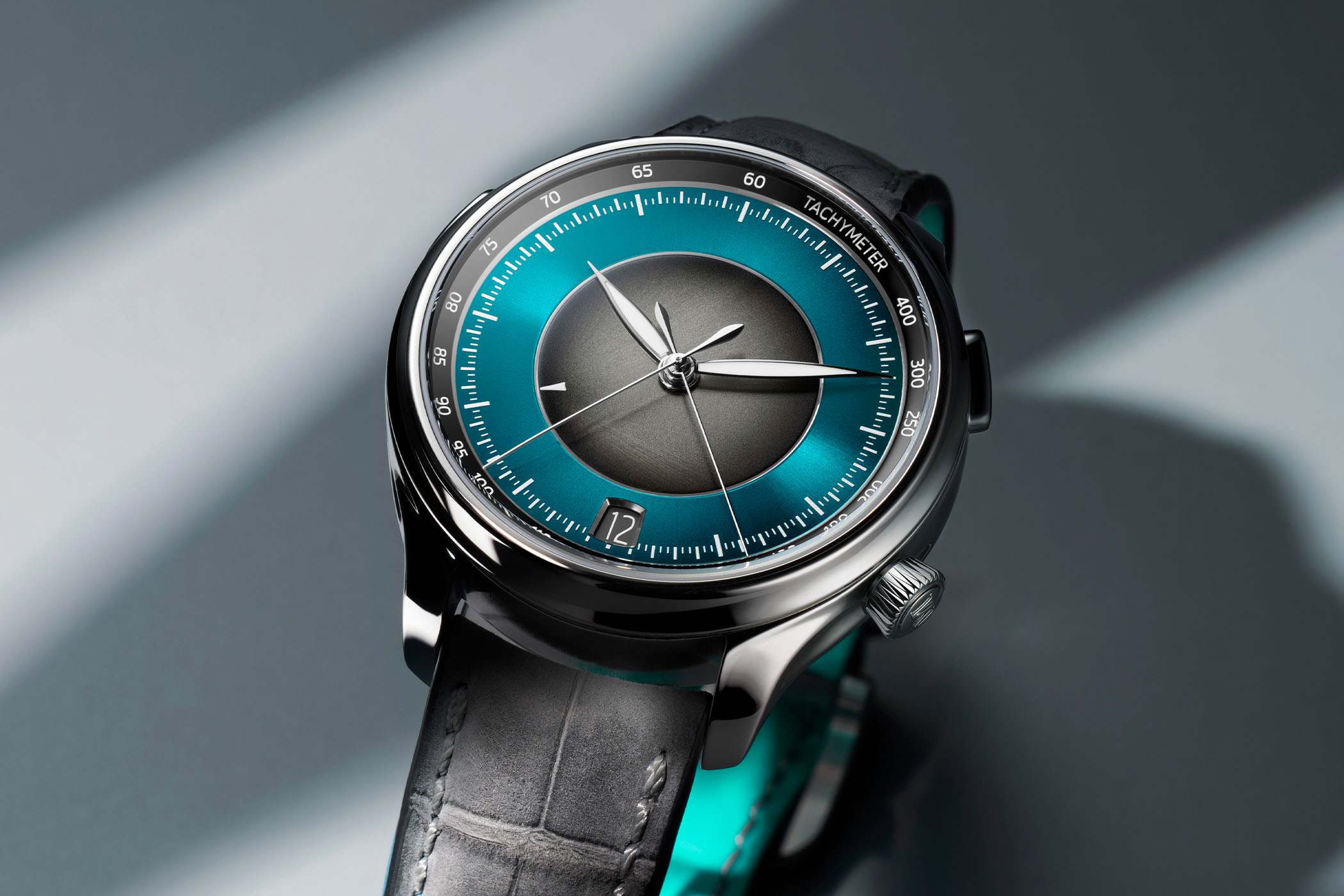
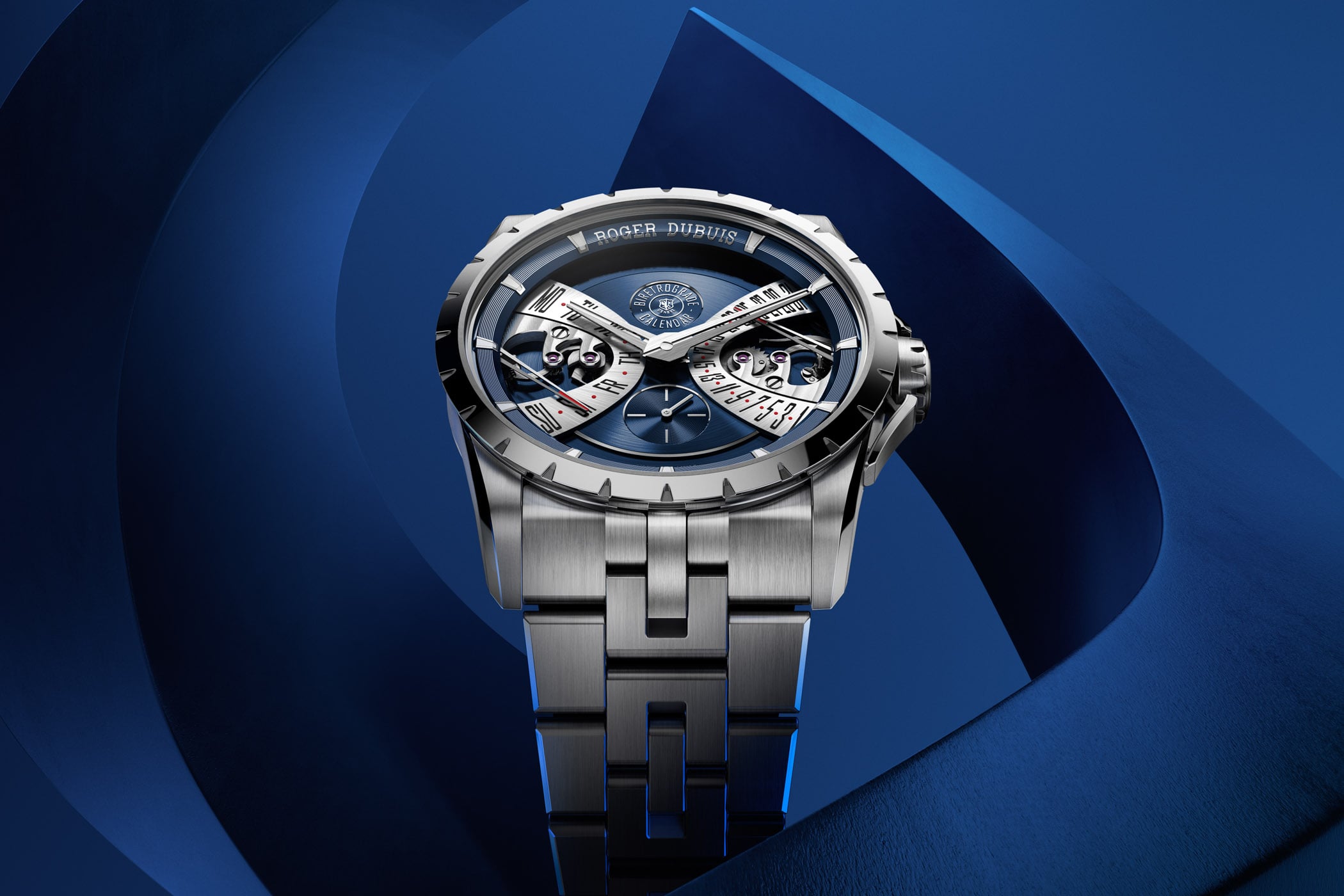
Through the late 1990s and 2000s Agenhor produced movements for clients including Maurice Lacroix (the famous Mémoire 1 mechanical-memory chronograph, 2008), Hermès (the Cape Cod Grandes Heures with retrograde minutes), Harry Winston (Opus 9), Fabergé (the Visionnaire series with peripheral minute display), and most prominently Van Cleef & Arpels. The Van Cleef & Arpels Poetic Complications series, watches in which the time is told via animated tableaux of moving figures (a kissing couple, dancers, planets), is essentially Agenhor's decade-long magnum opus and Wiederrecht's most visible work.
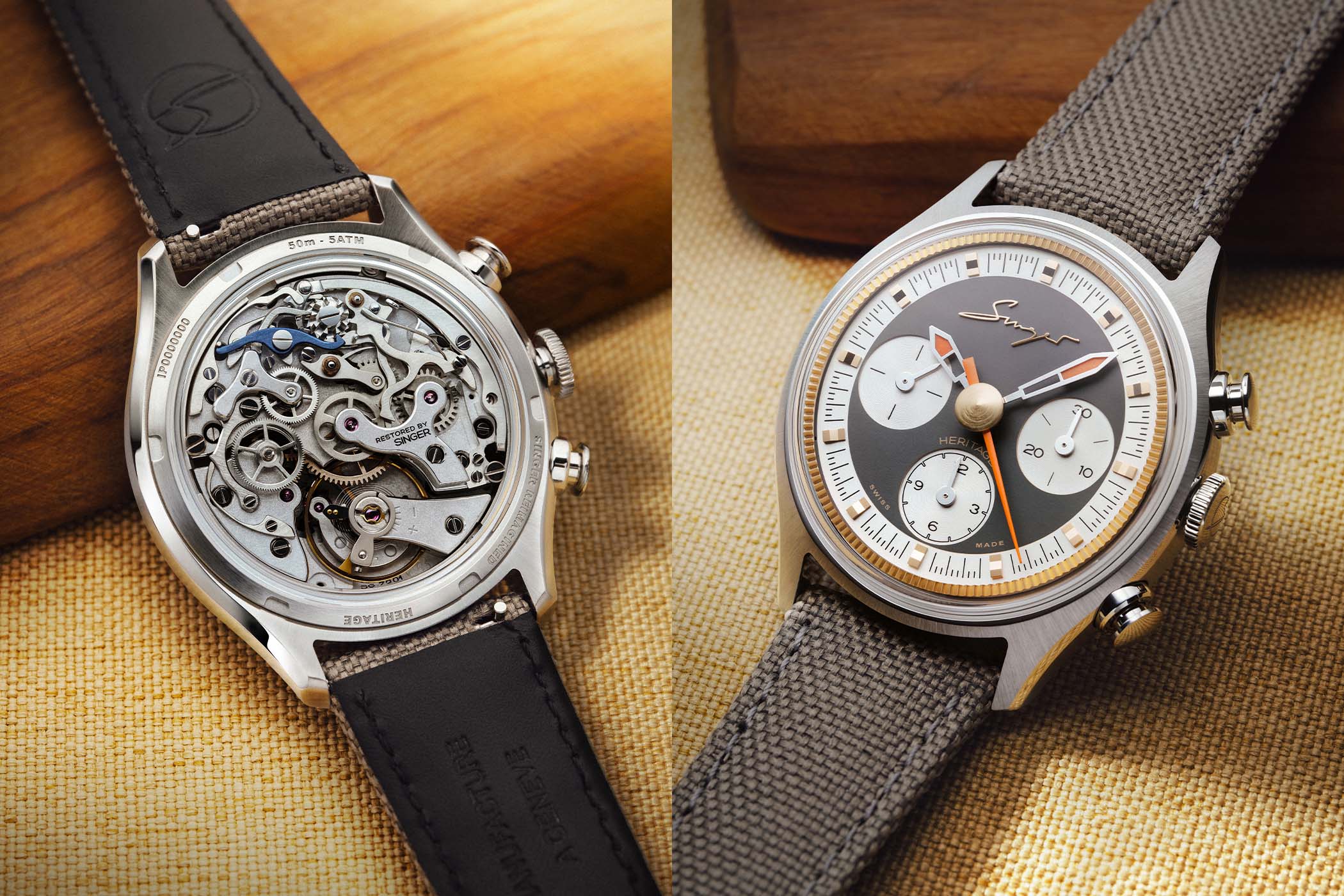
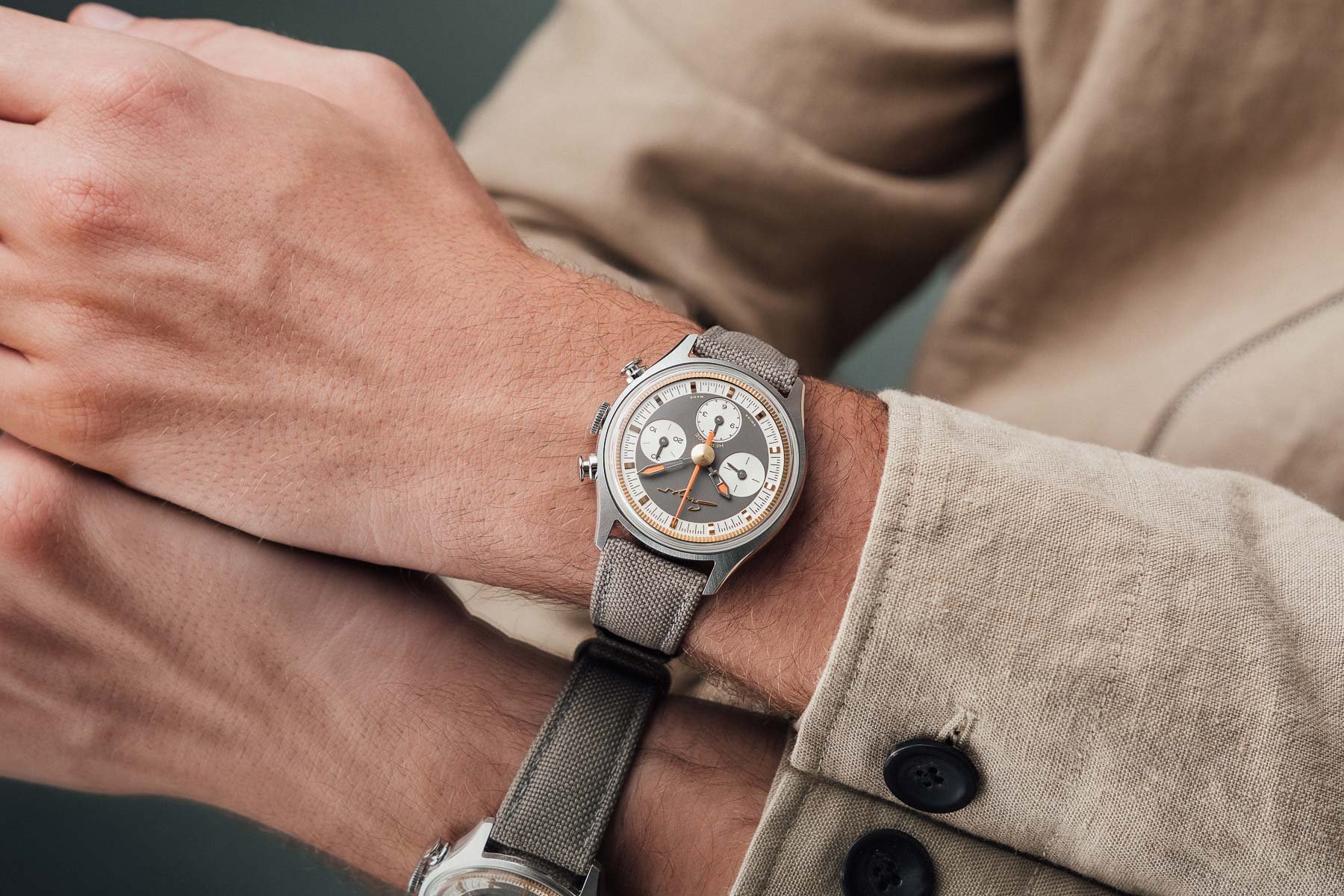
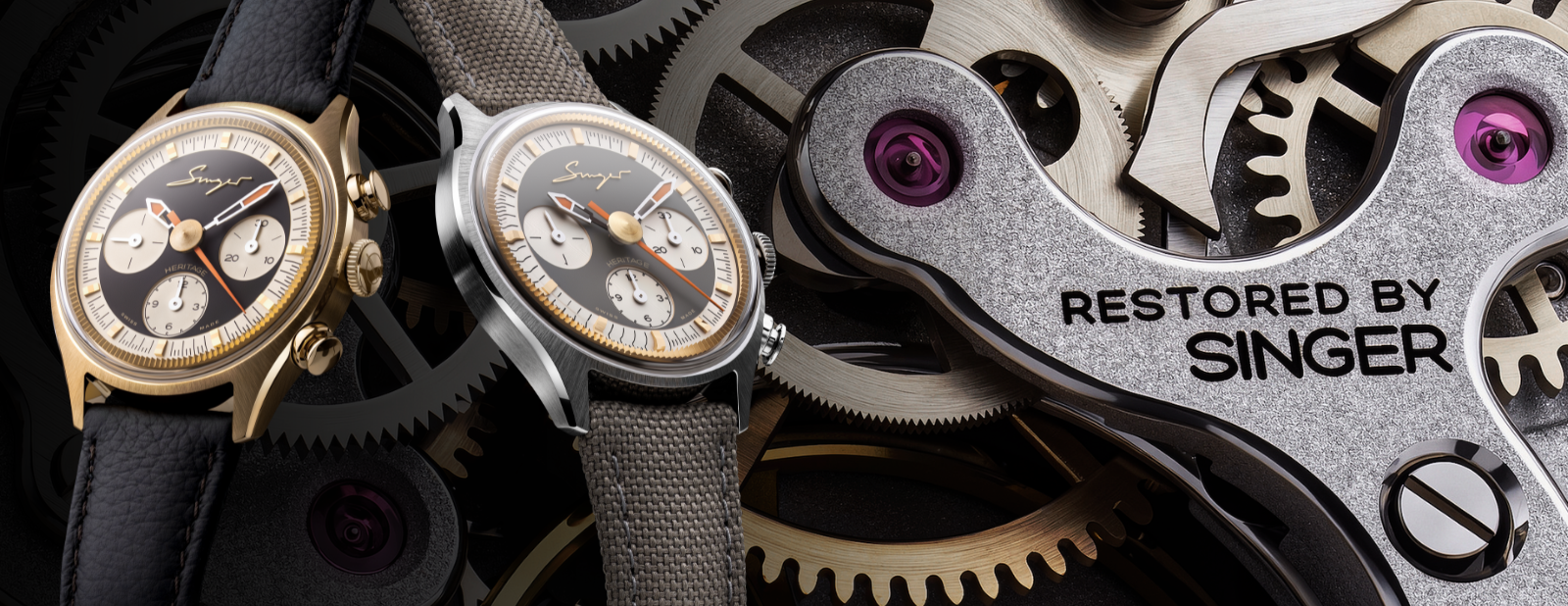
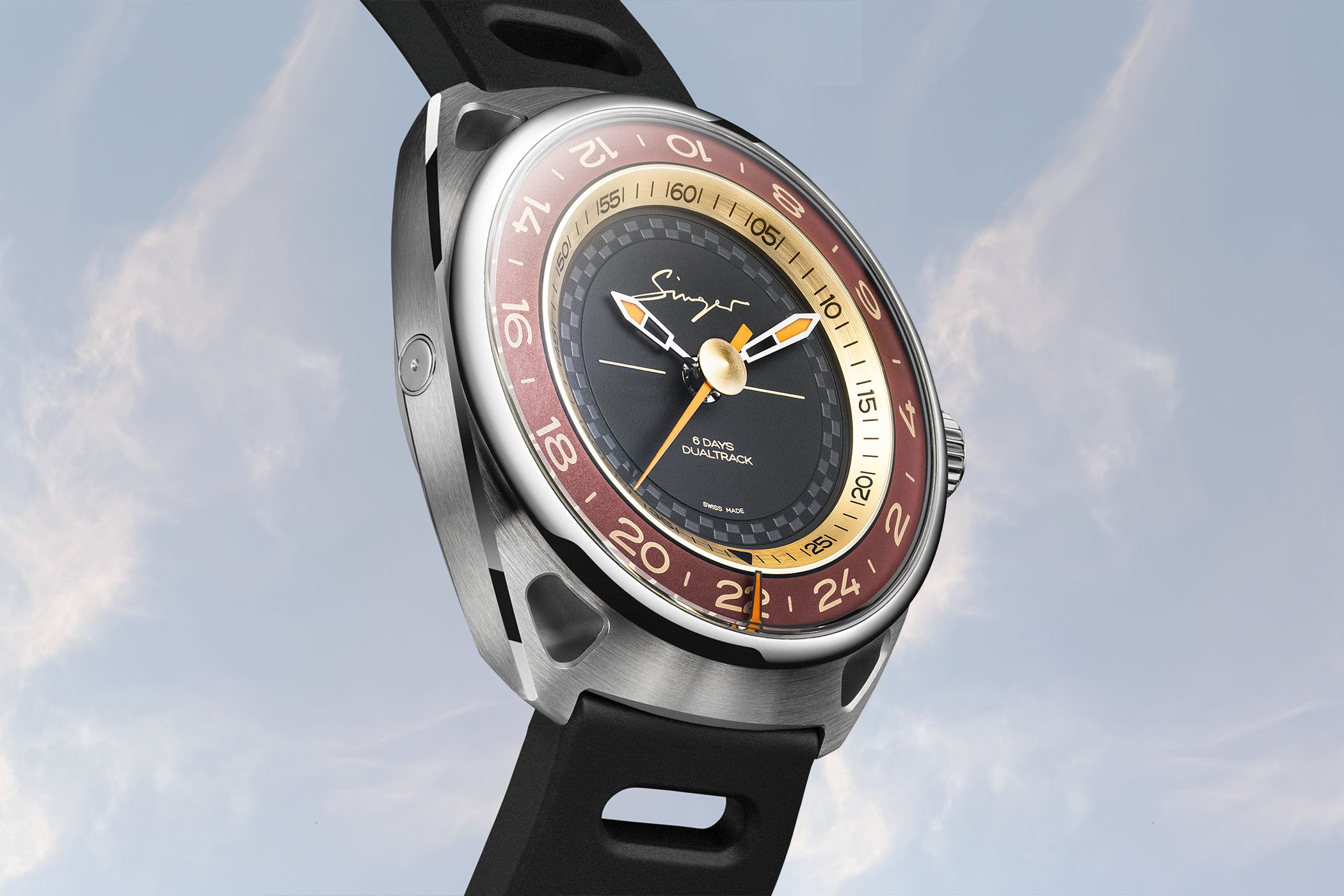
The AgenGraphe caliber, completed in 2017, is Wiederrecht's most ambitious technical project. It is an automatic chronograph with central minute and hour counters (rather than the conventional sub-dials at 9 and 6), a vertical clutch, and a column wheel. The complication architecture is novel; the central counters allow the chronograph time to be read as if it were the regular time, with three concentric hands rotating from the same axis. The AgenGraphe was first commercialised by Singer Reimagined (a high-end Geneva start-up linked to Singer Vehicle Design, the Porsche restomod company) in 2017, and later used by Fabergé in the Visionnaire Chronograph and Manufacture Royale.
Beyond the technical work, Wiederrecht's contribution to the watchmaking world is structural. By proving that an independent movement-design workshop could survive on commissioned work for multiple brands, Agenhor opened a model that has since been imitated by smaller studios across Geneva and the Vallée de Joux. The Agenhor structure (small atelier, no brand of its own, deep expertise in a niche, multi-year relationships with client brands) is now a recognisable category in the modern Swiss watch industry alongside the larger établissages and the brand-owned manufactures.
Wiederrecht's sons Nicolas and Laurent Wiederrecht now lead Agenhor day-to-day; Jean-Marc remains involved as senior designer but has stepped back from full-time work since the early 2020s. The studio's current commissions span the same client portfolio (Van Cleef & Arpels, Fabergé, Singer Reimagined) plus new work with smaller independent watchmakers; total annual movement production is small (a few hundred to low thousands), but every Agenhor caliber is still notable enough to be reviewed individually in the watch press.



Comments 1