
Le Sentier is a village of approximately 3,000 residents on the western shore of Lac de Joux, in the Vallée de Joux at 1,008 metres altitude. Like its neighbour Le Brassus 5 km south, Le Sentier developed watchmaking in the 18th century as a winter household craft for snow-isolated farmers. Unlike Le Brassus' single-firm character (essentially Audemars Piguet), Le Sentier hosts multiple watchmakers, with Jaeger-LeCoultre the dominant employer.
The decisive moment was in 1833, when local watchmaker Antoine LeCoultre opened a small workshop in the village producing precision pinions and complete movements for the Geneva trade. LeCoultre was a technical perfectionist; in 1844 he invented the Millionomètre, the first measuring instrument accurate to one micrometre, which became the foundational tool of Swiss precision watchmaking and is still on display in the JLC museum. He also developed the keyless winding system independently of (and slightly later than) Patek and Philippe, allowing pocket watches to be wound without a separate key.
"Le Sentier built the movements that made Geneva famous. The watches you read about as Patek or Vacheron, half their movements crossed Le Sentier first."- Hodinkee Reference Points, Vallée de Joux ecosystem essay
The firm grew through the late 19th century as LeCoultre & Cie; by 1900 it employed several hundred and produced complete movements that were sold to other Swiss makers including Cartier, Audemars Piguet, and Vacheron. The decisive partnership came in 1903, when LeCoultre allied with the Parisian watchmaker Edmond Jaeger to produce ultra-thin movements for Cartier; the two firms formally merged in 1937 as Jaeger-LeCoultre. The firm has been continuously based in Le Sentier ever since; the modern JLC manufacture employs roughly 1,200 people, the largest workforce in the village.
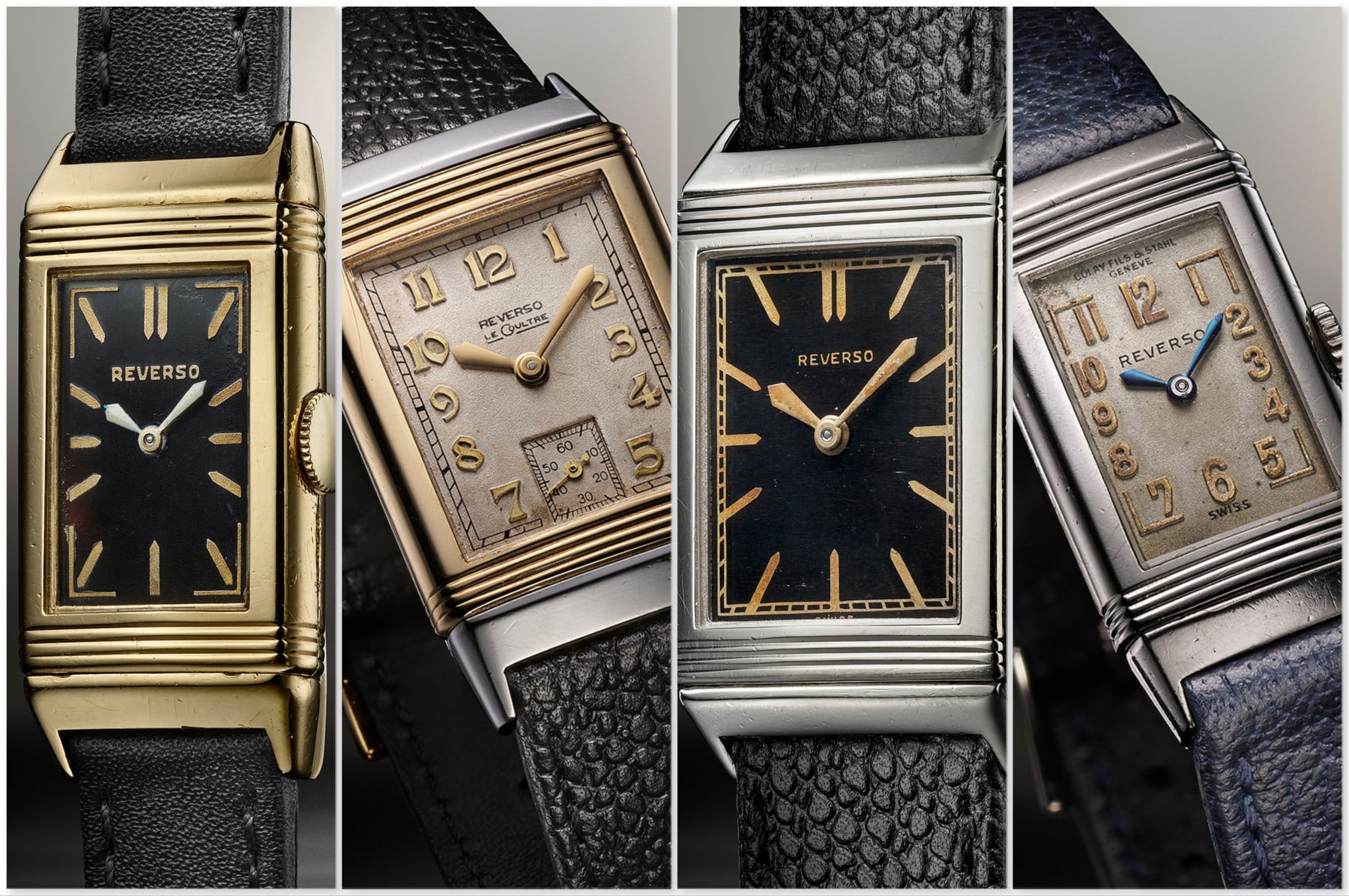
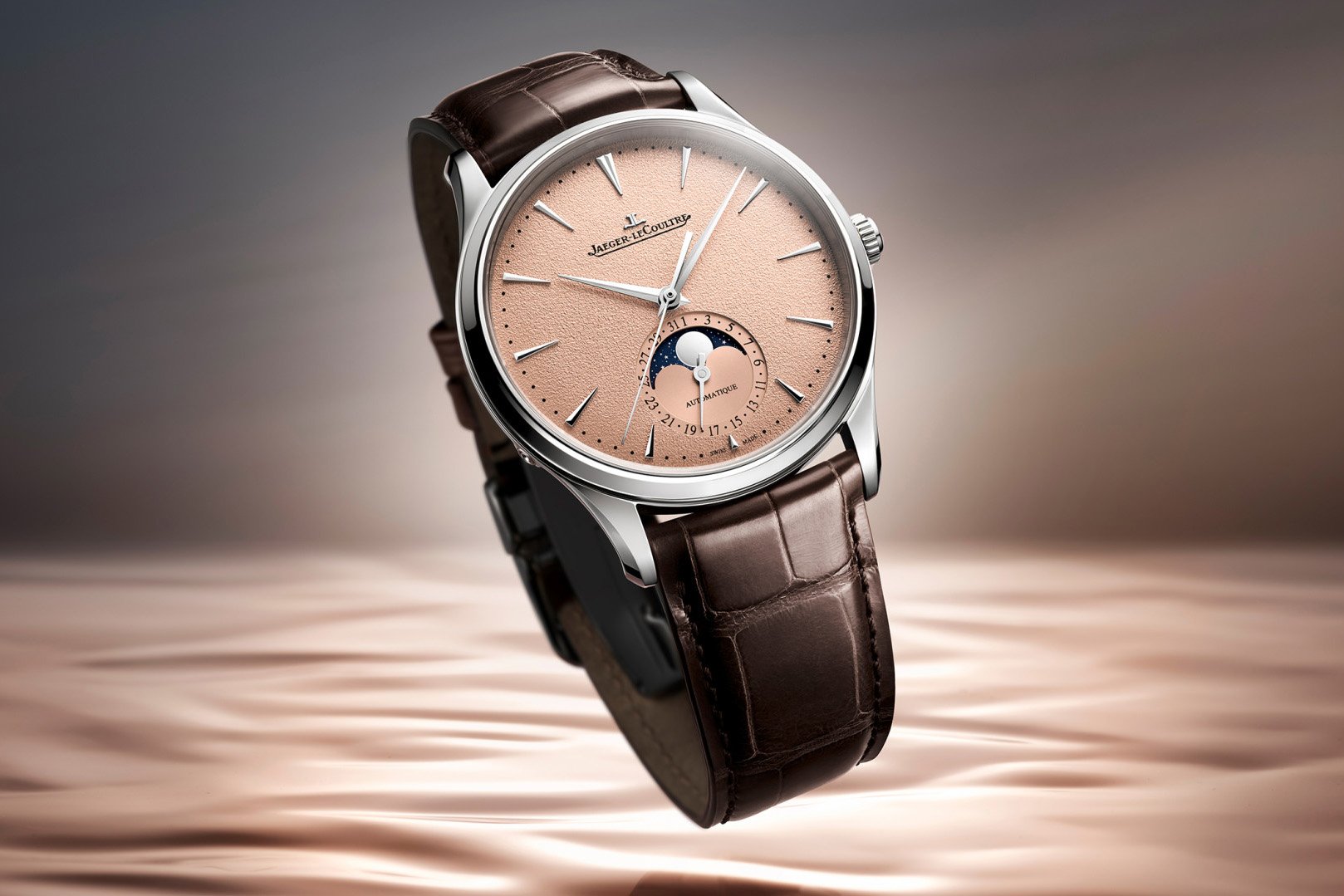
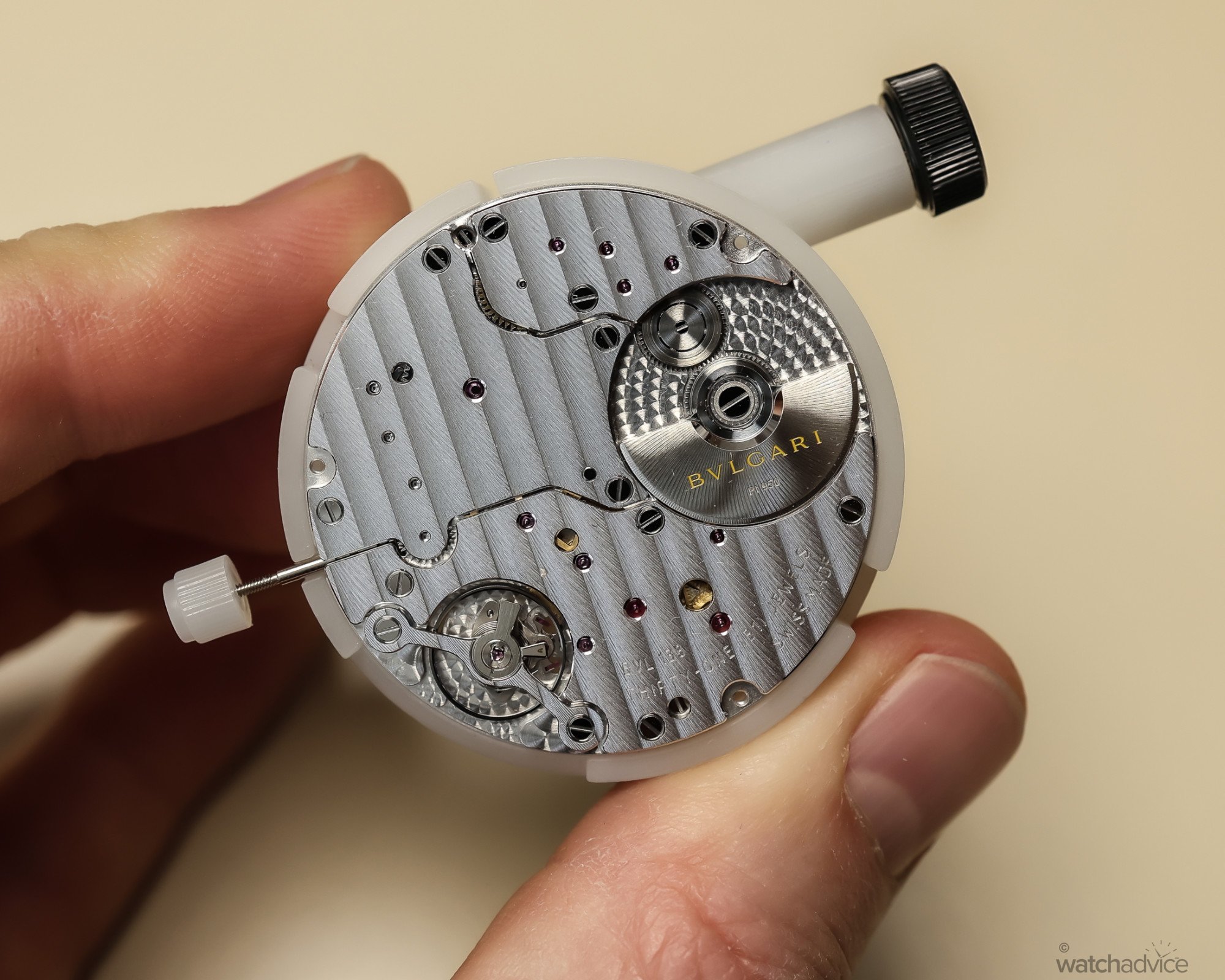
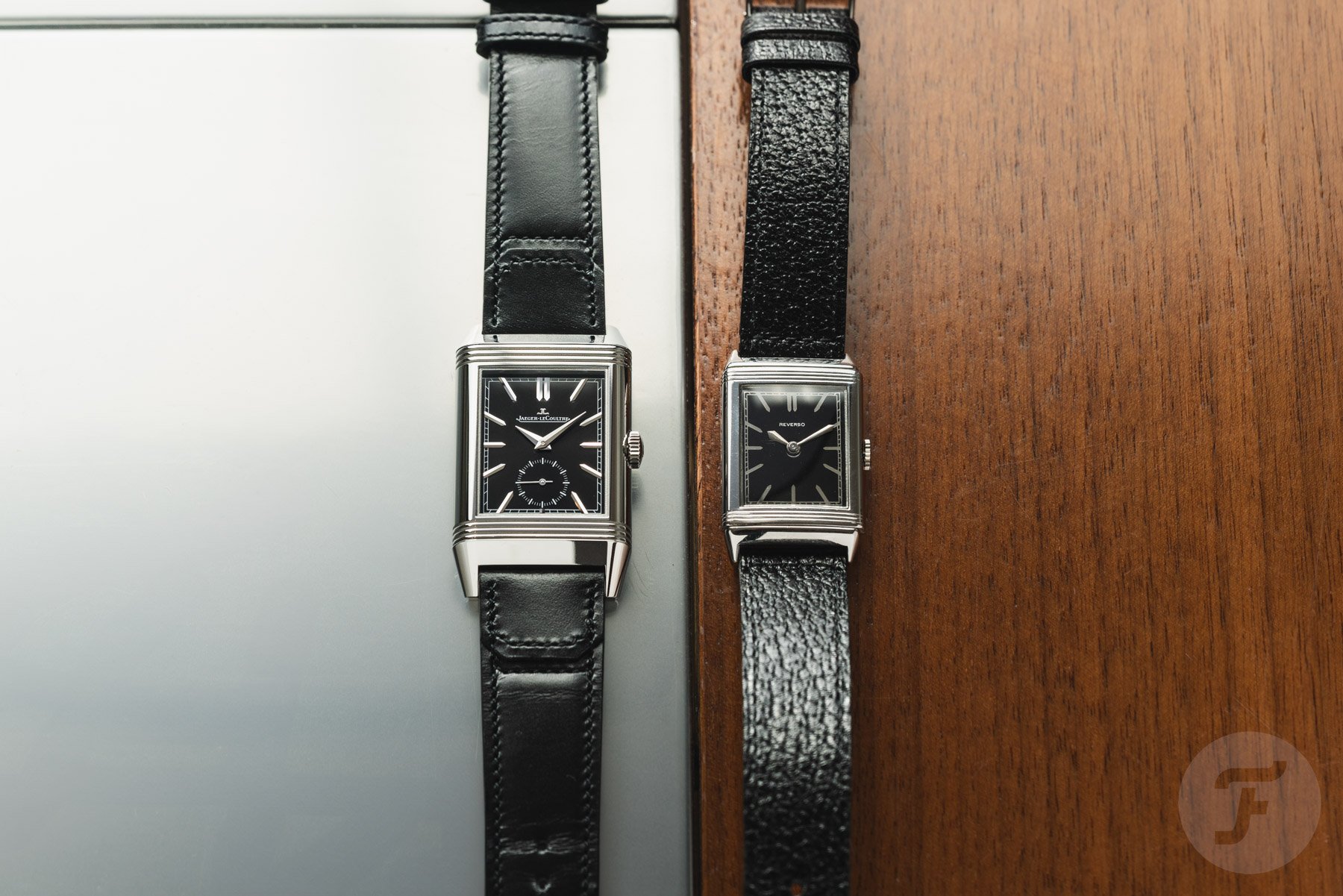
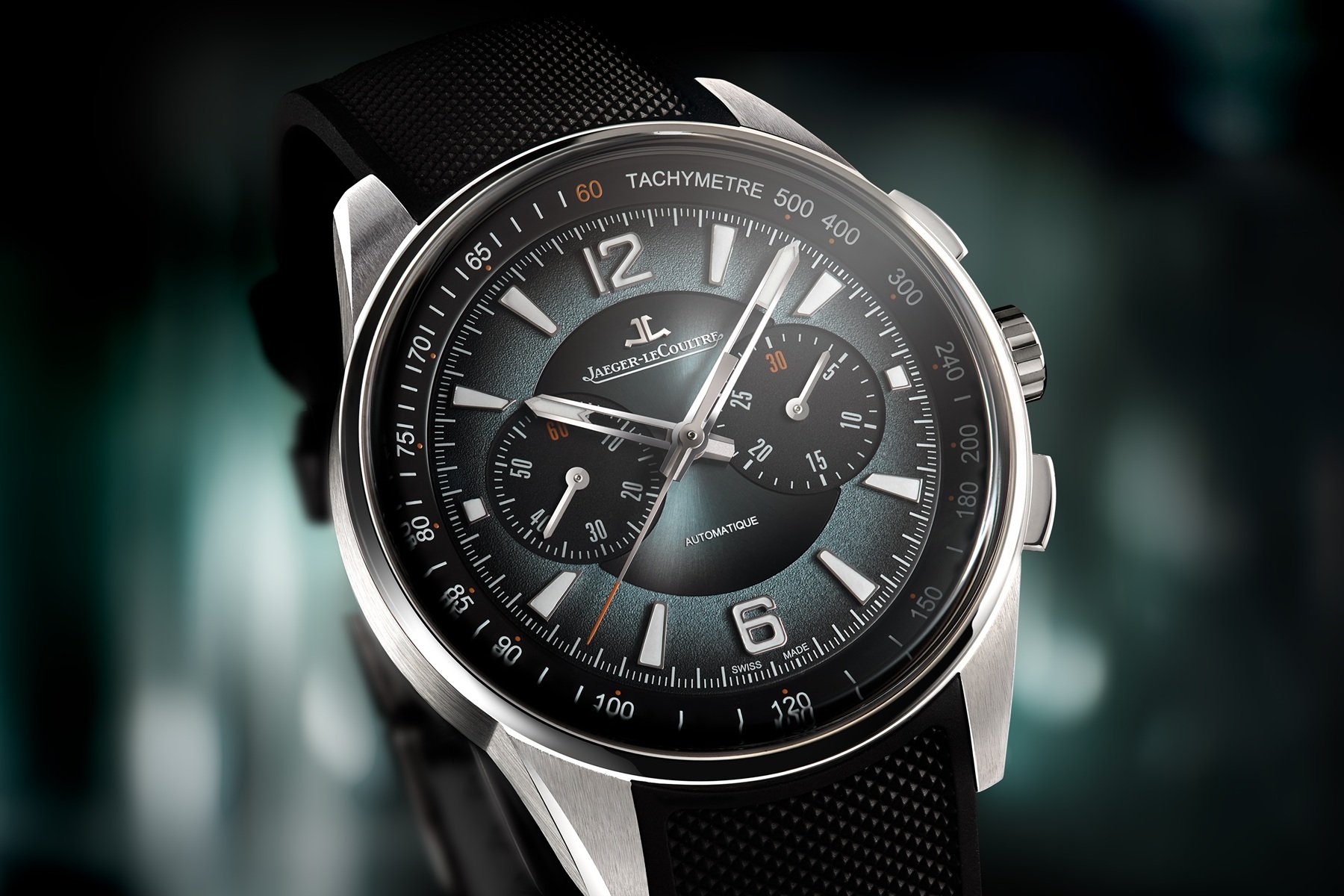
JLC's Le Sentier output covers an unusually broad range: ultra-thin dress watches (Master Ultra Thin), the iconic Reverso (1931, swivel-case wristwatch designed for polo players), the Atmos clock (powered by atmospheric pressure differential, 1928), the Memovox (1950, alarm wristwatch), the Master Compressor diver, and the Hybris Mechanica grand complications. JLC also produces movements for other brands (Cartier, Patek Philippe historically, IWC, Vacheron Constantin) under its "movement maker for the great houses" identity, which explains why a JLC-built Reverso movement appears in Cartier and IWC products of various eras.
Beyond JLC, Le Sentier hosts Blancpain's manufacture, established in 1992 when Jean-Claude Biver revived the dormant Blancpain brand and bought a former hotel building (Le Brassus, technically, but the manufacture is jointly Le Sentier/Le Brassus by location). Blancpain's Vallée de Joux operations are smaller (perhaps 200 employees) than JLC's but include the firm's grand-complication ateliers. Various smaller movement-finishing specialists also operate in Le Sentier; the village functions as a back-office for the broader Vallée de Joux haute-horlogerie ecosystem.
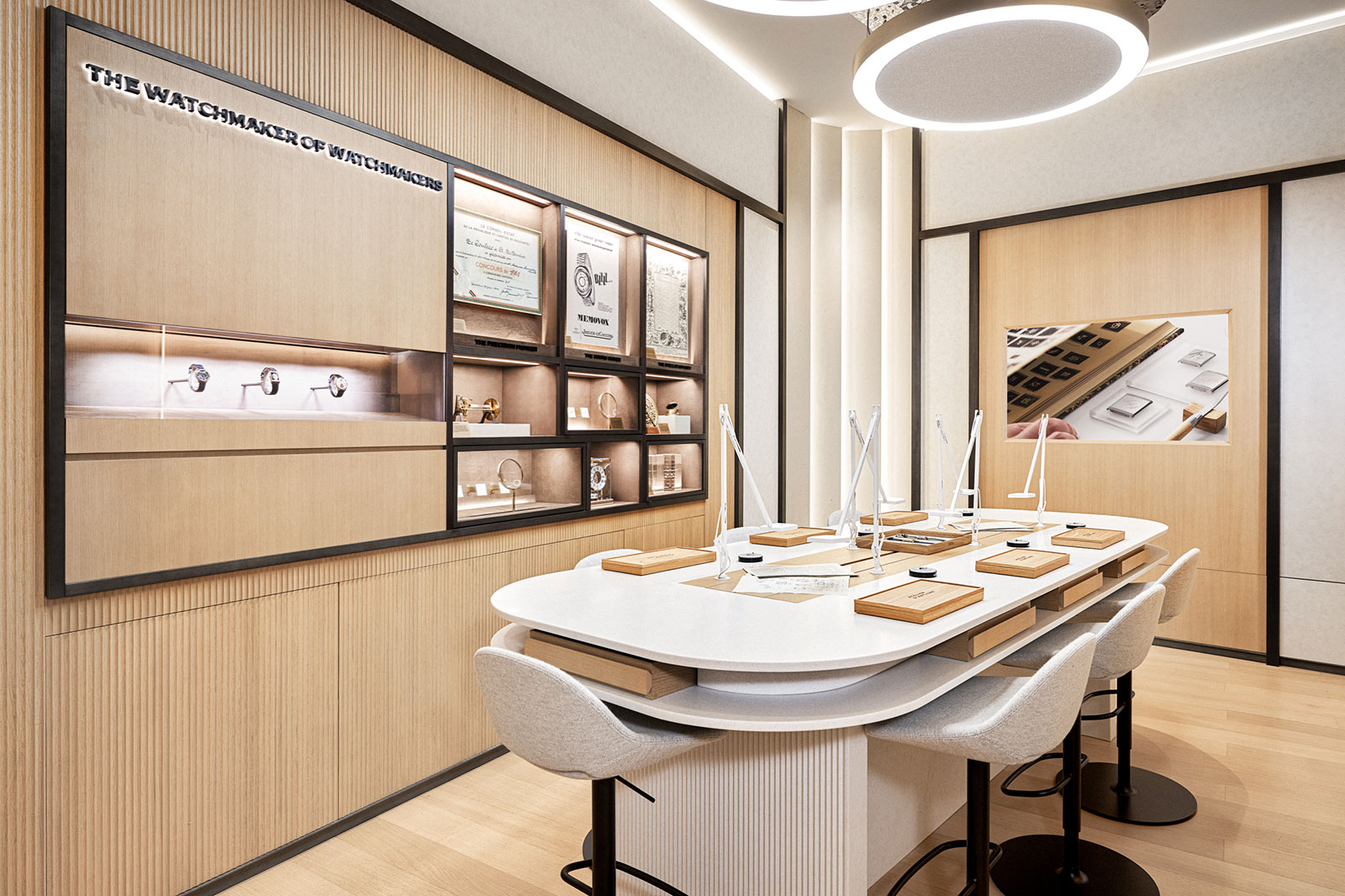
The Le Sentier Espace Horloger museum (in the village centre) provides a public tour of the Vallée's watchmaking history, with significant artefacts from JLC, Blancpain, and the broader local trade. Visiting is straightforward by car from Geneva (~75 minutes) via Col du Marchairuz; the lakeside is scenic, and the JLC manufacture (separate from the museum) can be visited by appointment. The village's annual watchmaking festival in autumn brings additional collector visitors.





Comments 1