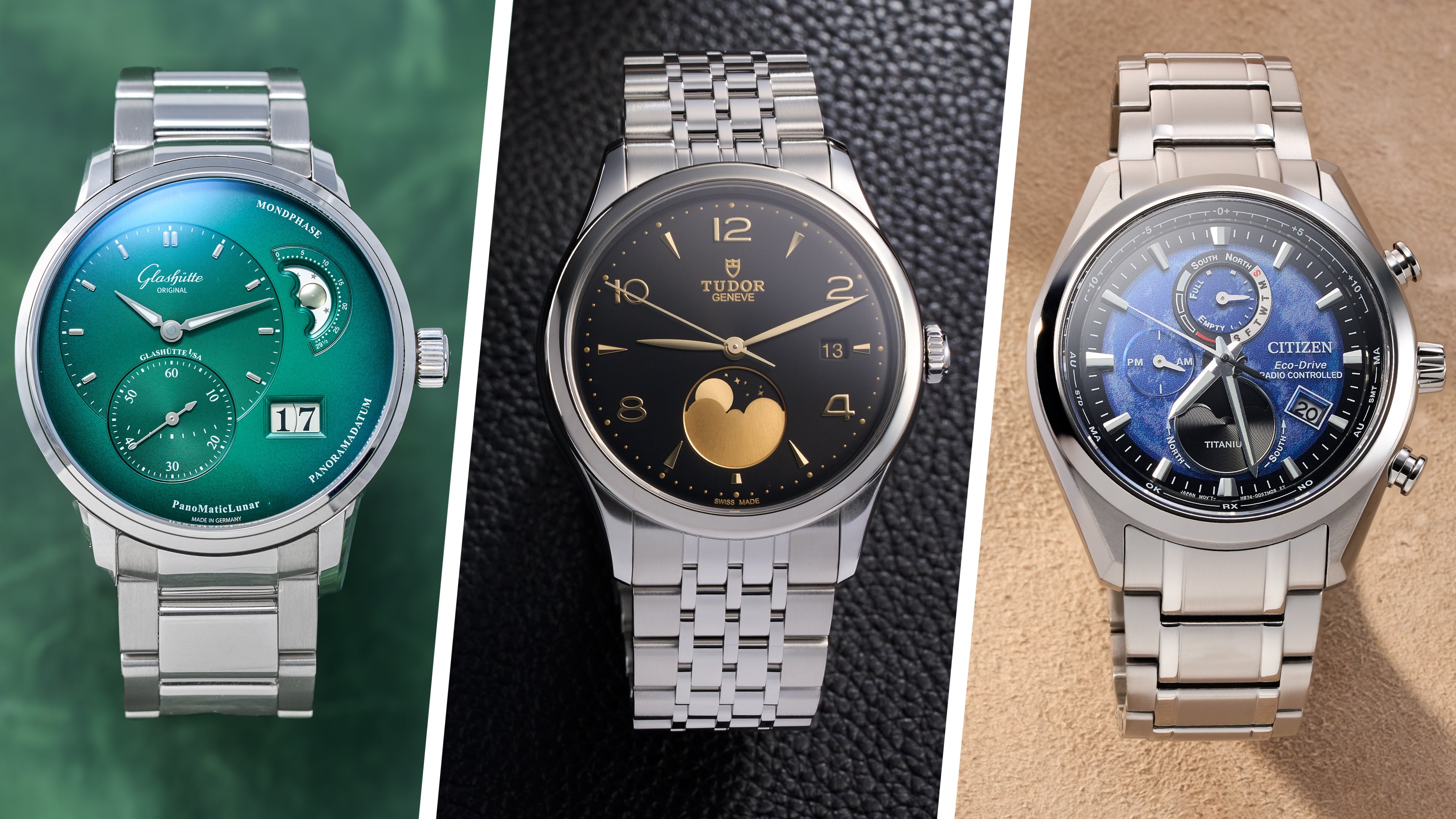
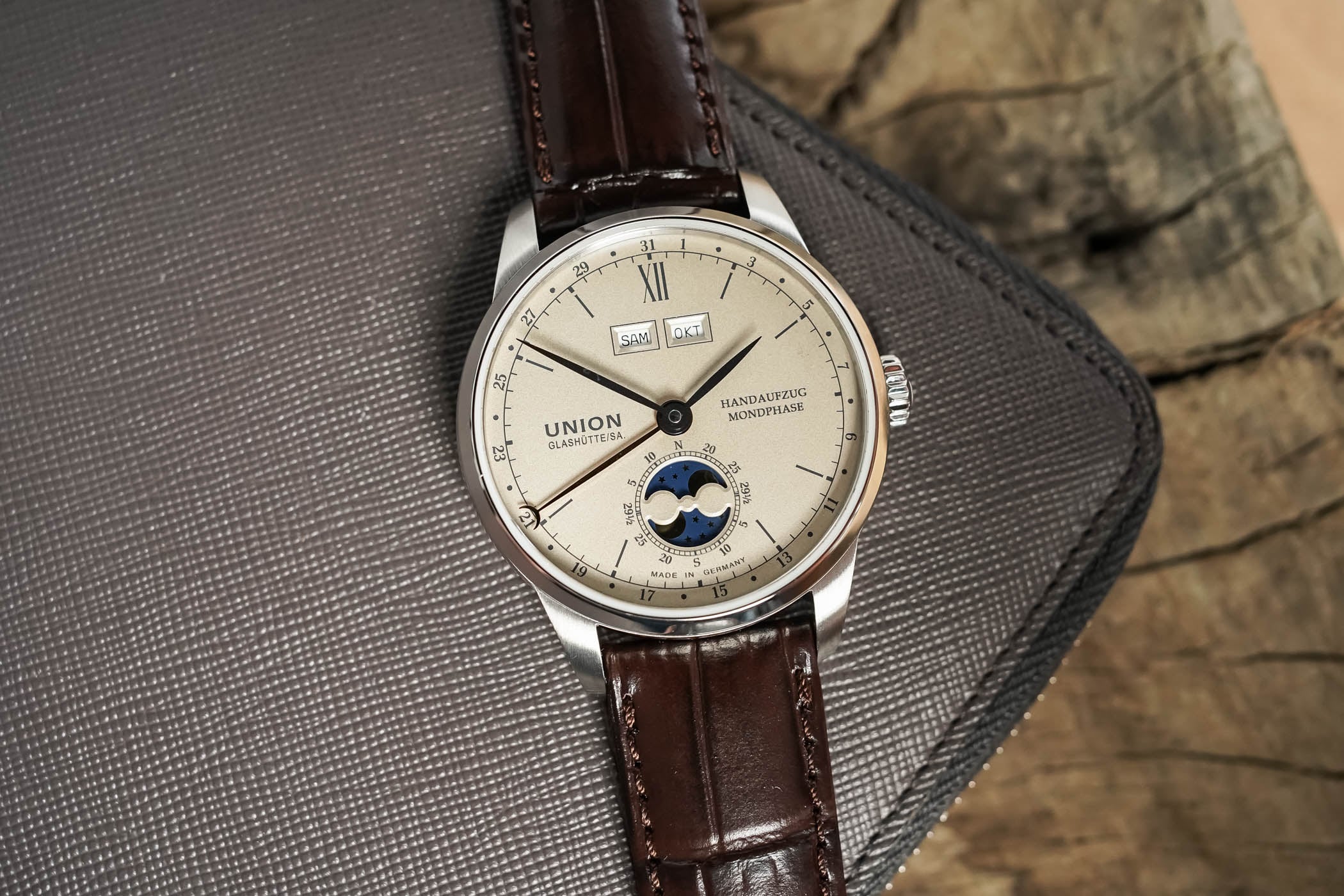
The synodic lunar cycle, the time between one new moon and the next, is 29.53059 days, a figure no mechanical watchmaker can express exactly with an integer number of teeth on a wheel. For 400 years, the compromise has been the same: a two-moon disc with 59 teeth, advanced one notch per day. Two painted moons share the disc; one full cycle of the disc is 59 days, two synodic cycles of 29.5 days each. The 0.03059-day difference per cycle accumulates to a full day of drift every 2 years, 7 months, and 20 days. A classical moonphase therefore requires a manual correction roughly every 2.5 years to stay accurate.
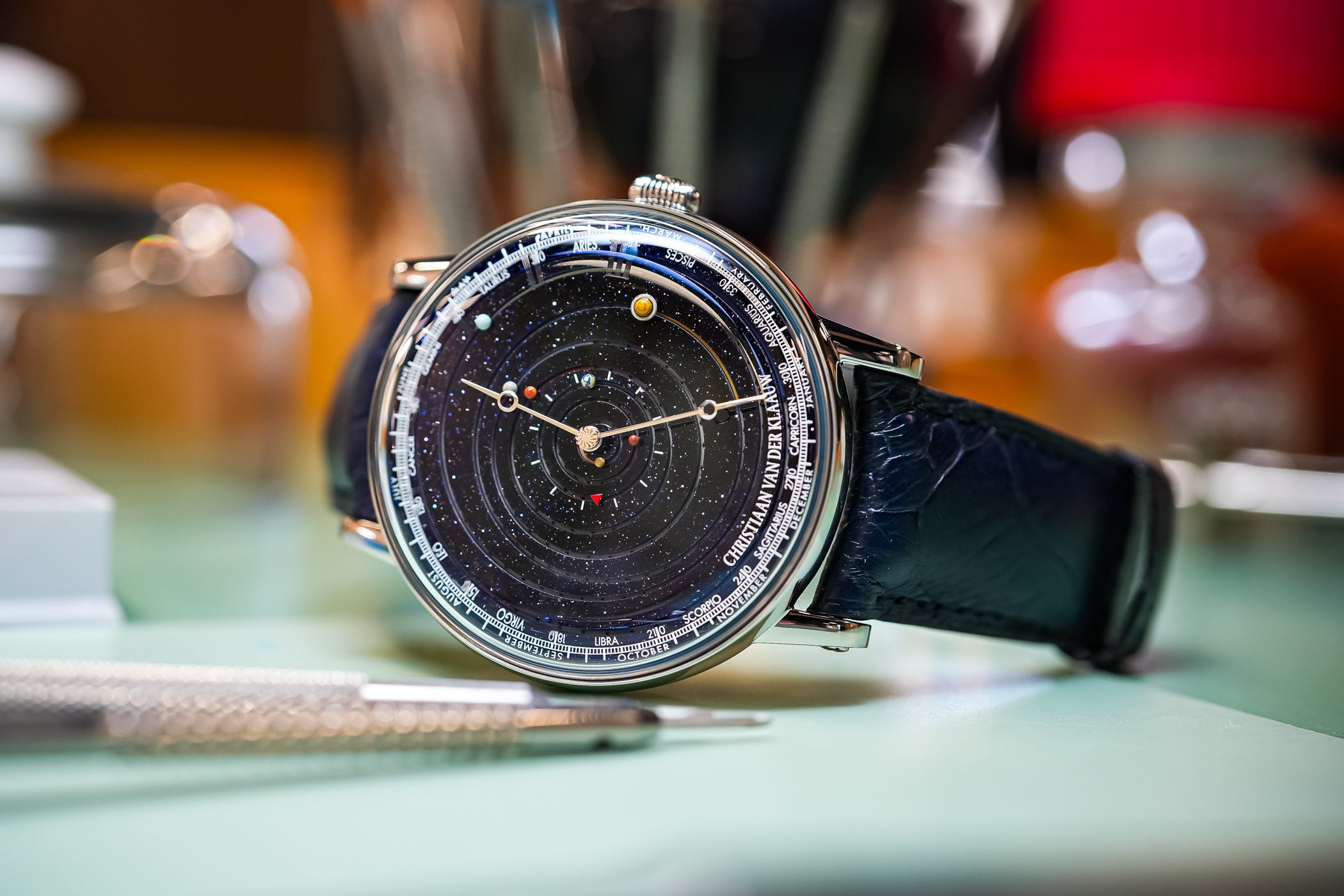
A high-precision moonphase replaces the 59-tooth wheel with 135-tooth or 400-tooth variants that approximate 29.53059 more finely. The 135-tooth version used by Patek Philippe, Lange, and others drifts one day every 122 years, nobody who owns such a watch will ever need to correct it. Ochs und Junior developed an alternative using a central pointer reading three nested discs, drifting one day every 3,478 years. And Christiaan van der Klaauw's Real Moon Joure uses a spherical moon rotating in three dimensions, producing a realistic view of the moon rather than an abstract disc.
"The moonphase was the first complication. It has been on clocks since before watches existed, and every complicated watch since 1925 has one."- François-Paul Journe, in a Revolution interview
The moonphase arrived on the wrist in the same breath as every other complication: Patek Philippe's 1925 one-off perpetual calendar wristwatch included a moonphase display. The moonphase has been part of almost every perpetual calendar wristwatch ever since. It took longer to arrive as a standalone complication, the moon-phase-and-date pairing that defines most modern moonphase watches came from Patek Ref. 3940 in 1985, and then spread widely through the 1990s and 2000s.
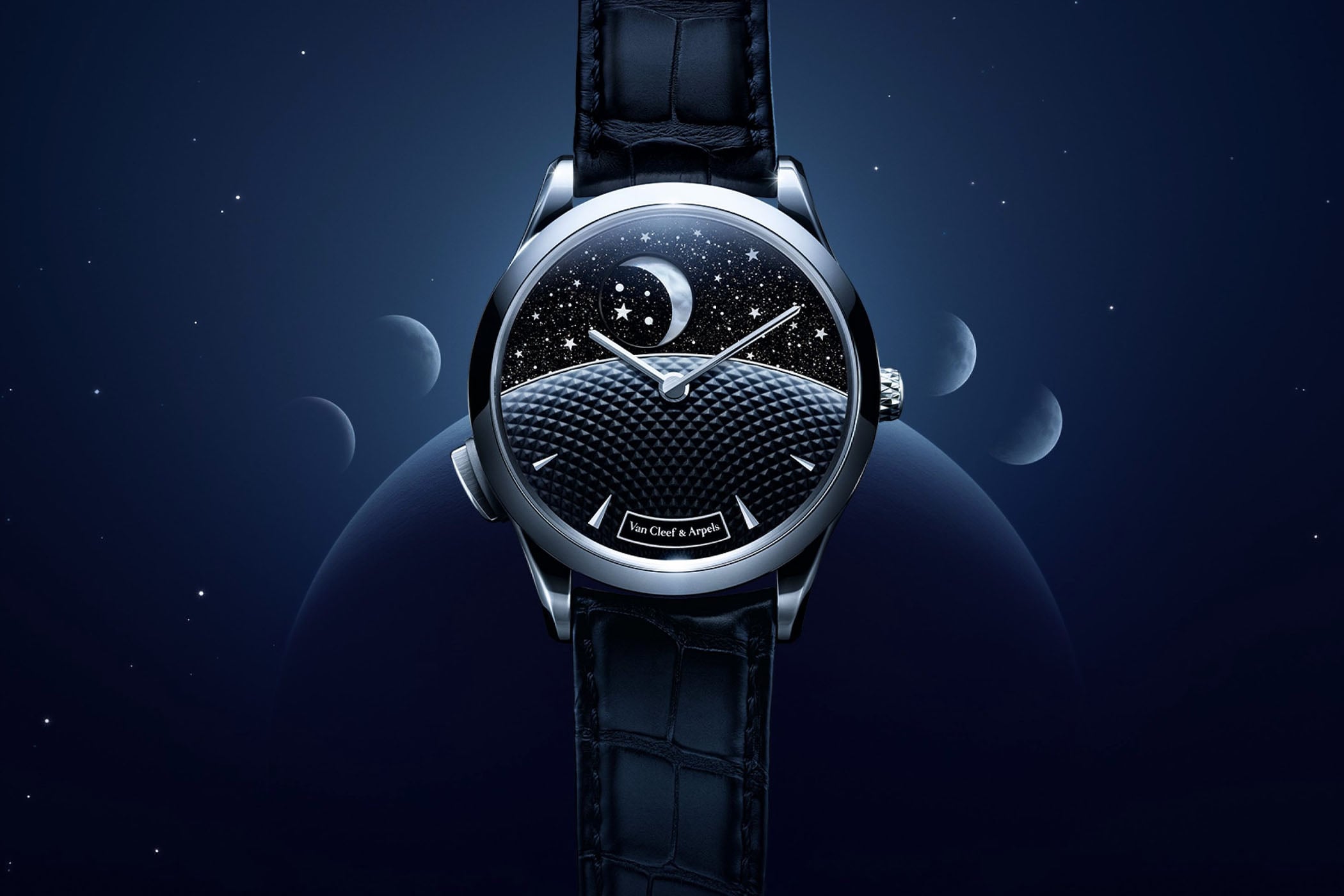
The moonphase is the complication most associated with dressy watchmaking. A moonphase disc is always beautiful, the traditional blue-enamel-with-gold-stars dial, often with a painted Man-in-the-Moon face, is the archetypal mid-century complication aesthetic. Patek Ref. 3940, A. Lange & Söhne Lange 1 Moonphase, Blancpain Villeret Complete Calendar, and IWC Portugieser Automatic all define the genre. Outside perpetual calendars, the simple moonphase date, one moon, one date, nothing else, is the single most popular complication combination on the modern Swiss market.
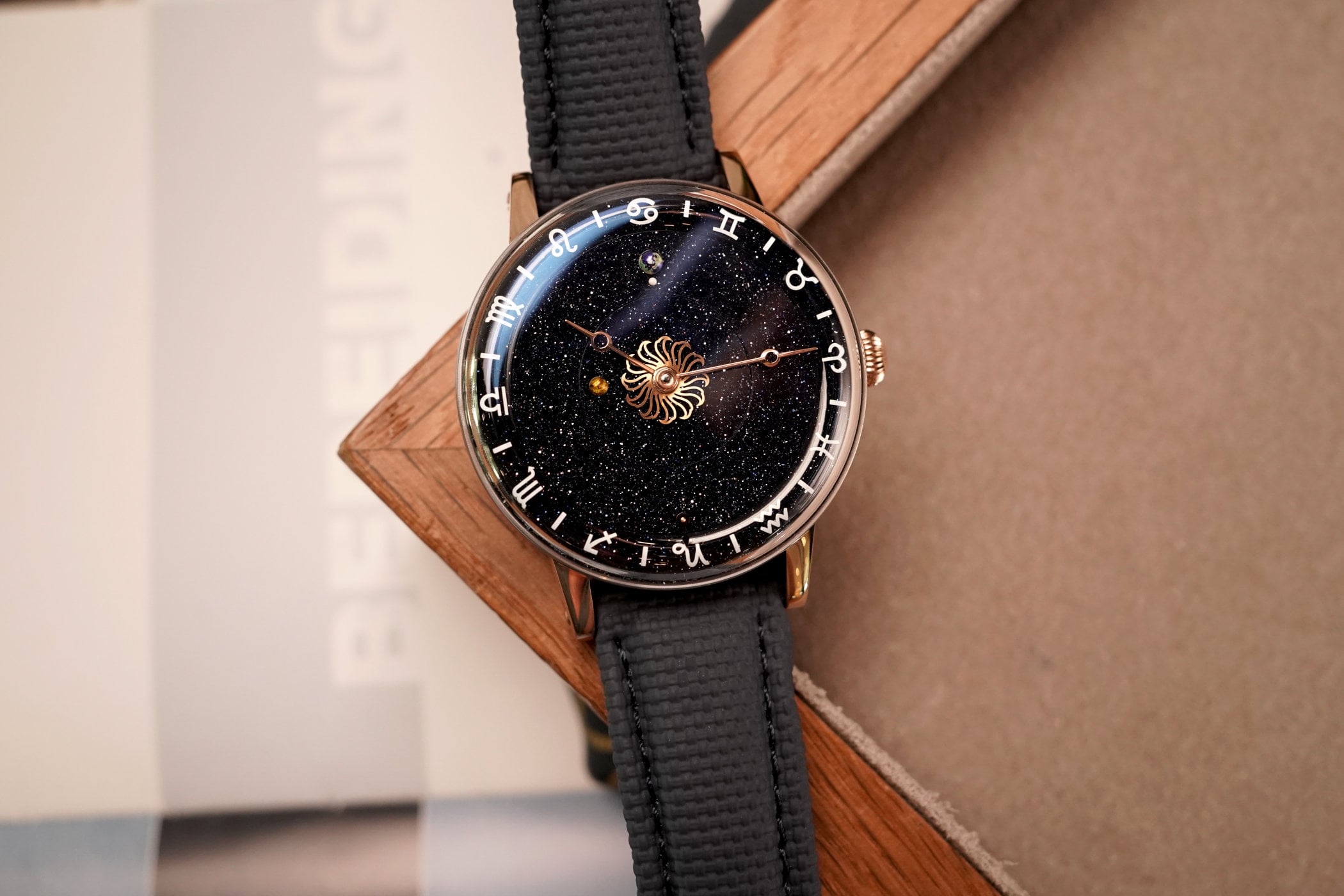
For the enthusiast, the watch to know is the astronomical moonphase, a watch where the moon is not just a decorative dial aperture but a sphere rotating in real time. The Christiaan van der Klaauw Real Moon Joure 1, Ulysse Nardin Moonstruck, Arnold & Son HM Perpetual Moon, and De Bethune DB25 Starry Varius take the complication as far as it has ever gone, blue-steeled moons, hand-made star fields, visible gear trains, and sit at the top of the moonphase complication hierarchy.



Comments 1