
 Worn & Wound
Hands-On with the Studio Underd0g 02SERIES (Gen2): A Refreshing New Take on the Famous Dirty Dozen
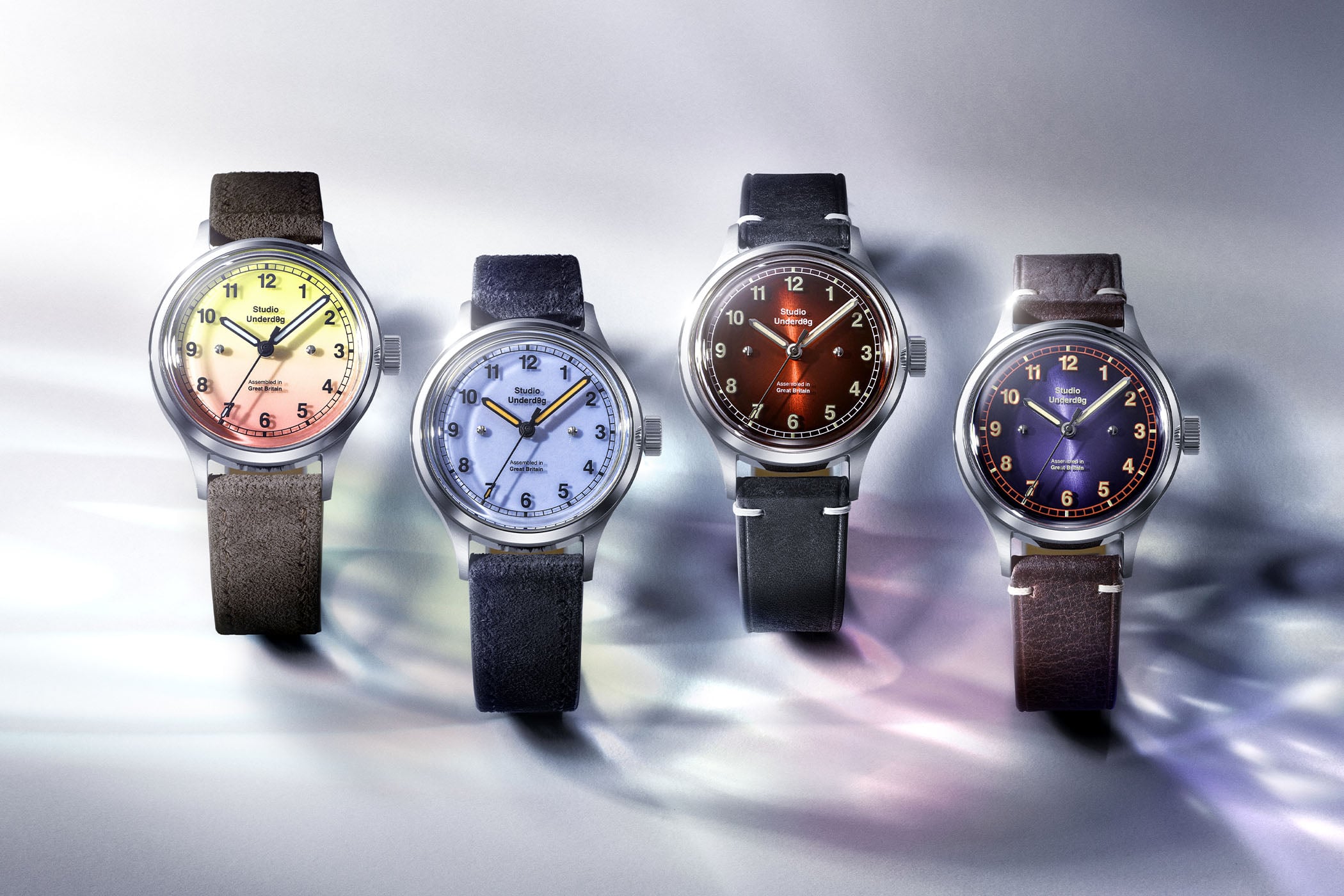
In the span of six short years, independent brand Studio Underd0g has positioned itself as a leader in the contemporary British watchmaking wave. Founded by designer Richard Benc in 2020, the brand quickly made a name for itself in the industry with an irreverent and cheeky style that adds a refreshing spin to the sometimes stodgy business of watch design. Studio Underd0g pairs unique colors with quality finishing while “reject[ing] all that needs to go, like stuffiness, pomposity, and the reluctance to try anything new.” The 02SERIES brings together that fun-loving spirit and the brand’s commitment to boundary-pushing innovation. This summer’s release of Gen2 – the second iteration of the field watch collection – makes meaningful improvements to a fan-favorite. Studio Underd0g’s 02SERIES offers a modern take on the famous Dirty Dozen – a group of twelve watch brands tasked by the British Ministry of Defence to create a field watch for military-issue during the last half of World War II. Chief among a long list of specifications the brands had to meet, the watches were to be tough, reliable, and highly legible. Nearly all field watches today pull their aesthetic from the form-factor popularized by the Dirty Dozen, and I was curious to find out what Studio Underd0g could offer apart from the typical iterations so often seen in this space. After a week on the wrist, I can say that the 02SERIES (Gen2) is unlike any field watch I’ve encountered before and is ...
![Photo Report: Watch Spotting At The Hodinkee Happy Hour [July 2026]](https://hodinkee.imgix.net/uploads/images/5dfba5ad-98b7-49c2-9548-7c9967562168/_43A9288.jpg?ixlib=rails-1.1.0&fm=jpg&q=55&auto=format&usm=12&w=2000)










Comments 3