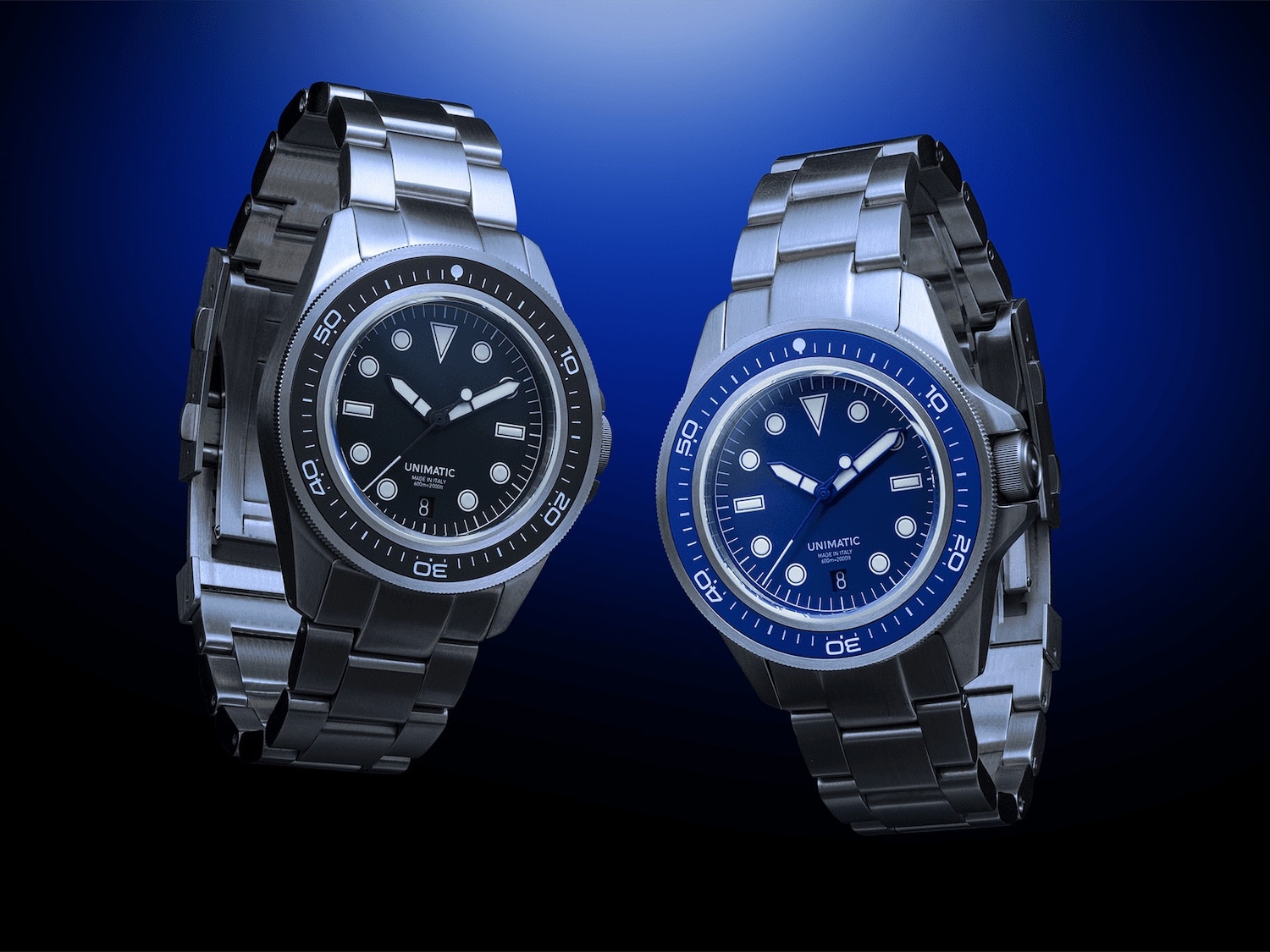
Watch water resistance ratings are not depth ratings. When a watch is marked "100 metres", it does not mean the watch can be worn at 100 metres under water. It means the watch was tested static to a pressure equivalent to 100 metres of water column. In actual use, water pressure on a watch case is far higher than static, because water flows past the case as you move, and because any wrist motion (swimming, diving) creates temporary pressure spikes. The industry rule of thumb: divide the rated depth by 10 for a realistic "do not exceed" working depth.
The modern rating system has its roots in the Oyster case invented by Hans Wilsdorf and Rolex in 1926. The ISO standard for standard water-resistant watches, ISO 22810, was finalised in 2010; the separate diver-watch standard, ISO 6425, is much stricter and requires testing at 125 percent of rated pressure, resistance to magnetic fields, thermal shock resistance, and readability of a timing bezel in the dark. A watch meeting ISO 6425 may use the term "DIVER'S" on the dial; a watch meeting only ISO 22810 may not.
The practical categories are well established. A watch rated 30 metres (3 ATM) is splash-resistant: safe for rain or a quick hand-wash, but not swimming. 50 metres (5 ATM) tolerates occasional swimming. 100 metres (10 ATM) is the minimum for real swimming and casual snorkelling. 200 metres is a good recreational dive rating. 300 metres is the Submariner standard, safe for any recreational diving. 1,000 metres and above is saturation-diver territory, requiring a helium escape valve.
The extreme end of modern water resistance is a demonstration of engineering rather than a useful spec for humans. Rolex Deepsea is rated to 3,900 metres; the Rolex Deep Sea Challenge (2022) to 11,000 metres, tested to 13,750m. Omega Seamaster Planet Ocean Ultra Deep is rated to 6,000 metres. No human dives to these depths unprotected; James Cameron reached Challenger Deep (~10,935m) in 2012 in a submersible. The extreme ratings are engineering showpieces that demonstrate the Oyster-descended case-construction tradition.









Comments 2