What it is
The Frédéric Piguet 1185 is the slim automatic chronograph that, on its 1987 launch, was the thinnest serially-produced auto chronograph in the world at 5.5 mm. It was designed at Frédéric Piguet SA, the Le Brassus chronograph specialist that became Manufacture Blancpain after Blancpain's 1992 acquisition by SMH (later Swatch Group) and absorbed Piguet into the same building. The 1185 sits in the architectural top tier of modern chronographs: column-wheel switching, vertical clutch (no chrono jitter), integrated chronograph layer (not a module bolted onto a base), and the slim profile that made it the only credible option for haute-horlogerie sport chronographs in cases under 12 mm thick.
Why it mattered
In 1987 the only viable production automatic chronographs were the Zenith El Primero (6.5 mm thick), the Valjoux 7750 (7.9 mm thick, cam-actuated), and the modular Cal. 11 derivatives (variable, often 7-8 mm). The 1185 at 5.5 mm was a step-change: thin enough for genuinely dressy chronographs in cases below 11 mm. Combined with column-wheel + vertical clutch, it was also the most refined chronograph mechanism then available below the boutique Patek/Lange tier. Frédéric Piguet supplied it on a négoce basis (selling to brands rather than just to Blancpain), which made it the de-facto haute-horlogerie chronograph base of the late 1980s through 2000s.
Where it appeared
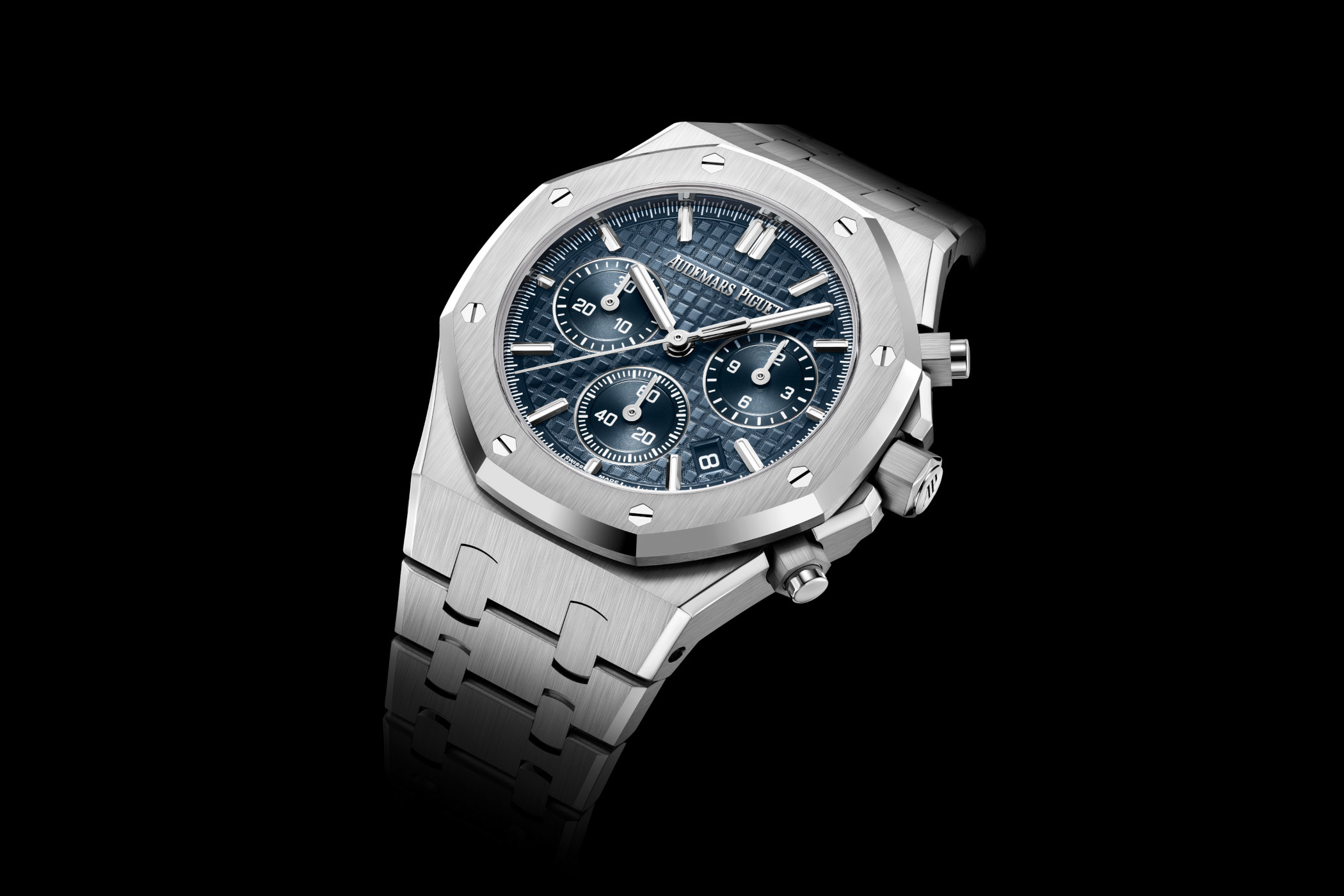
The 1185 powered some of the most-celebrated sport chronographs of the era. Blancpain Léman Chronograph (the home brand). Vacheron Constantin Overseas Chronograph (1996 launch and successors). Audemars Piguet Royal Oak Chronograph (selected late-1980s and 1990s references before the in-house 2385/2326/2389 chronograph family). Breguet Type XX variants. Selected Bulgari and Concord references. The 1185 was retired from new production around 2010-2012 as Blancpain (now part of Swatch Group) consolidated supply for Blancpain-only use, and Vacheron, AP and others moved to in-house chronographs (Vacheron 1142, AP 4400, etc.).
Architecture
Column wheel: smooth pusher feel, the premium switching method. Vertical clutch: axial coupling between seconds train and chronograph train, no jitter at start, no rate drop when the chrono runs. Integrated chronograph layer: the chronograph mechanism shares the gear-train geometry with the base movement (in contrast to a module bolted to a separate base, like the Cal. 11). 5.5 mm thick: enabled by miniaturisation of the column wheel (1.4 mm tall) and a very compact vertical clutch. 3 Hz beat: classical, lower than the 4 Hz industrial standard but conservative for long-term wear of the chronograph train. The base architecture is the same in the 1185 (40 mm rotor diameter), the 1186 (with retrograde minute counter), and the 1187 (with rattrapante / split-seconds).
Service notes
Service for a 1185-equipped watch runs USD 1,200-1,800 at the brand of origin (Blancpain, Vacheron, AP), with a 2-year warranty. Recommended interval: 5-7 years (the vertical clutch and the column wheel are precision parts that benefit from regular lubrication). Independent service is feasible but not common: parts are restricted to brand service channels, and the slim architecture requires specialist tooling. The 1185 is a robust caliber in service tradition; the documented failure modes are limited to the chronograph clutch (rare, age-related) and the column wheel (very rare). For the buyer of a 1990s-2000s Vacheron Overseas Chronograph or Blancpain Léman Chronograph, the 1185 is among the more service-friendly haute-horlogerie chronographs.
Comments 2