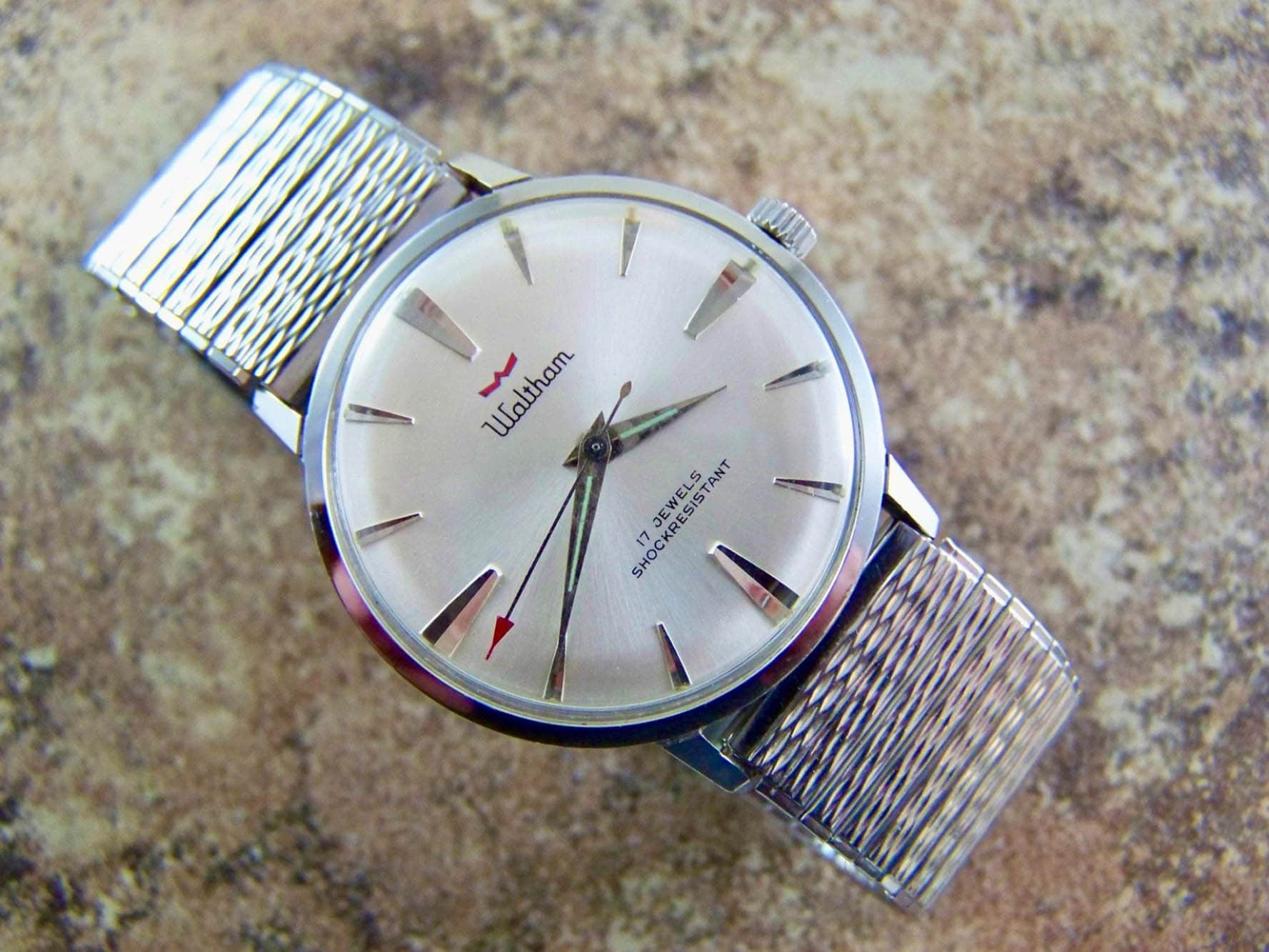
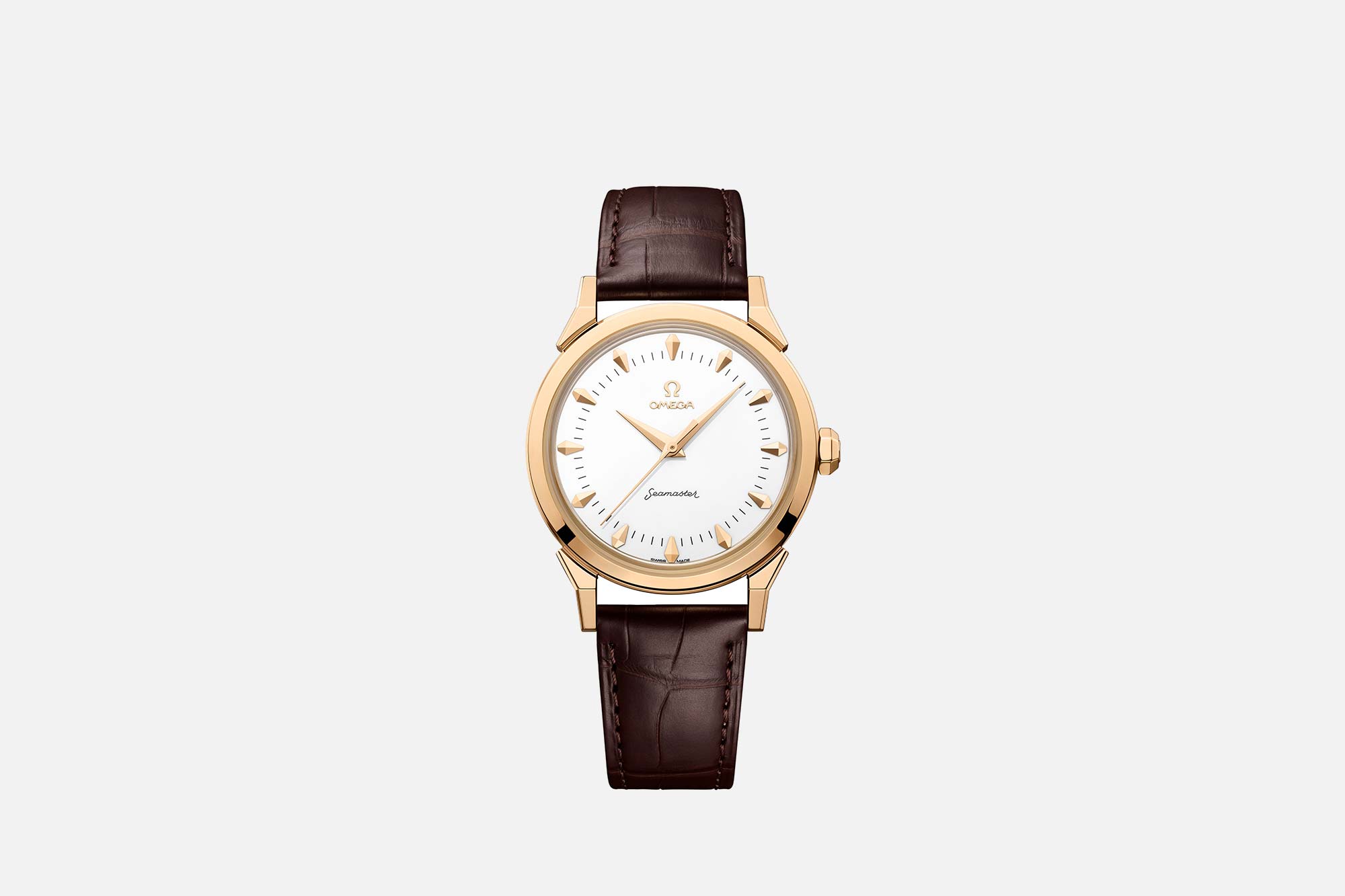
Dauphine hands are the elegant, faceted, tapered triangular hour and minute hands that define mid-20th-century European dress-watch design. The hand is a long isosceles triangle: the base is at the central pivot point, the apex points outward toward the dial edge. Down the centre of the triangle runs a polished raised ridge or central fold that divides the hand into two reflective facets; viewed from above, the ridge catches light differently from each side, producing a sense of three-dimensional depth that reads clearly even at small dial sizes.
The name dauphine means "dolphin" in French, but the term applied to hands is etymologically linked to the French royal title (Dauphin de France, the heir apparent to the French throne, whose ceremonial badge was a stylised dolphin); the visual link is to ornate French regal heraldry. The hand style was used in pocket-watch decoration through the 19th century before becoming the standard wristwatch dress hand in the post-war era.
"The dauphine is the only hand that catches light at three different angles in a single sweep. You see it on the wrist as a polished line, then a reflective surface, then a polished line again. That is mid-century horology in two strokes."- JLC design archive note, Master Ultra Thin reissue 2008
Production technique: dauphine hands are typically stamped from sheet steel or gold with the central ridge formed by a die press. The flat blade is then diamond-polished on both upper facets and the visible edges; the result is a hand that reflects light along the central ridge as a sharp line and along the upper facets as broader reflective fields. Steel hands may be blued by heat-treatment to produce the deep peacock-blue colour traditional on Breguet-style dress watches; gold hands are typically polished without further treatment.
The peak production era was 1945-1975, when essentially every European dress watch used dauphine hands. Omega's Constellation pie pan dials were paired with dauphine hands; JLC's Memovox, the early Reverso revivals, and Master Ultra Thin all used dauphine; Patek used dauphine on the early Calatrava 96 and many subsequent dress references; Vacheron used dauphine on the 1003-series ultra-thin and the Patrimony predecessors. Even Rolex used dauphine on the early Datejust, the Air-King, and the pre-1965 Day-Date, before transitioning to Mercedes hands on sport references and stick-baton hands on dress references.
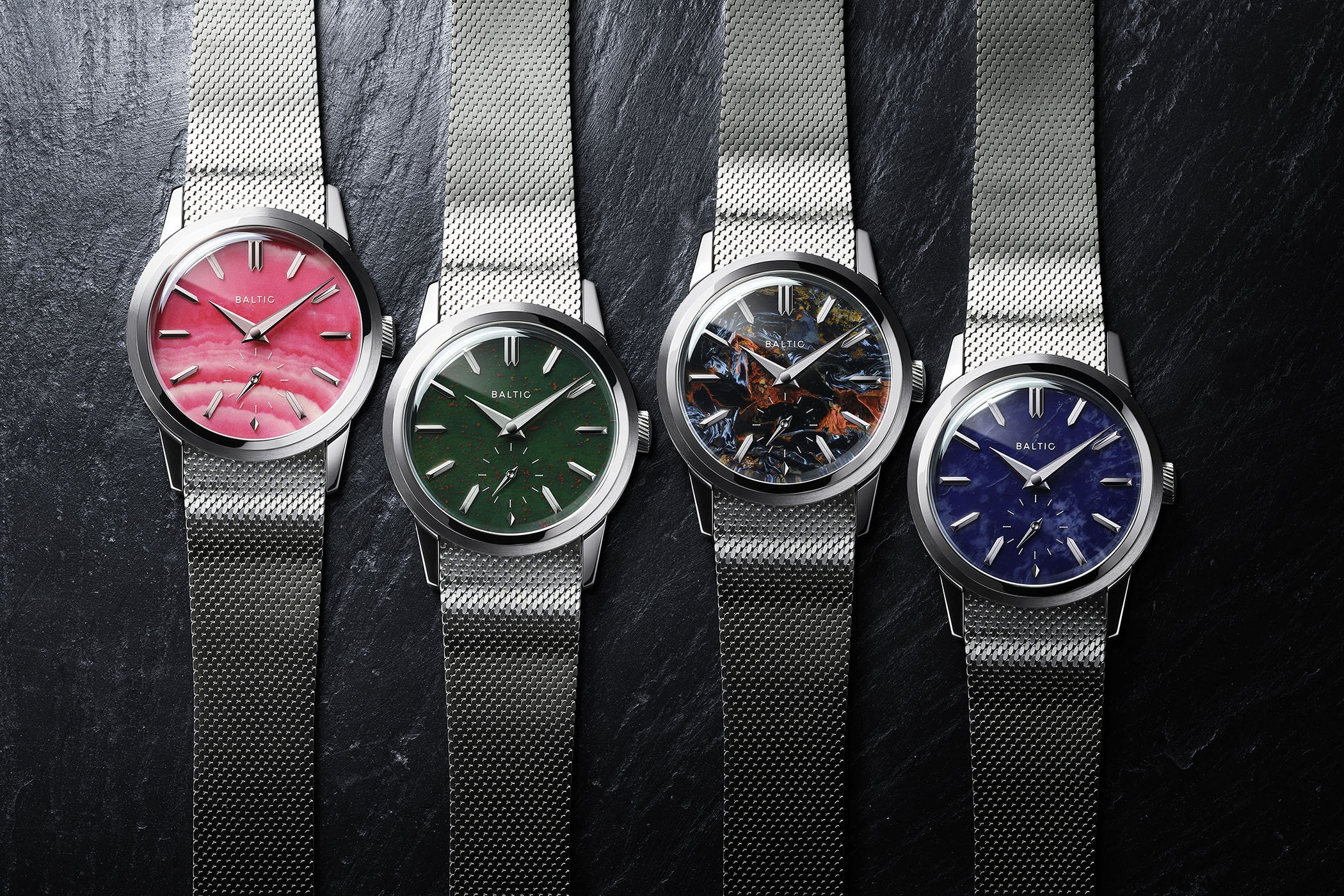
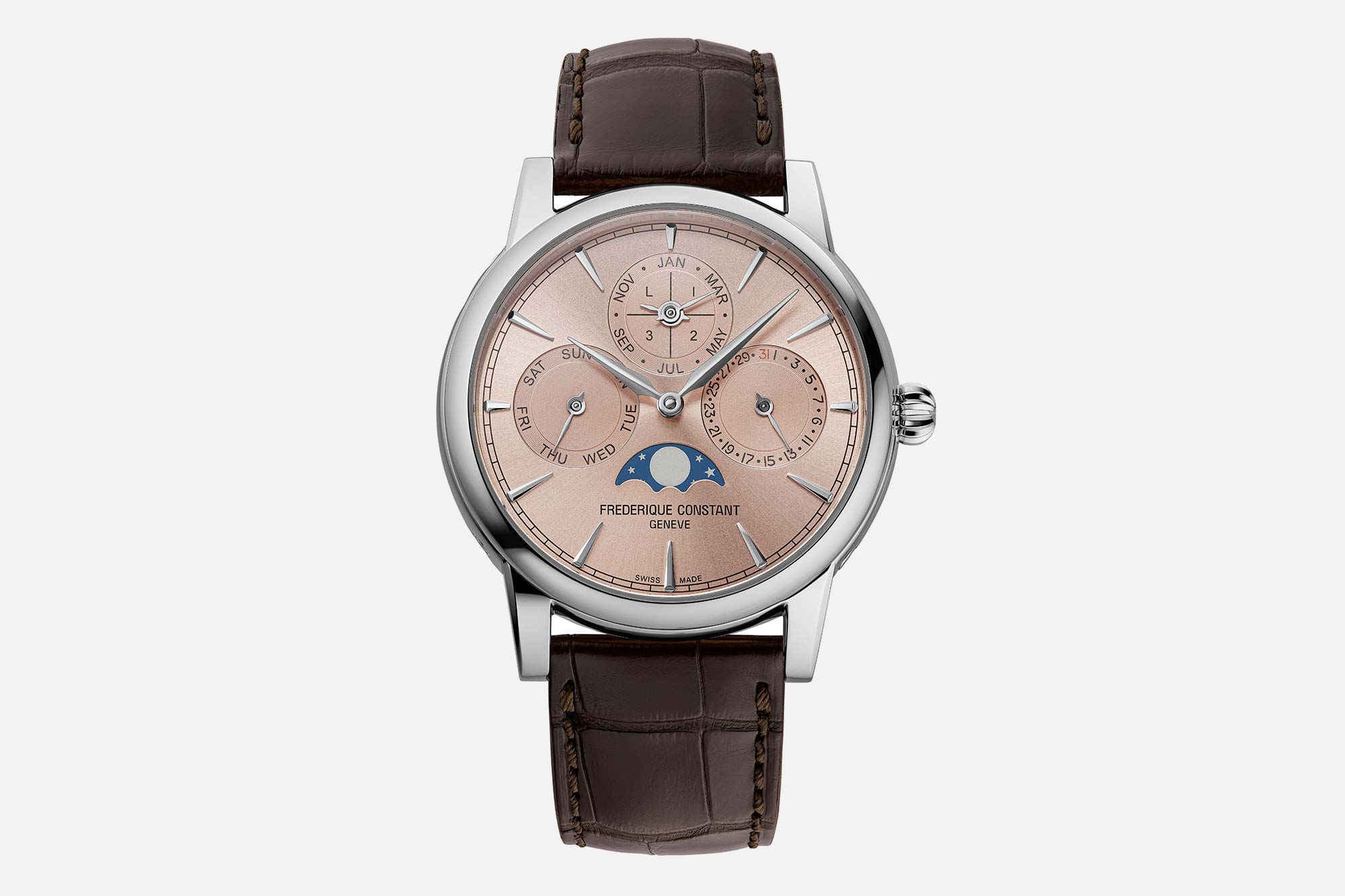
Modern haute-horlogerie continues to use dauphine hands as the canonical dress-watch format. The current Patek Calatrava 5196, Patek 5227, Vacheron Patrimony, JLC Master Ultra Thin, F.P. Journe Centigraphe (modified dauphine), and most Cartier dress references use the form. Microbrand and mid-tier dress watches often borrow the dauphine for vintage authenticity: Longines Heritage, Hamilton Intra-Matic, Junghans Meister, Mido Multifort, Frederique Constant Slimline. The hand is rarely seen on sport watches; that genre uses Mercedes hands (Rolex), Snowflake hands (Tudor), Plongeur (Doxa), or simple lume-filled batons.
In modern collector vocabulary, "dauphine hands on an applied-index dial" is shorthand for mid-century European dress watch. Variations exist: the "open dauphine" (used by Patek and Cartier on selected references) has the central ridge replaced by a thin slot or channel; the "alpha dauphine" (used on some 1950s Constellations) is slightly stockier and broader. Some haute-horlogerie watchmakers use a "feuille" (leaf) hand that is similar to dauphine but with a curved rather than straight outer edge; on most dials the difference is subtle.




Comments 1