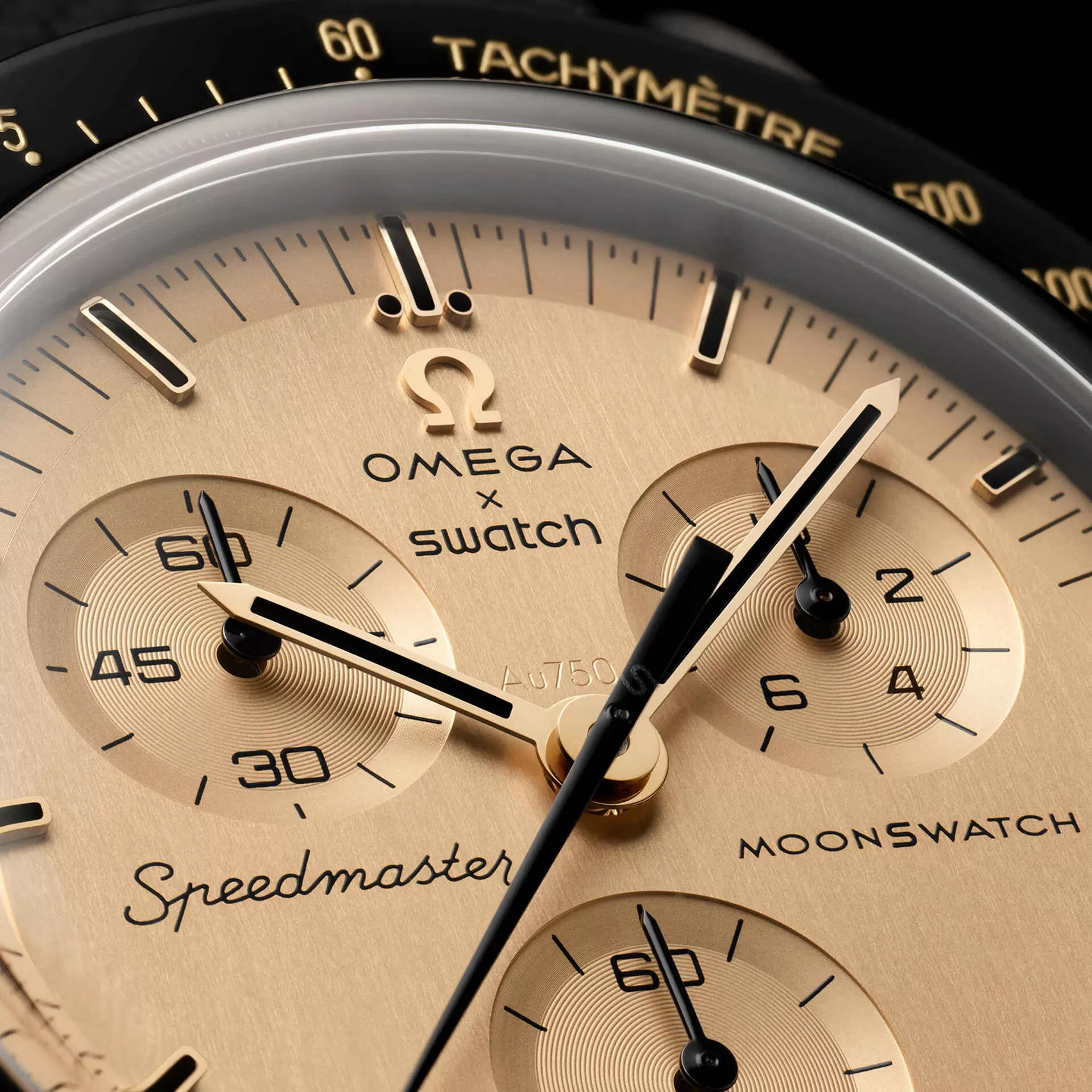
Louis Brandt was born around 1825 in La Chaux-de-Fonds, the watchmaking capital of the Swiss Jura that Karl Marx would describe in Das Kapital (1867) as "a single watchmaking factory" because so much of the town's economy revolved around the trade. The town's 19th-century watchmaking model was an établissage: a small entrepreneur would purchase rough movements (ébauches) from independent makers, components (springs, escapements, dials) from specialists, and assemble finished watches in a small workshop. This was the structure Brandt adopted when he founded Louis Brandt et Fils ("Louis Brandt and Sons") in 1848, age 23.
Brandt's firm produced key-wound silver and gold pocket watches for the European bourgeois market through the 1850s and 1860s. By the 1870s the firm employed roughly 12-15 people and was producing 700-1,000 watches per year, a respectable mid-tier établissage. Louis Brandt died in 1879, aged about 54, leaving the firm to his sons Louis-Paul (born 1854) and César Brandt (born 1858).
"The Cal. Omega took its name from the Greek alphabet because there was no further refinement possible after it." (1894 marketing memo)- Brandt brothers, internal document on the Cal. Omega 19 ligne
The Brandt sons made the transformational moves. In 1880 they relocated the firm to Bienne (Biel), a German-French bilingual city north of the Swiss Jura that offered both rail connections to the German market and access to a larger labour pool than La Chaux-de-Fonds could supply. In Bienne they invested in factory machinery and adopted American-style interchangeable-parts assembly (a similar bet to what Florentine Ariosto Jones had made in Schaffhausen a decade earlier). Production grew rapidly: by 1889 the firm was producing 100,000 watches per year, by 1900 roughly 240,000.
The legendary moment was 1894, when the firm released the Cal. Omega 19 ligne pocket-watch movement. The Greek letter Ω (the last letter of the alphabet) was chosen as a marketing badge implying the calibre was the ultimate of its kind, an end-point of pocket-watch refinement. The Cal. Omega ran with chronometer-grade accuracy, was easy to service, and was produced in tens of thousands of units per year through the next two decades. The brand name "Omega" became more famous than "Louis Brandt et Fils", and on 14 December 1903 the firm formally renamed itself Omega Watch Co. SA.
Both Brandt sons died in 1903 within months of each other (Louis-Paul in March, César in October), and the firm passed to their sons-in-law Paul-Emile Brandt (no relation to the original family despite the name) and Henri Rieckel. Paul-Emile Brandt led Omega through the early 20th century: the wristwatch transition, WWI service watches, and the 1932 partnership with the Swiss army that produced the cushion-cased Marine Diver. He was also the architect of the 1930 merger with Tissot and Lemania to form SSIH (Société Suisse pour l'Industrie Horlogère), the conglomerate that would later combine with ASUAG (Lange parent) under Nicolas Hayek's 1985 Swatch Group consolidation.
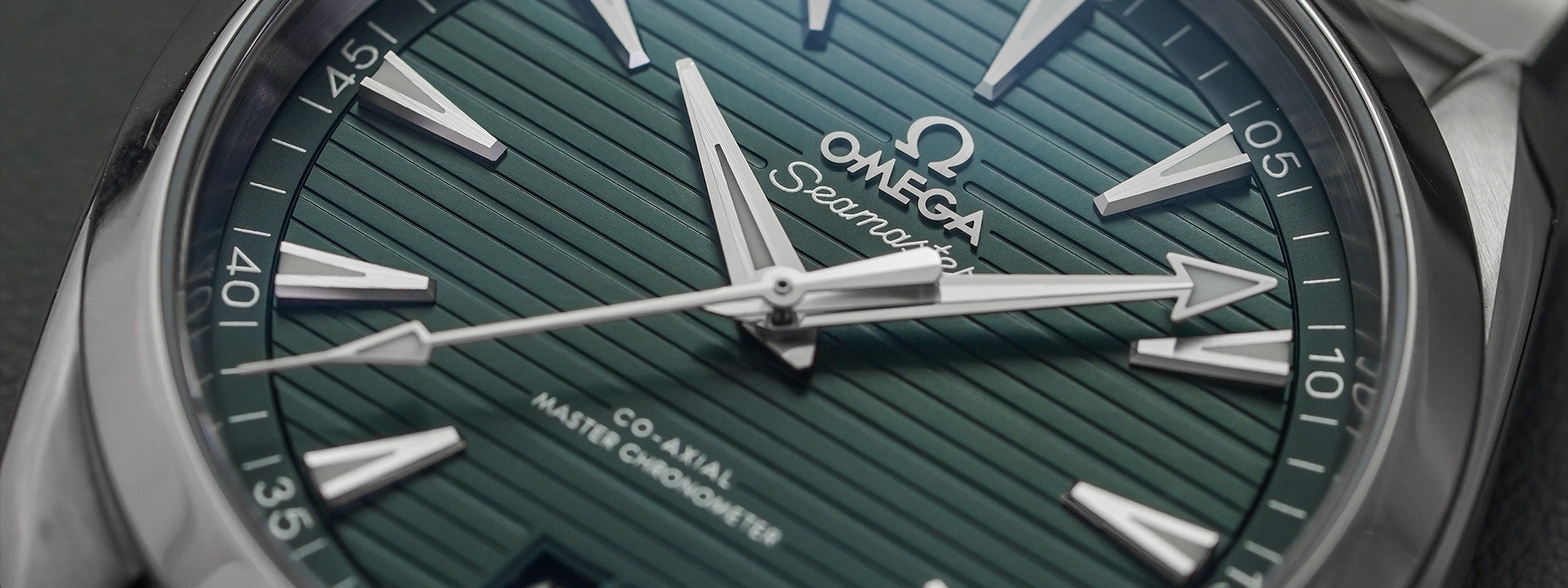
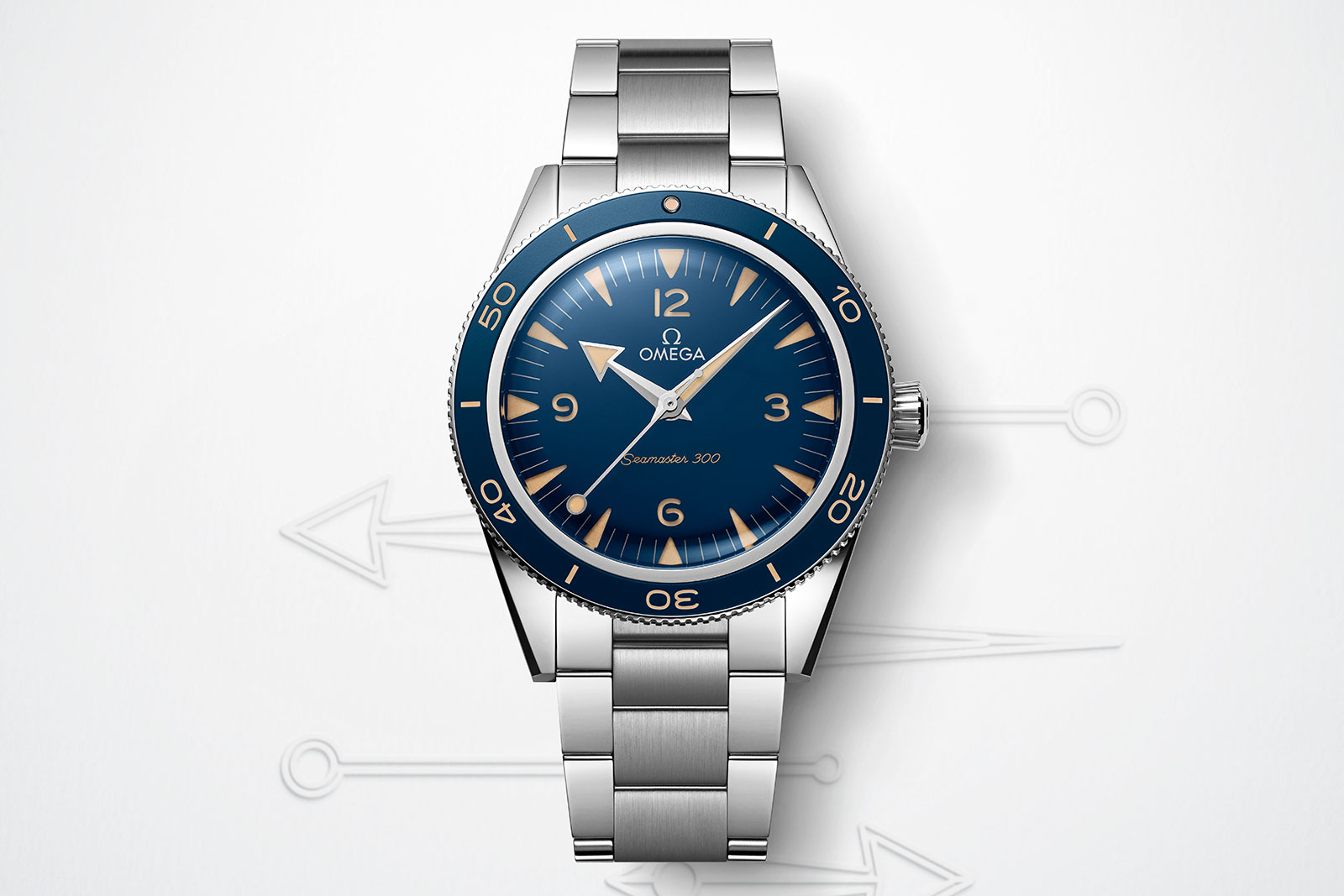
The Bienne factory founded by the Brandt sons is still the modern Omega headquarters; the cornerstone Brandt buildings on Stämpflistrasse have been continuously expanded but never abandoned. Modern Omega Cal. 8800/8900 Master Chronometers, the Cal. 3861 Speedmaster Moonwatch caliber, and every modern Seamaster Diver 300M are produced in the same Bienne campus where Louis-Paul and César Brandt installed their first interchangeable-parts machinery in 1880.



Comments 1