
METAS is the Swiss federal metrology authority, equivalent to the U.S. NIST or the German PTB. Its primary mission has nothing to do with watchmaking: METAS maintains Switzerland's national standards for length, mass, time, electrical units, and chemical composition, and audits commercial measurement instruments (taxi meters, fuel pumps, retail scales). The institute is headquartered in Wabern, a suburb of Bern, and operates under the Swiss Federal Department of Justice and Police.
In 2014-2015 METAS partnered with Omega on a new whole-watch certification programme positioned as an answer to the limitations of COSC. The COSC test certifies the bare movement only; performance can degrade after the watch is cased and the rotor, dial, and hands are added; magnetism in particular degrades any standard hairspring rate by tens of seconds per day. The METAS protocol, launched in 2015 and rolled out across Omega and selected partners thereafter, was designed to certify whole, cased watches against both timekeeping and magnetism.
"With Master Chronometer we are no longer certifying a movement on a bench. We are certifying the watch on the wrist, including everything that can go wrong after the case is closed."- Omega R&D explanation of the Master Chronometer rationale
The Master Chronometer protocol consists of eight tests: (1) functioning of the movement during exposure to a 15,000 gauss / 1.5 tesla magnetic field; (2) functioning of the watch (cased) under the same field; (3) deviation in rate after exposure to 15,000 gauss; (4) deviation in rate (timekeeping) at 0% and 100% wind, in six positions; (5) water resistance; (6) power reserve verification; (7) chronograph timing accuracy (where applicable); (8) overall mean daily rate within 0/+5 seconds on the cased watch. Watches that pass all eight earn the "Master Chronometer" mark on the dial.
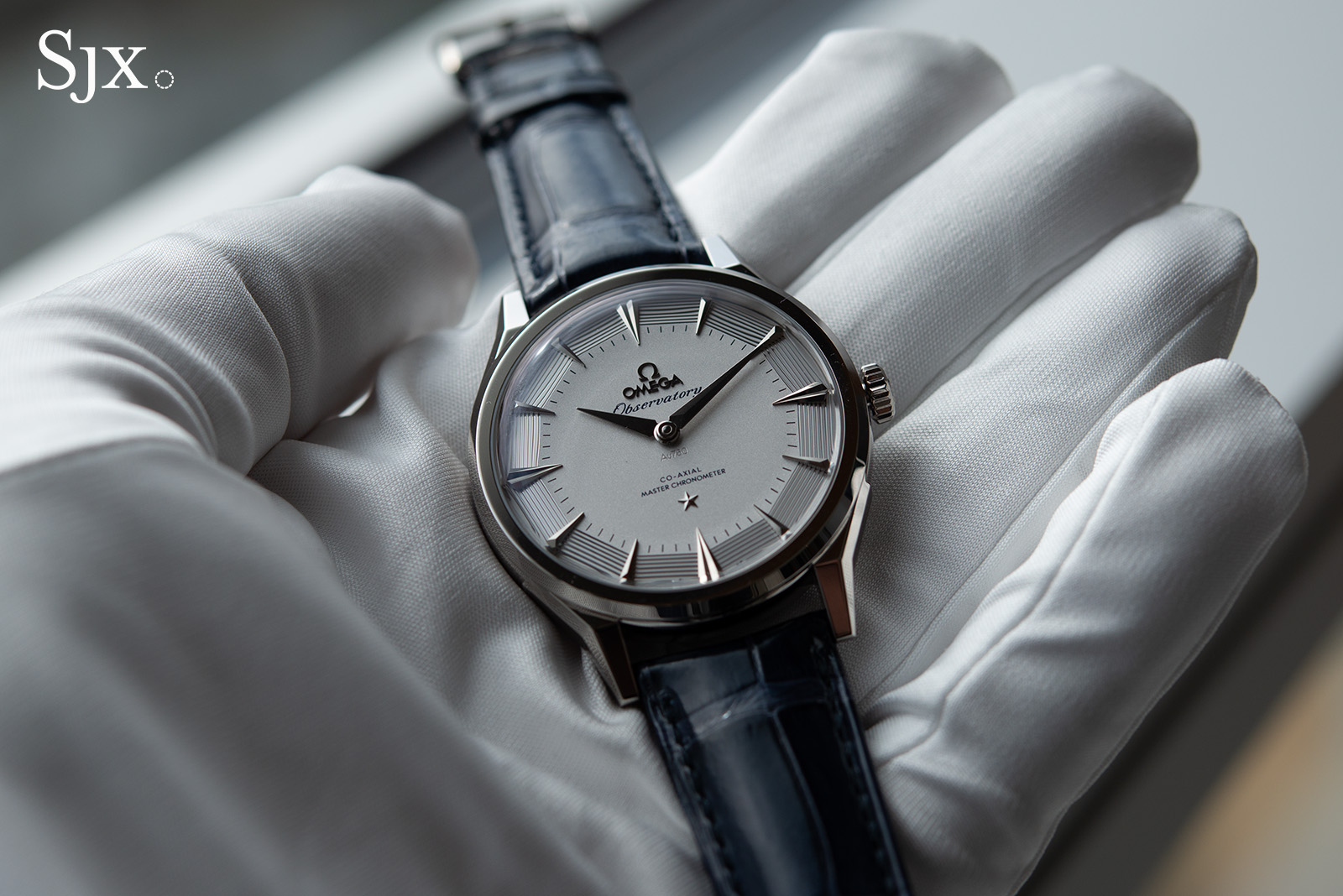
The certification is built on top of COSC. The bare movement is COSC-certified first (-4/+6 sec/day, ISO 3159); the cased watch is then submitted to METAS for the Master Chronometer protocol. Both marks appear on the dial: "Co-Axial Master Chronometer" on Omega watches, for example, signals the COSC base, the Master Chronometer whole-watch test, and the proprietary Co-Axial escapement. METAS certifies on a per-watch basis: every Master Chronometer watch is individually tested, with its serial number registered and a passport-style certificate available online.
The 15,000 gauss specification is the most distinctive technical claim of the programme. Standard Swiss hairsprings (Nivarox, Spiron) are degraded by magnetic fields above ~60 gauss; conventional anti-magnetic Faraday-cage construction (IWC Ingenieur, Rolex Milgauss) blocks ~1,000 gauss. The 15,000 gauss specification is achieved through silicon balance springs and largely non-magnetic component selection (silicon, copper-beryllium, and titanium replacing magnetic steels at critical points), eliminating the need for a soft-iron inner case. The result: a watch that runs through MRI-machine fields without rate degradation, a benchmark no other commercial certification matches.
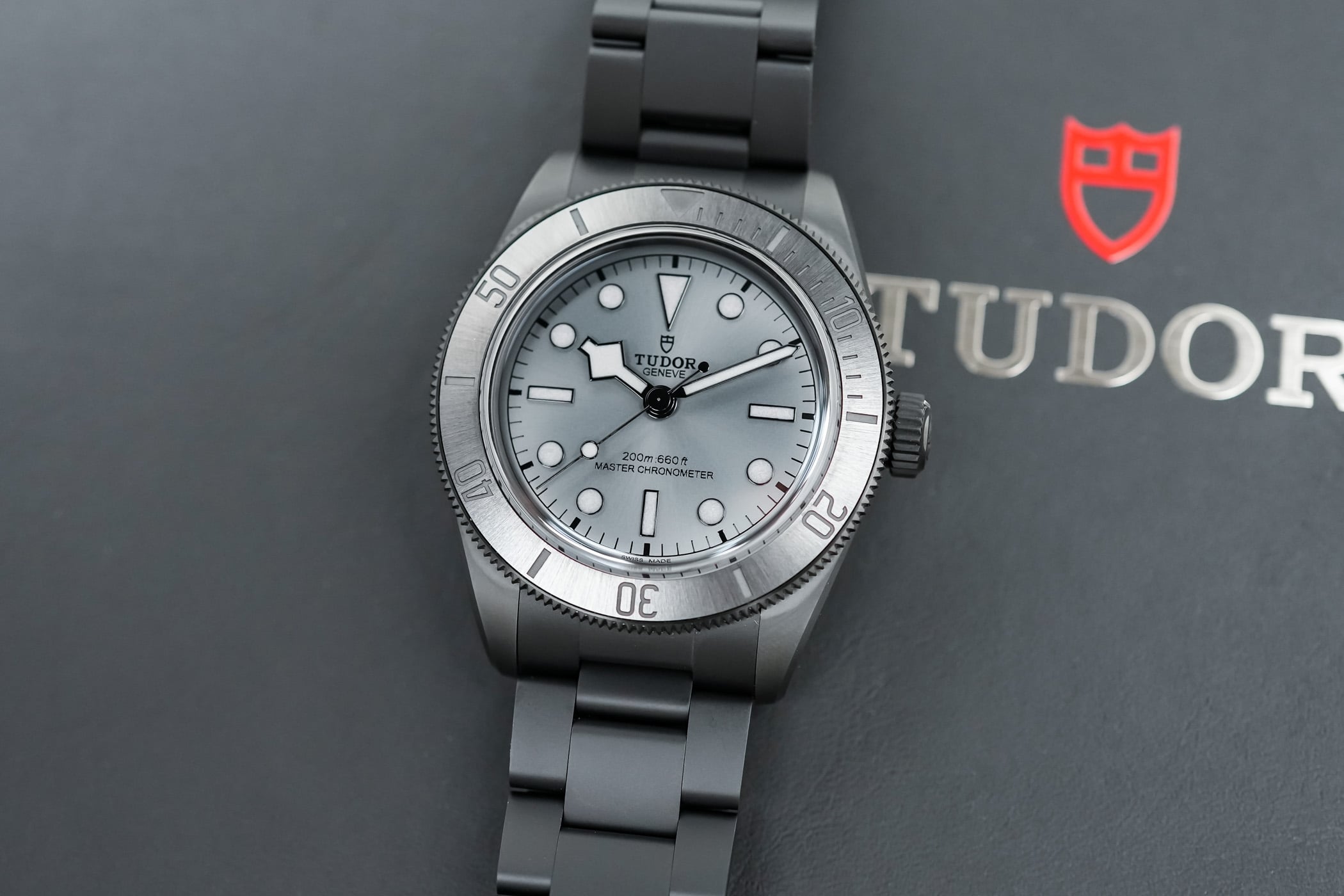
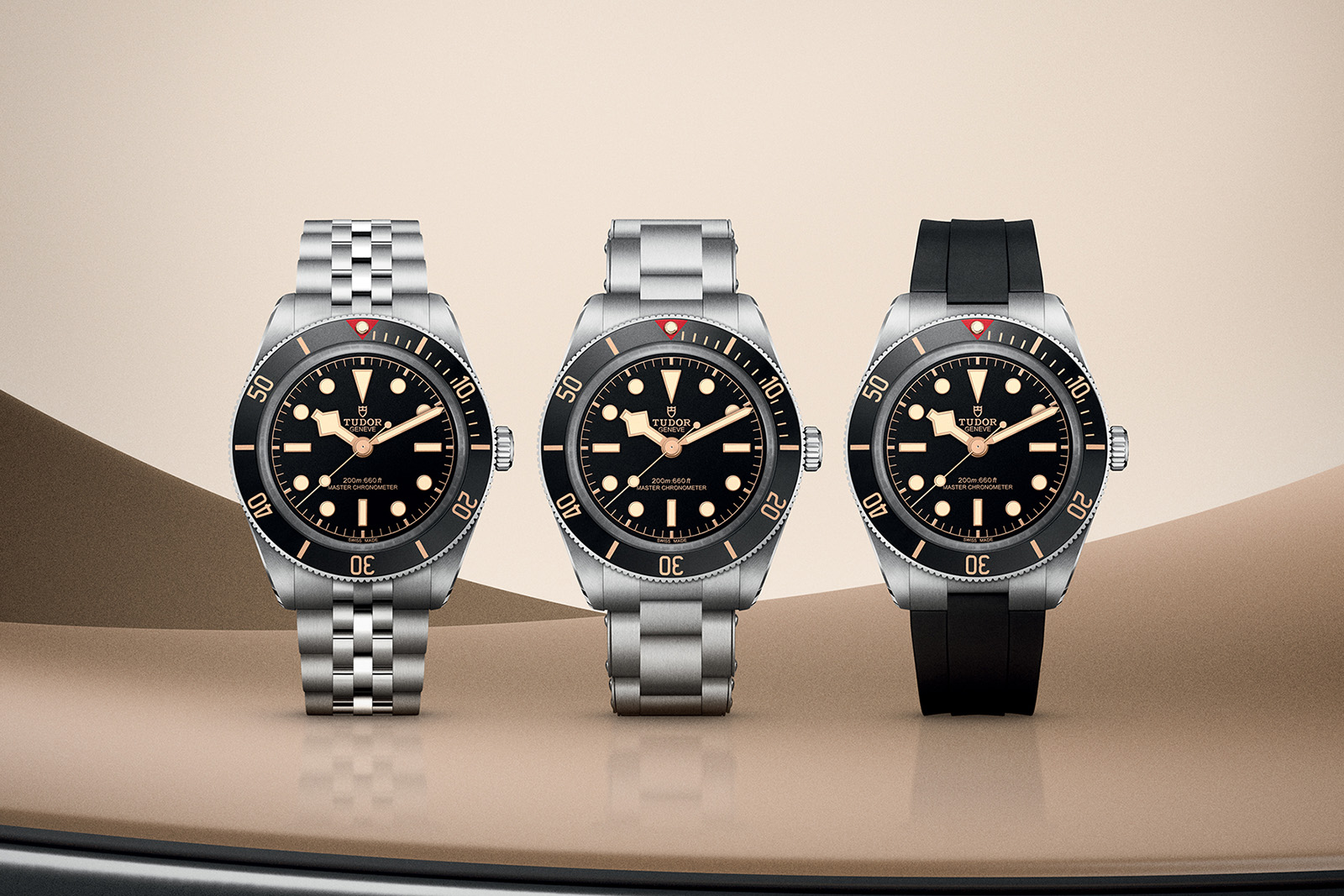
Master Chronometer is now standard across the modern Omega catalogue (Speedmaster Cal. 3861, Seamaster 8800/8900, Aqua Terra 8500); it has also been adopted by selected non-Omega partners including Tudor (Pelagos FXD METAS, 2024), Mido (limited high-spec references), and a small number of others. The programme is open in principle to any Swiss brand willing to submit movements that pass the eight-test specification; in practice the technical demands (in particular the 15,000 gauss spec) limit the field to brands with silicon-hairspring engineering. The programme is administratively independent of the COSC bureau but functionally complementary.







Comments 2