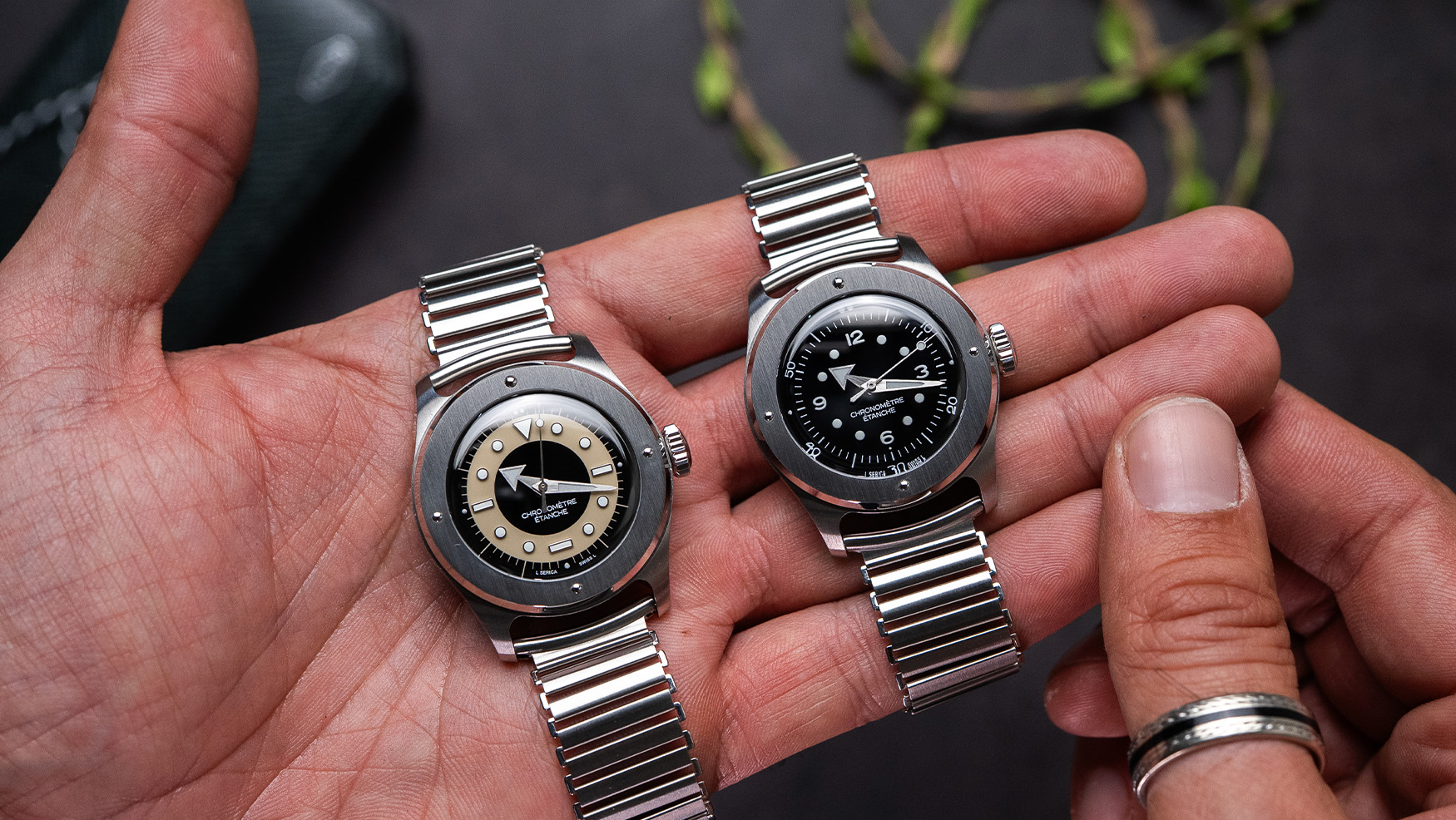
COSC (Contrôle Officiel Suisse des Chronomètres) was constituted on 6 June 1973 in La Chaux-de-Fonds by the cantons of Bern, Geneva, Neuchâtel, Solothurn and Vaud together with the Federation of the Swiss Watch Industry (FH). The bureau replaced the older cantonal observatory chronometer trials (Neuchâtel, Geneva, Besançon) that had been the reference performance tests of the Swiss industry since the late 19th century. The cantonal observatories continued in modified form, but COSC became the unified industrial-scale certification body for serial production.
COSC tests against ISO 3159: 1976 "Timekeeping instruments, wrist chronometers with spring balance oscillator". The procedure measures an untimed mechanical movement (not a complete watch) over 15 consecutive days at three temperatures (8°C, 23°C, 38°C) and in five positions (crown left, crown up, crown down, dial up, dial down). Seven criteria are scored: mean daily rate, mean variation in rates, greatest variation in rates, position difference, largest variation, thermal variation, and rate resumption. For movements ≥ 20 mm the mean daily rate tolerance is -4 / +6 seconds per day; for smaller movements it relaxes to -5 / +8.
"COSC is a movement-only test. It tells you the movement runs to spec on the bench. What it does not tell you is whether the watch on your wrist will hold that rate after the case, dial, hands, and rotor are added on top of it."- Contemporary watchmaker, on the limits of COSC
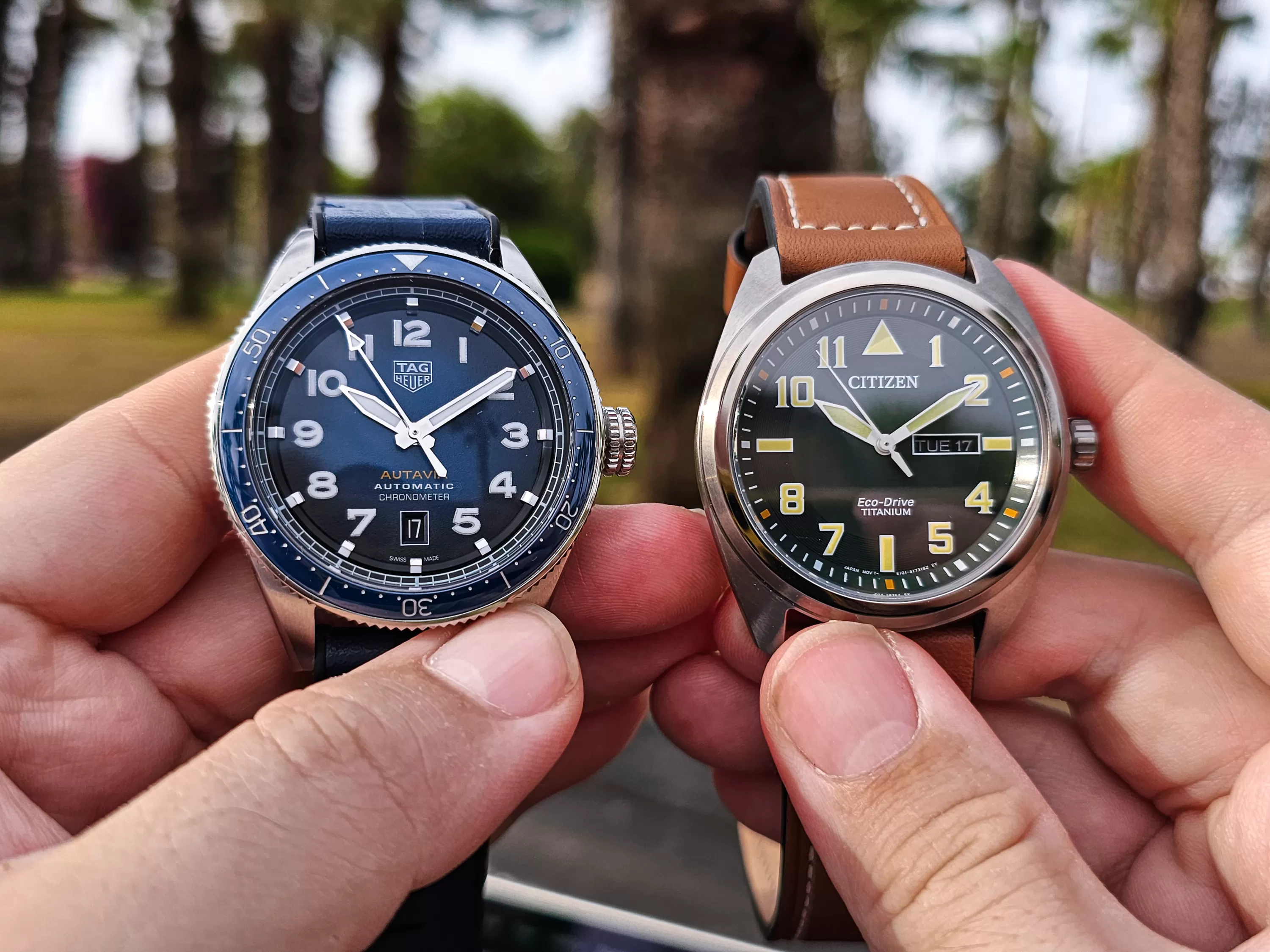
COSC operates from three regional laboratories: the original Le Locle facility, plus Saint-Imier (the Longines / Bulgari catchment) and Bienne (the Omega / Rolex Bienne catchment). Movements arrive in standard test bins and are subjected to fully automated rate-measurement on micro-scale benches. Each individual certified movement is given a unique serial number and registration with the bureau; the customer brand may then engrave or print "Officially Certified Chronometer" or "Chronomètre Officiellement Certifié" on the dial.
Volume is dominated by a small number of brands. Rolex alone submits roughly 1 million movements per year (every modern Rolex carries the Superlative Chronometer dial mark, which builds on COSC). Omega submits the great majority of its mechanical watches as a precondition for the in-house Master Chronometer programme. Breitling certifies its entire mechanical catalogue. Mido, Tudor, Chopard, and a handful of independents contribute the remainder; total annual output is around two million chronometers.
COSC certification is sometimes described as "easy" or "the entry-level chronometer test"; this is a misunderstanding. The -4/+6 tolerance is tighter than every consumer-watch performance specification except in-house brand certifications that build on COSC. What is true is that mass-production movement quality (Rolex Cal. 3235, Omega 8800/8900, ETA 2892-A2 chronometer-grade) routinely exceeds the COSC bar by a wide margin; the test certifies a baseline rather than a ceiling. Brands whose marketing leans on outperforming COSC stack additional whole-watch certifications on top: Rolex Superlative Chronometer (-2/+2 cased), Omega Master Chronometer (0/+5 cased + 15,000 gauss anti-magnetism, see METAS), Patek Philippe Seal, Geneva Seal.
COSC certification is per-movement and one-time; it does not include the case, dial, hands, or service intervals. A watch that has gone out of timing through normal wear or shock is not "decertified" in any formal sense, only in lay marketing. Resubmission for re-certification is not standard; in practice the brand-level whole-watch certifications (Master Chronometer, Superlative Chronometer) are the consumer-warranty timekeeping commitments that follow the watch through service.



Comments 2