Watch brandsWatch wikiWatch videosVariousWatch calendarSaved articles
PopularRolexOmegaPatek PhilippeAudemars PiguetTudorGrand SeikoCartierSeikoIWCTAG HeuerBreitlingJaeger-LeCoultreA. Lange & SohneZenith
WristBuzzWatch WikiMicrobrand Watches
🏢 Industry · Direct-to-Consumer · Internet Era

Microbrand Watches

The internet-era watch brands of small production volume, direct-to-consumer sales, and big-brand-quality construction at one third the price.

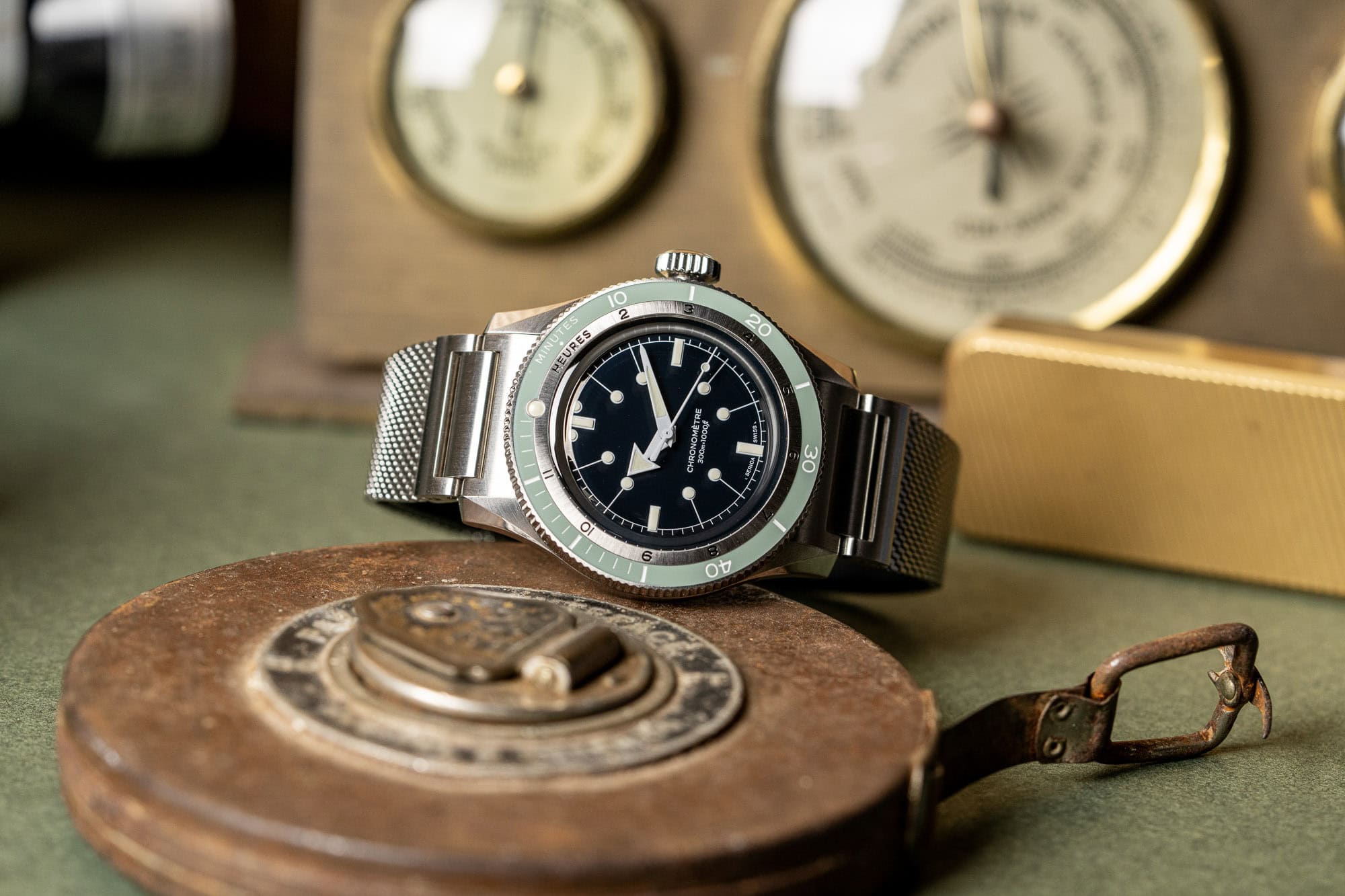
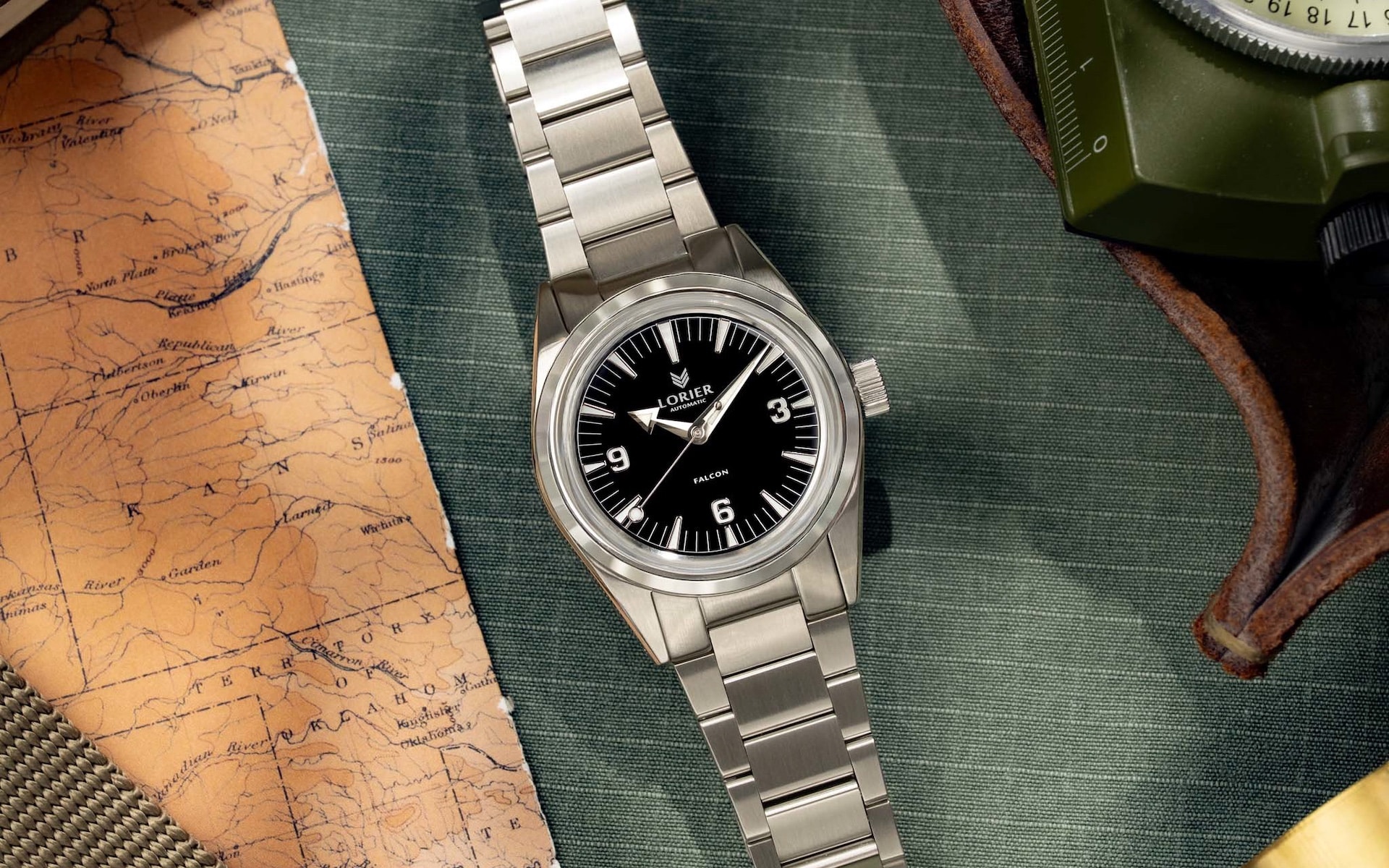
A microbrand is a small-volume independent watch brand typically producing under 5,000 watches per year, selling direct to consumer via its own website rather than through authorised dealers. The category emerged in the 2010s as the convergence of three forces: (1) Sellita and ETA-base movement availability (the post-2002 ETA throttle opened third-party movement supply); (2) Chinese case-and-component manufacturing at Swiss-quality at one-third the cost; and (3) Kickstarter / direct-to-consumer e-commerce as a new go-to-market channel. Modern microbrands like Baltic, Serica, Farer, Massena LAB, Nodus, Lorier, and dozens of others deliver Swiss-spec mechanical watches at USD 500-1,500 retail; the category now represents a meaningful slice of the modern watch market.

ProductionTypically under 5,000 watches per year
Sales channelDirect-to-consumer (website / Kickstarter / IndieGoGo)
MovementMostly Sellita / Miyota / <a href="/watch-calibers/seiko-nh35/">NH35</a>; selected ETA
Price tierUSD 300-2,500 retail typical
Defining era2010s onward
Notable brandsBaltic, Serica, Farer, Massena LAB, Nodus, Lorier, Halios, Ming, Studio Underd0g
WristBuzz Articles475
Microbrand Watches

Photo: Teddy Baldassarre · 3 days ago

<5kWatches/yr
DTCSales Model
$500-1,500Price Tier
2010sDefining Era
475WristBuzz Articles

The Microbrand Watches Story

The microbrand category is a 21st-century phenomenon enabled by three converging forces. (1) Movement supply: after ETA's 2002 announcement that it would throttle third-party sales, Sellita emerged as a near-clone alternative supplier; Miyota (Citizen) and Seiko NH35 opened Japanese movement supply at lower cost. By the mid-2010s any small brand could buy chronometer-grade automatic movements in modest quantities at predictable prices. (2) Manufacturing: Chinese case, dial, and bracelet manufacturers (mostly in Shenzhen and Guangdong) reached Swiss-spec quality at 30-40% the cost; tooling-development costs dropped accordingly. (3) Channel: Kickstarter, IndieGoGo, Shopify, and direct-to-consumer e-commerce eliminated the traditional 50-60% retail markup; brand-to-customer cost-of-sale became 5-15%.

The structural advantage of microbrands over traditional Swiss volume brands is cost efficiency at small scale. A traditional Swiss brand selling through authorised dealers needs ~3-4× cost-to-retail markup (cost CHF 300 → AD wholesale CHF 600 → retail CHF 1,200) to support the dealer network. A direct-to-consumer microbrand needs ~2× markup at most (cost CHF 300 → retail CHF 600); the saved margin can go to better materials, more complex finishing, or simply lower price. The net effect: microbrand watches at USD 500-1,500 retail can match the build quality of CHF 2,000-3,000 traditional Swiss watches.

"Sellita supplied the engine. China supplied the case. Kickstarter supplied the customer. We supplied the design. The microbrand is a four-supplier business and it works."- Microbrand founder, on the structural advantage

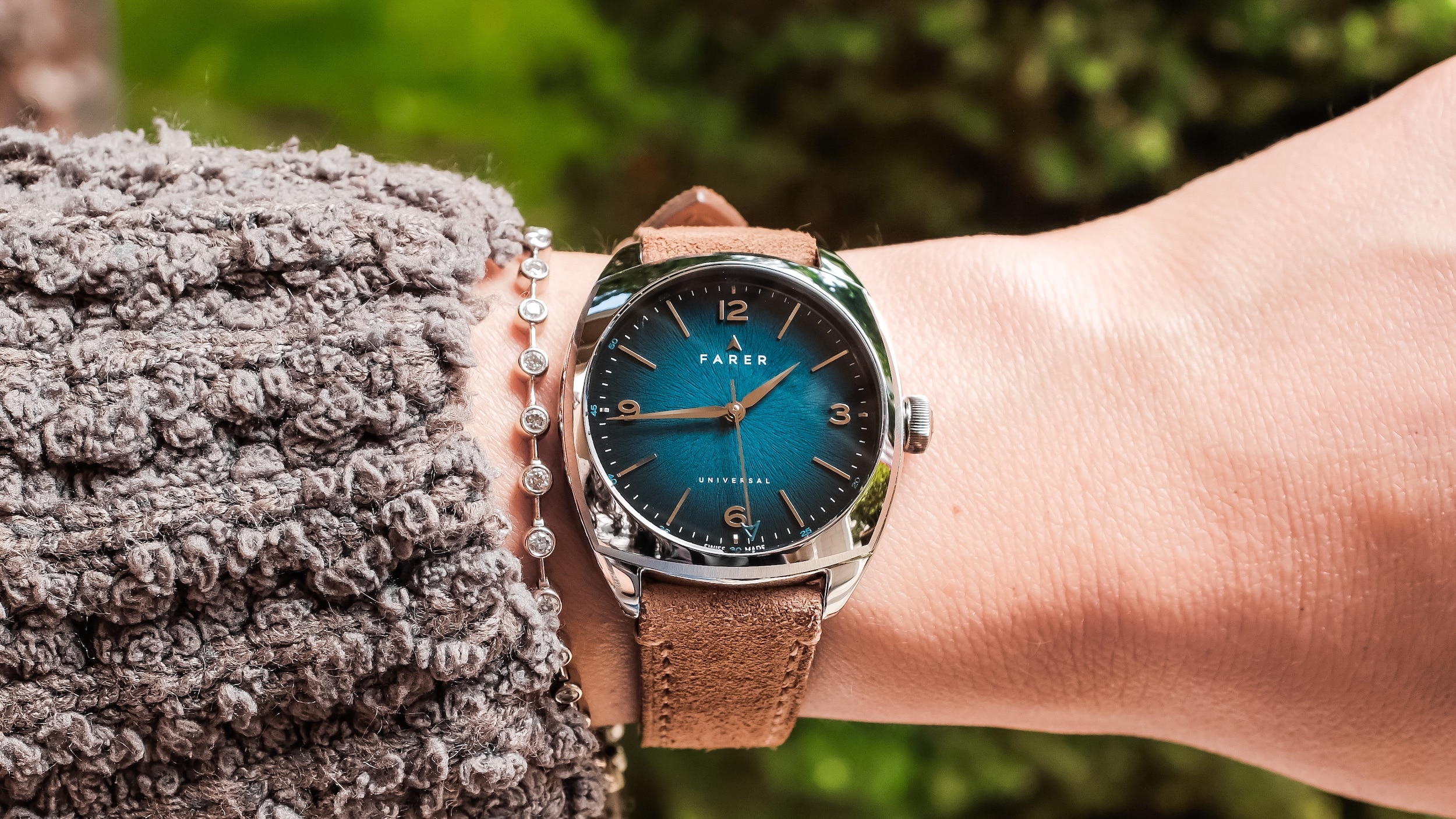
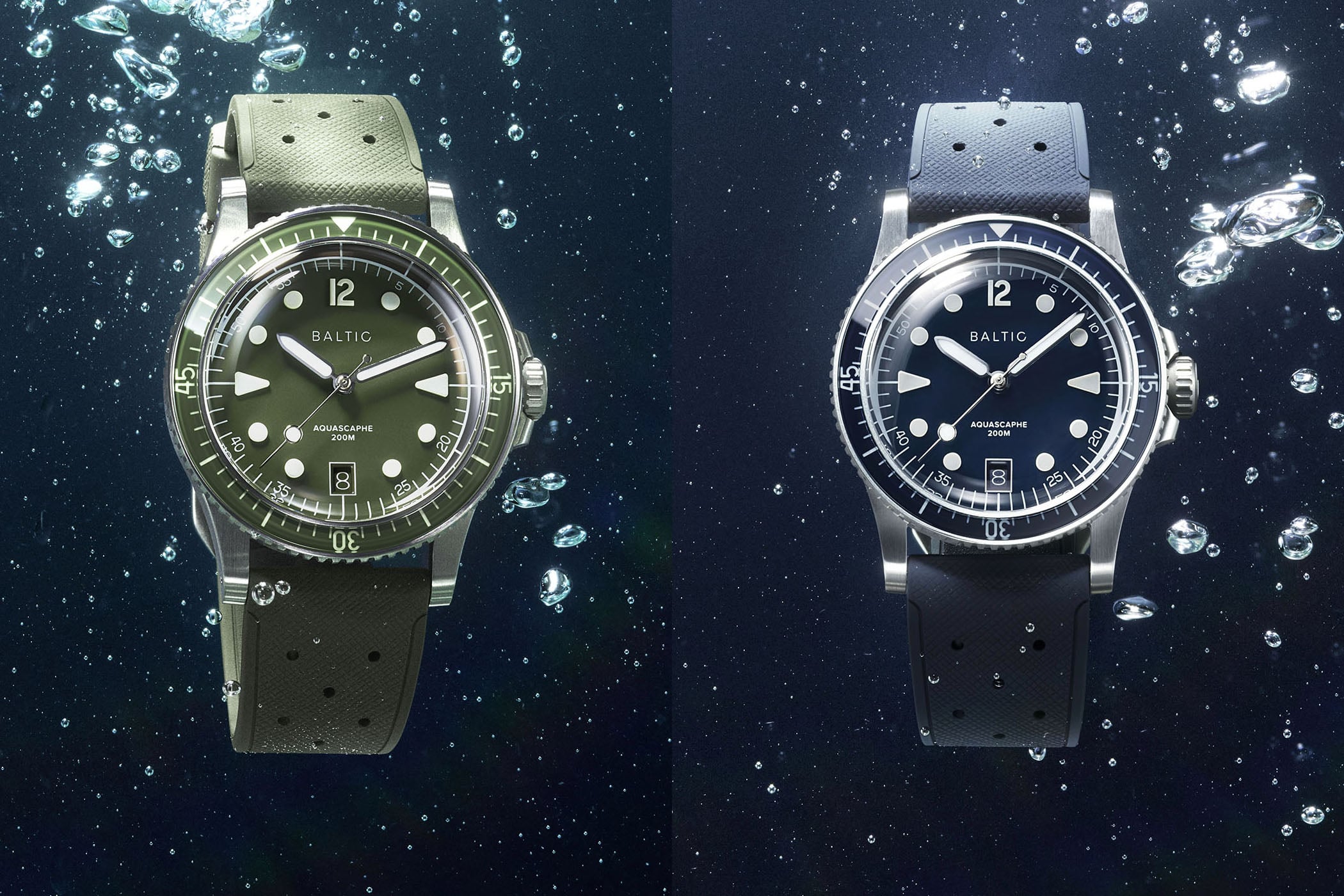
The defining microbrand brands of the modern era include: Baltic (France, vintage-aesthetic divers and chronographs at USD 500-1,200); Serica (France, military-aesthetic field watches and divers at USD 1,000-2,500); Farer (UK, distinctively colourful vintage-modern designs at USD 800-2,000); Massena LAB (William Massena, USD 1,500-5,000 with quality Swiss components); Nodus (USA, technical microbrand divers at USD 500-1,200); Lorier (USA, vintage-style divers and pilots); Halios (Canada); Ming (Malaysia, technical-aesthetic at USD 2,000-15,000); Studio Underd0g (UK, fruit-themed chronographs at USD 1,000-2,500). Each represents a distinct strategic position within the broader microbrand category.

Quality variability is the defining microbrand challenge. The category includes both excellent execution (Baltic, Ming, Massena, Halios) and questionable execution (the Kickstarter graveyard of underspec'd watches that failed to deliver on promises). Common red flags: generic case designs (purchased off-the-shelf from Chinese case makers without modification); vague movement claims ("Swiss" without specifying Sellita SW200 or actually being Chinese clone); unrealistic delivery timelines (Kickstarter watches frequently ship 12-24 months late); and poor after-sales support. Established microbrands have built reputations through 5+ years of consistent delivery; new entrants warrant due diligence.

The relationship with traditional Swiss brands is complicated. Some microbrands (Baltic, Serica) are explicit competitors at the entry-mid tier (CHF 500-1,500); some (Massena LAB, Ming) compete with mid-tier Swiss at CHF 2,000-15,000. Tudor, Hamilton, Tissot, and Mido (Swatch Group volume brands) feel the most direct pressure from the lower-priced microbrand segment; Rolex, Omega, Patek (premium and haute-horlogerie tiers) feel essentially no pressure. Some Swiss brands have responded by direct-to-consumer programmes of their own (Hamilton Khaki direct, Tissot e-commerce); others have ignored the segment.

For buyers, the practical guide: microbrands offer real value at the entry tier (USD 500-1,500); the build quality has caught up with traditional Swiss volume brands. The trade-off is brand recognition (a Tag Heuer carries more cultural weight than a Baltic), resale value (microbrand watches typically lose 30-50% on the secondary market vs ~20-30% for established Swiss brands), and service network (microbrand service is often factory-direct only, with shipping cost and turnaround risk). The microbrand category rewards the buyer who values watch quality over signal.

Notable Microbrands

2017+ · Baltic
Aquascaphe / Bicompax
HMS / MR01

French vintage-aesthetic microbrand. Aquascaphe diver, MR01 chronograph, Bicompax. USD 500-1,200.

French Vintage
2019+ · Serica
5303 / 6190
5303

Military-aesthetic French microbrand. ISO 6425 divers + WWII pilot pieces. USD 1,000-2,500.

Military Aesthetic
2015+ · Farer
Universal Field Chronograph
Various

Distinctive colourful design language; vintage-modern. USD 800-2,000.

Colourful Vintage
Modern · Ming
17.06 / 22.01 / 27.02
Various

Malaysian technical-aesthetic upper-tier microbrand. USD 2,000-15,000+. Distinctive sapphire crystal dials.

Upper-Tier
2020+ · Studio Underd0g
Watermelon / Mango / Pineapple
Watermelon

UK fruit-themed chronograph microbrand. USD 1,000-2,500. The personality-led microbrand reference.

Personality-Led

Latest Microbrand Watches News

Microbrand Watches
WatchAdvice
Does Vacheron Constantin’s Overseas 34.5 Redefine Watch Sizing? (Hands-On)
12h ago
Microbrand Watches
Worn & Wound
Lorier Re-Introduces Four of their Classics: the Neptune, Hyperion, Astra, and Falcon
Yesterday
Microbrand Watches
Two Broke Watch Snobs
11 Dress Watches Under $1k We Reviewed That Impressed Us
Yesterday
Microbrand Watches
Hodinkee
Hands-On: The Haim Watch Co. Annum
3 days ago
Microbrand Watches
Teddy Baldassarre
Santurce Collection Review: The Microbrand Changing The $1,000 Tool Watch Game
3 days ago
Microbrand Watches
Two Broke Watch Snobs
The Best Microbrand GMT Watch Just Got A Forged-Carbon Glow-Up
Jul 16, 2026
Microbrand Watches
Teddy Baldassarre
Prevail Watches Review: The Best Microbrand Field Watch?
Jul 13, 2026
Microbrand Watches
Two Broke Watch Snobs
Microbrand Dive Watch Showdown: Raven Trekker vs Nodus Sector Deep
Jul 9, 2026
Microbrand Watches
Fratello
Indies Only! Dreaming Up My Ideal Microbrand-Only Watch Collection
Jul 9, 2026
Microbrand Watches
Teddy Baldassarre
Studio Underd0g Debuts Next Generation 02SERIES With Two New Colors
Jul 6, 2026
Microbrand Watches
Hodinkee
Introducing: The Studio Underd0g 02Series Gen 2
Jul 6, 2026
Microbrand Watches
Teddy Baldassarre Videos
We Bought a $42 Watch From India
Jul 5, 2026
View all 475 articles

Learn More

Comments 1

  1. Ravi
    The USD 500-1,500 price band is interesting from a depreciation angle. A Sellita-powered microbrand like Serica or Baltic should hold 55-65% of retail over 3 years, assuming no QC issues. That's better depreciation per year than entry-level Seiko prospex, worse than Tudor. Cost of ownership for a 5-year hold comes to roughly 8-12% annually. Worth calculating before purchase.

Leave a comment

All comments are reviewed before they go live. Email is for our records only - it's never published.