Watch brandsWatch wikiWatch videosVariousWatch calendarSaved articles
PopularRolexOmegaPatek PhilippeAudemars PiguetTudorGrand SeikoCartierSeikoIWCTAG HeuerBreitlingJaeger-LeCoultreA. Lange & SohneZenith
WristBuzzWatch WikiManufacture vs Etablisseur
🏢 Industry · Movement Sourcing · The Core Distinction

Manufacture vs Etablisseur

The structural difference between brands that make their own movements (manufactures) and those that buy them from suppliers (etablisseurs).

In Swiss watchmaking, a manufacture (also: in-house) is a brand that designs and produces its own movements; an établisseur is a brand that buys movements from third-party suppliers (typically ETA, Sellita, Soprod, or Kenissi) and assembles complete watches around them. Historically, the établisseur model dominated: through the 18th and 19th centuries the Swiss industry was structured as a network of specialised component makers (cases, dials, hands, escapements, plates), with brand-name "établisseurs" purchasing from each and assembling watches for sale. The manufacture model is the modern marketing position, often associated with premium pricing, but also the technical reality for the high-end of the industry.

ManufactureBrand that designs and produces its own movements in-house
EtablisseurBrand that buys movements from third-party suppliers
Default supplierETA (Swatch Group); alternatives: Sellita, Soprod, Kenissi
Manufacture brandsPatek, AP, VC, Rolex, Lange, JLC, Breguet, GlashĂĽtte Original, Grand Seiko, Bvlgari, Zenith
Etablisseur brandsMost microbrands, mid-tier (Hamilton, Mido, Tissot, Tudor early refs)
Hybrid modelMany brands now mix in-house premium calibres with bought-in entry calibres
WristBuzz Articles361
Manufacture vs Etablisseur

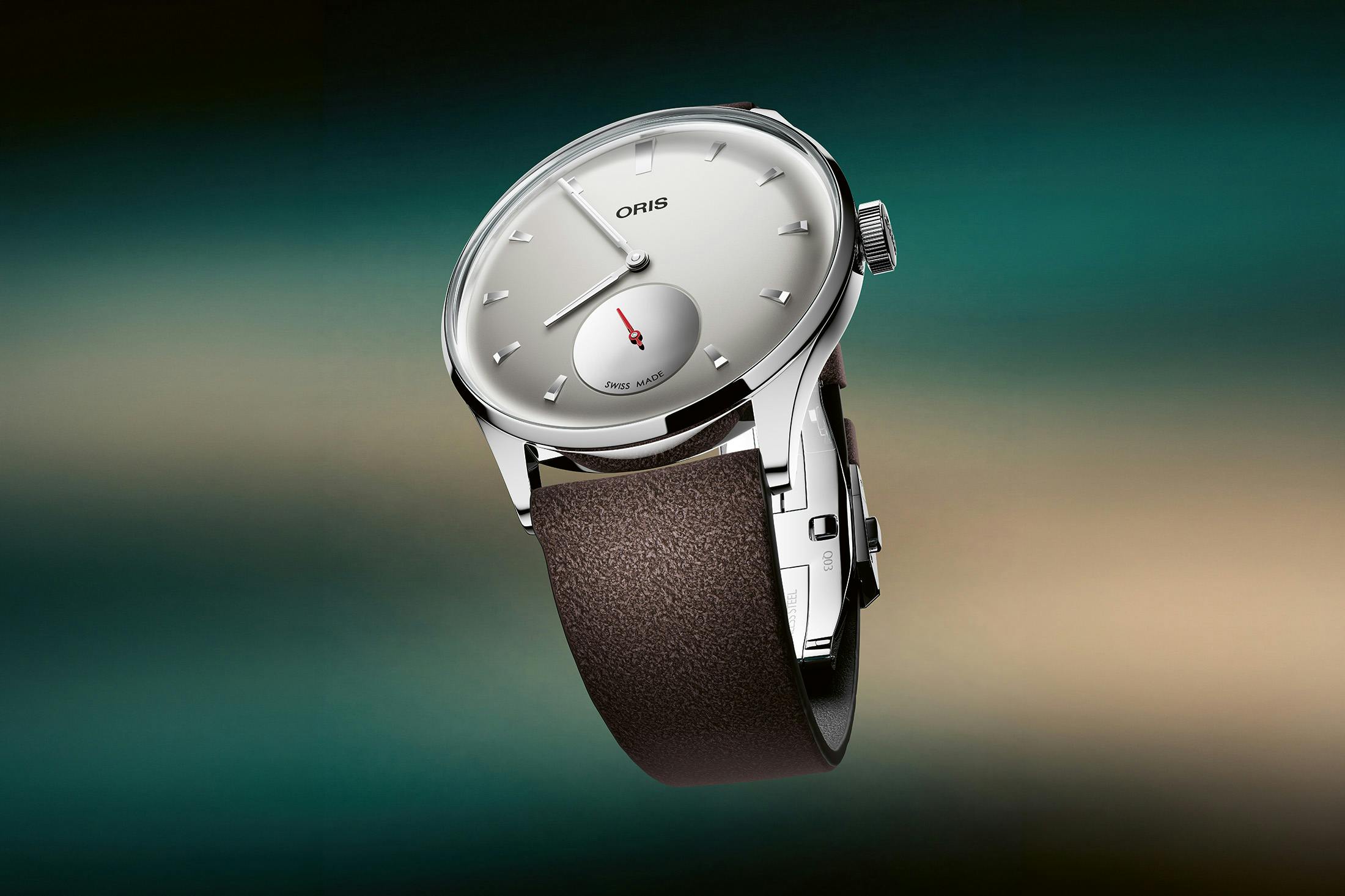
Photo: Teddy Baldassarre · Apr 14, 2026

~80%Etablisseur (modern Swiss volume)
~20%Manufacture
ETADefault Supplier
SellitaMain Alternative
361WristBuzz Articles

The Manufacture vs Etablisseur Story

The établisseur model is the historical default of Swiss watchmaking. Through the 18th and 19th centuries the Jura watchmaking valleys (Le Locle, La Chaux-de-Fonds, Glashütte) were structured as a networked supply chain: hundreds of specialised cabinotiers made cases, dials, hands, hairsprings, escape wheels, plates, and bridges in their workshops; brand-name "établisseurs" purchased components from each, assembled them in their own ateliers, and sold the complete watches under their brand. Antoine LeCoultre, Edouard Heuer, Patek and Czapek, and Charles-Auguste Reymond were all originally établisseurs in this networked sense; the term carried no negative connotation.

The manufacture model emerged through the late 19th and 20th centuries as larger brands integrated upstream component production. Patek Philippe developed in-house movement production through the 1840s onward; Rolex integrated movement assembly through the 1950s and full in-house movement design from the 1960s; Jaeger-LeCoultre developed the most extensive in-house manufacturing footprint of any 20th-century maison (over 1,200 in-house calibres). The haute-horlogerie tier (Patek, AP, VC, Lange) is structurally manufacture-only.

"There is no shame in being an établisseur. The Swiss industry was an établisseur industry for two centuries before 'manufacture' became a marketing claim."- Watch industry historian

The modern industry default for the volume tier (Hamilton, Mido, Tissot, Oris, most microbrands, vintage Tudor) remains the établisseur model: brands buy movements from ETA SA (the dominant supplier, owned by Swatch Group) or its independent alternatives. The most-used ETA calibres are the 2824-2 (3-hand-with-date), 2892-A2 (thinner premium), and the 7750 (chronograph). These movements are sold as bare ébauches (semi-finished) or finished modules; the buyer brand can specify regulation grade (Standard, Élaboré, Top, Chronometer) and finishing.

In 2002 ETA announced, under Swatch Group strategic instruction, that it would reduce third-party movement sales and ultimately stop selling to brands outside Swatch Group; this triggered an industry-wide scramble. Sellita (a former ETA assembly contractor in La Chaux-de-Fonds) began producing its own near-clones of the ETA architecture (SW200 = 2824-2 clone; SW300 = 2892 clone; SW500 = 7750 clone), backed by the legal expiry of ETA's patents on the original movements. Soprod in Le Locle, Kenissi (Tudor's in-house manufacture in Le Locle, supplying Tudor + Chanel + others), and STP / Fossil-owned all stepped into the gap. As of 2024 the ETA-throttle is partial rather than complete; Sellita has effectively become the dominant alternative supplier and now matches ETA's volume share for non-Swatch brands.

The "manufacture" claim in modern marketing has become contested. Brands that historically used ETA are launching "in-house" calibres at premium pricing; the integrity of these claims varies. Some are genuine manufactures (Tudor MT-series, Bvlgari Octo Finissimo BVL family, Zenith El Primero / Defy family, Grand Seiko 9SA5/9R/9F families), with full upstream component production. Others are "branded" calibres made for the brand by third parties (Sellita, Vaucher Manufacture Fleurier, La Joux-Perret) under exclusive supply agreements but not produced in the brand's own factory. The distinction can be technical (where is the calibre actually assembled?), legal (which entity owns the IP?), and marketing-driven (what does the brand claim?).

A practical heuristic for buyers: brands that claim "in-house" with no further detail typically mean a third-party-made exclusive calibre; brands that name a specific manufacture (e.g., "Vaucher Manufacture Fleurier") are transparent about the model. Brands that openly use ETA or Sellita (Hamilton Khaki, Oris with the Cal. 754 base, vintage Tudor) face no stigma in modern collector culture; the établisseur model has long-standing technical legitimacy and economic logic. The "manufacture or nothing" stance is largely a 21st-century marketing development driven by perceived brand-value differentiation, not a technical truth about quality. ETA-base movements regulated to chronometer-grade outperform many "in-house" calibres on objective metrics.
Manufactures vs Etablisseurs

Manufacture · Patek Philippe
Patek Philippe (full manufacture)
<a href="/watch-calibers/patek-240/">Cal. 240</a>, 324, 31-260

Complete in-house movement production. The reference manufacture; Patek Philippe Seal certifies in-house quality.

Reference Manufacture
Manufacture · Rolex
Rolex (full manufacture since 1960s)
<a href="/watch-calibers/rolex-3235/">Cal. 3235</a>, 3135, 4131

Full in-house movement design and production; Rolex also produces its own gold and steel alloys (Oystersteel, Everose).

Vertical Integration
Etablisseur · Hamilton
Hamilton (Khaki / Jazzmaster)
ETA 2824, 7750

Swatch Group brand using ETA volume calibres throughout. Established 1892; Khaki Field is the most-sold field watch globally.

ETA Etablisseur
Etablisseur · Microbrands
Most microbrands
<a href="/watch-calibers/sellita-sw200/">Sellita SW200</a>/SW300/SW500

Sellita supplies the great majority of the modern microbrand market; functionally equivalent to ETA, free of Swatch Group constraints.

Sellita Default
Hybrid · Tudor
Tudor (Black Bay / Pelagos)
<a href="/watch-calibers/tudor-mt5402/">MT5602</a>, <a href="/watch-calibers/tudor-mt5612/">MT5612</a>, etc.

Modern Tudor is manufacture (in-house MT-series via Kenissi); but MT-series also supplies Chanel, Norqain, etc., as a third-party exclusive.

Hybrid Manufacture

Latest Manufacture vs Etablisseur News

Hodinkee
Introducing: The Bradley Taylor Ardea
6 days ago
Hodinkee
Hands-On: The Vacheron Constantin Overseas Ultra-Thin 2500V
Apr 22, 2026
Monochrome
First Look – The New Radiant White Version of the Nomos Club Sport Neomatik Worldtimer
Apr 21, 2026
Worn & Wound
Watches & Wonders: A Quick Rundown of the New Hublot Big Bangs
Apr 16, 2026
SJX Watches
Tudor Ascends the Throne with the Monarch
Apr 15, 2026
Worn & Wound
Watches & Wonders: The Chopard L.U.C. 1860 Chronometer, Like the Original from Three Decades Past, May be Worth The Wait
Apr 14, 2026
Worn & Wound
Watches & Wonders: Hermes Doubles Down on the H08 with the Addition of a Skeletonized “Squelette” Version
Apr 14, 2026
Monochrome
First Look – The Superb Chopard L.U.C 1860 Chronometer, now in Blue
Apr 14, 2026
Teddy Baldassarre
The Tudor Royal Gets New Colors and In-House Movements for 2026
Apr 14, 2026
Monochrome
Introducing – The Pequignet Royal Paris Chrono – the Brand’s First Chronograph
Apr 13, 2026
Monochrome
Introducing – The More Compact Zeitwinkel 173°, An Evolution of the Sapphire Dial and Large Date Watch
Apr 13, 2026
SJX Watches
Singer’s DualTrack is its First Twin Time Zone GMT
Apr 12, 2026
View all 361 articles

Learn More