
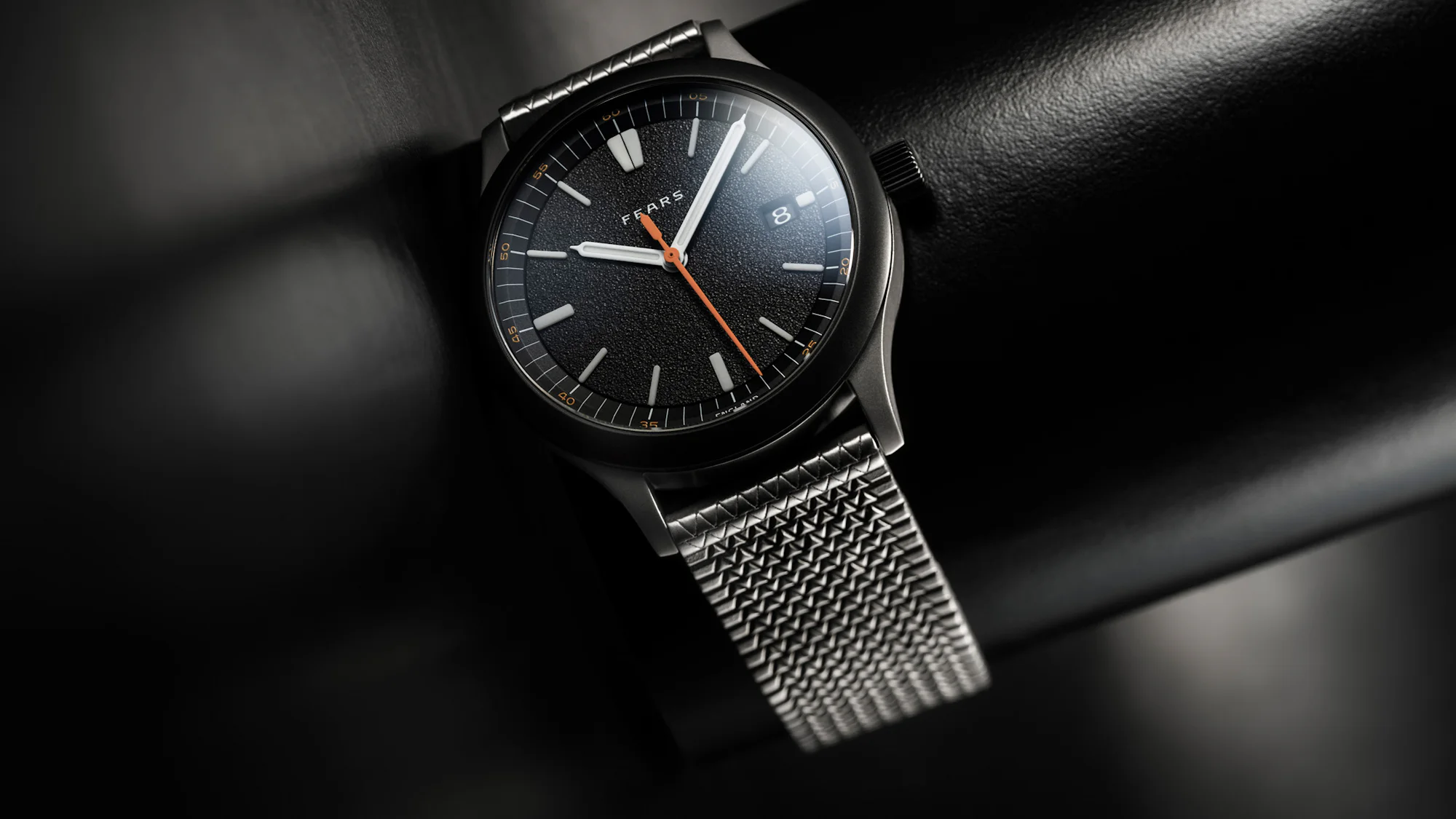
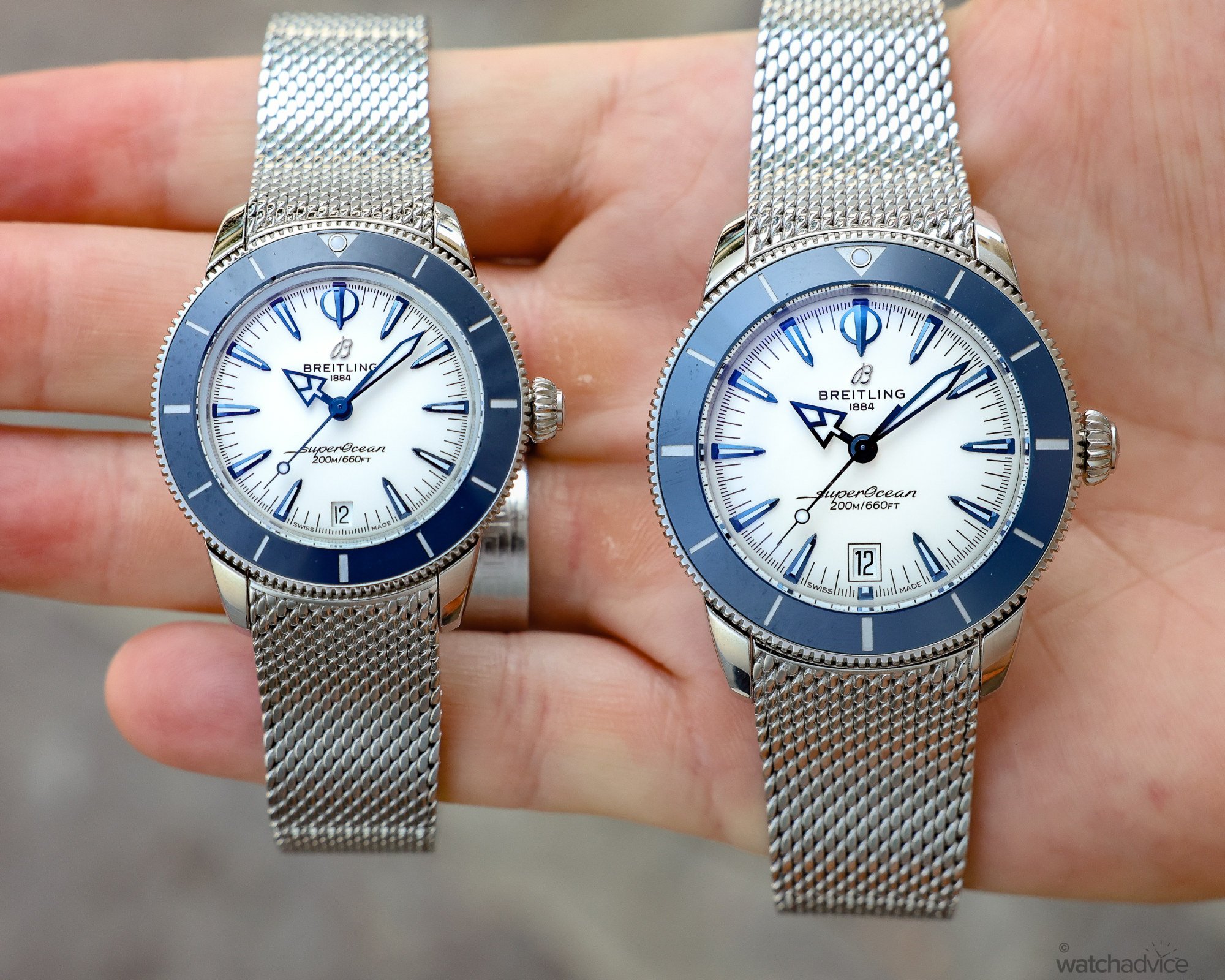
A Milanese bracelet (or mesh bracelet) is a finely woven steel bracelet made from many interlocking stamped or knit steel wires forming a continuous flexible mesh. The form derives historically from 13th-century Milanese chainmail armour, where craftsmen developed the technique of weaving steel rings into protective fabric. The technique was preserved through medieval and Renaissance armour-making and adapted to jewellery in the 19th century; by the early 20th century, watchmakers were using the same mesh fabric for women's wristwatch bracelets and for men's dress-watch bracelets where flexibility and comfort mattered more than protective bulk.
The first major waves of Milanese bracelet adoption in modern watchmaking came in the 1920s-30s for women's dress watches and the 1960s for men's dress watches as part of the broader European mid-century modernist aesthetic. The Junghans Max Bill of 1962 (see Max Bill) was an early canonical men's dress watch on a milanese bracelet, and many Skagen, Mondaine, Junghans, and Tissot dress watches of the 1970s-80s used the form. The mesh's key properties: flexible, breathable, lightweight (typically 60-90g vs 120-180g for an Oyster bracelet), and visually quiet (no large flat link surfaces to catch light). It's a poor match for high-mass tool watches but a good one for thin dress watches.
"A milanese bracelet is the only bracelet that disappears on the wrist. You feel a watch, not a bracelet. That is exactly the right behaviour for the bracelet on a thin dress watch."- Watch Gecko product brief, Geckota mesh bracelet line
Construction patterns: the basic mesh comes in several variants. Knit mesh (the most common, used by Watch Gecko and Forstner) interlocks small steel rings or links in a regular pattern. Brick mesh (offset rectangular cells) is slightly more structured and was used by 1960s Tissot and Universal Genève. Shark mesh (denser, with a shaped texture) was originally introduced by Omega for the Seamaster Ploprof in 1971 and has since been adopted by various dive watches and microbrands. Magnetic-clasp Milanese (Apple Watch from 2015 and various smart watches) uses an end-magnet for sliding-fit sizing rather than a fixed deployment clasp, but the mesh fabric itself is the same family.
Modern makers: Forstner is widely regarded as the reference modern Milanese maker, producing 18/20/22 mm widths in stainless steel and gold-plated. Watch Gecko and Hirsch ship as volume retailers across the European market. Strapcode and Uncle Seiko produce mesh bracelets specifically sized for Seiko, Hamilton, and microbrand divers. Mondaine uses milanese as the catalogue-default bracelet for many of its station-clock-style watches. Skagen built its design identity around milanese mesh starting in the 1990s.
In modern collector vocabulary, "milanese" and "mesh" are used interchangeably to mean the same form. The bracelet is sometimes confused with the beads of rice bracelet, which is also a mid-century steel bracelet but uses larger discrete spherical or oval beads as visible elements rather than a continuous fine mesh. Beads of rice and milanese have different visual signatures: beads of rice has a regular bead pattern visible at arm's length; milanese reads as a continuous fabric.
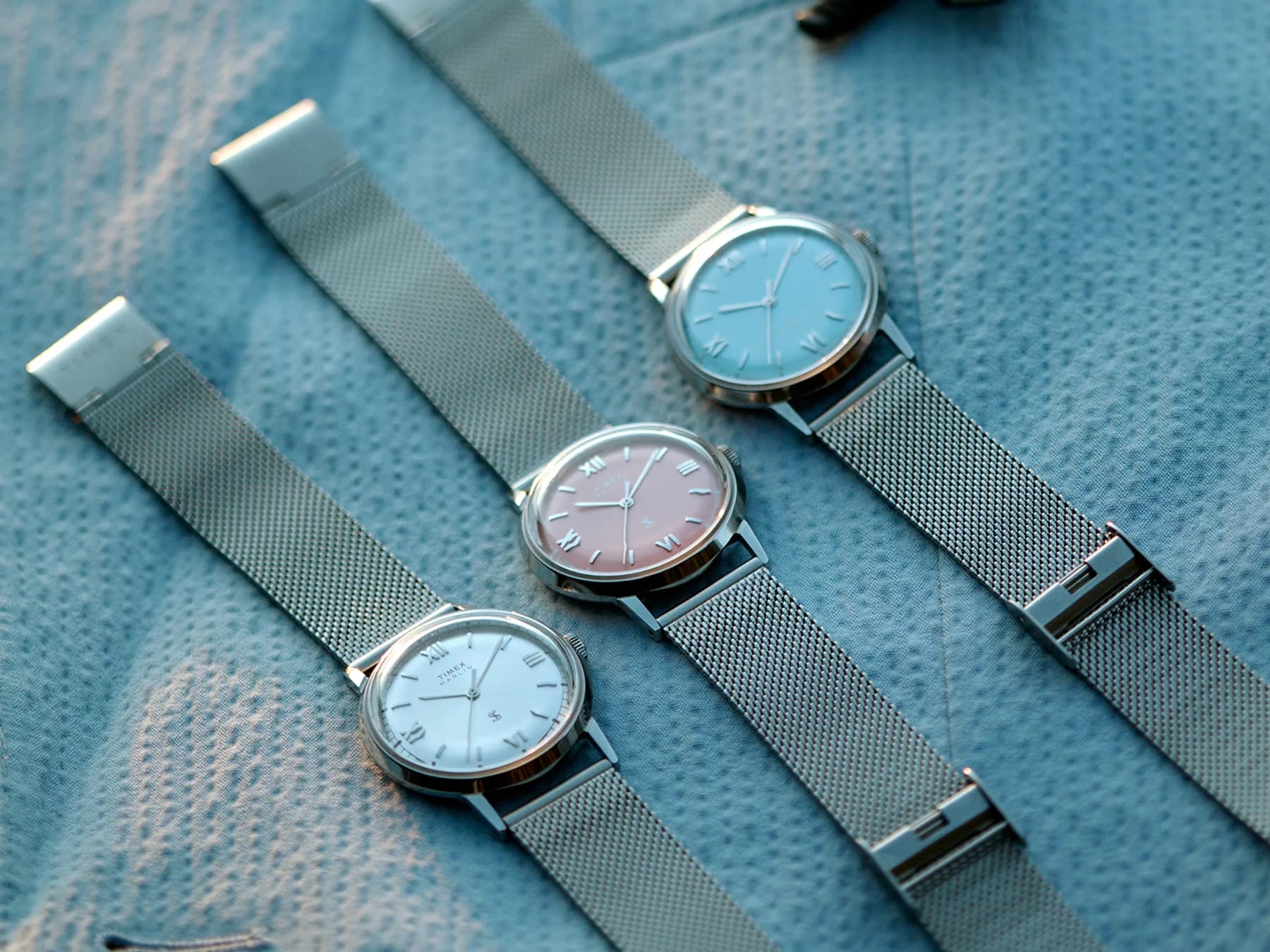
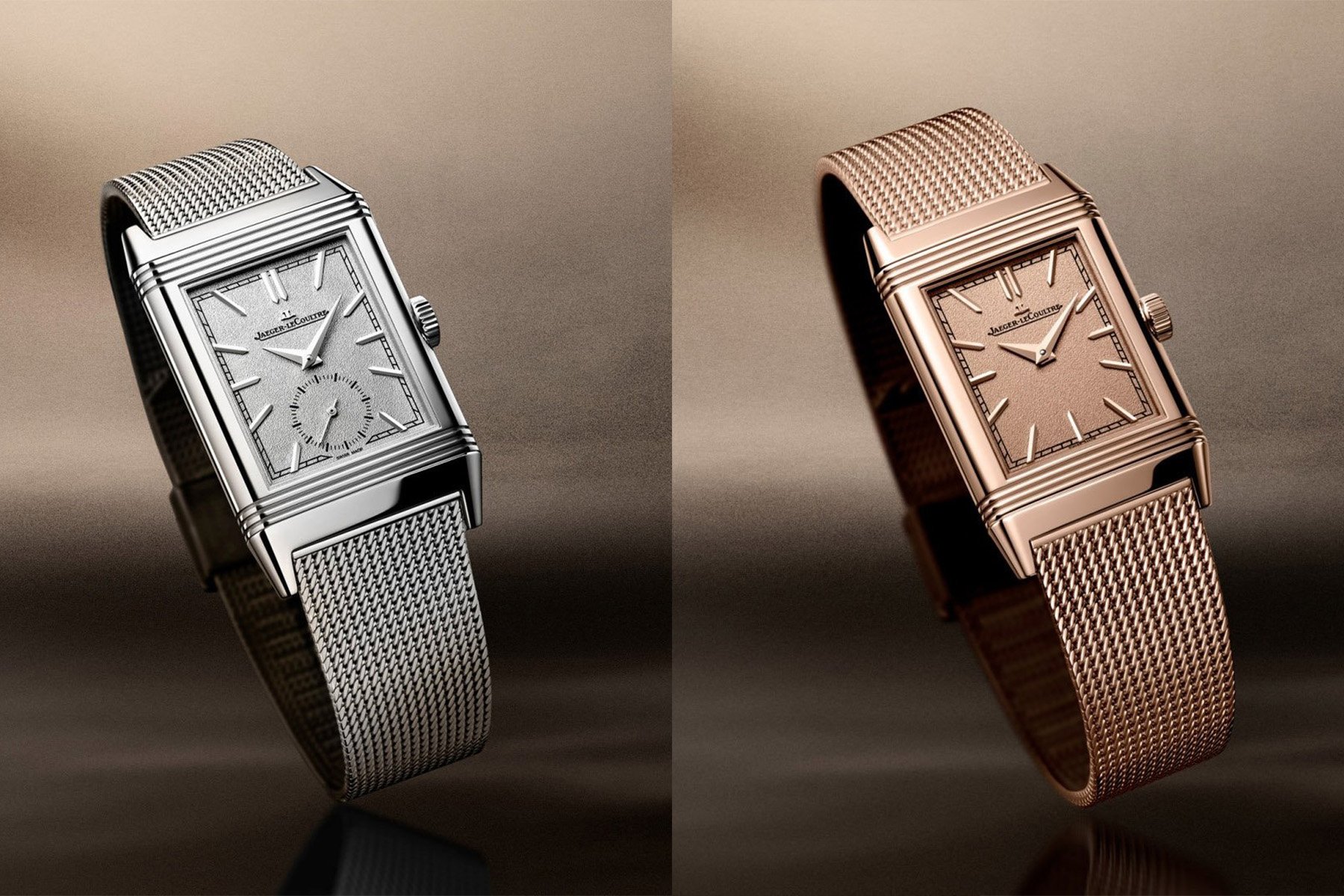
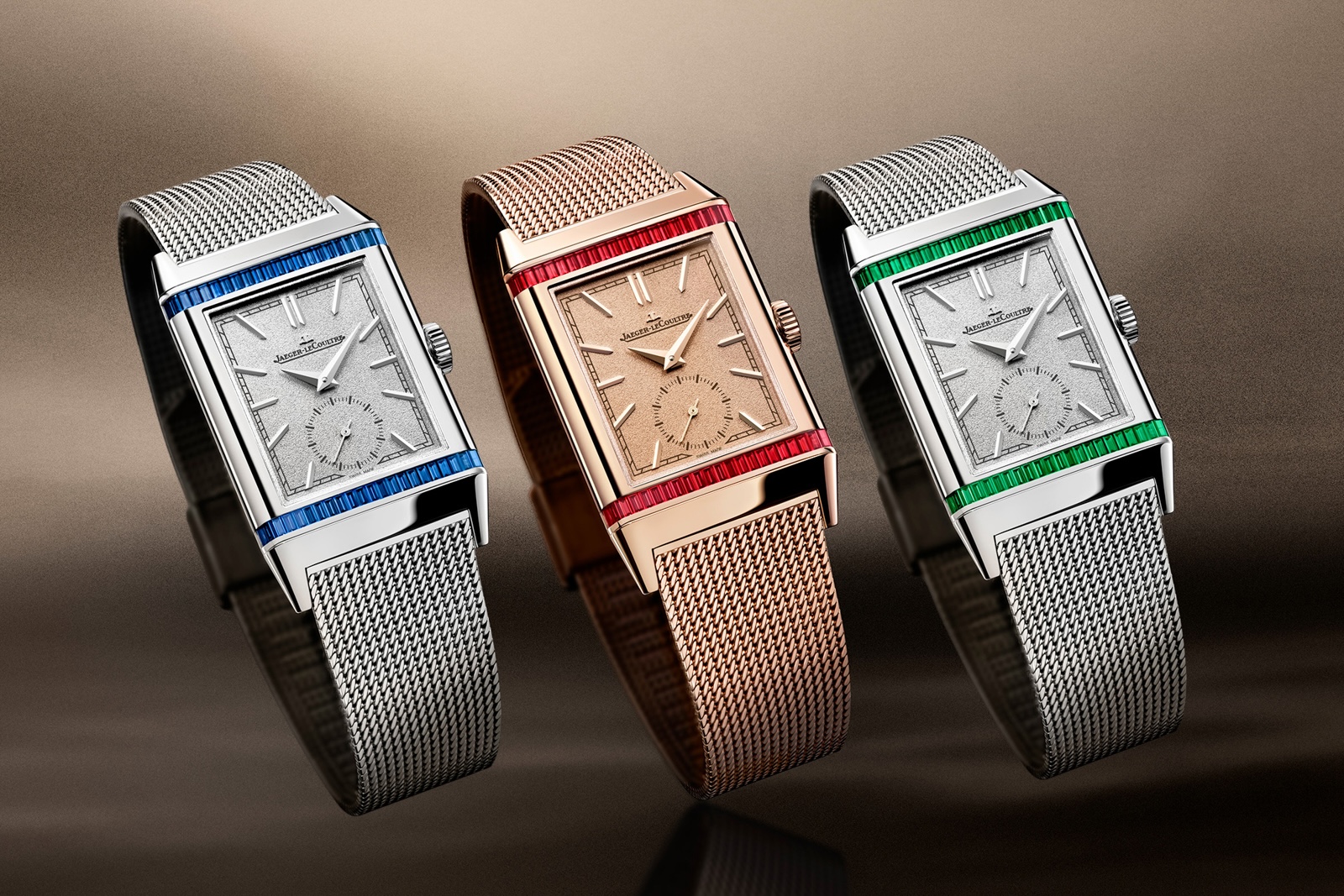
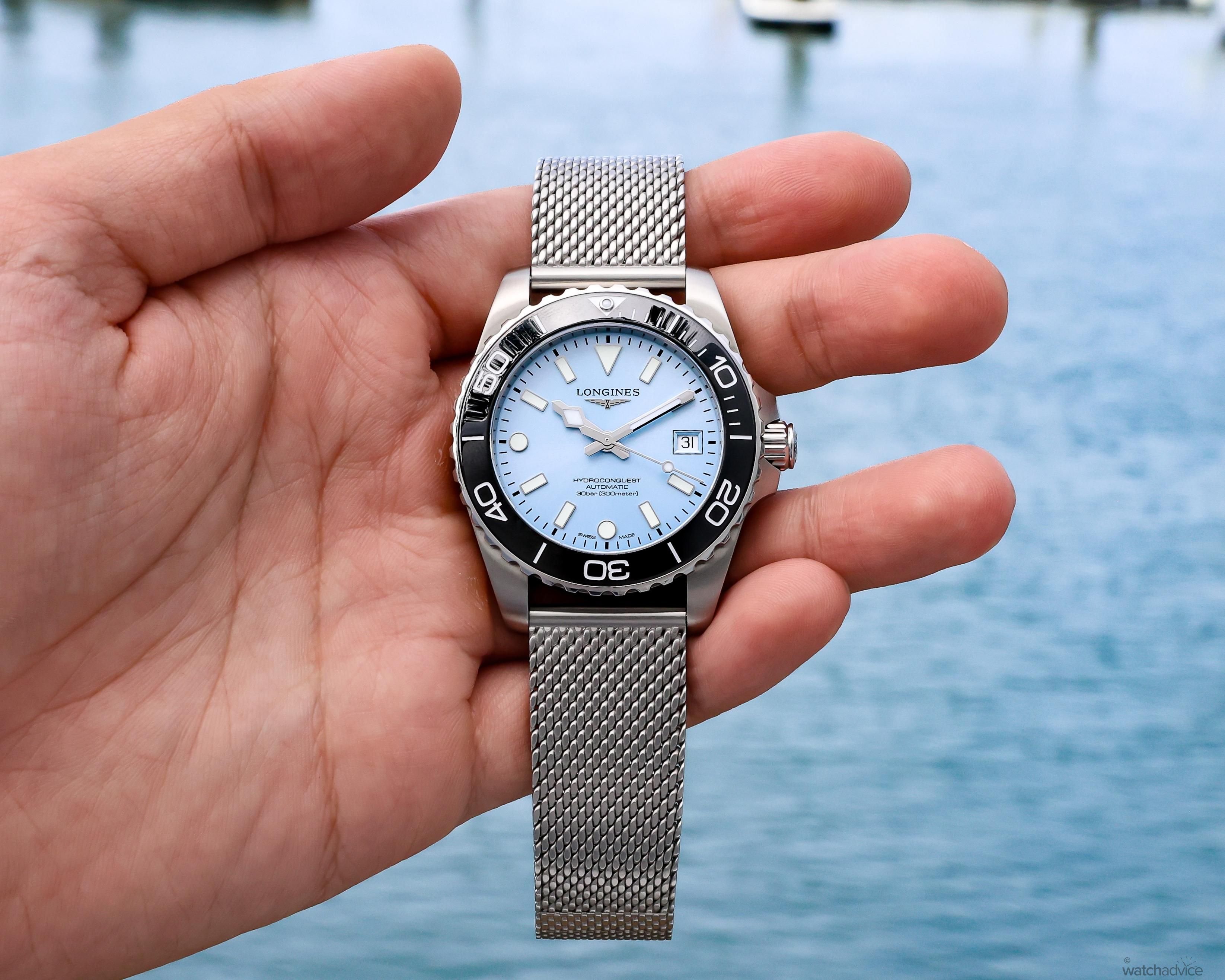
The bracelet shines on thin dress watches, vintage divers, Bauhaus-style watches, and field watches. It is too lightweight and visually quiet for big sport watches; pairing a 44 mm Big Pilot with a milanese bracelet would feel mismatched. The right pairings are IWC Mark XX 40 mm, Junghans Max Bill 38 mm, Tudor Black Bay 36, vintage Omega Seamaster on shark mesh, and most microbrand 38-40 mm dive watches sized for the bracelet.



Comments 1