The quartz wristwatch race ran in parallel through the 1960s in Switzerland, Japan, and the United States. The Swiss CEH (Centre Electronique Horloger) consortium in Neuchâtel, founded in 1962, developed the Beta-21 calibre and demonstrated functioning prototypes to Baselworld 1967; production-quality Beta-21 watches branded by Patek Philippe, Omega, and others would launch commercially in 1970. Seiko in Japan, working independently through the Suwa Seikosha and Daini Seikosha factories, ran a parallel programme that began with the Crystal Chronometer Type 951 for the Tokyo Olympics in 1964 (a portable quartz timer) and progressed to the Astron 35SQ wristwatch movement.
Seiko's strategic decision was the symbolic one of launching commercially first, even at small volume. The press event was scheduled for 25 December 1969 in Tokyo, deliberately timed to Christmas Day for international press attention; the Beta-21 commercial launches in Europe were known to be pencilled in for early 1970. The Astron beat them by approximately three months. The launch product was a 100-piece 18-karat yellow gold limited edition at ¥450,000 (the price of a Toyota Corolla and roughly equivalent to ten years of Japanese median household savings); the watch was demonstrably more accurate than any mechanical wristwatch by an order of magnitude.
"Someday, all watches will be made this way."- Seiko Astron 1969 launch advertising
The technical specifications of the Caliber 35SQ: a 32 kHz tuning-fork-cut quartz crystal (production tools targeted 8,192 Hz; later quartz standardisation moved to 32,768 Hz), a step motor driving the seconds hand in single-second jumps, an integrated circuit dividing the crystal frequency to 1 Hz, a silver-oxide button cell battery with one-year+ life, and accuracy of ±5 seconds per month. The construction quality was extreme: the early 35SQ movements used hand-finished gold-plated bridges and Geneva-stripe-decorated plates, more reminiscent of haute horlogerie than mass-market electronics.
The Swiss reaction was initially dismissive. The general industry view in 1969-1970 was that the Astron was a technical curiosity: too expensive, too small in volume, with battery and reliability concerns that mechanical watches did not have. The Beta-21 watches, when they launched in 1970, were also too expensive (USD 700-1,500 in 1970 money) for mass-market adoption. The Swiss industry forecast at the 1970 Baselworld was that quartz would remain a niche product alongside mechanical movements, perhaps capturing 5-10% of the market by 1980. The forecast was wrong by an order of magnitude.
The actual quartz crisis hit Swiss watchmaking through the 1973-1985 period as Japanese and (later) Hong Kong / Chinese manufacturers brought quartz movement costs down by two orders of magnitude. Seiko's second-generation Caliber 35A (1971) and the much cheaper Caliber 7T family from the late 1970s drove retail prices for accurate quartz wristwatches under USD 50, and ultimately under USD 10 for digital LCD watches. Swiss watchmaking employment fell from ~90,000 in 1970 to ~30,000 by 1983; over 1,000 Swiss watch firms went out of business over that period. The 1969 Astron launch was the proximate trigger.
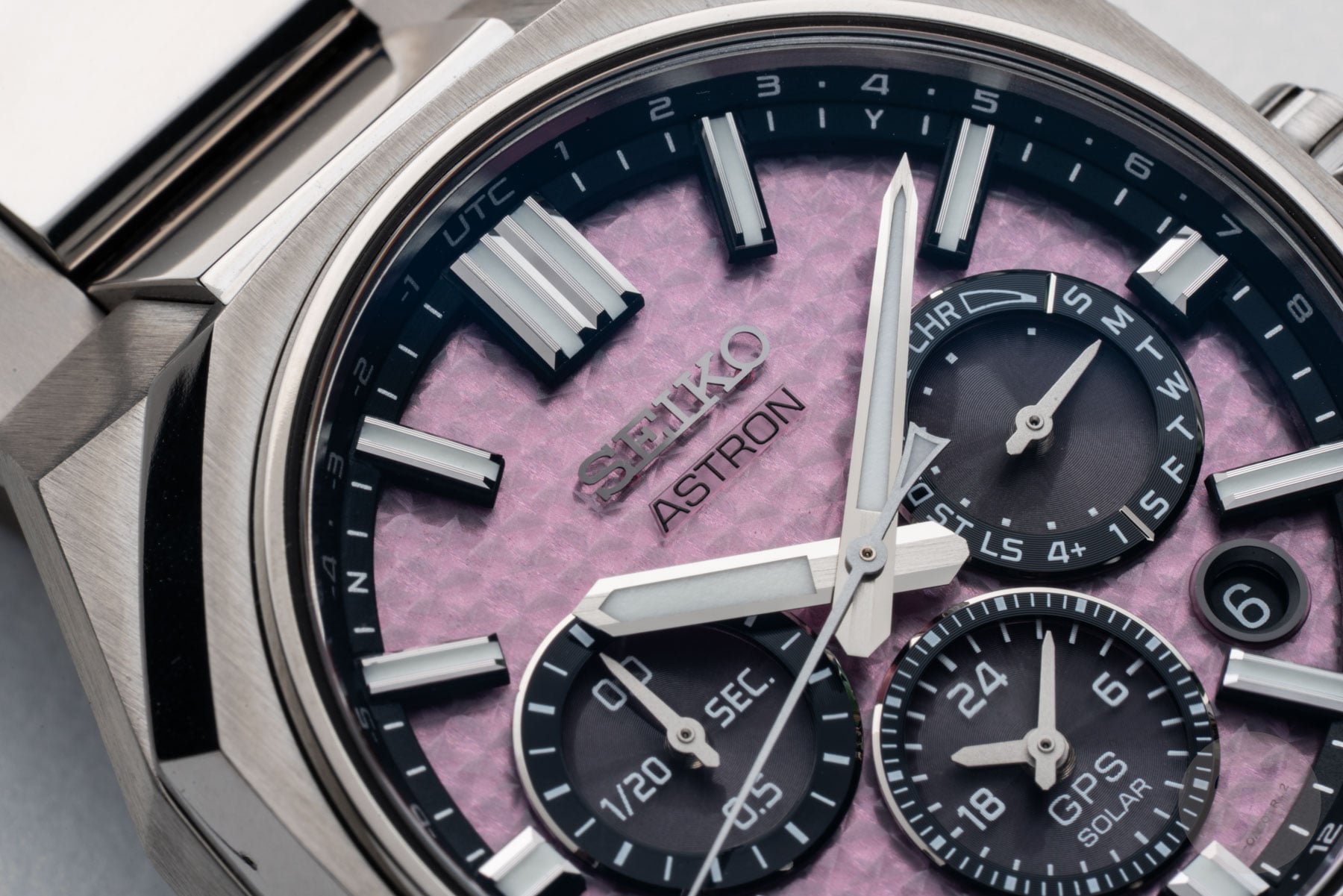
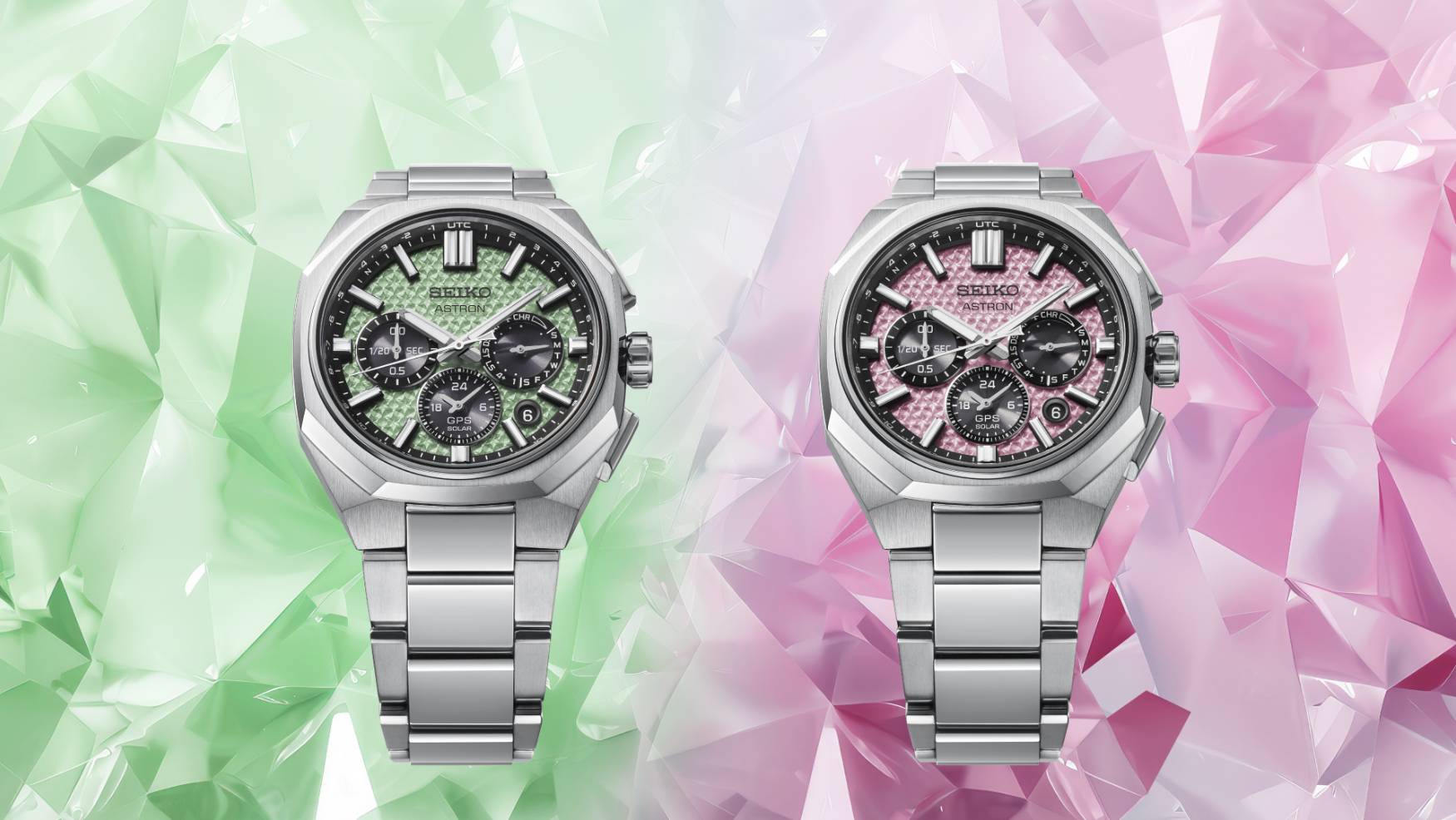
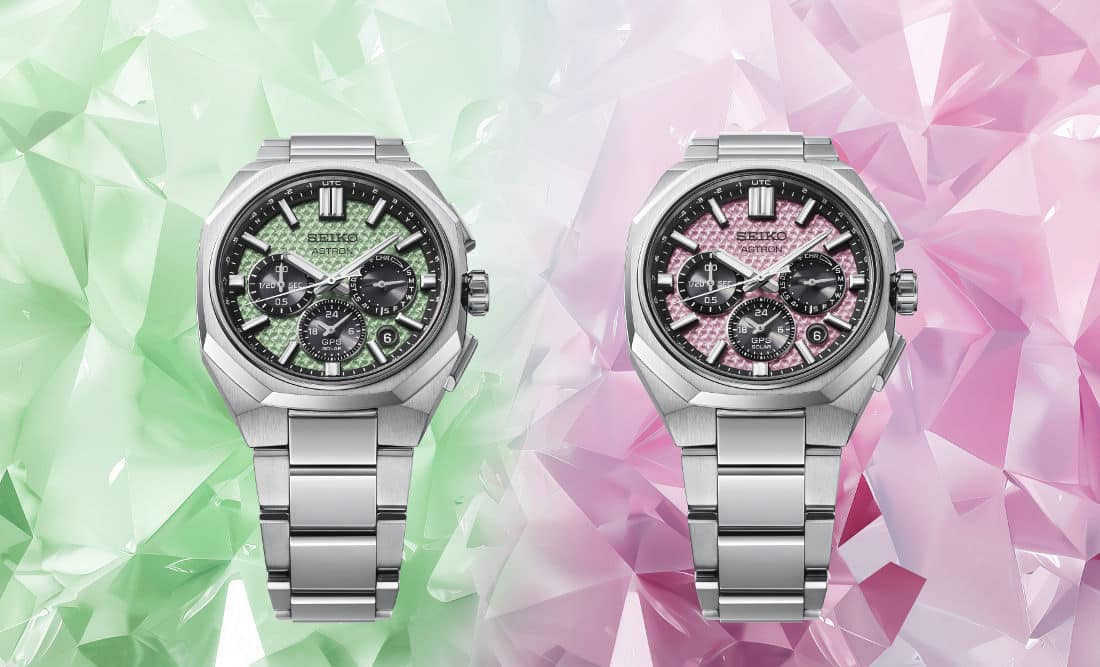
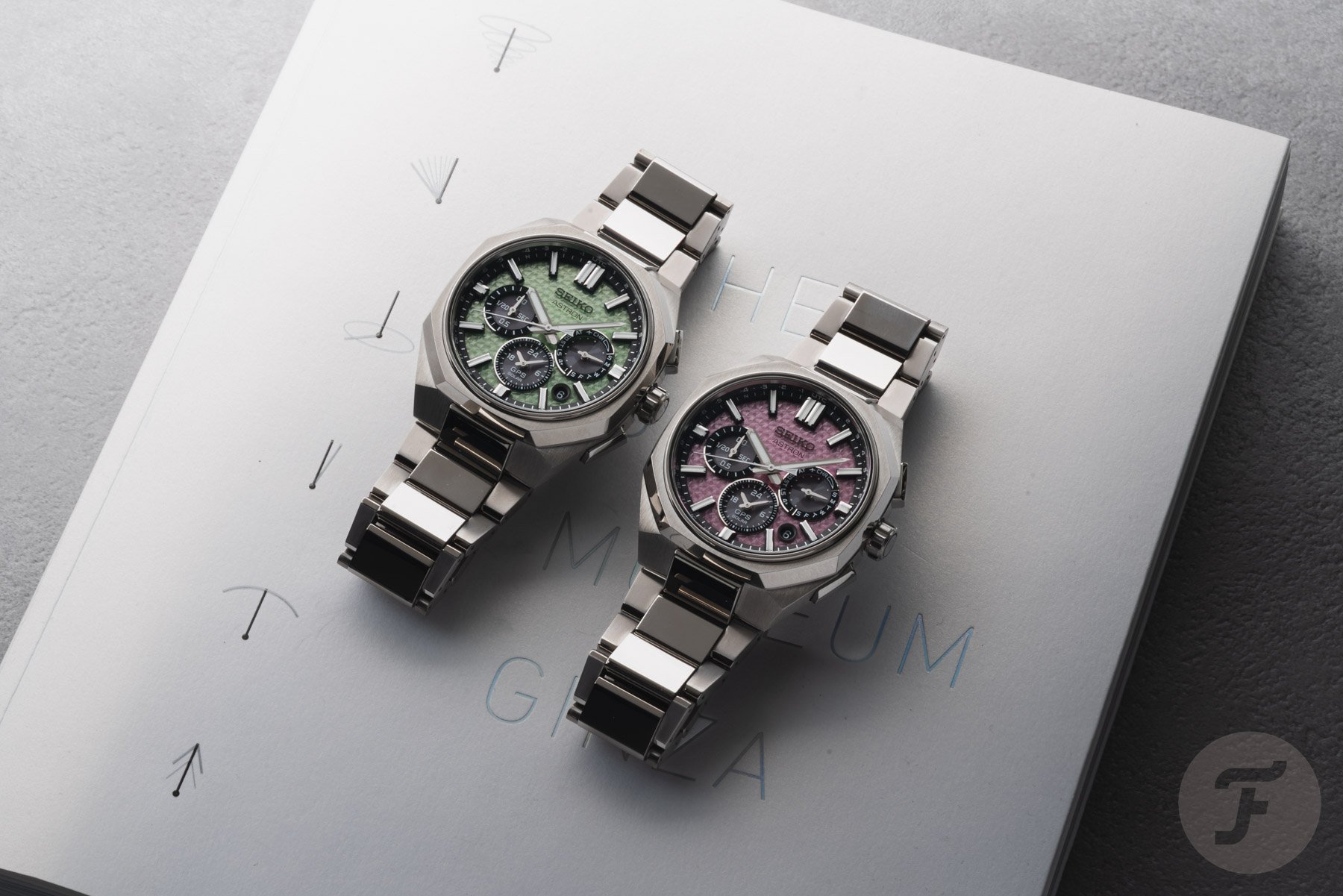
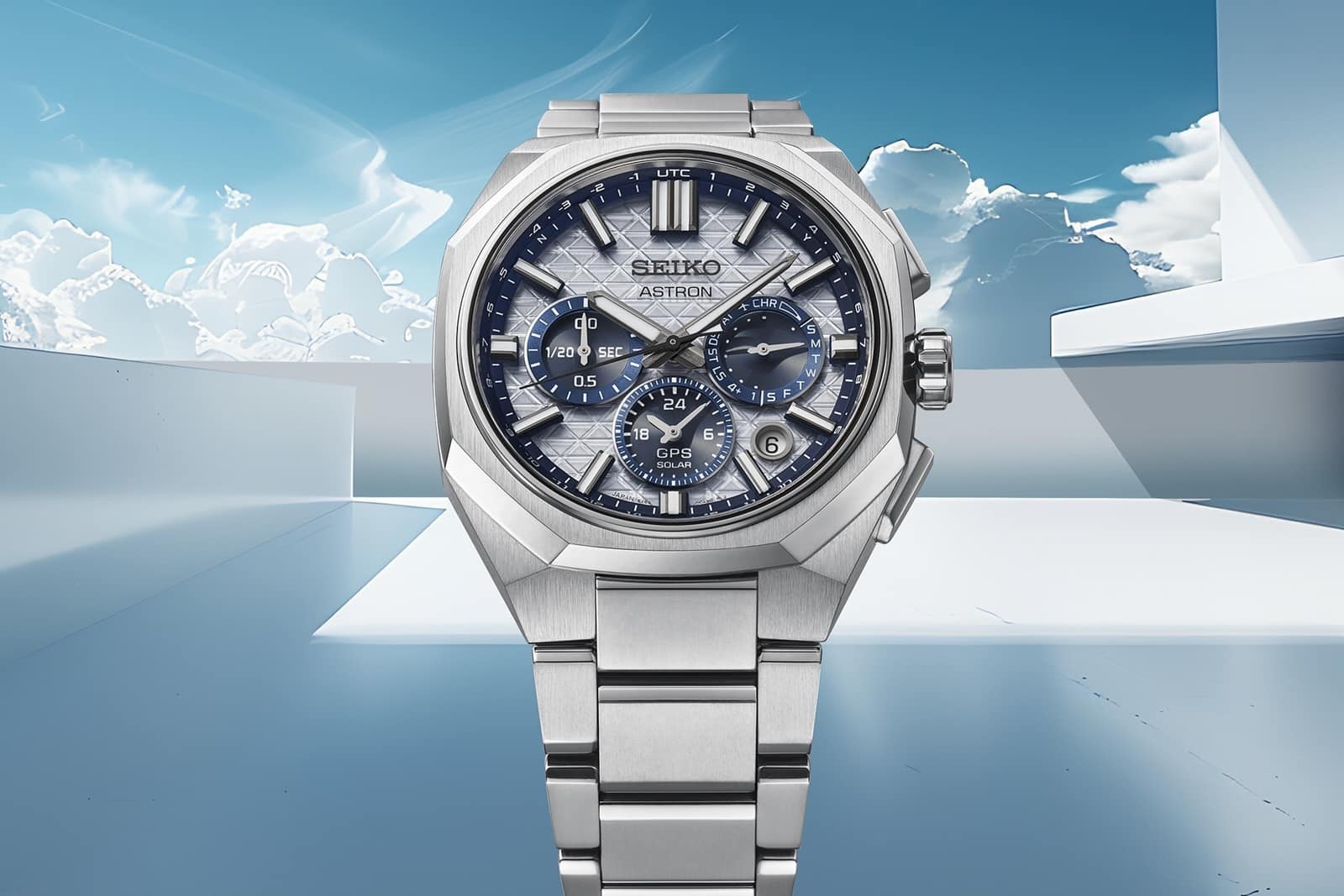
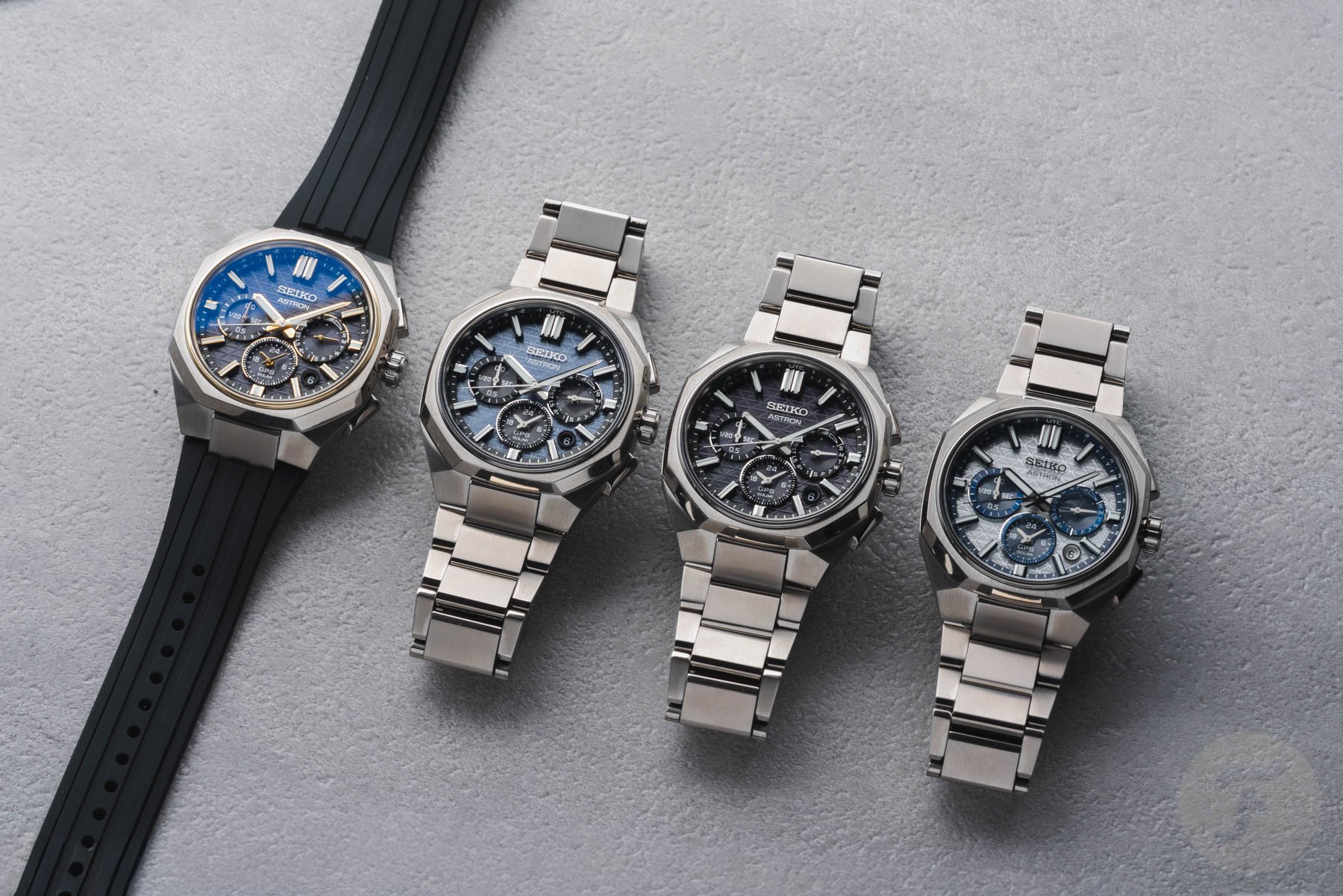
Seiko revived the Astron nameplate in 2012 for its GPS solar quartz high-end line, in conscious echo of the 1969 original. Vintage 1969-70 Astron 35SQ examples in original condition trade at USD 30,000 to USD 80,000+ at auction; the launch-edition gold-cased pieces (35SQ "001" through "100") are recognised collector grails alongside the launch Nautilus and Royal Oak first-series examples. The 35SQ caliber itself is preserved in the Seiko Museum and at the Smithsonian Institution.



Comments 2