The early-1970s context: Audemars Piguet was a small Vallée de Joux house producing roughly 5,000-6,000 watches per year, almost all in gold dress cases. The quartz crisis was beginning to bite; mainstream Swiss watchmaking was collapsing. AP's management under Georges Golay was looking for an unconventional product to position the brand outside the threatened gold-dress segment. The unsolved problem: there was no precedent for a luxury watch made of steel; the categories were "luxury (gold)" or "tool (steel)", and steel meant cheap.
According to Genta's own account, given in interviews until his death in 2011, the call came on a Sunday evening in April 1971 from Georges Golay: AP needed a design for the Italian distributor's requirement of "a steel watch suitable for the gentleman's wrist" to present at Basel 1972. The deadline was the following morning. Genta sketched in his Geneva apartment overnight; in some retellings he was inspired by the old-style deep-sea diver's helmet at the Marina di Pisa where he had spent the previous weekend, the eight-bolt octagonal flange of the helmet visor became the eight-bolt octagonal bezel of the case. The single-page sketch was delivered to AP's development office Monday morning.
"They asked me on a Sunday evening for a watch they would launch in April. The deadline was Monday morning. I sketched the Royal Oak that night."- Gérald Genta on the 1971 commission
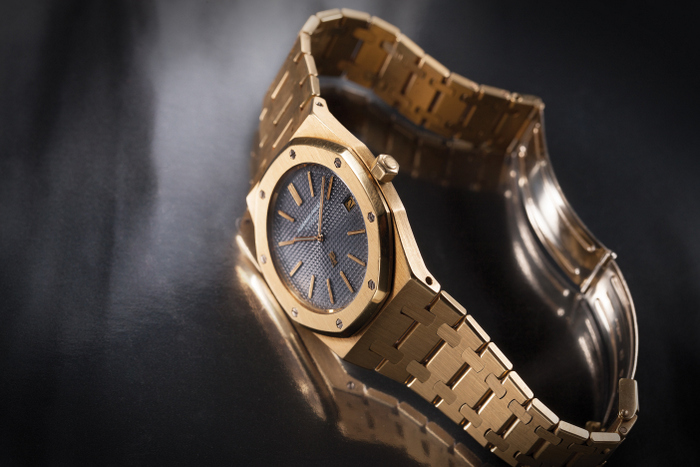
The watch that emerged through development was the reference 5402ST, finally presented at the 1972 Basel Fair. Specifications were unprecedented: 39 mm steel case (the "Jumbo" sizing was 6 mm larger than the contemporary norm), octagonal bezel with eight visible hex-head screws, integrated steel bracelet machined as a unit with the case, tapisserie-pattern dial (engine-turned waffle texture), "AP" applied logo, and the in-house Cal. 2121 automatic ultra-thin movement (3.05 mm, descended from the JLC Cal. 920). The launch price was CHF 3,300; for context, a steel Rolex Submariner ref. 5513 was around CHF 1,000 and a Patek Philippe Calatrava in white gold was around CHF 2,500.
The market reception was slow. Sales in 1972 were modest; the first 1,000-piece "A Series" run took several years to fully sell. Industry insiders were skeptical: a steel watch priced higher than a Rolex Submariner or a yellow-gold Calatrava seemed absurd. Wholesale distributors hesitated; some boutiques refused to display it. The "1,000 pieces sold out instantly at Basel" anecdote that circulates in modern marketing is, by all serious accounts, a retroactive myth. Italian collectors, particularly through the influential Pisa retailer in Milan, were among the most loyal early buyers; Italy remains a disproportionately strong Royal Oak market.
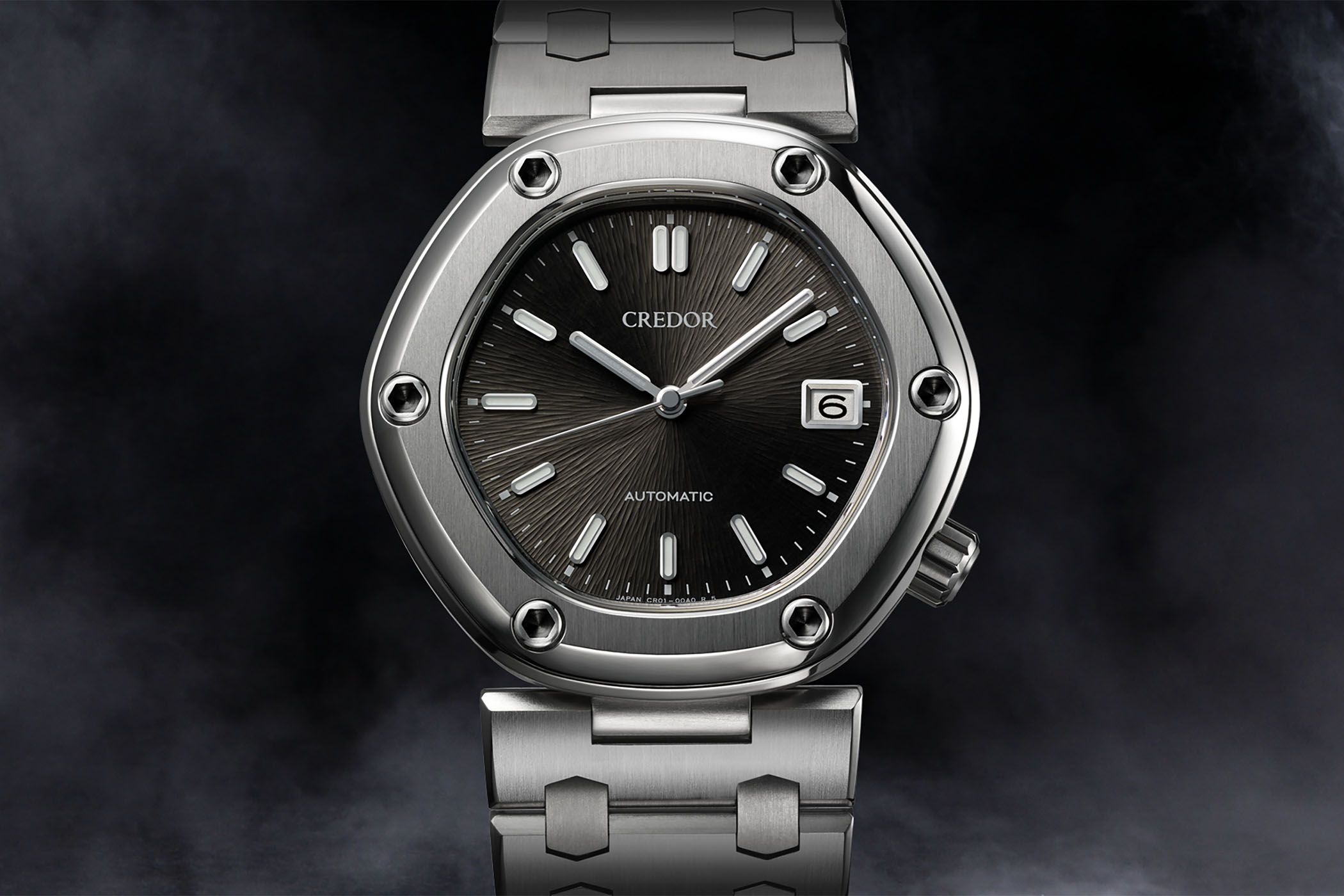
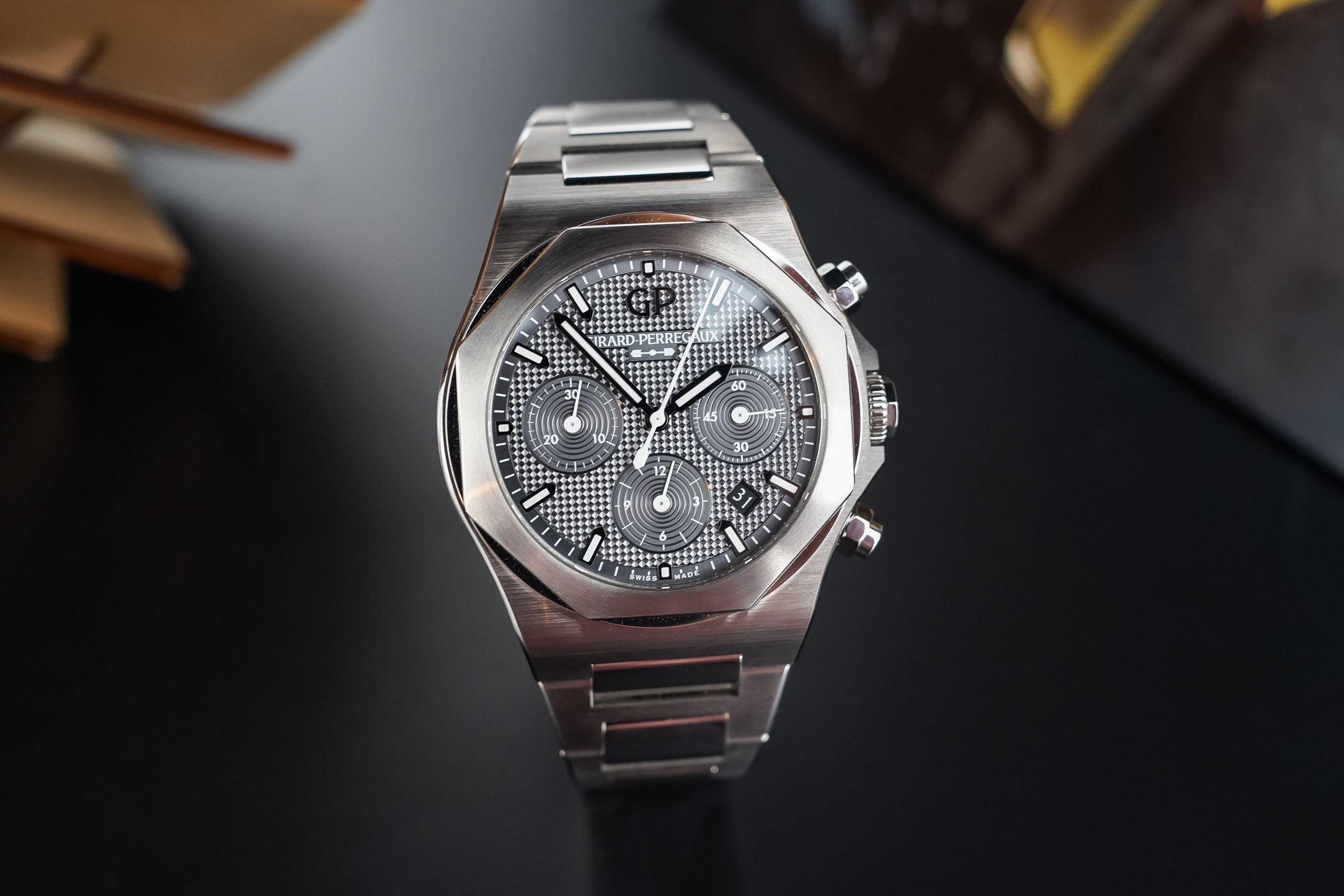
By the late 1970s the category-defining nature of the design became visible. Patek Philippe launched the Nautilus in 1976, also Genta-designed, also steel, also a porthole-themed integrated-bracelet sports watch (priced at CHF 3,100). IWC, Vacheron Constantin (the Genta-designed 222, 1977), and others followed. The "luxury sports watch" category that the Royal Oak created became one of the dominant segments of the modern industry.
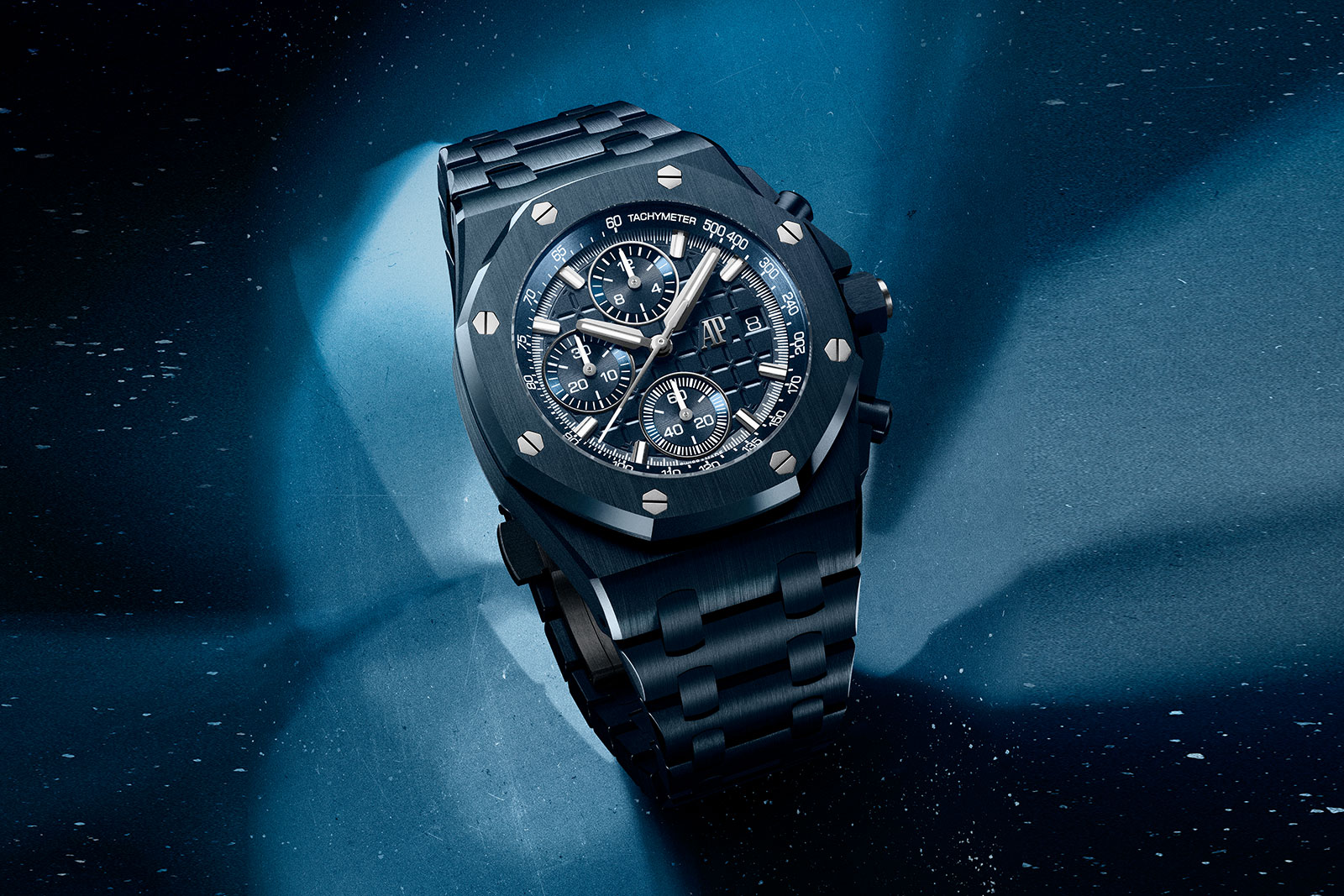
The Royal Oak today is the commercial backbone of Audemars Piguet: roughly 75-80% of AP's production is Royal Oak family (Royal Oak, Royal Oak Offshore, Royal Oak Concept, Code 11.59 sits outside). The reference 5402 has been revised through the 14790, 15202, 15400, 15500, 16202 (50th anniversary, 2022), and the modern Royal Oak Jumbo Extra-Thin 16202. Vintage 1972 "A Series" examples in original condition trade at CHF 200,000-CHF 500,000+ at auction; the design has been continuously in production for over 50 years, the longest-running luxury sports watch line in Swiss watchmaking.
Comments 1