Watch brandsWatch wikiWatch videosVariousWatch calendarSaved articles
PopularRolexOmegaPatek PhilippeAudemars PiguetTudorGrand SeikoCartierSeikoIWCTAG HeuerBreitlingJaeger-LeCoultreA. Lange & SohneZenith
WristBuzzWatch WikiHelium Escape Valve
🀿 Construction · Saturation Diving

Helium Escape Valve

A one-way valve that releases pressurised helium during a saturation diver's decompression

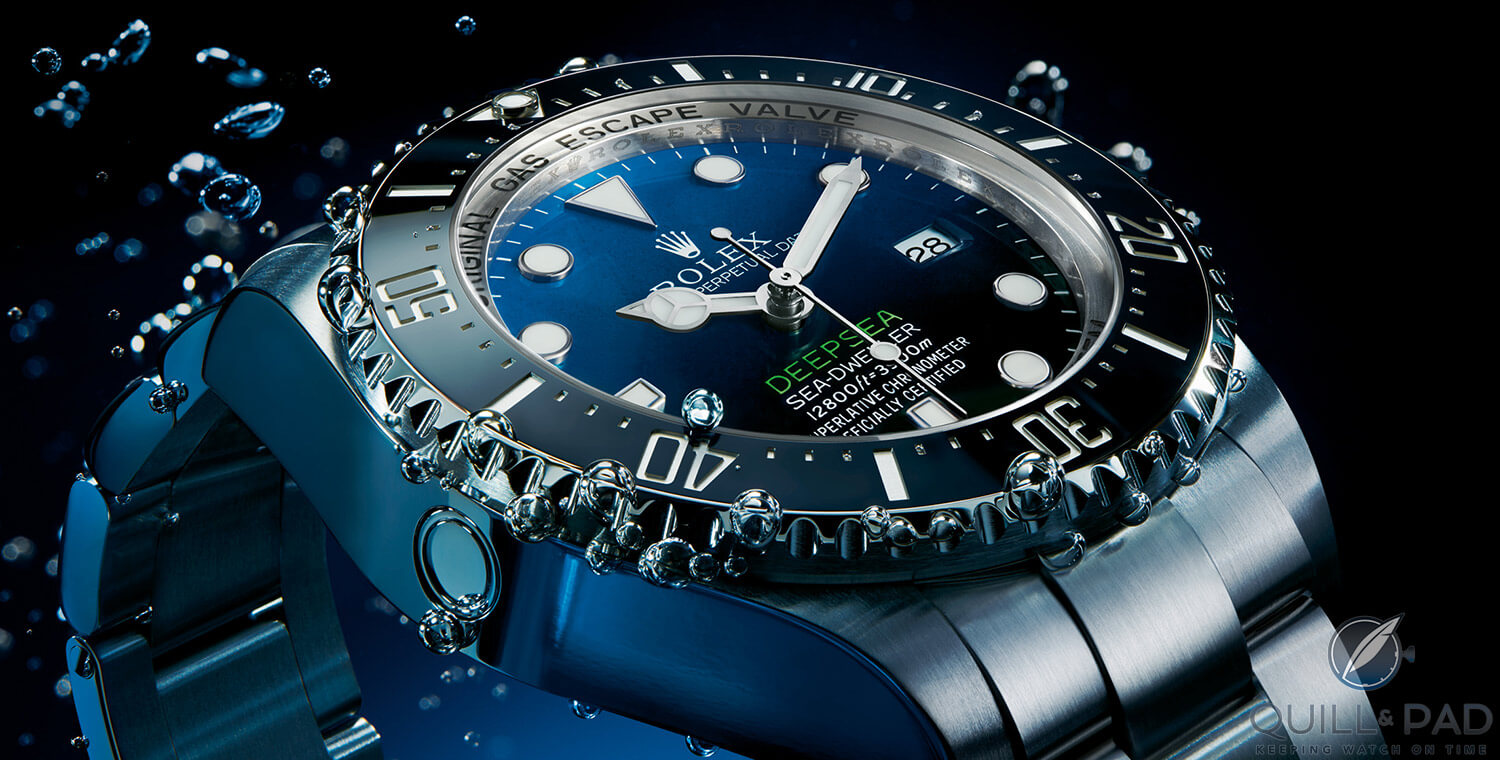
A small automatic valve built into the side of a professional dive watch case. Releases the helium that migrated through the gaskets during a saturation dive, preventing the pressurised internal atmosphere from blowing the crystal off during surface decompression. Co-developed in 1967 by Rolex and Doxa for COMEX saturation divers.

Invented1967, Rolex / Doxa
UserCOMEX saturation divers
First watchRolex Sea-Dweller ref 1665
Typical rating300-1,220m water resistance
ActivationAutomatic or manual
WristBuzz Articles71
Helium Escape Valve

Photo: Quill & Pad · Jun 23, 2025

1967Invented
HeEscaping Gas
COMEXTarget User
1,220mMax Sea-Dweller
71WristBuzz Articles

The Helium Escape Valve Story

A saturation diver lives in a pressurised chamber, breathing a helium-oxygen mixture ("heliox") for days or weeks at a time while working at depth. During this extended exposure, helium atoms, significantly smaller than any other element except hydrogen, migrate slowly through the rubber gaskets of a conventional water-resistant watch case and equalise with the chamber's internal pressure. The watch itself is unharmed at depth. The problem comes during the slow surface decompression, typically over several days: the external pressure drops, but the helium trapped inside the case cannot escape back through the gaskets fast enough. Pressure builds up inside the case until the crystal is literally blown off.

The problem was identified in the mid-1960s by Doxa divers working with the French commercial diving company COMEX (Compagnie Maritime d'Expertises) off Marseille. COMEX technicians submitted their standard-issue Rolex and Doxa watches to long saturation tests in a hyperbaric chamber. Crystals popped off reliably during surface decompression. A collaborative solution emerged in 1967: a small spring-loaded one-way valve built into the case flank, calibrated to open automatically when internal pressure exceeded external pressure by about 3 to 5 bar, releasing trapped helium harmlessly.

The Rolex Sea-Dweller ref 1665 (1967) was the first serial watch with a HEV, initially rated to 610 metres and later 1,220 metres. Doxa had an equivalent variant. Omega added HEVs to the Seamaster Ploprof (1970) and Seamaster Professional 300m (1993, with a manually operated HEV at 10 o'clock, the distinctive cosmetic feature of every Omega Seamaster since). Breitling, Panerai, and others followed.

The practical reality is that roughly zero percent of civilian divers need a HEV. Recreational SCUBA diving is not saturation diving, and a standard Oyster case-architecture watch will work fine for any sport diving under 300 metres. The HEV is a professional-tool feature that has become a design signature on the wrist, an outward marker that a watch is a "serious" dive watch, even when it will never see the conditions that justify the mechanism. The 10 o'clock HEV on an Omega Seamaster is the most recognisable case feature on the modern Seamaster range.
HEV Dive Watches

1967 Β· Rolex
Sea-Dweller
Ref. 1665

The first serial HEV watch. Co-developed with COMEX; rated 610m at launch, 1,220m from 1978. "Double Red" Sea-Dweller text on the dial remains the most collectable vintage Sea-Dweller marker.

First HEV
1967 Β· Doxa
Sub 300T Conquistador
Ref. 5502-01

The other 1967 HEV watch. Doxa was the COMEX watch of choice before Rolex. Orange-dial "Sharkhunter" and "Professional" variants are the vintage collector grail.

COMEX Original
1993 Β· Omega
Seamaster Professional 300m
Ref. 2531.80

The Pierce Brosnan Bond watch. Manual screw-down HEV at 10 o'clock, the distinctive feature that visually identifies every Seamaster 300m since.

10 O'Clock HEV
2008 Β· Rolex
Deepsea Sea-Dweller
Ref. 116660

Ringlock architecture case rated to 3,900m with HEV. James Cameron wore an experimental version on the 2012 Challenger Deep dive.

3,900m
1970 Β· Omega
Seamaster Ploprof
Ref. 166.077

Alternative approach: no HEV; instead a monolithic sealed case with no crystal gasket to let helium in. Intended for COMEX use; over-engineered and never commercially dominant.

No HEV
2014 Β· Panerai
Submersible 1950 3-Days GMT Titanium
PAM00719

Modern Panerai with HEV, 300m water resistance, titanium case. Demonstrates HEV adoption across Italian dive-watch design language.

Panerai HEV

Latest Helium Escape Valve News

SJX Watches
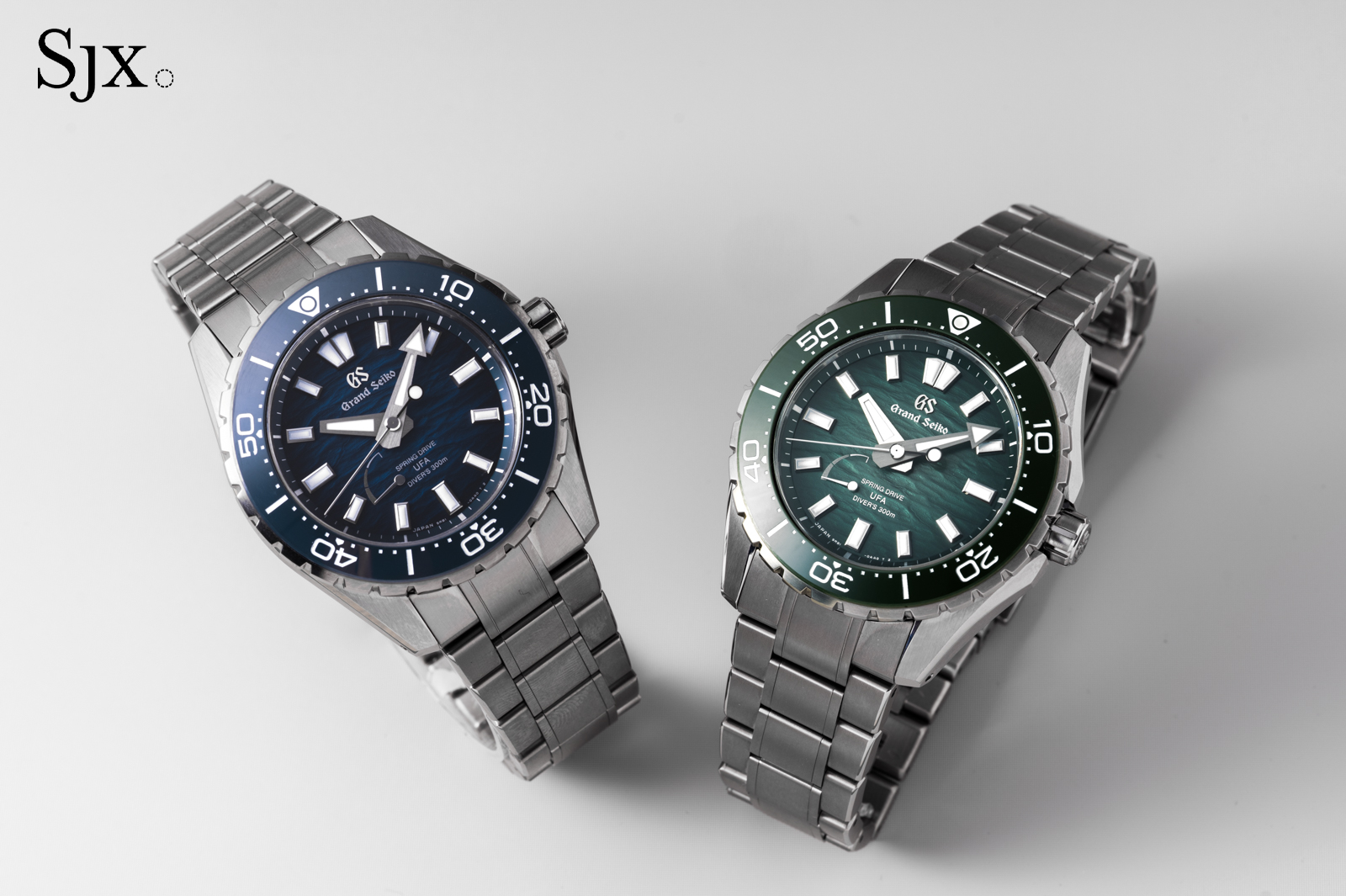
Hands On: Grand Seiko Spring Drive UFA Ushio 300 Diver SLGB025 and SLGB023
Apr 27, 2026
Teddy Baldassarre
Our Favorite Complicated Watches From Watches & Wonders 2026
Apr 23, 2026
SJX Watches
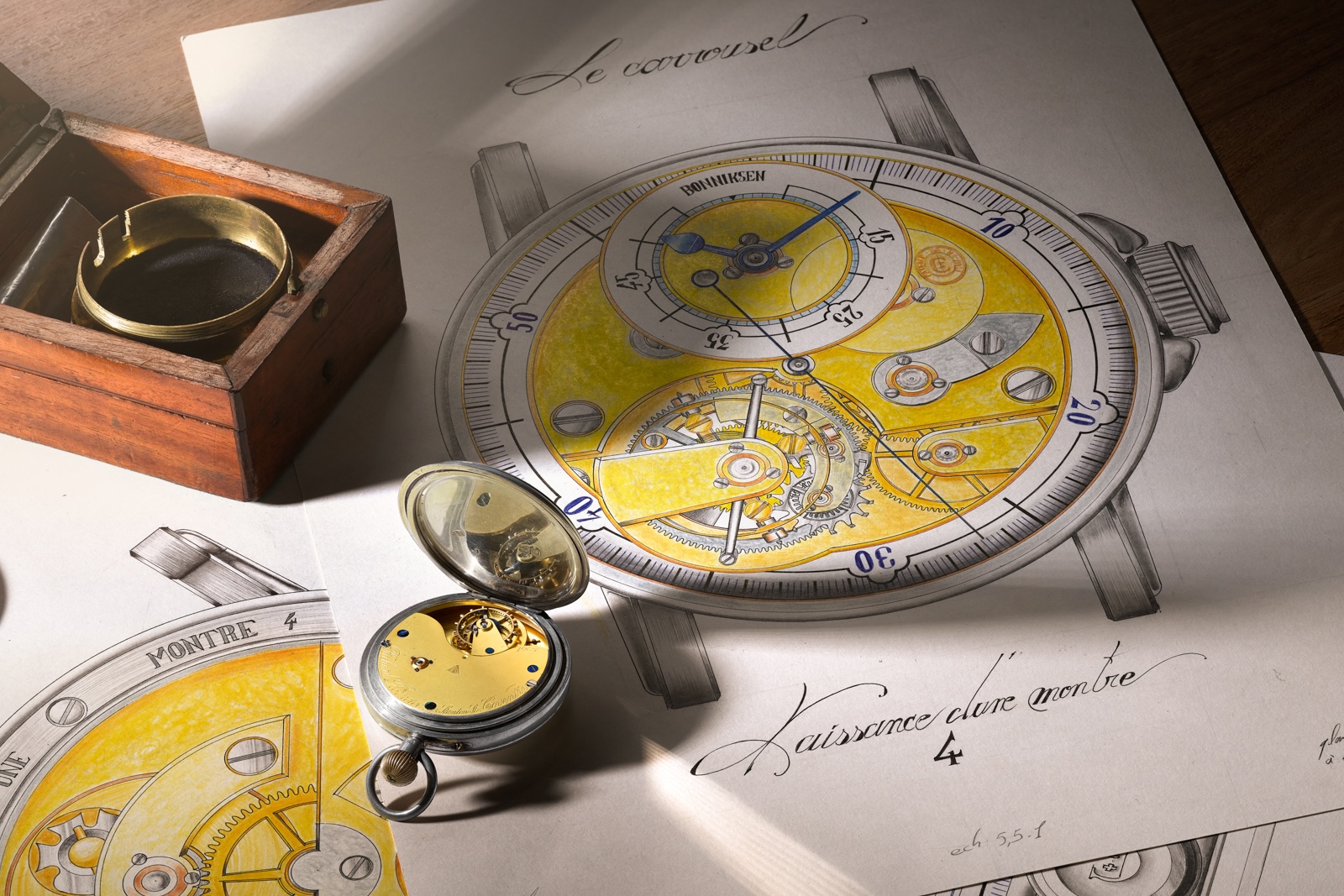
Bonniksen Reborn with Handmade Le Carrousel
Apr 7, 2026
Worn & Wound
eBay Finds: A Killer Vintage Omega DeVille, a Vintage JDM Seiko Diver, and a Funky Hamilton Chronograph
Mar 13, 2026
Fratello
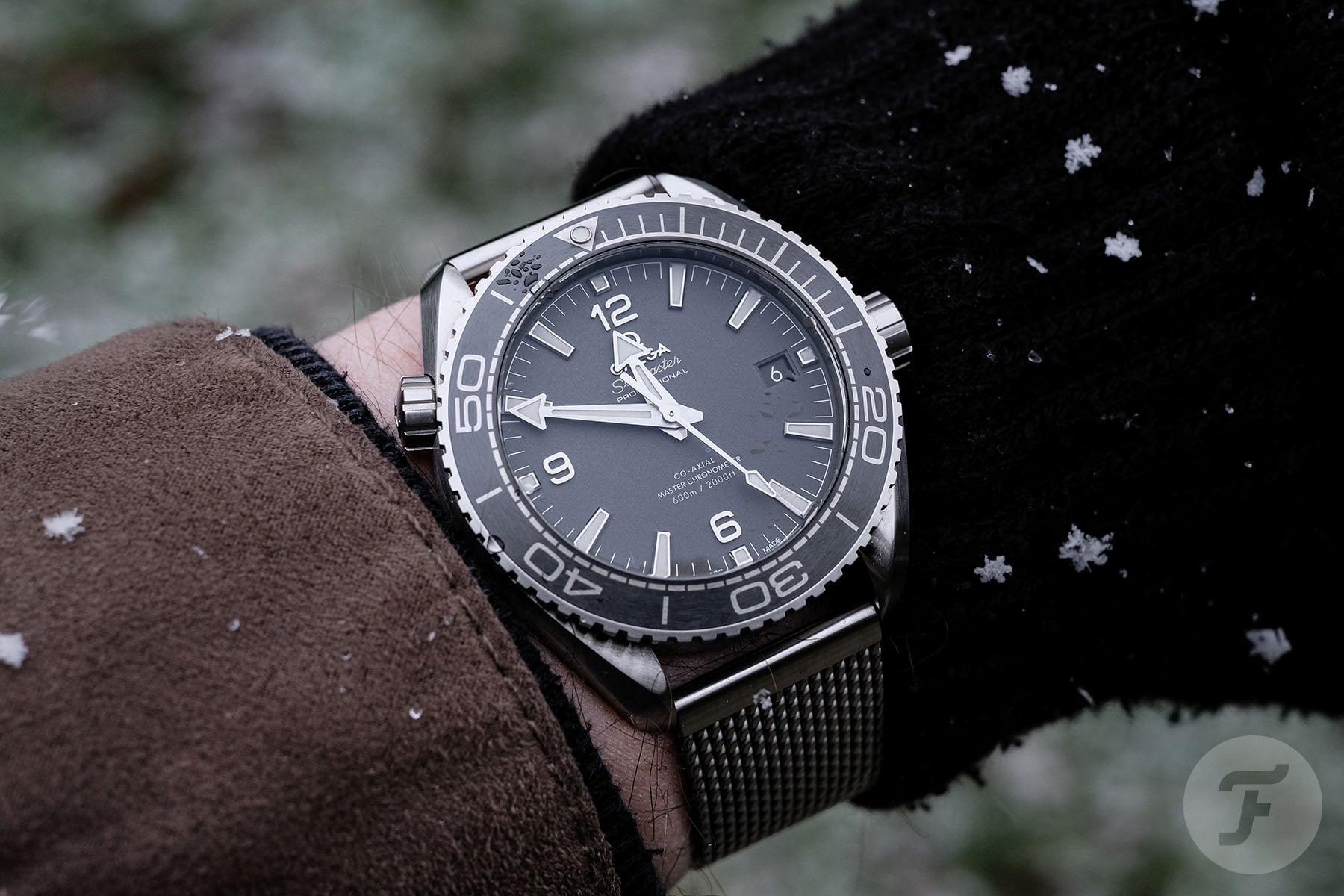
Why I Bought A Third-Generation Omega Seamaster Planet Ocean 600M Over The New Version
Jan 31, 2026
Worn & Wound
The Lord Elgin β€œChevron” Direct Read 7775 Jump Hour: Mid-Century Watch Design at Its Peak
Dec 17, 2025
Monochrome
Introducing – Eska Launches the New Racing Chronograph Automatic, a Sub-500 Euros Take on Motorsport Design
Dec 8, 2025
Teddy Baldassarre
Seiko Marinemaster SJE101 Review: Divisive But Wears Like A Dream
Nov 4, 2025
Worn & Wound
Watches, Stories, and Gear: Topo X Trek, The Artemis Collection, and Brewing Changes Impacting Coffee
Oct 4, 2025
Monochrome
The Petrolhead Corner – This 1966 Cheetah GT V8 Will Bark, Bite and Bruise You, No Questions Asked
Aug 16, 2025
Quill & Pad
Deeper, Further, Faster: Why do Some Dive Watches have Helium Escape Valves?
Jun 23, 2025
Monochrome
First Look – The New, Vintage-Inspired Eska Heritage Chronograph
Jun 13, 2025
View all 71 articles

Learn More