WOSTEP (Watchmakers of Switzerland Training and Educational Program) is the international watchmaking training programme founded in Neuchâtel, Switzerland, in 1966 by the Federation of the Swiss Watch Industry (FH). The school operates as the industry-standard training pathway for non-Swiss students who want to become Swiss-certified watchmakers; the curriculum is built and updated by the FH and is recognised across the Swiss watch industry as a primary credential for hiring at major manufactures.
The WOSTEP curriculum runs approximately 3,000 hours over 3 years at the master campus in Neuchâtel. Students learn:
"You can't make a watchmaker in less than three years. WOSTEP is the structured 3,000 hours that turns a student into someone an authorised service centre can hire."- WOSTEP graduate commentary on the training curriculum
, Theory: history of horology, mechanical principles, gear-train geometry, escapement physics, hairspring metallurgy, COSC chronometer specification.
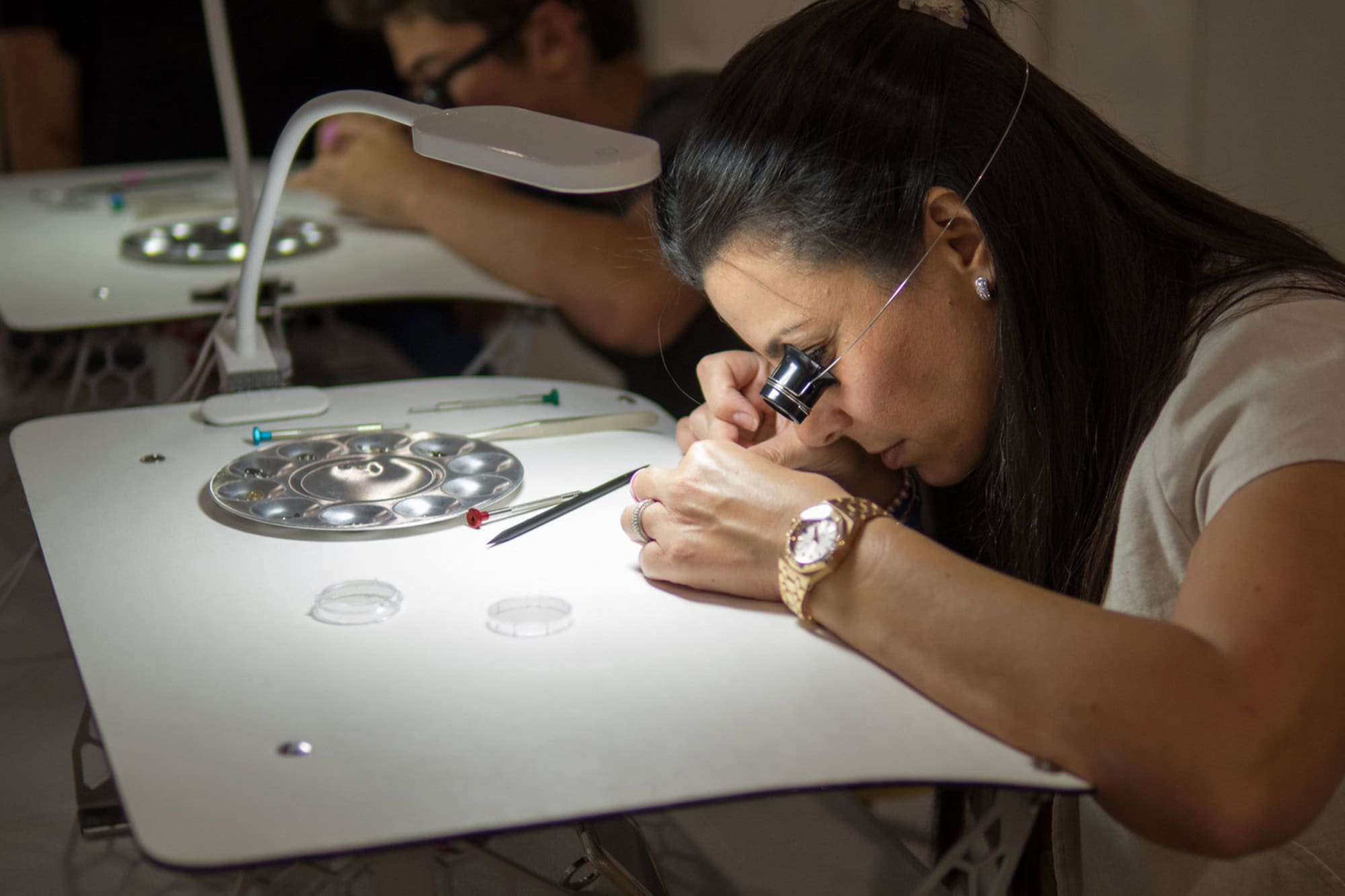
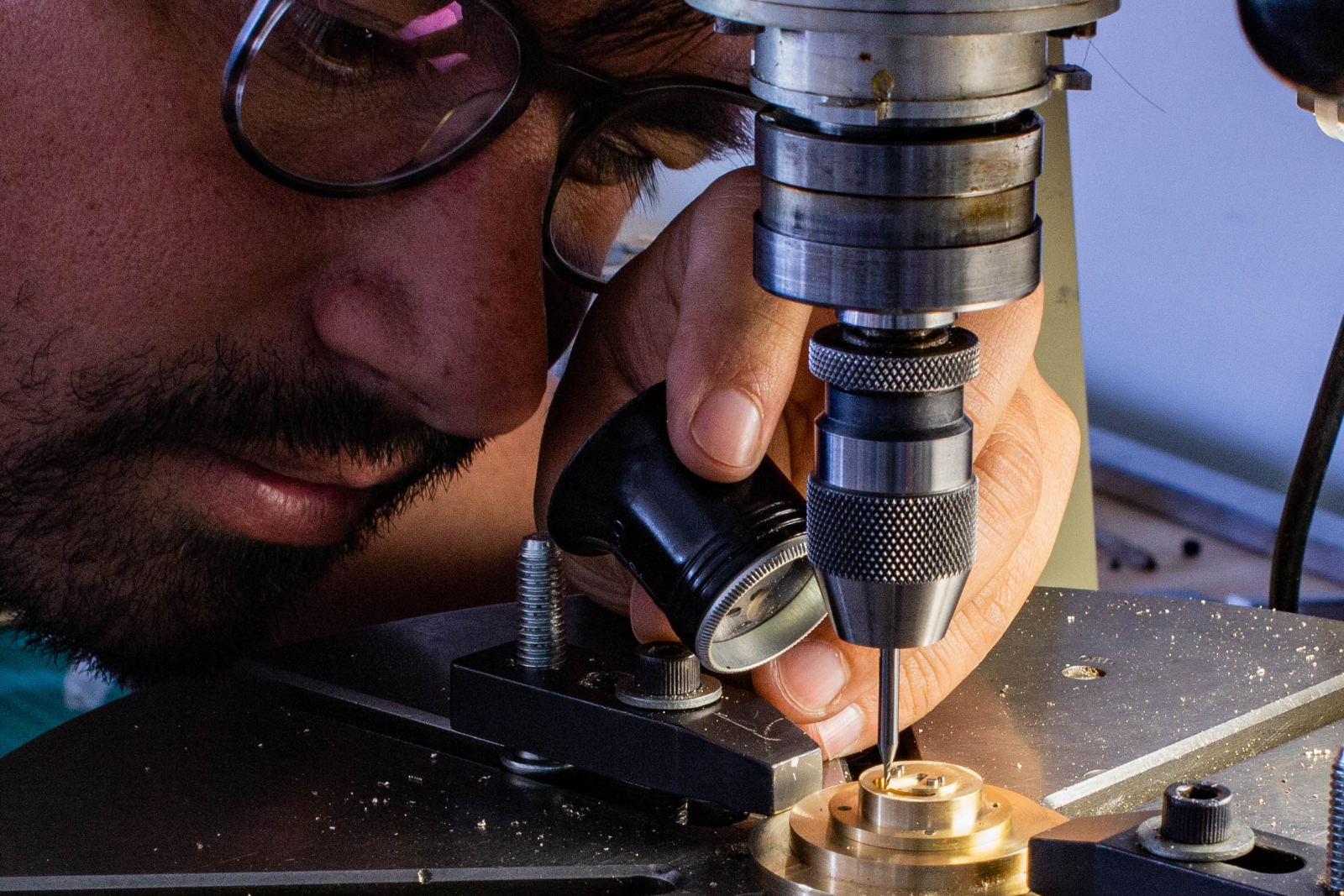
, Bench skills: hand-finishing of plates and bridges, anglage (hand-bevelled chamfers), setting up basic and complicated movements, regulation, case assembly, water-resistance testing.
, Service procedures: complete strip-and-rebuild service of mainline calibers (ETA 2824, Valjoux 7750, Cal. 3135 family), parts replacement, troubleshooting of common faults.
, Complications: chronograph, perpetual calendar, minute repeater introduction, tourbillon at the more advanced specialisation programmes.
WOSTEP's primary master programme is the "WOSTEP 3000-hour Watchmaking Diploma"; the school also operates several specialisation tracks including a 1,500-hour service-only programme, a 600-hour after-sales-service programme, and complication-specific intensives in chronograph servicing and complications. Satellite WOSTEP programmes operate at affiliated schools in the United States (Lititz Watch Technicum in Pennsylvania, until its closure in 2022; Oklahoma State Watchmaking Program), Asia, and Europe; these schools follow the WOSTEP curriculum but offer programmes locally.
WOSTEP graduates work primarily at Swiss manufactures and authorised service centres worldwide. The Holy Trinity, Rolex, Omega, and major group brands all hire WOSTEP graduates for their service networks; a WOSTEP diploma is widely accepted across the industry as a baseline credential. Annual graduate volume is approximately 50-100 per year worldwide; the global watchmaking industry has roughly 5,000-7,000 active watchmakers, of which about half hold WOSTEP credentials and the remainder hold credentials from the historic Swiss watchmaking schools (Glashütte's Deutsche Uhrmacherschule, Le Locle, La Chaux-de-Fonds) or from comparable national schools (BHI in the UK, AWCI in the US).
The shortage of trained watchmakers is a recurring industry concern. The mechanical-watch revival from the 1990s onward created sustained demand for service-trained watchmakers that has consistently outpaced training-school output. WOSTEP and its affiliated schools have struggled to scale; the curriculum is hands-on and small-class by necessity, and the 3-year duration limits enrolment growth. Some major brands (notably Rolex and Audemars Piguet) operate in-house apprenticeship programmes as an alternative to WOSTEP, training watchmakers directly to the brand's own specifications.
For collectors, WOSTEP is the credential to look for when assessing service network capability. A WOSTEP-trained watchmaker is qualified to service mainstream Swiss watches at AD-level standards; vintage watch service requires additional specialisation that WOSTEP does not directly cover but can be a foundation for. Independent watchmakers (Dufour, Journe, others) frequently hold WOSTEP credentials alongside additional specialisation. The school is, in practical terms, the credentialing infrastructure of the modern Swiss watchmaking workforce.








Comments 2