 SJX Watches
Insight: Screw-Down Showdown
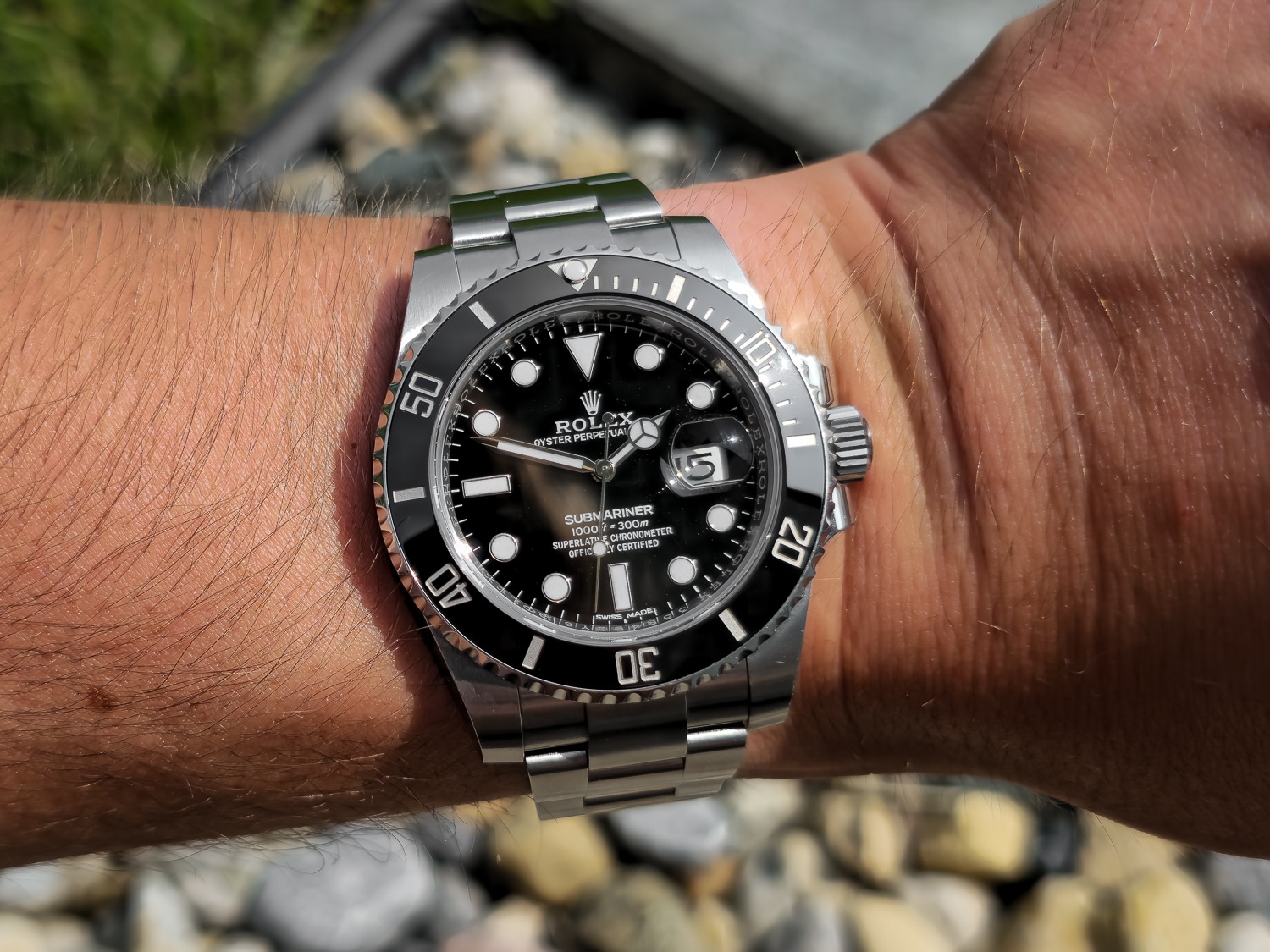
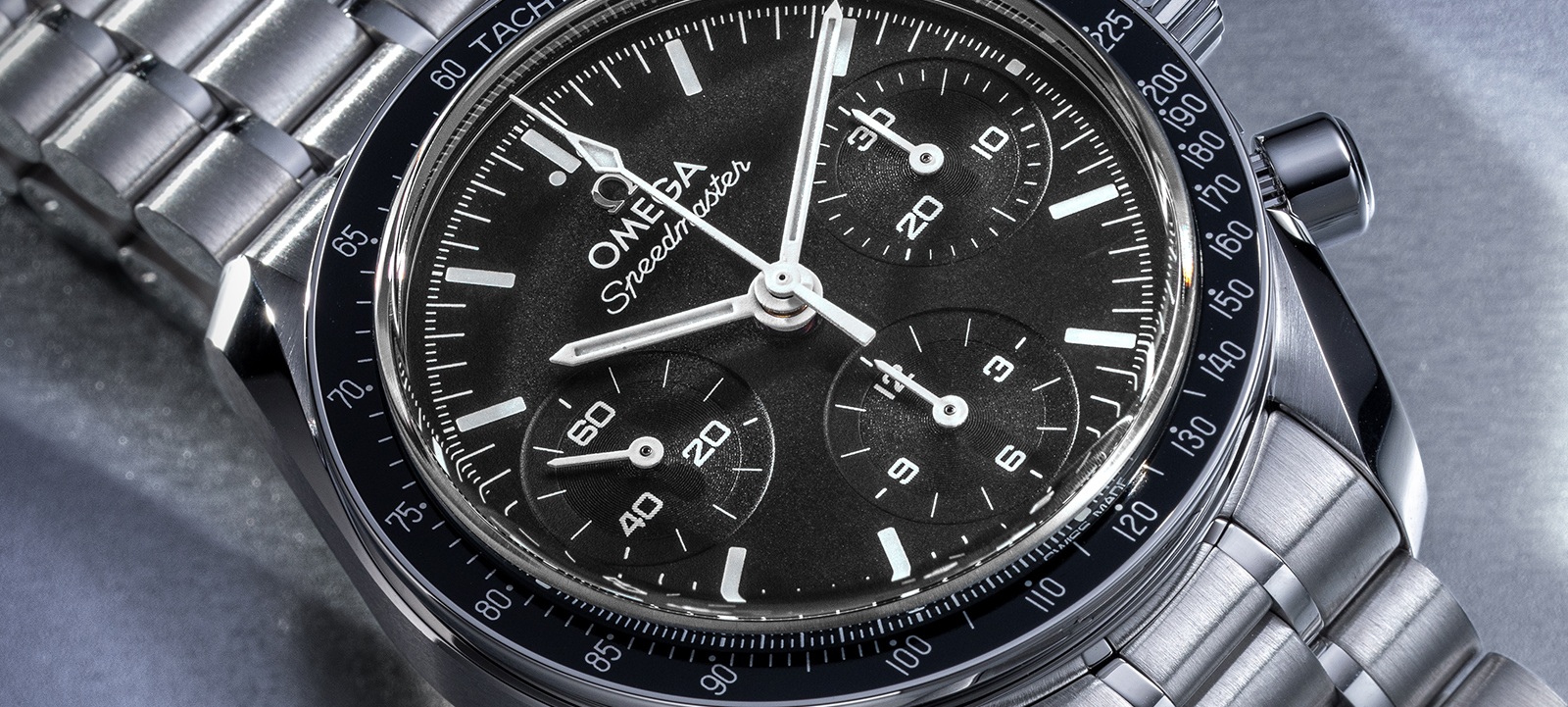
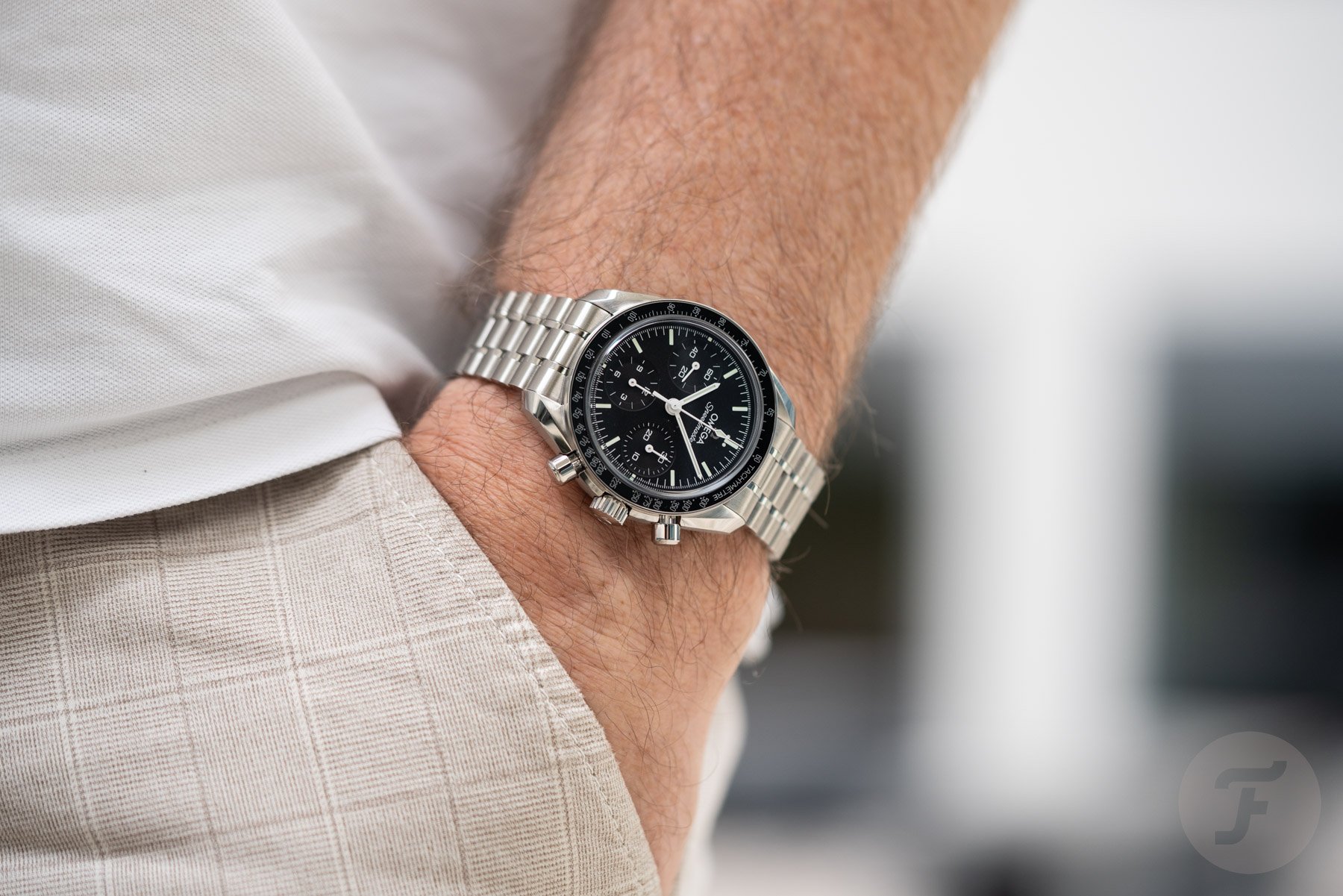
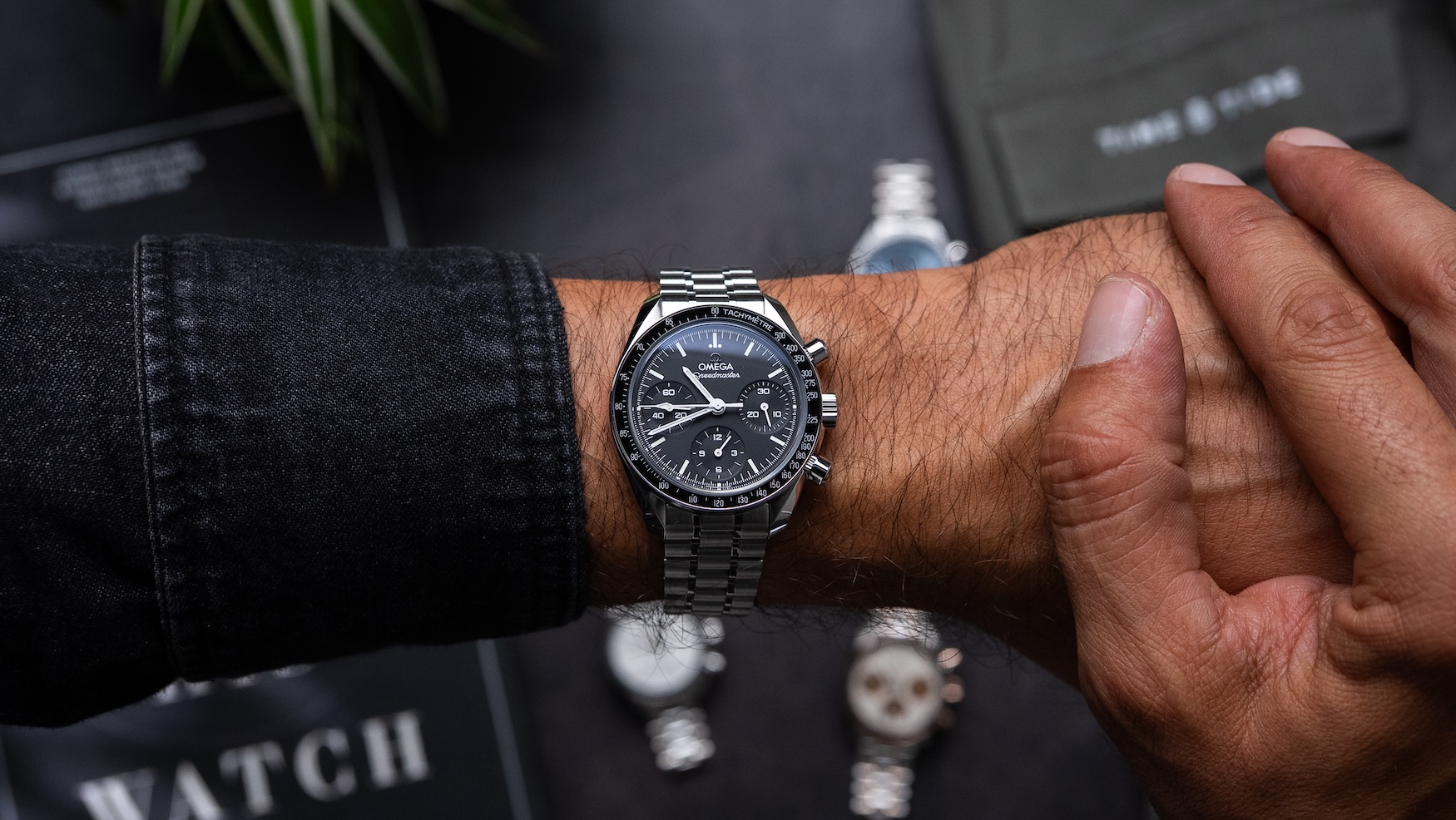
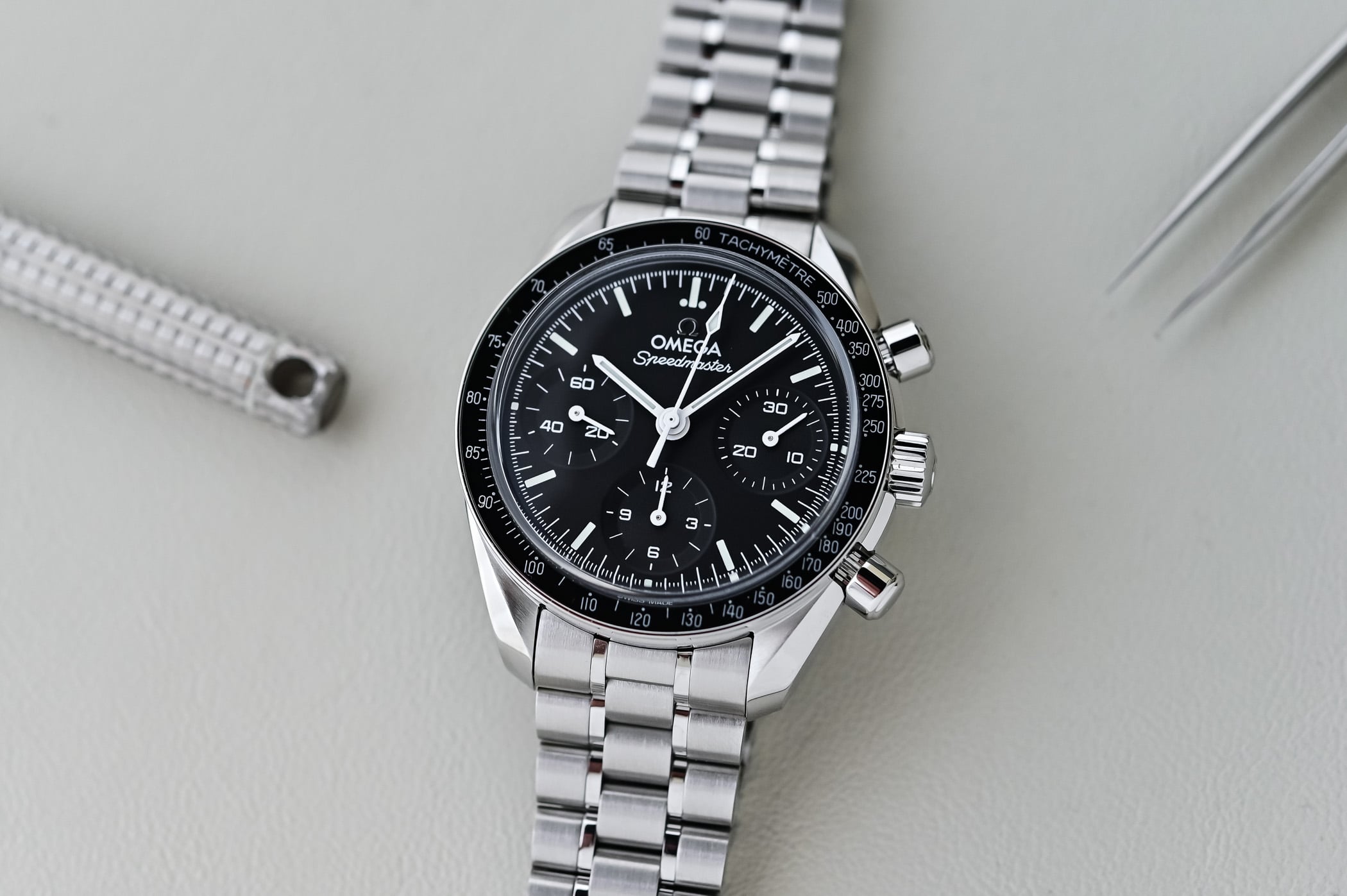
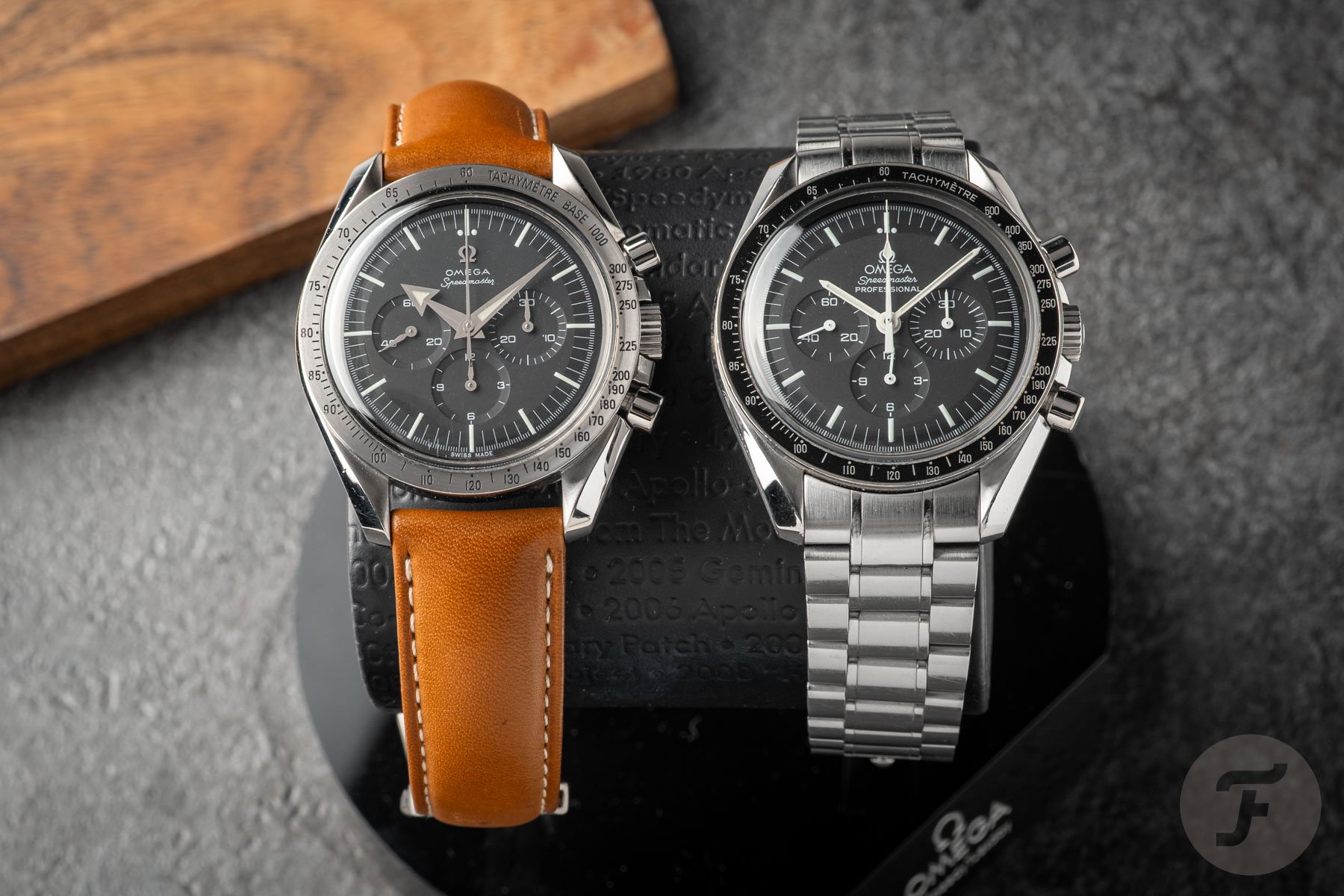
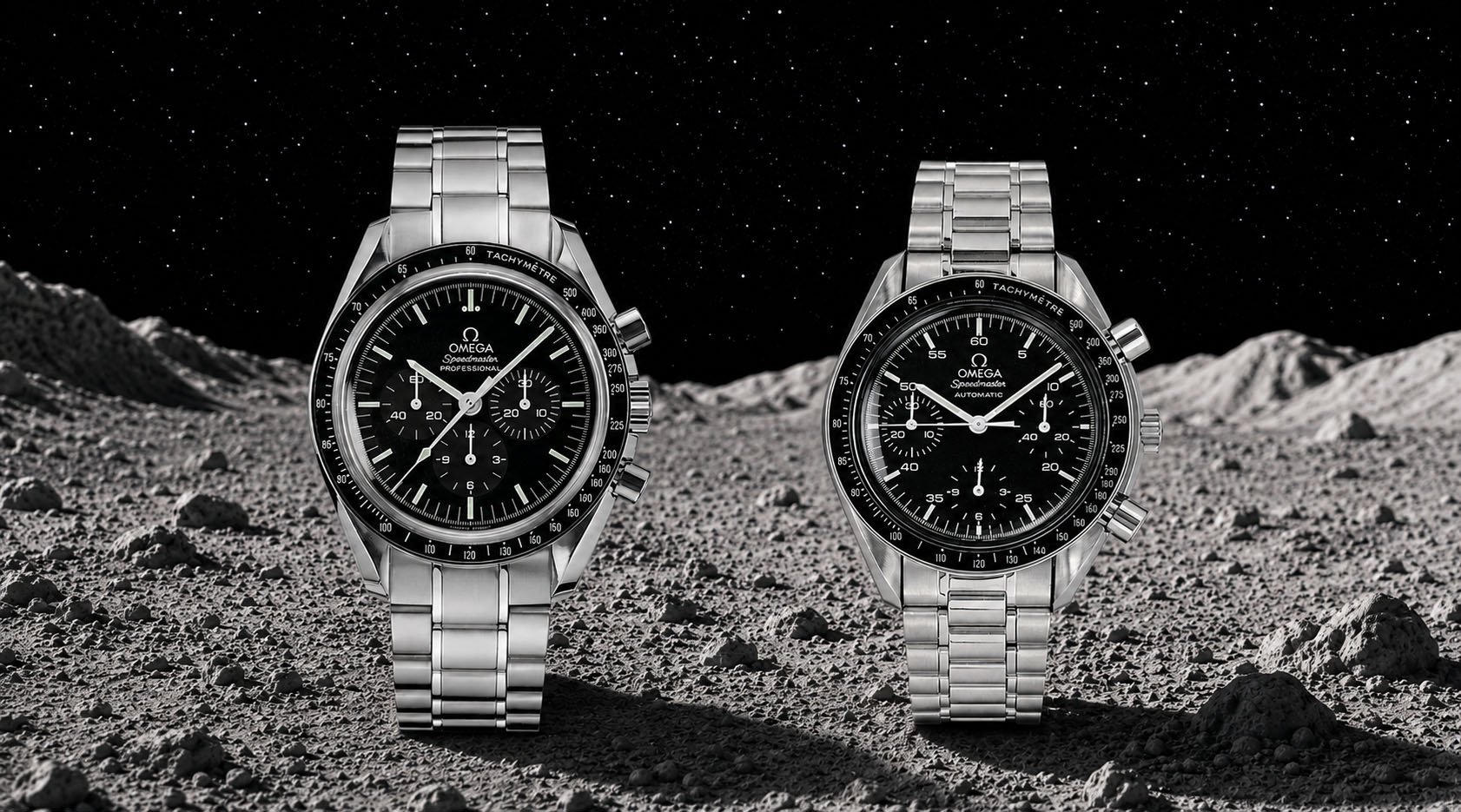
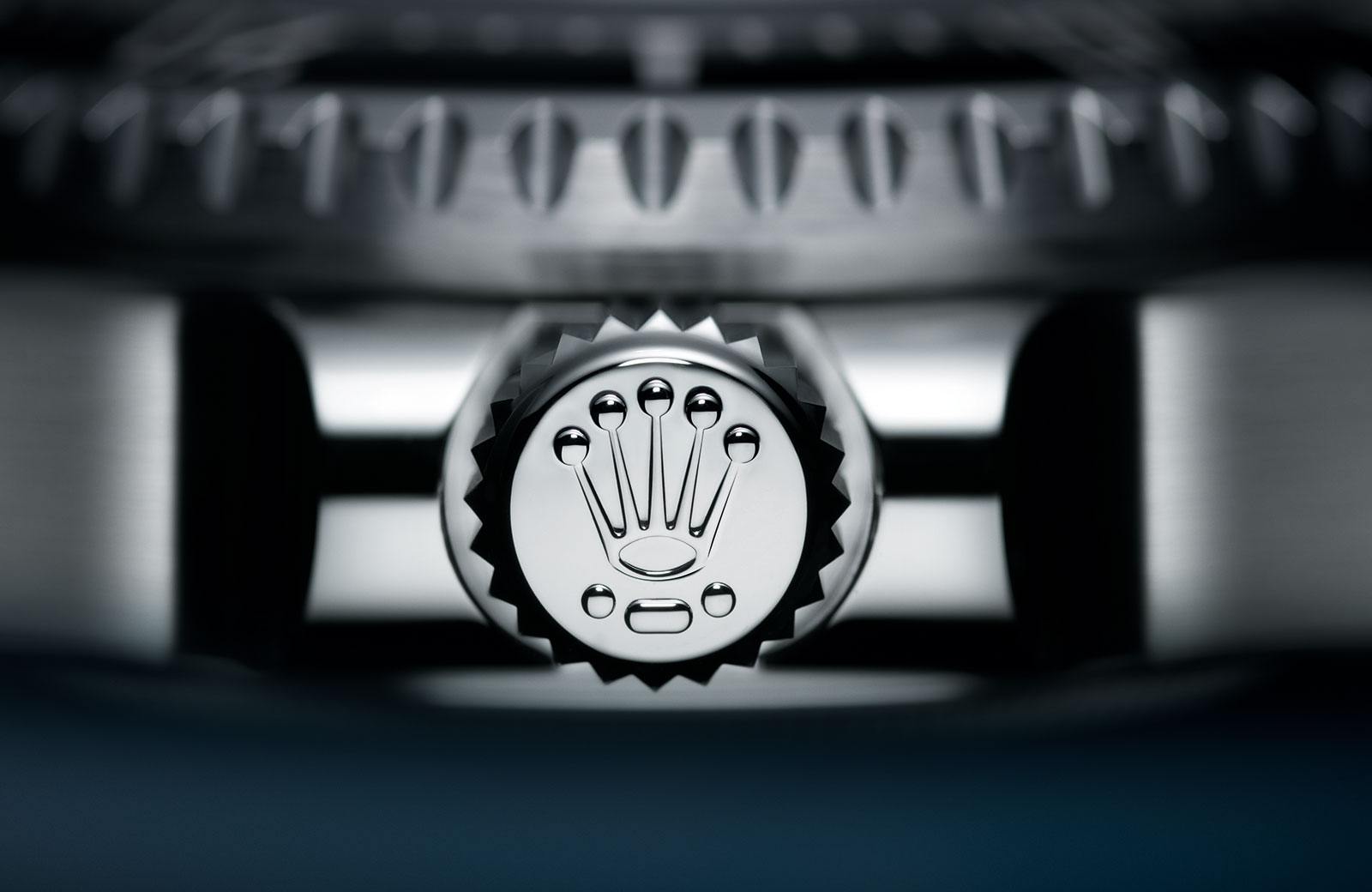
Mechanical movements attract most of the technical interest in watchmaking, but considerable engineering also goes into keeping them dry. For an everyday watch, the waterproof construction of the case and crown is central to its reliability, yet the way these components keep water out is often misunderstood. Screw-down crowns and case backs are widely regarded as the best way to seal a watch. But the choice is not always straightforward. On a hand-wound watch, for example, a screw-down crown must be unscrewed and tightened regularly, adding an extra step to winding and potentially compromising the threads. The Omega Speedmaster Moonwatch, on the other hand, features a conventional crown and is rated to 50 m. Even so, some owners remain wary of exposing it to more than an occasional splash. So the question is, how much protection can a conventional crown provide, and what does a screw-down construction add? To understand the distinction, we take a closer look at the crown, its tube and the gaskets that form the seal. As a disclaimer, this discussion concerns modern watches with seals in good condition; vintage watches and those long overdue for service should be checked for waterproofness prior to contact with water. A common misconception The actual waterproofness of a joint relates to the uniformity of the seal pressure. In this case, “waterproofness” is used broadly as the ability of a mechanical joint to keep water from seeping in under normal functioning conditions...