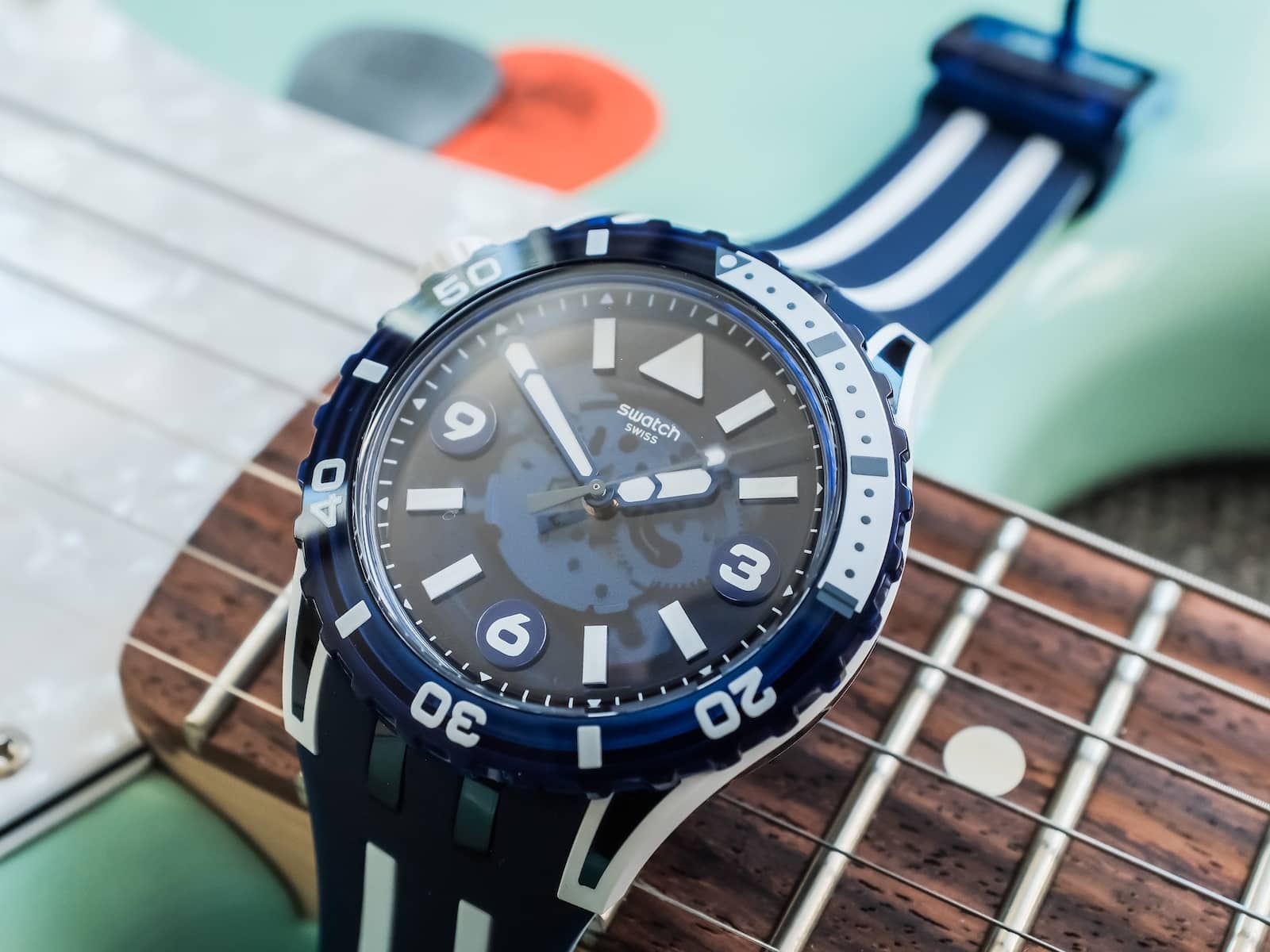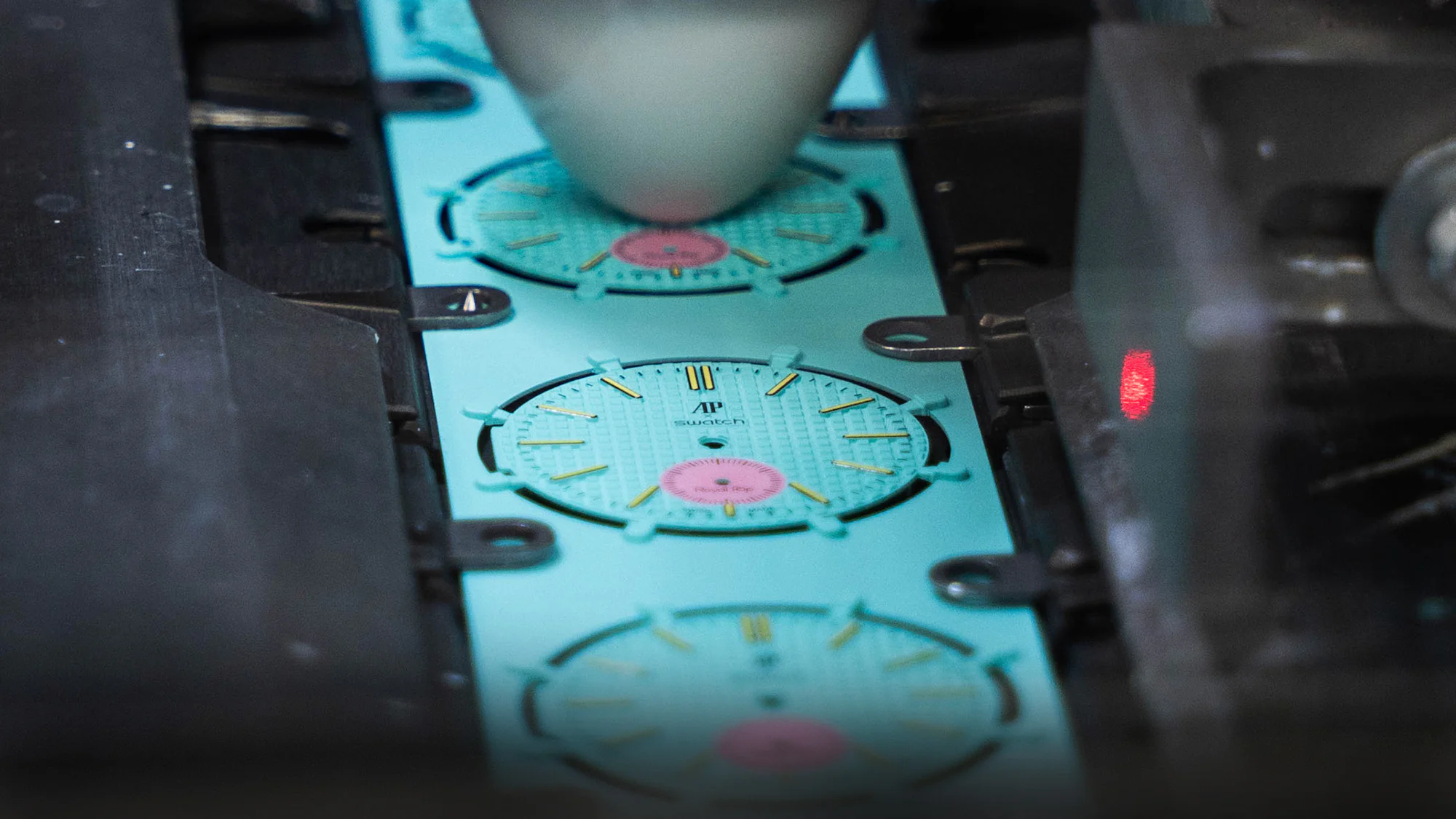
Swatch began as Project Delirium, a 1980 R&D programme inside ETA SA aimed at building a Swiss-made quartz watch with a radically reduced part count to compete on price with Japanese imports. The original engineering target, set by ETA's Ernst Thomke and executed by engineers Elmar Mock and Jacques Muller, was 51 components in a sealed plastic case (versus 90+ in conventional Swiss quartz watches). Nicolas Hayek, brought in to save the failing ASUAG and SSIH groups, championed the project as the consumer-facing answer to the quartz crisis: a fashion-forward, sub-CHF 50 Swiss-made watch with rotating colour and design editions.
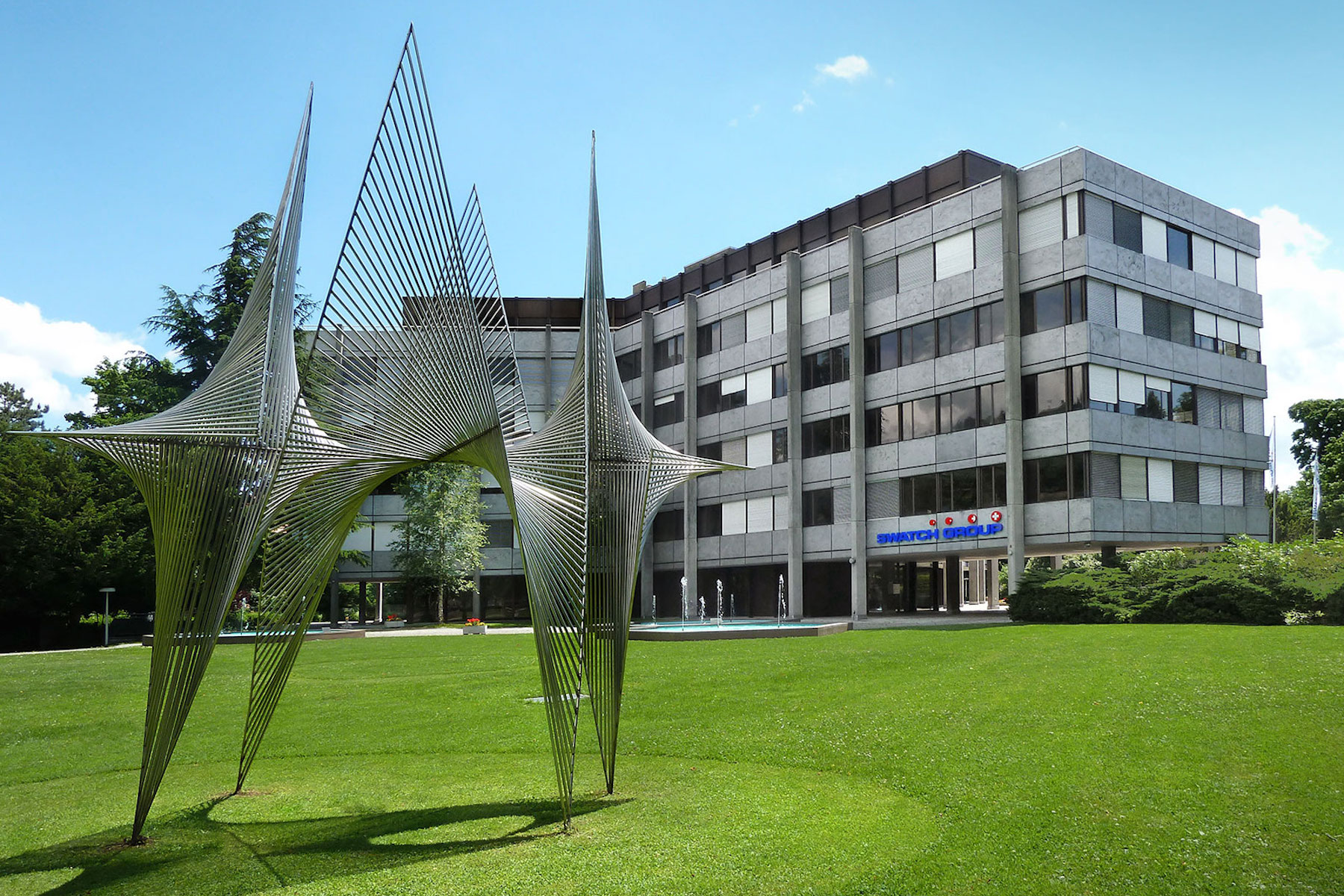
Swatch launched on 1 March 1983 with twelve initial models. Within five years the brand was selling over 50 million watches per year and effectively financing the broader recovery of the Swiss watch industry. The successful merger of ASUAG and SSIH in 1983 created SMH (Société Suisse de Microélectronique et d'Horlogerie); the holding was renamed Swatch Group in 1998 and grew via acquisitions to include Omega, Blancpain, Breguet, Glashutte Original, Longines, Tissot, Hamilton, Mido, Certina, Rado, Jaquet Droz, and Union Glashütte.
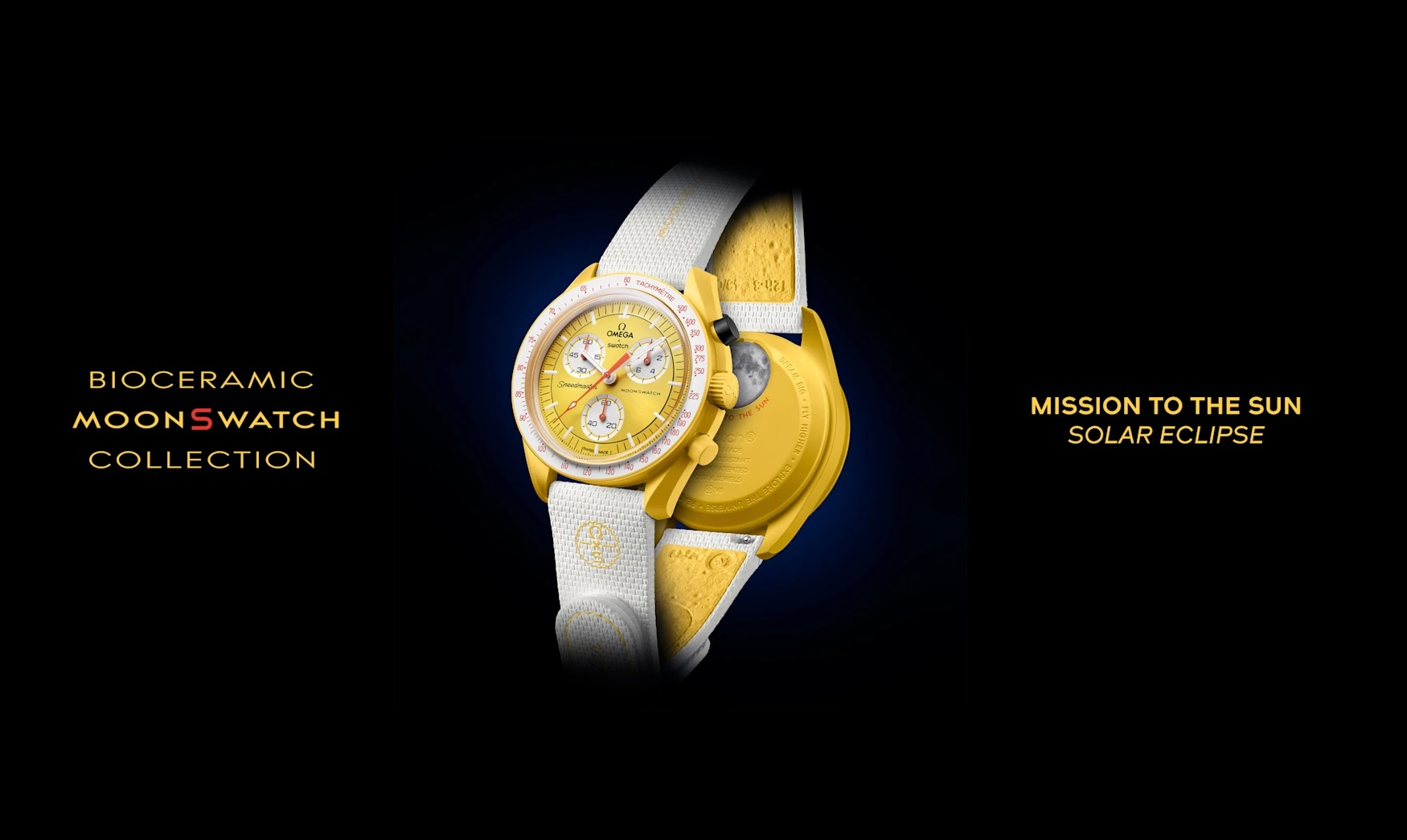
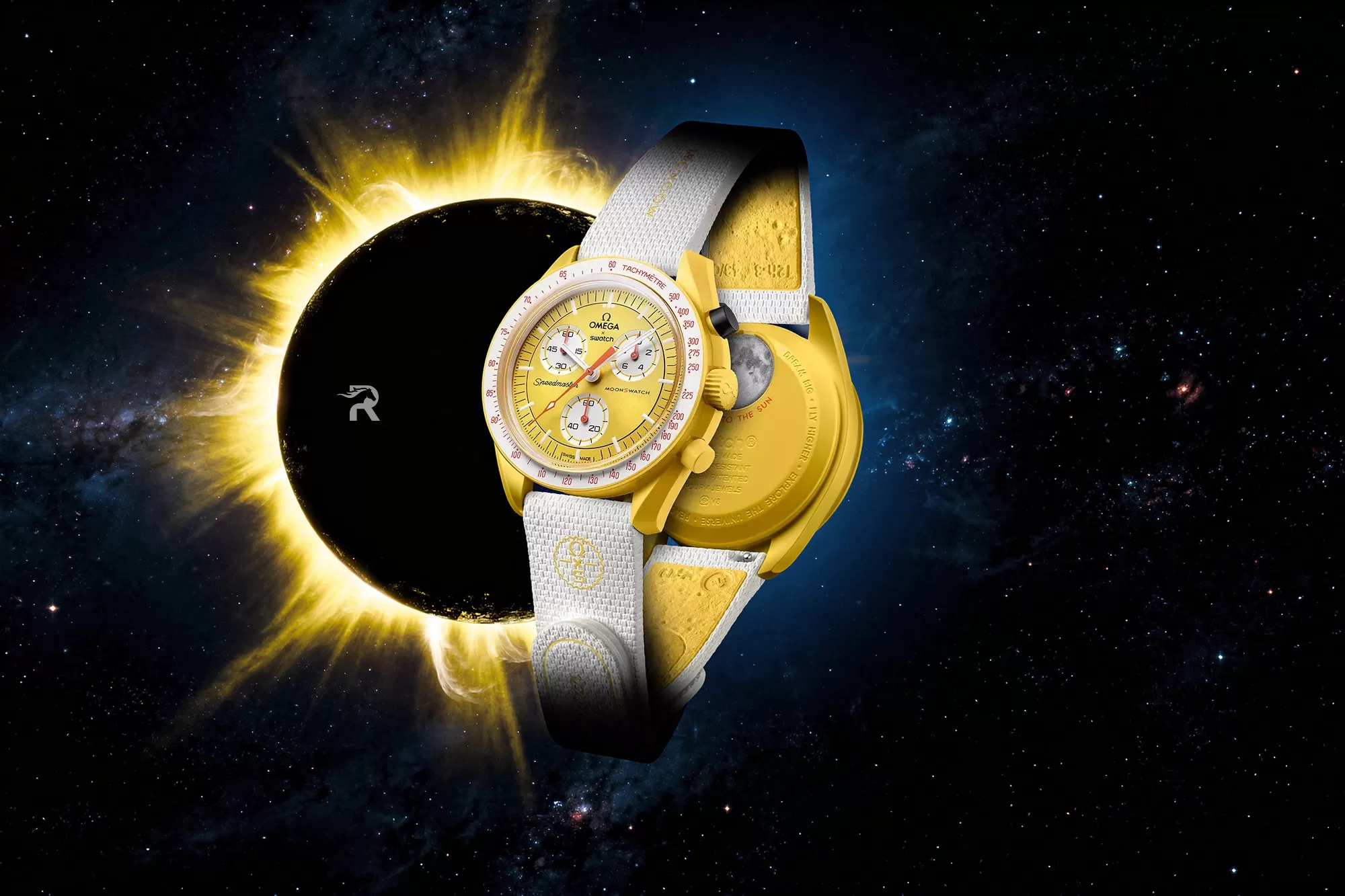
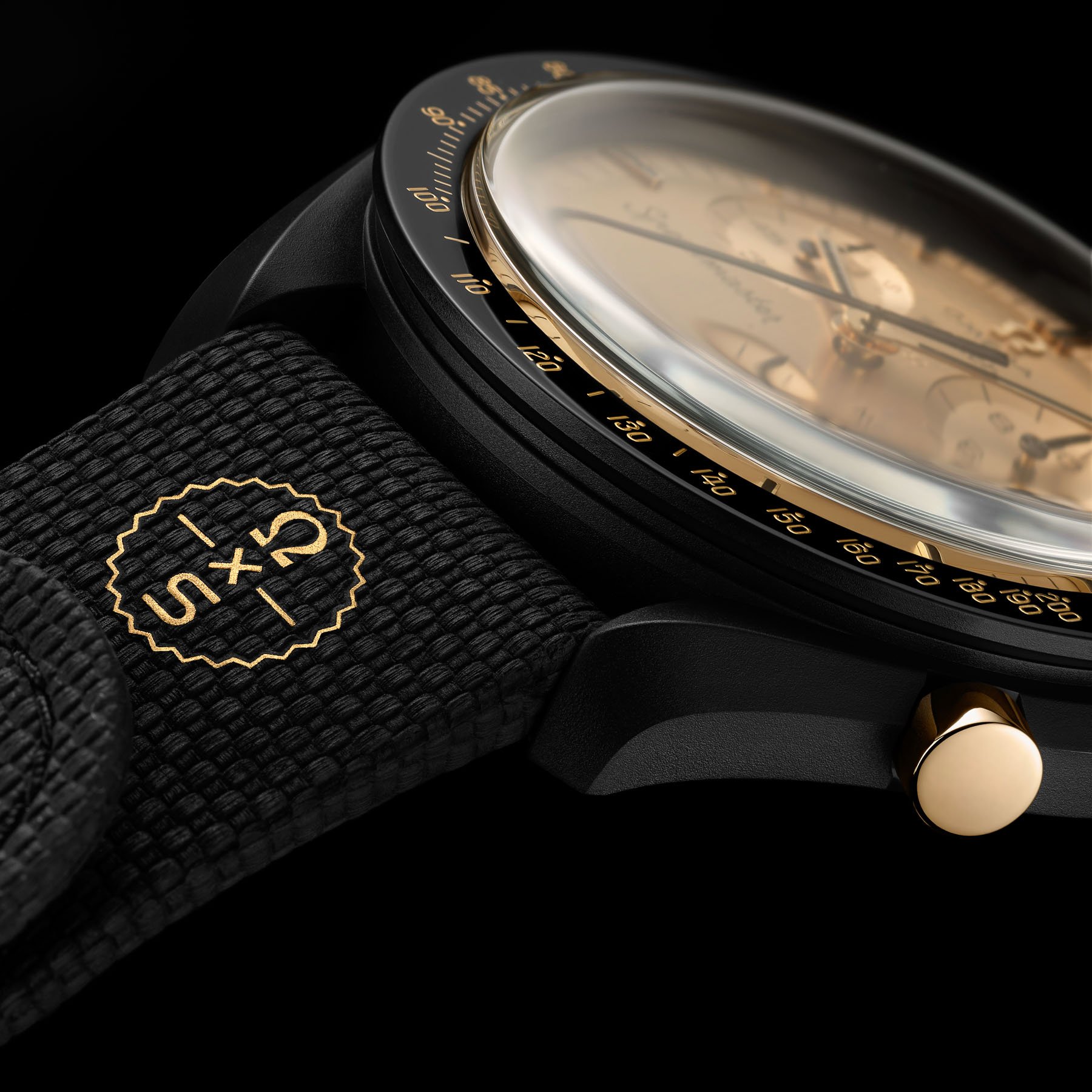
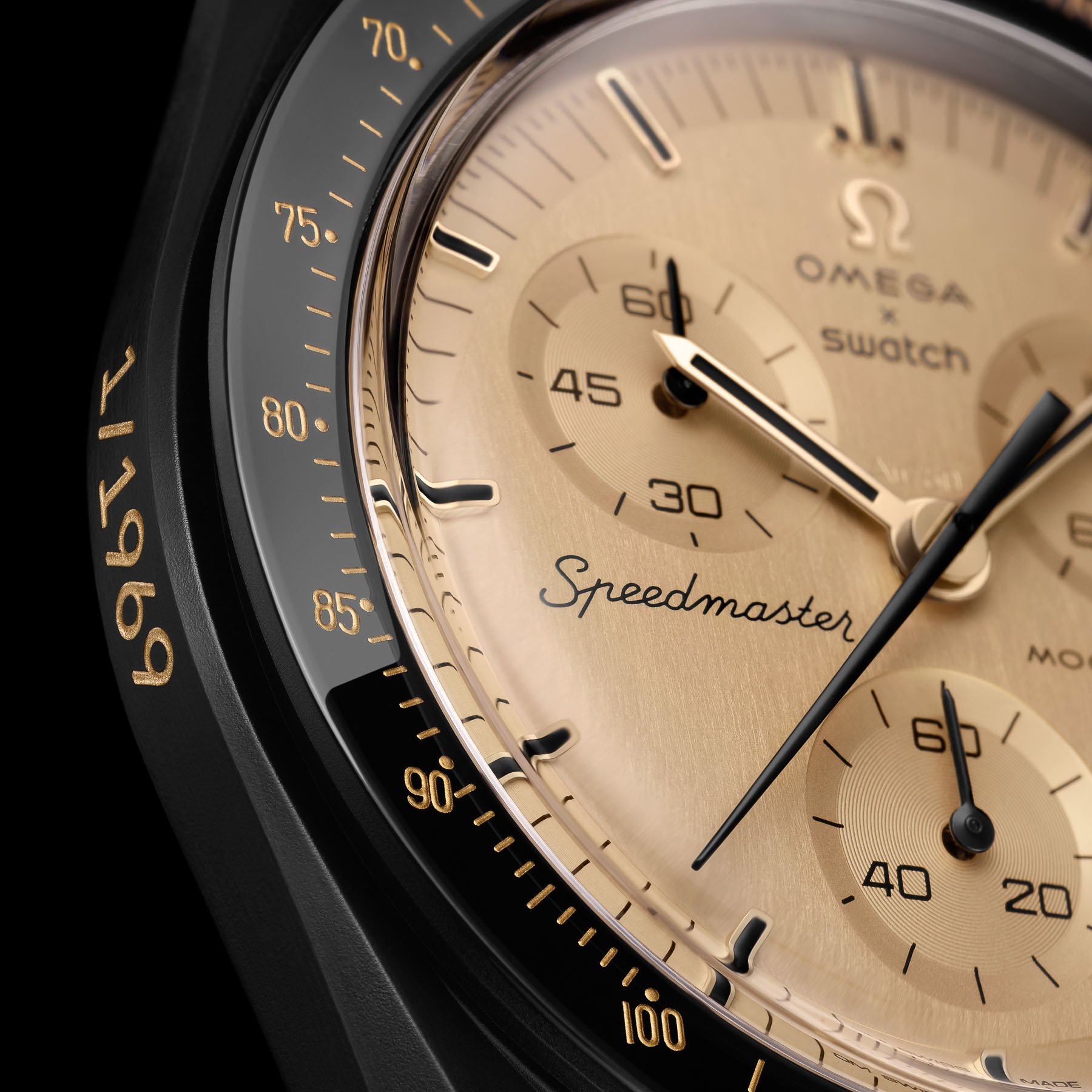
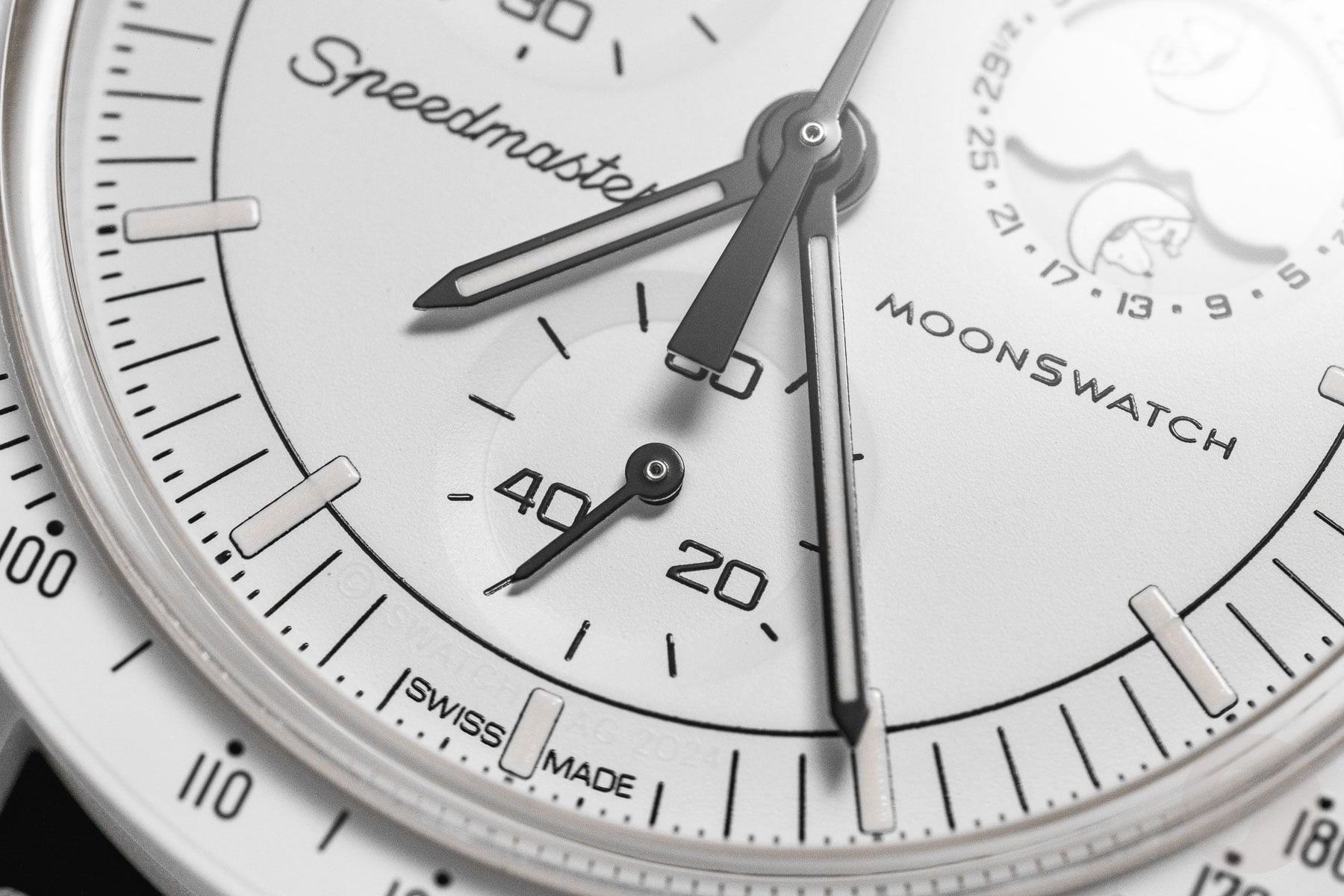
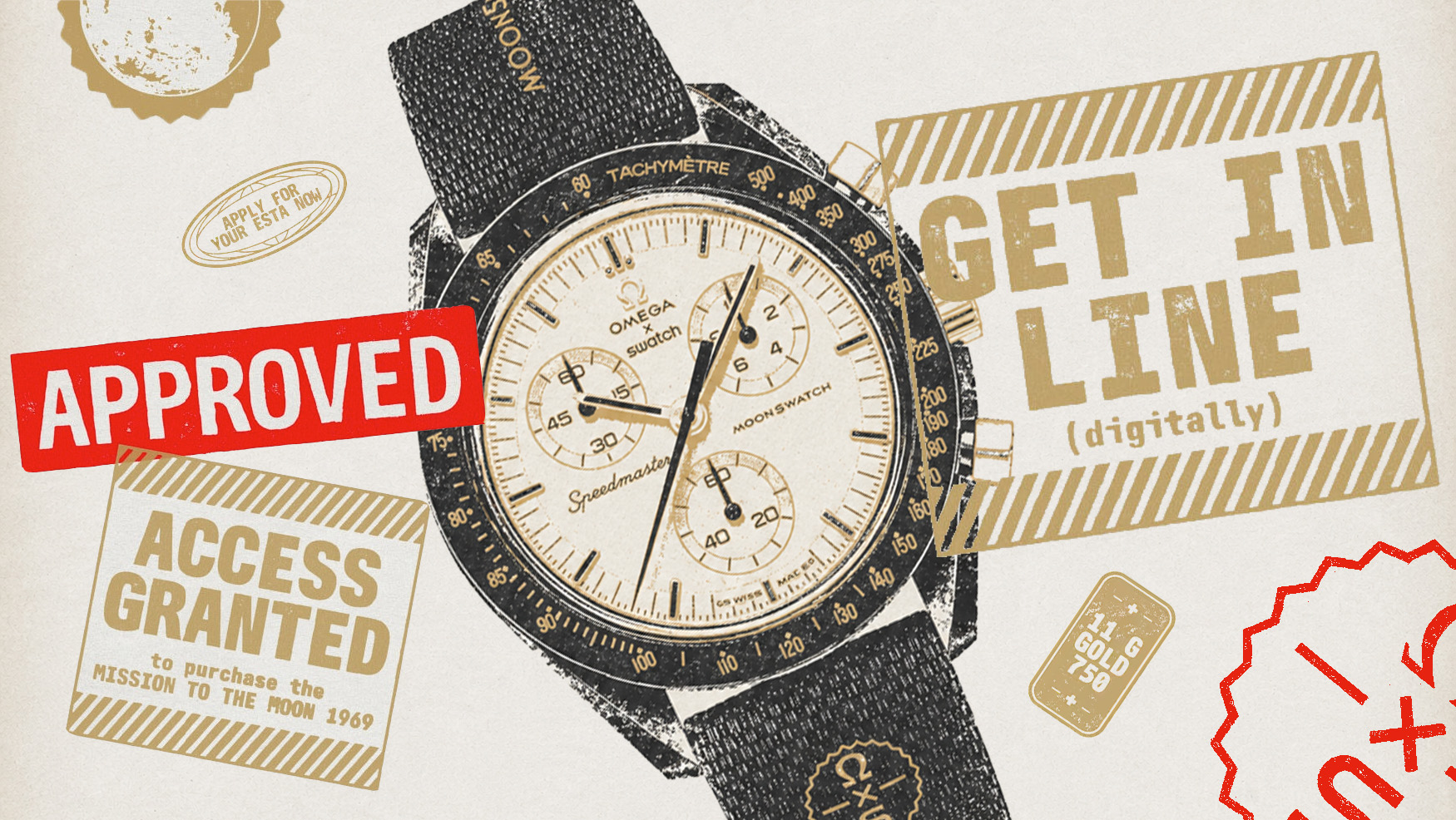
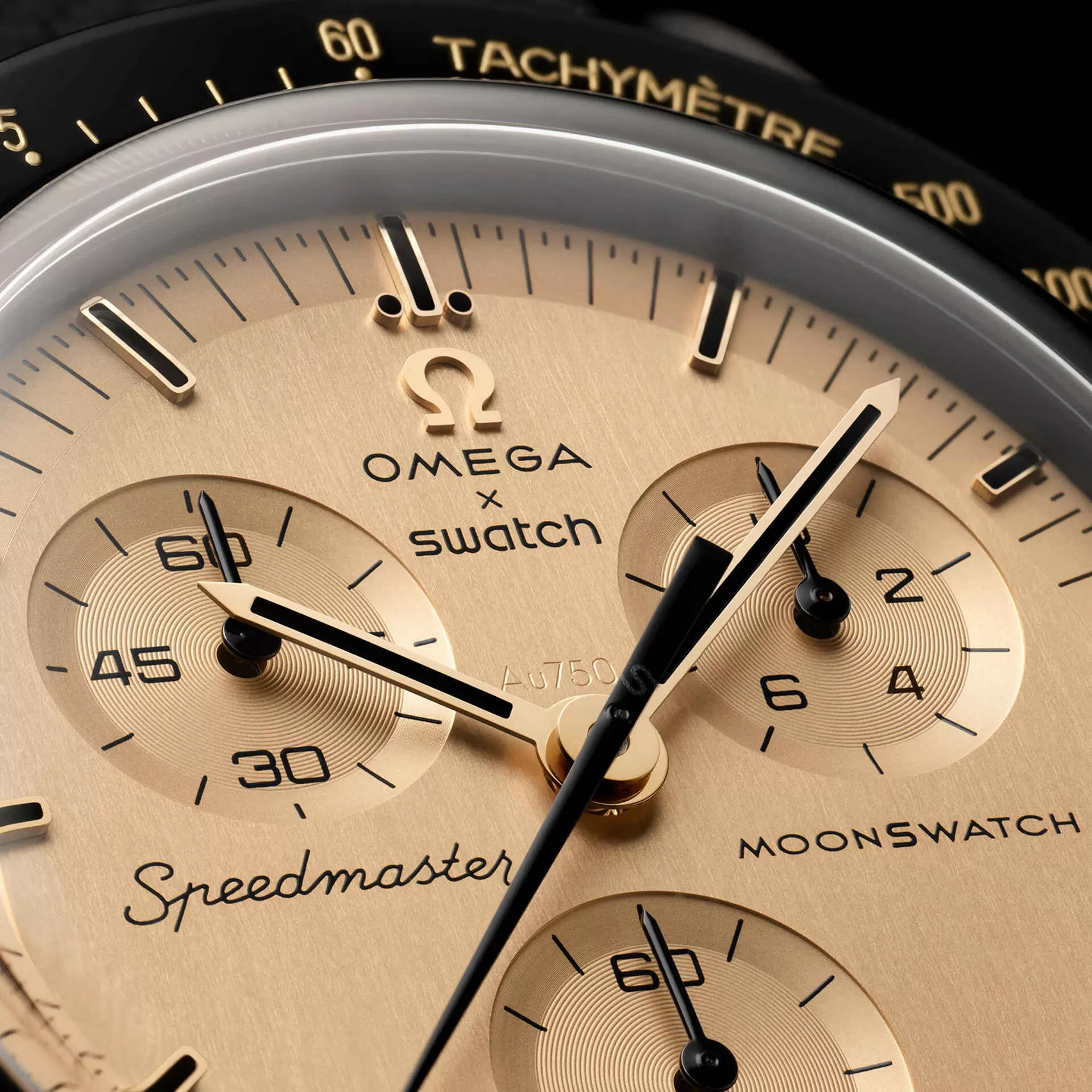
The Swatch brand itself produces several distinct lines: the original Originals (51-part quartz, plastic case, rotating designs), the 2013 Sistem51 mechanical (a fully-automated 51-part automatic calibre, the only Swiss-made automatic at this price tier), Skin (slim quartz), and a parade of cultural cross-overs (Keith Haring, Damien Hirst, Yoko Ono, MoMA editions). The 2022 MoonSwatch collaboration with Omega (Bioceramic Speedmaster Mission to the Moon and ten planet-themed siblings) caused queues outside Swatch boutiques worldwide and effectively reset the brand's cultural relevance. The 2023 Scuba Fifty Fathoms with Blancpain repeated the formula with the dive-watch heritage. Today Swatch sells USD 5+ billion of group revenue annually across its consumer brand and group portfolio.