Watch brandsWatch wikiWatch videosVariousWatch calendarSaved articles
PopularRolexOmegaPatek PhilippeAudemars PiguetTudorGrand SeikoCartierSeikoIWCTAG HeuerBreitlingJaeger-LeCoultreA. Lange & SohneZenith
WristBuzzWatch WikiAluminum Bezel Insert
πŸͺ¨ Material Β· Anodised Aluminum Β· Vintage Sport

Aluminum Bezel Insert

The anodised aluminum bezel that defined sport watches from 1950 to 2005, and why some modern brands still use it.

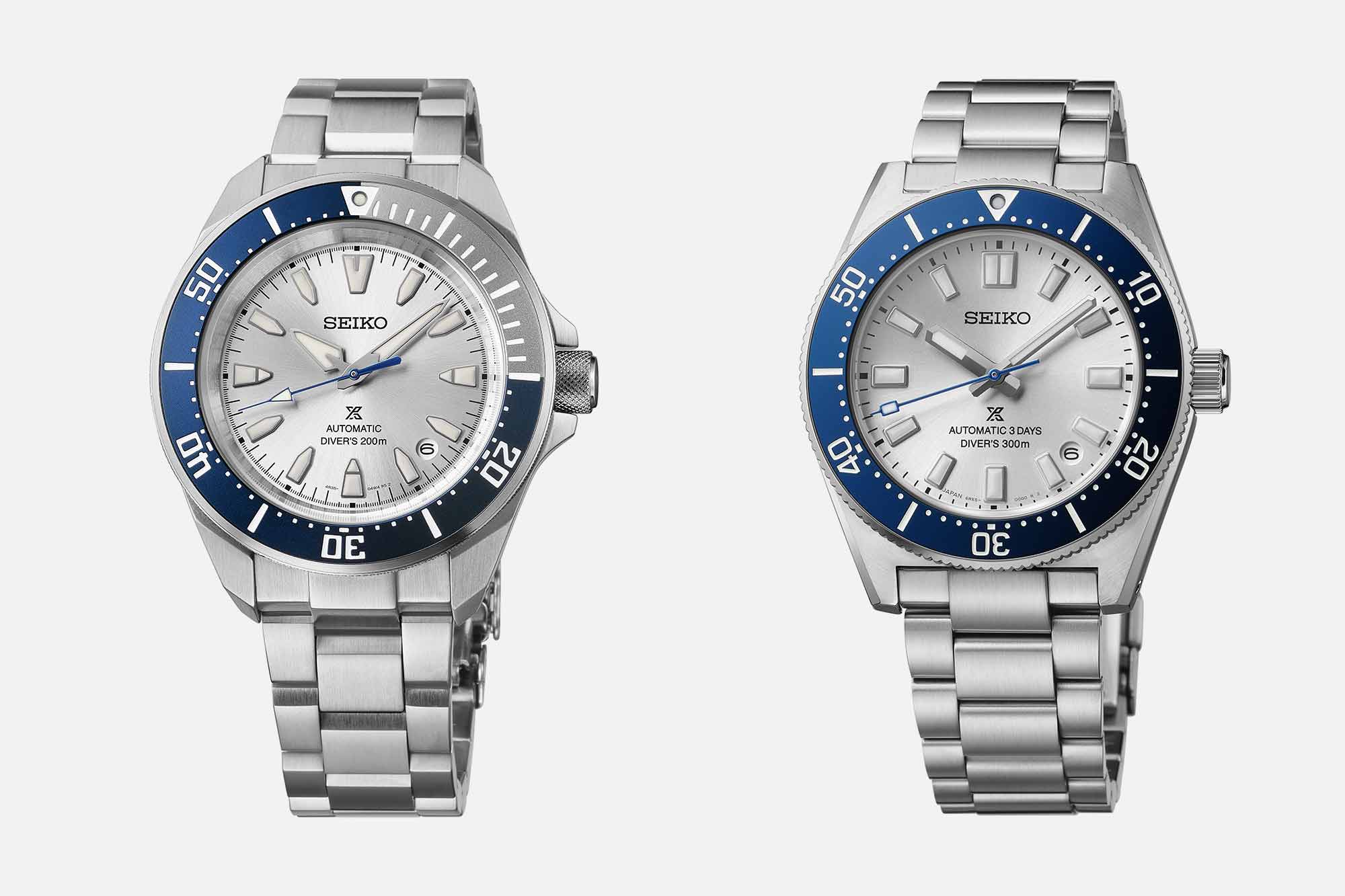
An aluminum bezel insert is the anodised aluminum ring on a watch bezel showing the timing scale (dive, GMT, or chronograph). Aluminum was the dominant bezel-insert material from the 1950s through 2005; it is cheap to manufacture, easy to engrave, and available in any anodisation colour (Pepsi, Batman, Coke, Root Beer). The trade-off is durability: aluminum is soft (Mohs 2-3) and UV-sensitive, so bezels scratch and fade with wear and sun exposure. The post-2005 industry shift to ceramic bezels displaced aluminum in modern Rolex, Omega, and IWC sport-watch catalogues; aluminum persists in Tudor Black Bay (deliberate vintage aesthetic), heritage Longines references, and most microbrand divers. Vintage aluminum bezels with tropical fade (red β†’ pink, blue β†’ violet) are highly collected.

MaterialAnodised aluminum (typically aluminum alloy 5052 / 6061)
HardnessMohs 2-3 (soft; scratches and dings easily)
ColourAnodisation in any colour; Pepsi, Batman, Coke, Root Beer
UV behaviourFades with sun exposure (red β†’ pink, blue β†’ violet)
EraDominant 1950-2005; vintage Submariner / GMT / Daytona standard
Modern persistenceTudor Black Bay, heritage Longines, microbrand divers
WristBuzz Articles33
Aluminum Bezel Insert

Photo: Two Broke Watch Snobs · Yesterday

Mohs 2-3Soft
AnodisedColoured
Pre-2005Era
TropicalFade
33WristBuzz Articles

The Aluminum Bezel Insert Story

Aluminum bezel inserts were introduced to sport watchmaking in the early 1950s as the standard material for inscribing dive-watch elapsed-time scales. The defining first reference is the Rolex Submariner ref. 6204 / 6205 (1953-54) with its 60-minute aluminum bezel; the GMT-Master ref. 6542 (1954) added the bi-color Pepsi (blue/red) aluminum bezel that became one of the most iconic visual signatures in 20th-century watchmaking.

Manufacturing an aluminum bezel insert is straightforward: (1) stamp or machine the aluminum ring; (2) anodise the surface for colour and corrosion resistance; (3) engrave or print the numeral scale (engraved numerals filled with paint or printed numerals on the anodised surface). The full process is roughly 1/20th the cost of an equivalent ceramic bezel; brands could produce thousands of aluminum bezels per shift at minimal margin impact.

"The Cerachrom looks new in 30 years. The aluminum looks like a watch in 30 years."- Vintage collector on aluminum vs ceramic

The aluminum problem emerges with wear. Mohs 2-3 hardness means contact with keys, doorframes, sand, or accidental impact scratches the surface visibly. UV exposure over years fades the anodisation: vintage Pepsi bezels often show "tropical" colour shifts (red fading to pink or salmon, blue fading to violet or grey). The combined effect: a 30-year-old aluminum bezel typically looks visibly worn, even on a watch that has been carefully maintained.

Vintage collecting celebrates the aluminum bezel's aging behaviour. A tropical bezel with even, characterful fade is a positive collector value; an "untouched 1968 Pepsi" bezel that has shifted from blue/red to violet/salmon adds 15-30% to a vintage GMT-Master's auction value. Service replacement bezels (Rolex factory parts swapped during servicing) are typically newer aluminum or modern Cerachrom; collectors prize original-period bezels.

Modern persistence of aluminum bezel inserts: Tudor Black Bay uses aluminum across the BB58, BB54, BB36 family deliberately for vintage 1950s-aesthetic authenticity; Longines Heritage Diver, Seiko SKX, Baltic Aquascaphe, and the great majority of microbrand divers use aluminum. The choice is aesthetic + cost: aluminum is part of the vintage look and 1/20th the manufacturing cost.
Aluminum Bezel References

1954+ Β· Rolex
Vintage GMT-Master 6542 / 1675
1675

Iconic Pepsi aluminum bezel; the reference vintage colour scheme in watchmaking. Tropical examples at strong premium.

Iconic Vintage
1962-89 Β· Rolex
Submariner 5513 / 16800
5513

60-minute black aluminum bezel; the canonical dive-watch insert. Period-correct bezels add 20-40% to auction value.

Sub Vintage
Modern Β· Tudor
Black Bay 58 (aluminum bezel)
79030

Modern Tudor deliberately uses aluminum bezel for 1958 vintage authenticity.

Modern Vintage
Volume Β· Seiko
SKX007 (aluminum bezel)
SKX007

Iconic affordable diver; aluminum bezel insert across the SKX series.

Volume Aluminum
Microbrand Β· Baltic
Aquascaphe (aluminum)
Aquascaphe

Microbrand standard; aluminum bezel for vintage-aesthetic dive watches.

Microbrand

Latest Aluminum Bezel Insert News

Two Broke Watch Snobs
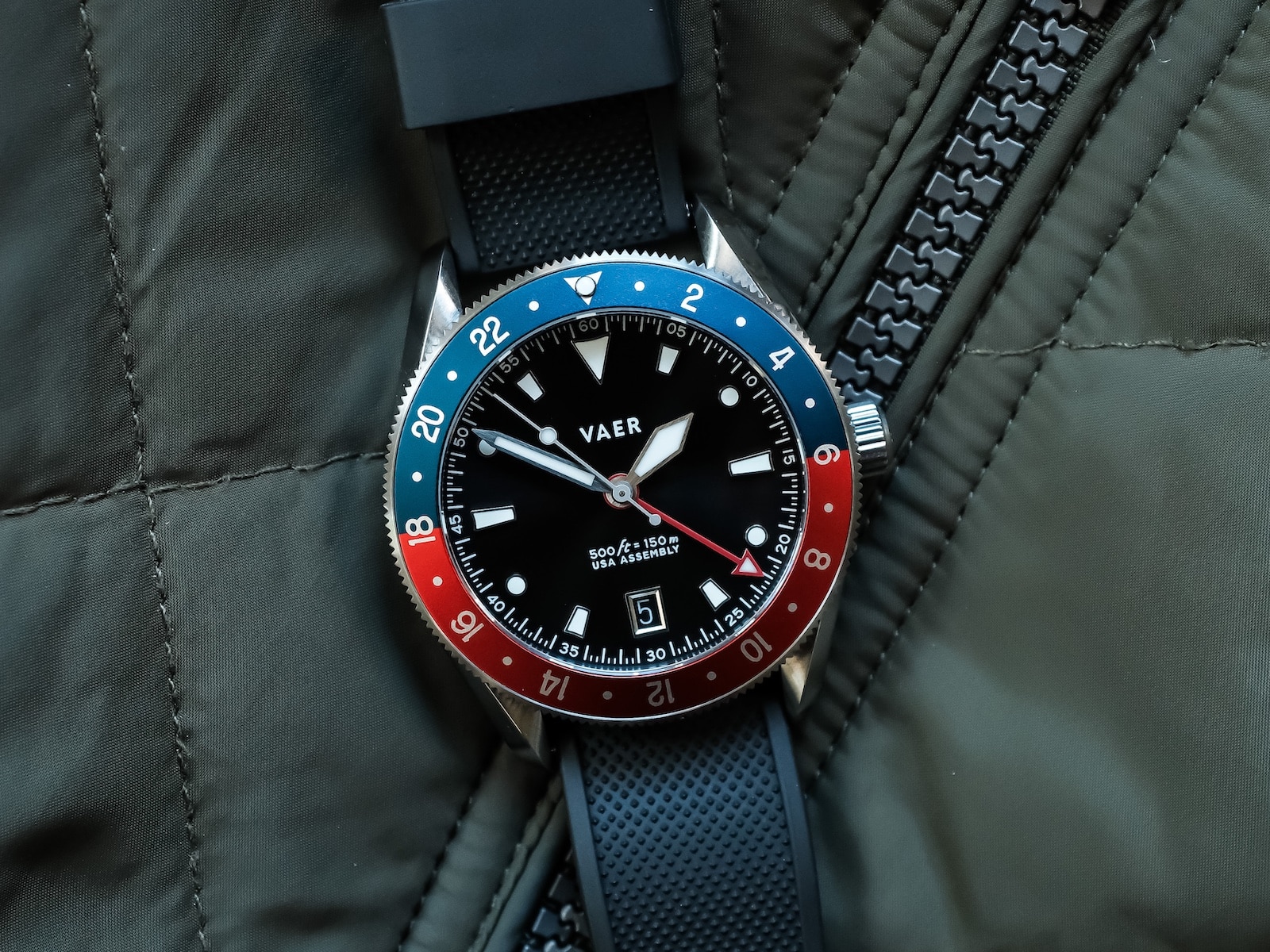
The Vaer G2 Meridian Is an Affordable Take on the Iconic Pepsi GMT
Yesterday
Monochrome
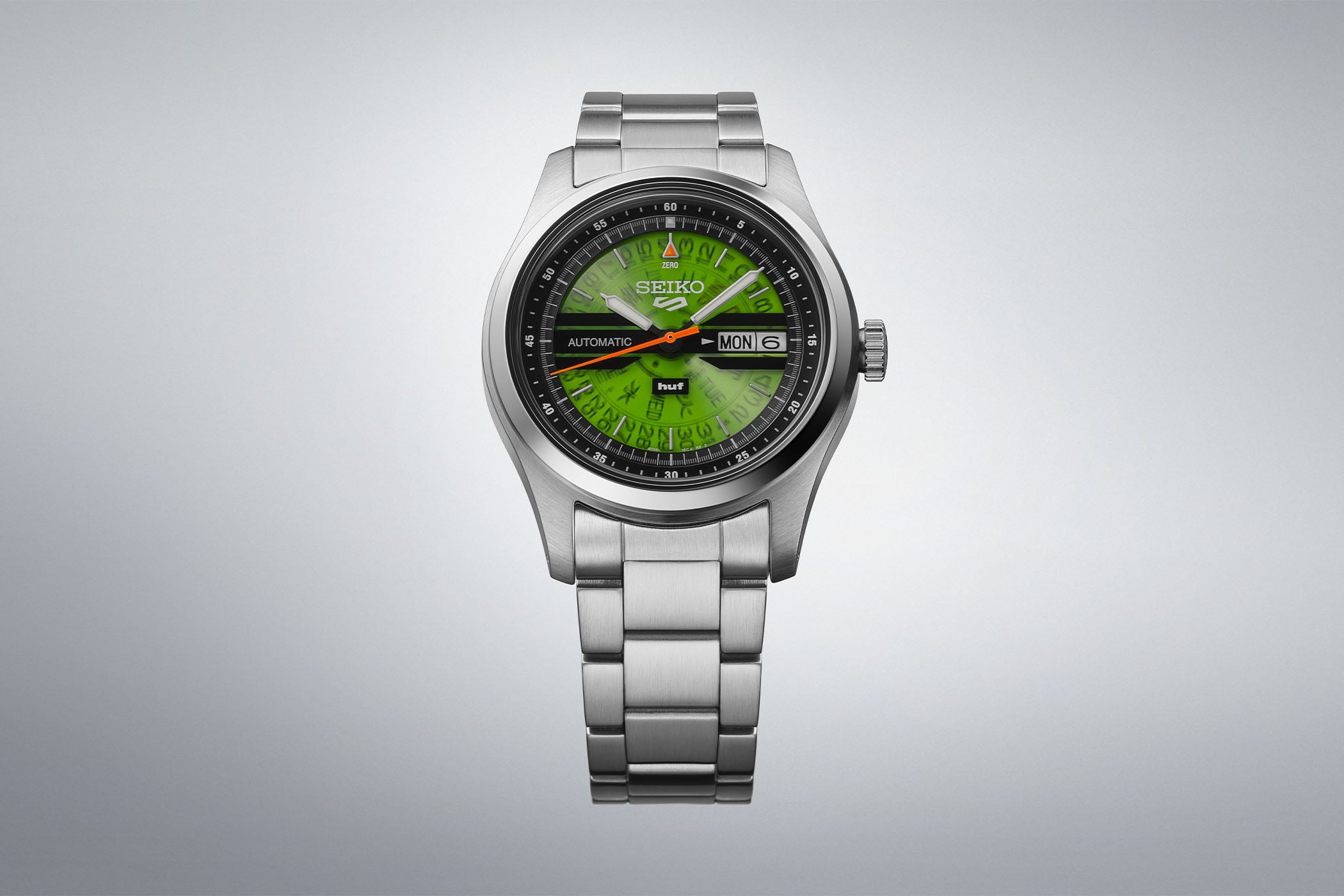
Introducing – The Time Sonar-Inspired Seiko 5 Sports HUF Limited Edition SRPM09
Feb 19, 2026
Teddy Baldassarre
Our Favorite Sports Watches Of 2025
Dec 26, 2025
Time+Tide
8 of the best Pepsi bezel watches for those who like a refreshing colour combination
Nov 27, 2025
Teddy Baldassarre
Rolex Starbucks Submariner 126610LV Review
Sep 8, 2025
Fratello
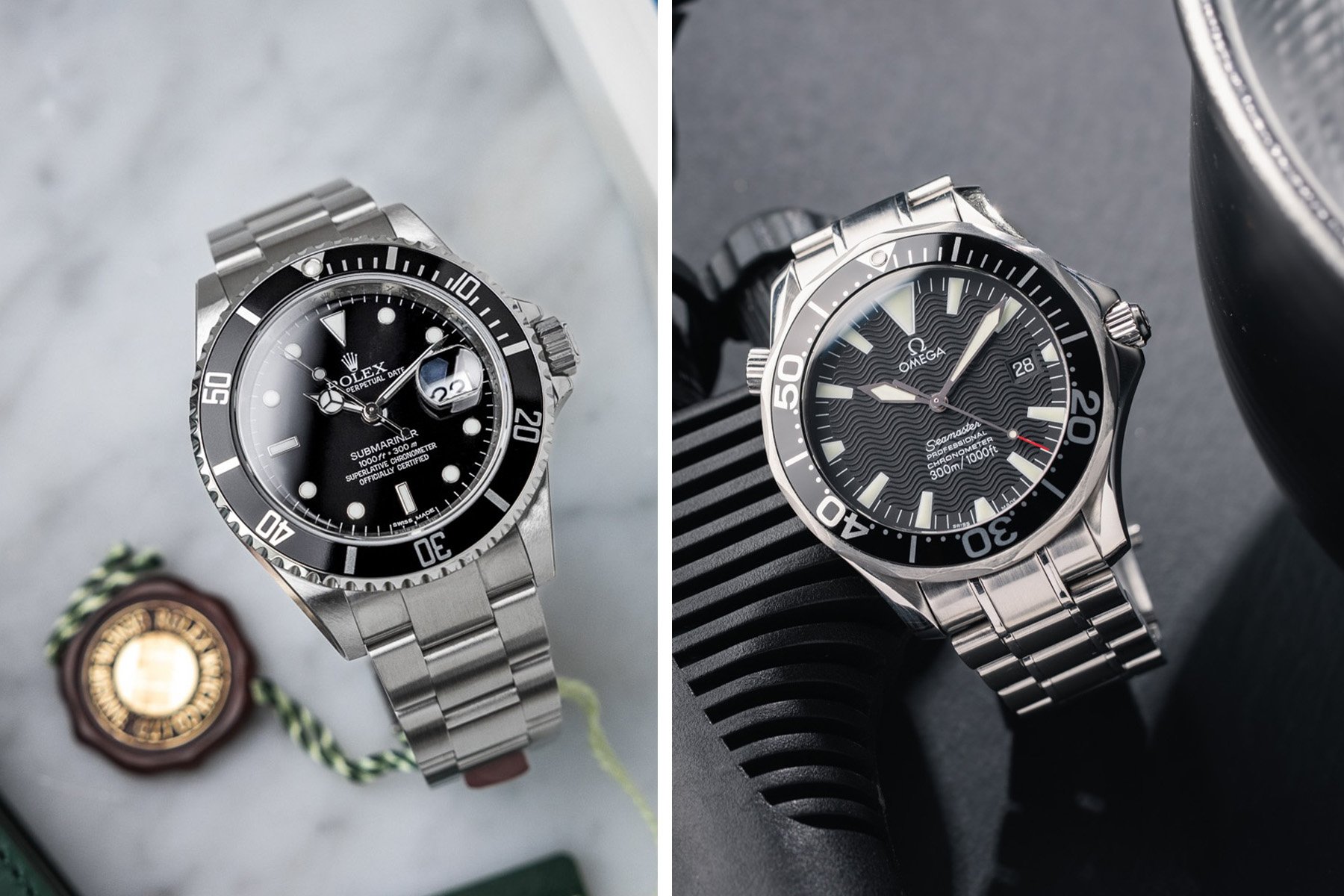
Sunday Morning Showdown: Rolex Submariner 16610 Vs. Omega Seamaster 2254.50
Aug 31, 2025
SJX Watches
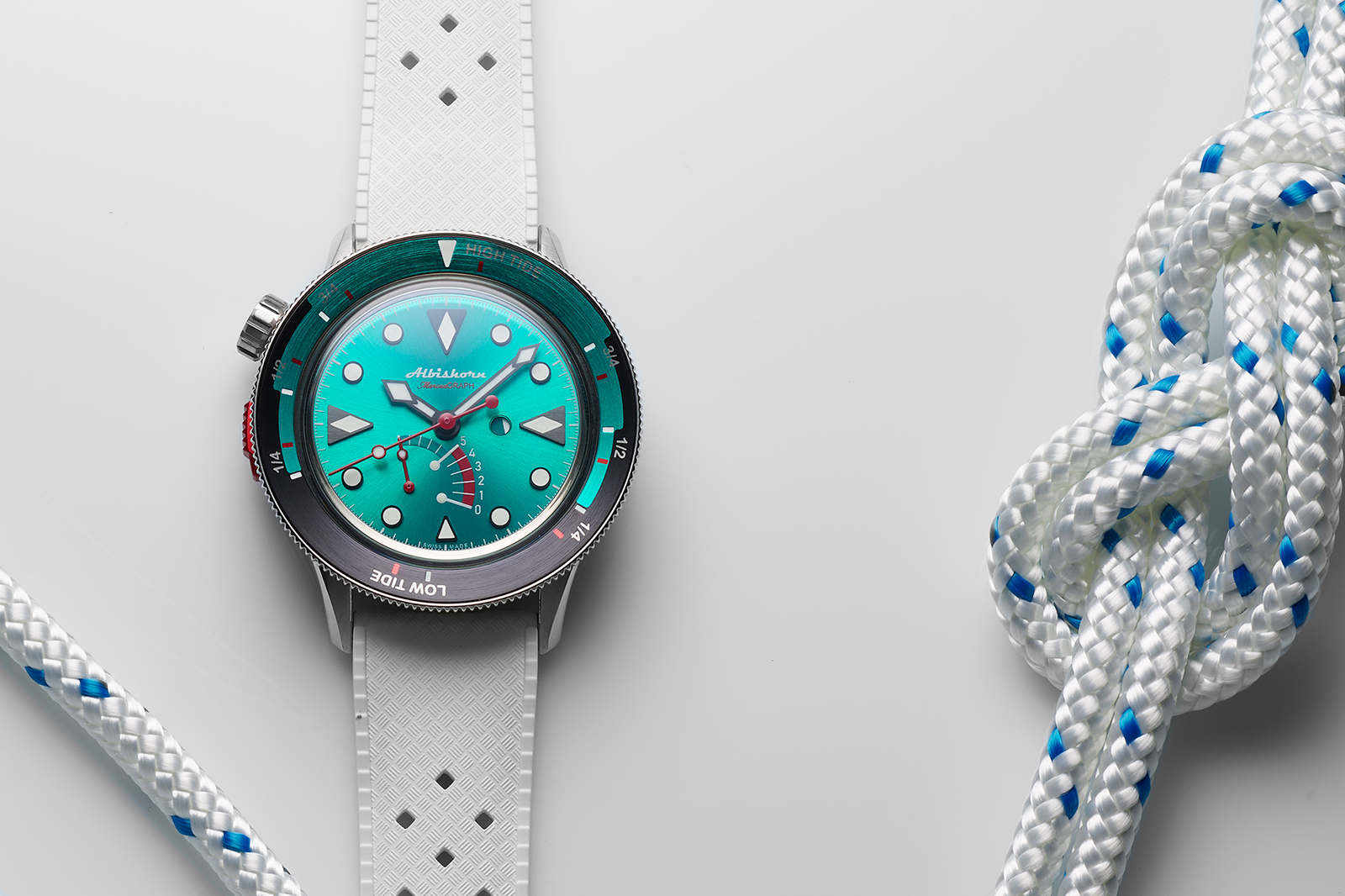
Albishorn Counts Down to First Anniversary with Marinagraph
Aug 27, 2025
Teddy Baldassarre
Tudor Black Bay Pro Review
Aug 19, 2025
Fratello
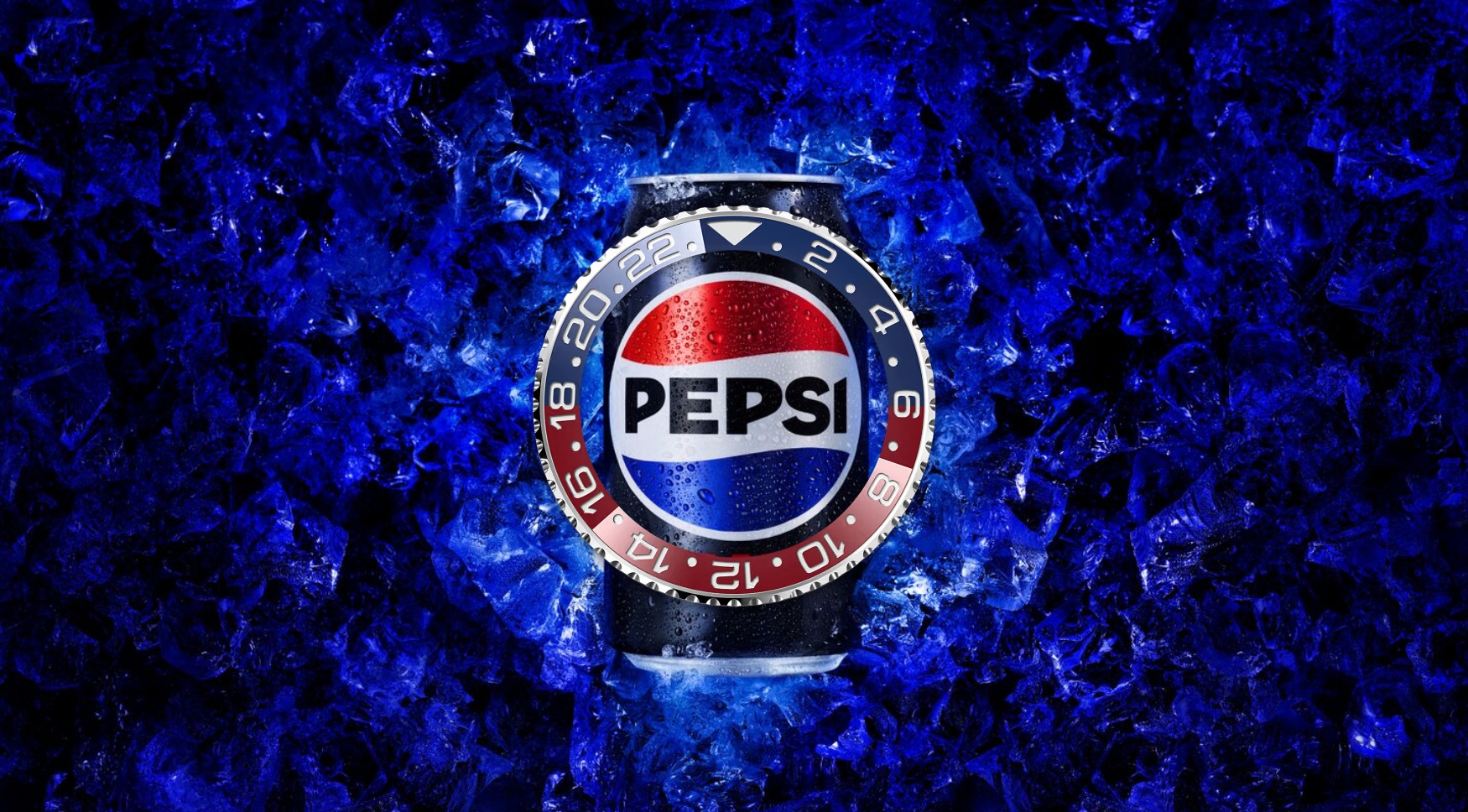
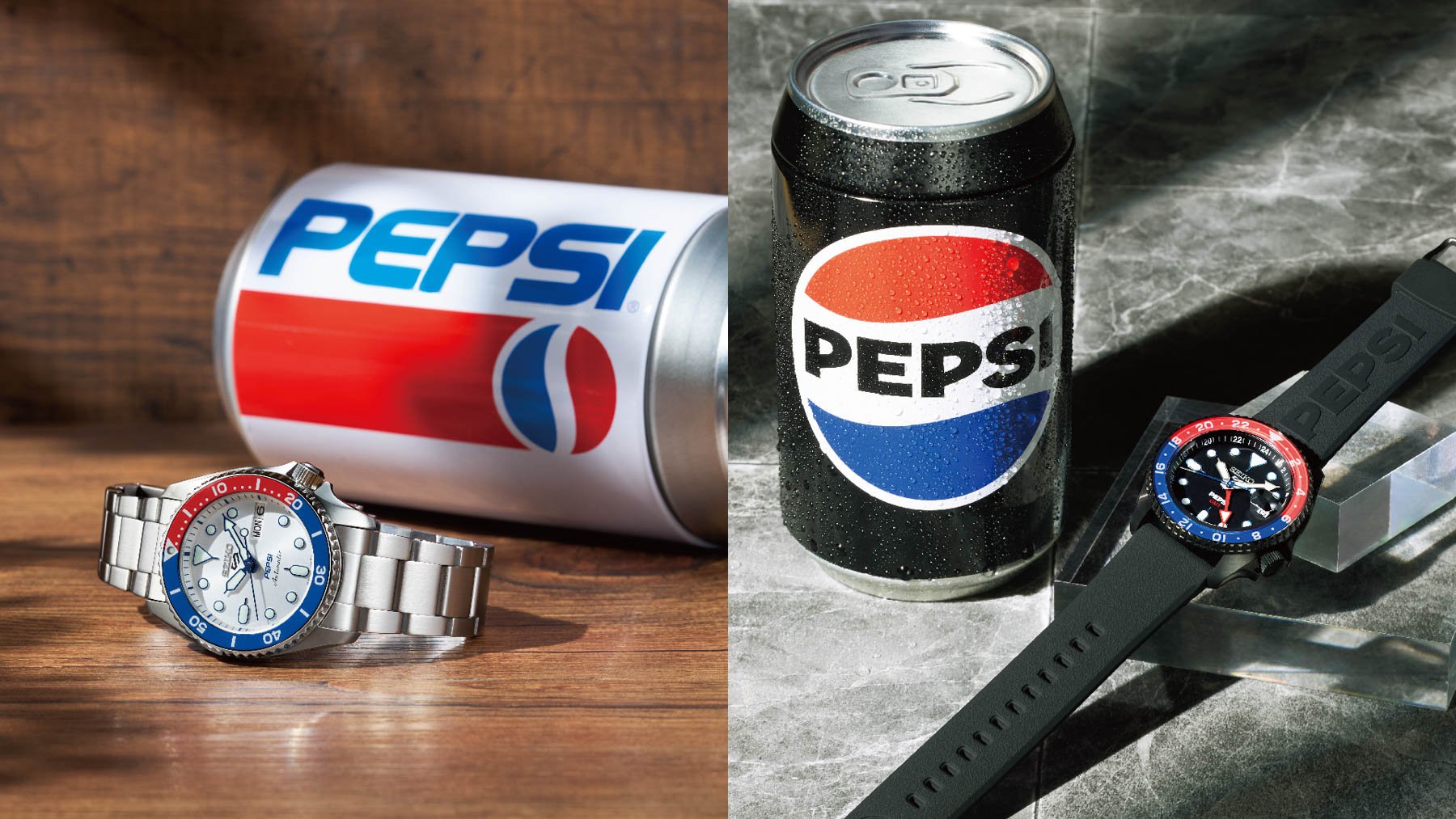
Introducing The Seiko 5 Sports Γ— Pepsi Limited Editions - Are These The First Watches With Official Pepsi Bezels?
Aug 12, 2025
Worn & Wound
The Pepsi Challenge: Seiko Continues their Summer of Licensing
Aug 6, 2025
Time+Tide
Forget GMT-Masters: Seiko has officially teamed up with Pepsi
Aug 5, 2025
Worn & Wound
Omega Adds a New β€œOrange” Seamaster to the Collection
Jul 21, 2025
View all 33 articles

Learn More