Watch brandsWatch wikiWatch videosVariousWatch calendarSaved articles
PopularRolexOmegaPatek PhilippeAudemars PiguetTudorGrand SeikoCartierSeikoIWCTAG HeuerBreitlingJaeger-LeCoultreA. Lange & SohneZenith
WristBuzzWatch WikiTropical Dial & Patina
🌴 Vintage Concept · UV-Aged Dial

Tropical Dial & Patina

The desirable colour shift on vintage watch dials caused by decades of sun and humidity

A vintage-watch dial whose original black or dark surface has shifted to brown, warm chocolate, or tobacco over decades of UV exposure, humidity, and temperature cycling. The colour change is irreversible and patina-like; collectors prize tropical dials precisely because no two are identical and the original watch cannot be artificially aged. The most famous tropical dials are on vintage Rolex Submariner ref. 5513 / 1680, Daytona ref. 6263, Speedmaster CK 2998, and Heuer Carrera early references.

DefinitionVintage watch dial with original black surface shifted to brown over time
CauseUV exposure, humidity, lacquer or paint chemistry instability over decades
Famous onVintage Rolex sport, vintage Daytona, vintage Speedmaster, Heuer Carrera
Premium20-100%+ over equivalent non-tropical examples
Patina (broader)General term: any aesthetic ageing on dial / hands / lume / case
Cannot be fakedAuthentic patina/tropical only develops over decades
WristBuzz Articles138
Tropical Dial & Patina

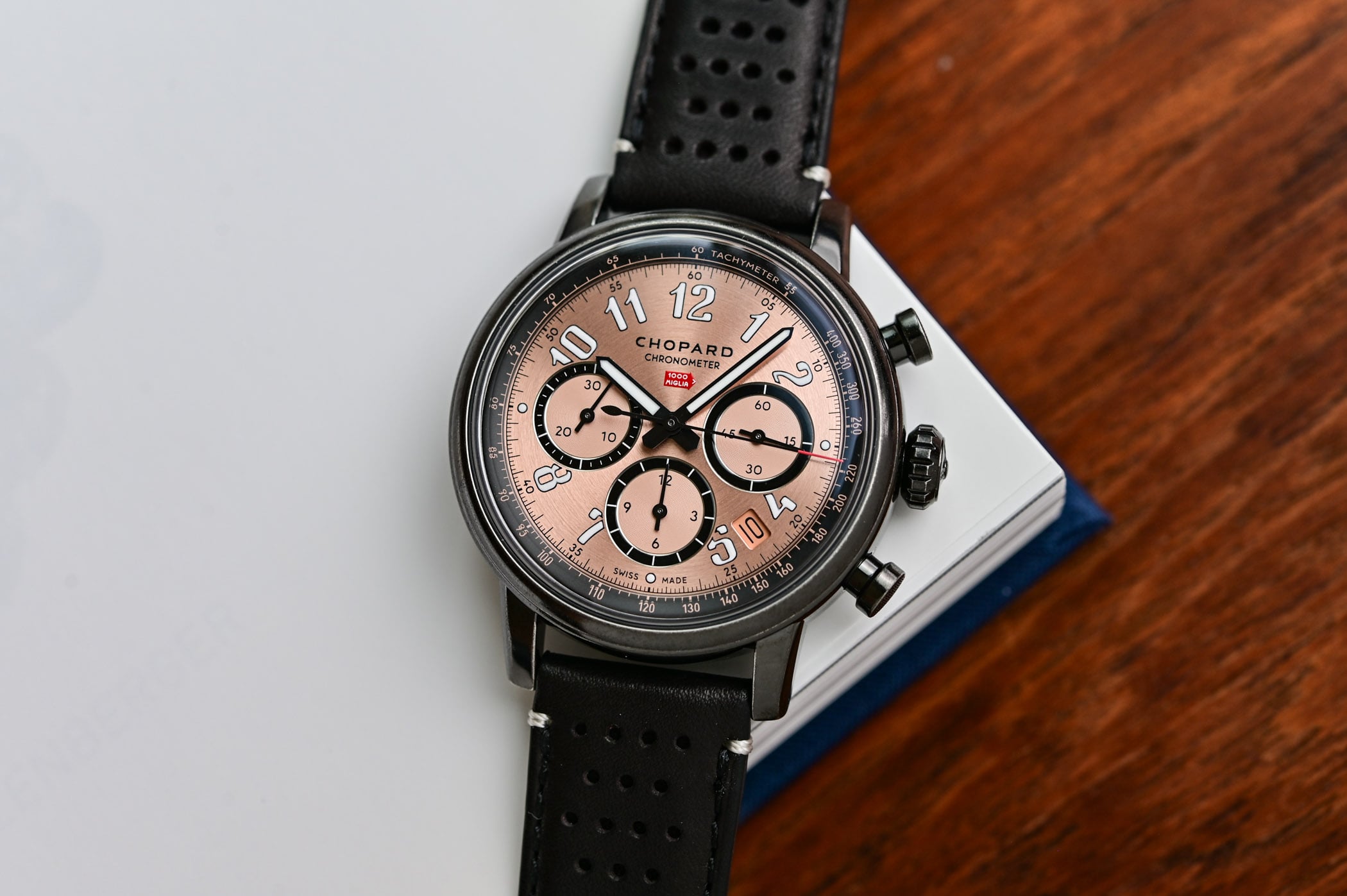
Photo: Hodinkee · Nov 17, 2021

DecadesTo Develop
Black→BrownColour Shift
20-100%Auction Premium
IrreversibleOnce Tropical
138WristBuzz Articles

The Tropical Dial & Patina Story

A tropical dial is a vintage watch dial whose original black or dark surface has shifted to a warm brown, chocolate, or tobacco colour over decades of exposure to UV light, humidity, and temperature cycling. The colour change is the result of chemical degradation in the dial's paint or lacquer formulation; specific factory paint batches that proved unstable to UV (mostly produced 1950s-1970s) "turn tropical" while other batches of the same reference stay black indefinitely. The shift is irreversible; once a dial has tropicalised, it cannot return to original black, and there is no way to artificially age a non-tropical dial to match.

The term "tropical" originally referred to watches sold in tropical-climate markets (the Caribbean, South America, Southeast Asia) where humidity and UV exposure were highest. Watch dealers and collectors noticed in the 1990s that vintage Rolex Submariners and Daytonas from these markets had aged differently from European-market examples, and the "tropical" naming stuck. In practice the colour shift is not strictly a tropical-climate phenomenon; vintage watches stored on a dresser in any sunny location for decades can develop tropical patina. The key variable is the specific factory paint chemistry batch, not the watch's subsequent location.

"You cannot fake fifty years of sun. The chocolate of a 1965 Submariner gilt is the chocolate of fifty New York summers, or fifty Caribbean ones, on the same dial. That is the entire premium."- Vintage Rolex dealer commentary on tropical dial culture

The most famous tropical dials are on vintage Rolex sport references. Submariner ref. 5513 from the early-to-mid 1960s with "gilt dial" (gold-printed text on glossy black) is the most-collected example; tropical 5513s shift the gloss-black to a deep chocolate brown that, with the gold print intact, becomes one of the most photographed vintage Rolex looks. Sea-Dweller ref. 1665 "Single Red" from 1967-69 with red text on dial often tropicalises to brown; tropical 1665s sell at premium auction levels. Daytona ref. 6263 "Big Red" from the early-1970s with a red "Daytona" text shows tropical patina alongside the iconic red.

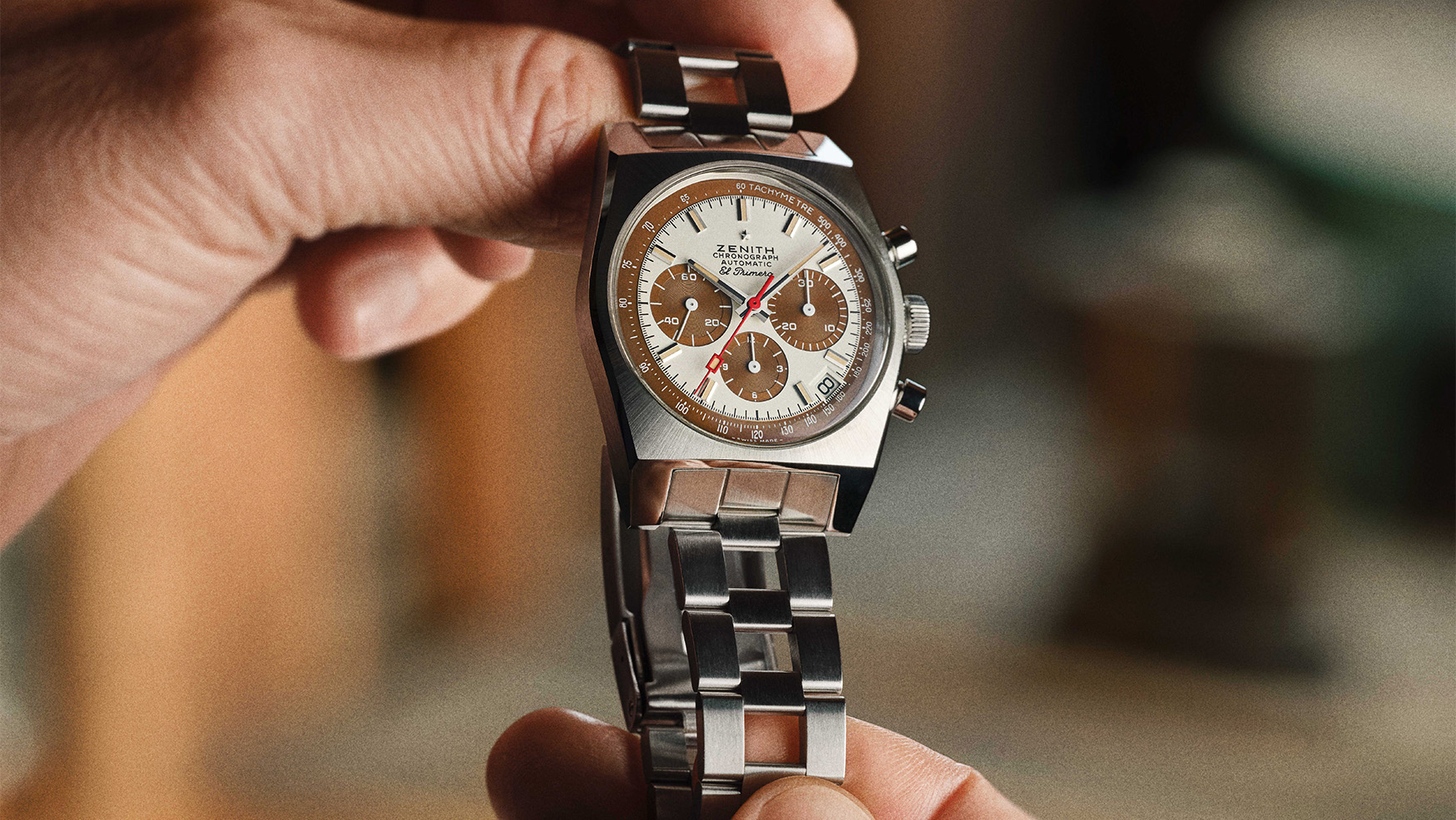
Other notable tropical-prone references: Speedmaster CK 2998 (1959-1962) tropical examples with brown subdial rings; Zenith El Primero A384 (1969) tropical "panda" reverse-panda; Heuer Carrera ref. 2447 (1960s) tropical black to chocolate; vintage Universal Genève Polerouter dauphine-handed dial. IWC Mark XI dials from 1948-1981 sometimes tropicalise; military-issue Mk XIs with tropical dials carry significant premiums.

The "patina" concept is broader. Patina includes tropical dial discolouration but also: "creamy lume" (originally white tritium aged to warm cream/yellow), "ghost bezel" (faded aluminium bezel insert with shifted colours), "spider dial" (cracking lacquer that creates spider-web patterns), "galaxy dial" (stippled lacquer ageing), "freckled dial" (small pigment spots from age). Each variant has collector value depending on consistency; a "matched-set patina" (tropical dial + creamy lume + faded bezel + warmed-tone hands) is the strongest collector signal and commands the largest premium.

For collectors, tropical patina is at the centre of vintage-watch authenticity culture. The premium for a tropical dial over a non-tropical example of the same vintage reference can run from 20-30% (mild discolouration) to 100%+ (deep chocolate, matched lume, factory consistency). Auction houses (Phillips, Christie's, Sotheby's) catalogue tropical dials carefully and use the language explicitly. Forgery is endemic: tropical dials can be faked through chemical immersion, UV exposure, or simple paint substitution; experienced collectors and dealers rely on spectroscopy, lume matching, and provenance to authenticate. The wrong end of the patina market is full of "service-replaced" dials being sold as period-original tropicals.

Notable Tropical-Dial References

1962-66 · Rolex
Submariner ref. 5513 (Gilt Dial Tropical)
Cal. 1530

Mid-1960s 5513 with gilt-print dial that has tropicalised to chocolate brown. The most-collected vintage Rolex tropical reference.

Gilt Tropical
1967-69 · Rolex
Sea-Dweller ref. 1665 "Single Red"
Cal. 1575

Early Sea-Dweller with red "SEA-DWELLER" text. Tropical 1665s shift the dial to deep chocolate; the red text becomes its highlight detail.

Single Red Tropical
1971-72 · Rolex
Daytona ref. 6263 "Big Red"
Cal. 727

Pre-Zenith Daytona with red "Daytona" script. Tropical 6263s show chocolate dial + red script + creamy sub-counters; six-figure auction reference.

Daytona Tropical
1959-62 · Omega
Speedmaster CK 2998
<a href="/watch-calibers/omega-321/">Cal. 321</a>

Pre-Moonwatch Speedmaster. Tropical CK 2998 dials shift to warm brown with cream-aged lume; matched-set patina is auction-grade.

Speedmaster Tropical
1968 · Heuer
Carrera ref. 2447
Manual chrono

First-generation Heuer Carrera with chocolate-tropical dial + cream sub-counters. Mid-1960s gold-text production batch.

Heuer Tropical
1969 · Zenith
El Primero A384 (Tropical)
Cal. 3019 PHC

Original El Primero A384 with three-counter dial that has tropicalised. Charles Vermot-saved 1969 production; tropical examples are rare and prized.

El Primero Tropical

Latest Tropical Dial & Patina News

Worn & Wound
Zenith Introduces the Latest Chronomaster Revival A384, a Study in Patina
4 days ago
Teddy Baldassarre
The Zenith Chronomaster Revival Goes Tropical in Latest Edition of the A384
6 days ago
Time+Tide
Zenith goes totally tropical with its new vintage-inspired Chronomaster Revival A384
6 days ago
Hodinkee
Introducing: The Zenith Chronomaster Revival A384 Gets A Tropical Overlay (Live Pics)
6 days ago
Monochrome
First Look – The Eye-Catching Chopard Mille Miglia Classic Patina
Apr 17, 2026
Hodinkee
Alto Considers Time Through Patination And Sculpture With The Art 01 Bernar Venet (Live Pics)
Apr 6, 2026
Worn & Wound
Introducing the Venezianico Nereide Verdigris
Mar 23, 2026
Time+Tide
10 of the best bronze watches for those who like a pinch of patina
Feb 18, 2026
Time+Tide
Yema’s Skin Diver Slim Bronze CMM.20 promises patina and in-house movement performance
Jan 26, 2026
Time+Tide
Finding beauty in imperfection: why watch lovers go wild for “patina”
Jan 17, 2026
Worn & Wound
eBay Finds: A Pair of Vintage Omegas, an Accutron with a Tuning Fork Movement, and More
Jan 16, 2026
Worn & Wound
eBay Finds: Two Classic Seiko Dive Watches, a Stunning Vintage Movado, and the Strangest Timex We’ve Ever Seen
Dec 19, 2025
View all 138 articles

Learn More