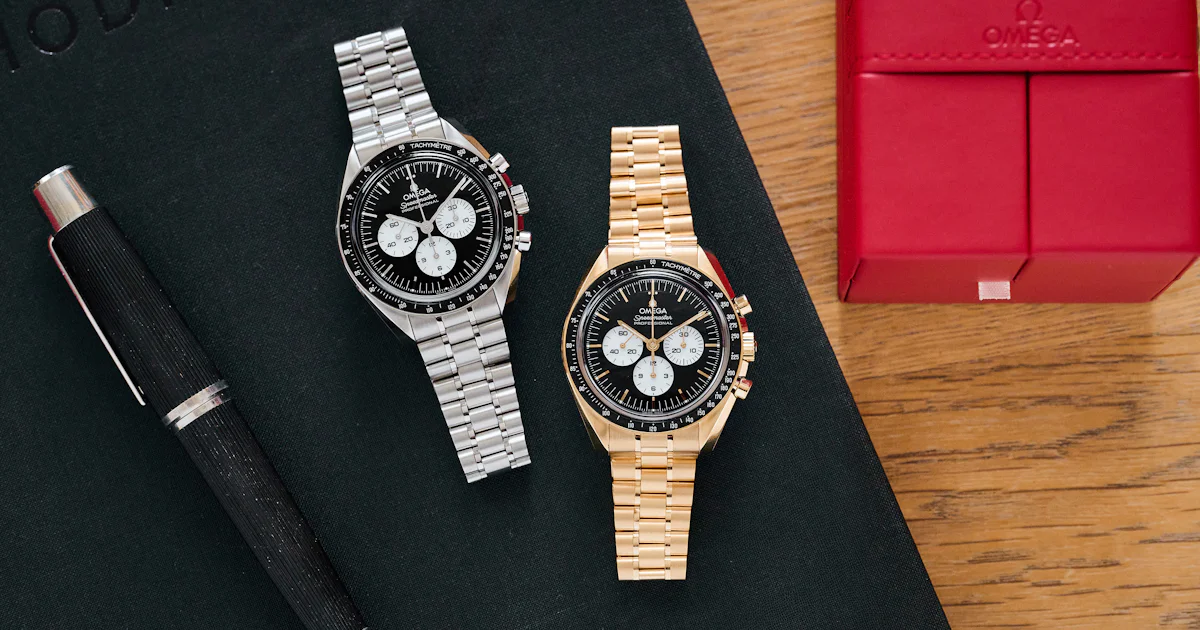
Watch bezel inserts are the inscribed rings showing timing scales on diver, GMT, and chronograph bezels. From the 1950s through 2005, the standard material was anodised aluminum: cheap to manufacture, easy to engrave or print numerals on, and available in any anodisation colour (Pepsi blue/red, Batman blue/black, full-colour gradients). The aluminum era is the visual signature of vintage Rolex Submariner, GMT-Master, and the great majority of mid-20th-century sport watches.
The aluminum problem is durability. Aluminum is soft (Mohs 2-3, softer than glass); the bezel insert scratches and dings from contact with normal-wear surfaces. The colour fades over years of sun exposure; the famous "tropical" colour shift on vintage Rolex bezels (red faded to pink, blue to violet) is essentially aluminum-anodisation degradation. By the 2000s, brand customer expectations had shifted to scratch-free crystals (achieved by sapphire) and the bezel insert's vulnerability had become a maintenance issue.
"Ten years on the wrist, and the bezel looks like the day it left the factory. The aluminum era is over."- Rolex collector on Cerachrom durability
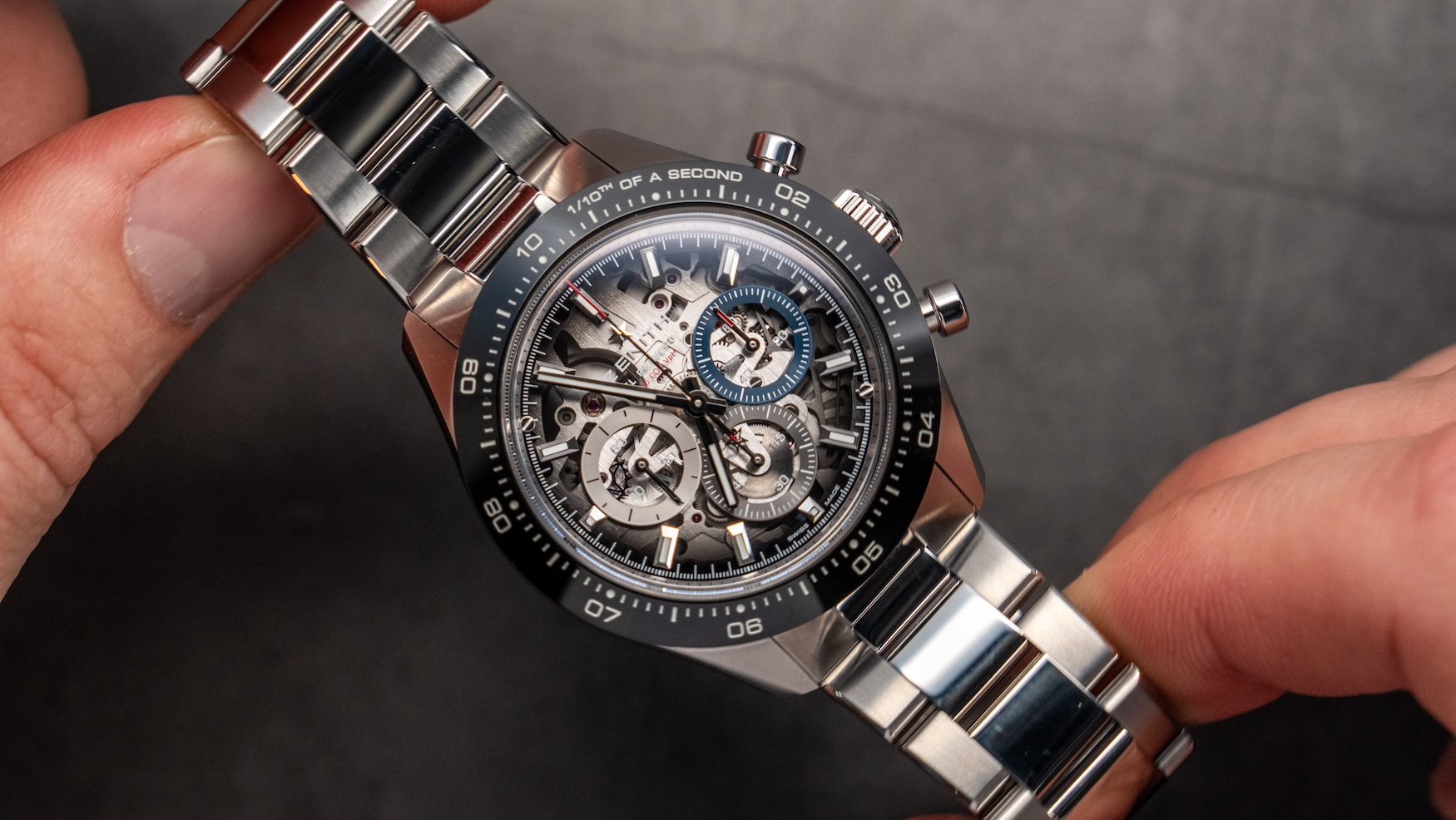
The ceramic answer: zirconia high-tech ceramic is Mohs 9 (essentially scratch-proof) and UV-stable. Manufacturing a ceramic bezel insert involves: (1) firing the zirconia ceramic to the bezel's rough geometry; (2) CNC-machining the precise dimensions; (3) CNC-engraving the numeral channels; (4) filling the channels with platinum or gold via PVD deposition; (5) polishing or matt-finishing the surface. The process is significantly more expensive than aluminum (each ceramic bezel costs CHF 200-400 in materials and labour vs CHF 5-15 for aluminum) but eliminates the durability problem.
Rolex branded ceramic bezels as Cerachrom in 2005, debuting on the GMT-Master II ref. 116710LN; the Submariner followed in 2010 (ref. 116610), the Daytona in 2011 (ref. 116500LN), and the Sea-Dweller / Yacht-Master / Submariner Date all use Cerachrom on modern production. Rolex's technical achievement was the two-tone Cerachrom bezel (Pepsi blue/red, Batman blue/black, GMT root-beer brown/black) using a partial-firing colour-change technique that produces gradient colours within a single ceramic ring.
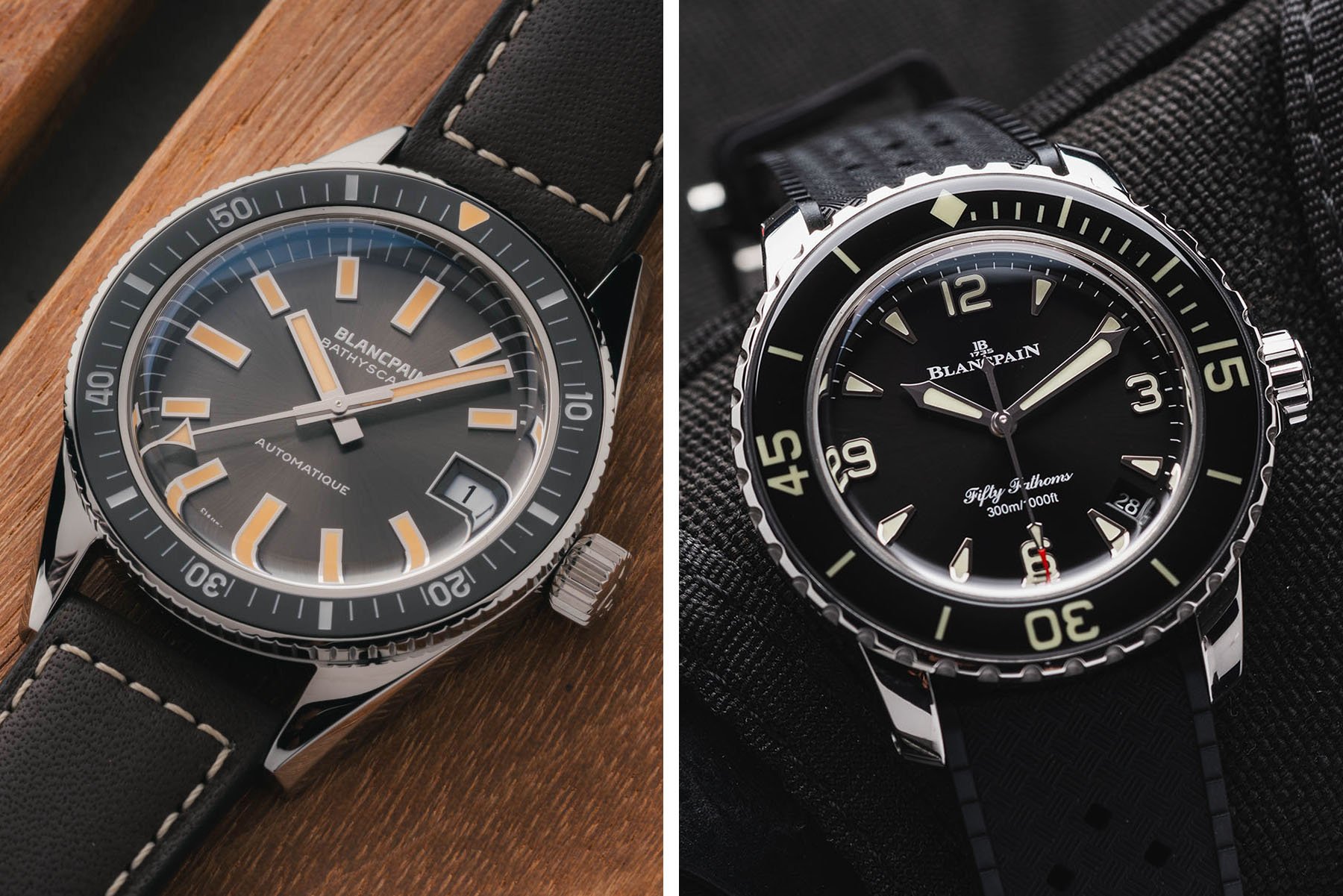
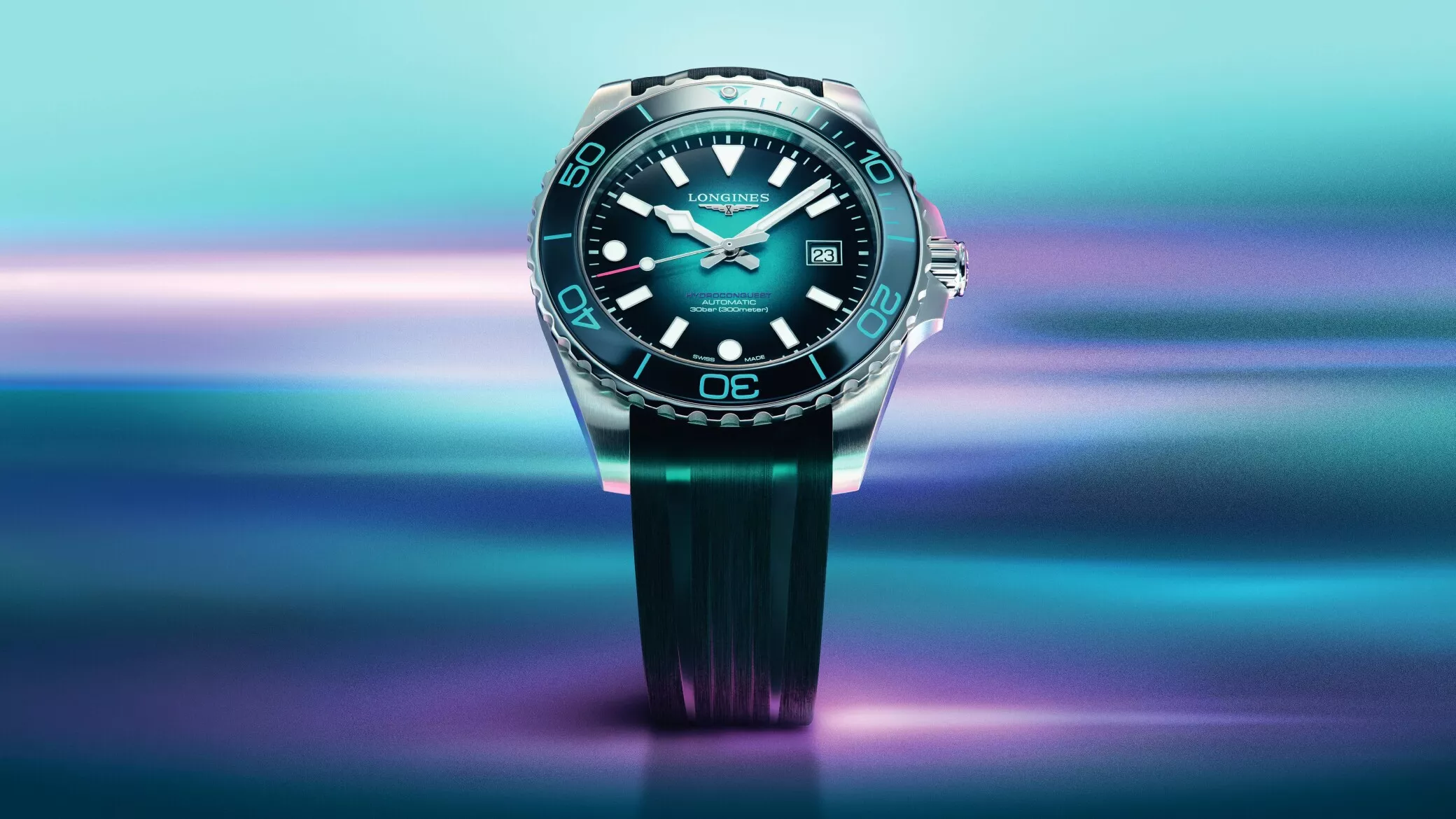
Adjacent implementations: Omega Seamaster Diver and Planet Ocean ceramic bezels use Liquidmetal numeral inlay (a glass-metal alloy fused into channels at high temperature); IWC Aquatimer Ceramic and Longines HydroConquest Ceramic use various brand-specific approaches. Aluminum bezel inserts persist in vintage-aesthetic modern references: Tudor Black Bay (deliberately aluminum for the vintage look), several heritage-line Longines pieces, and most microbrand divers.



Comments 2