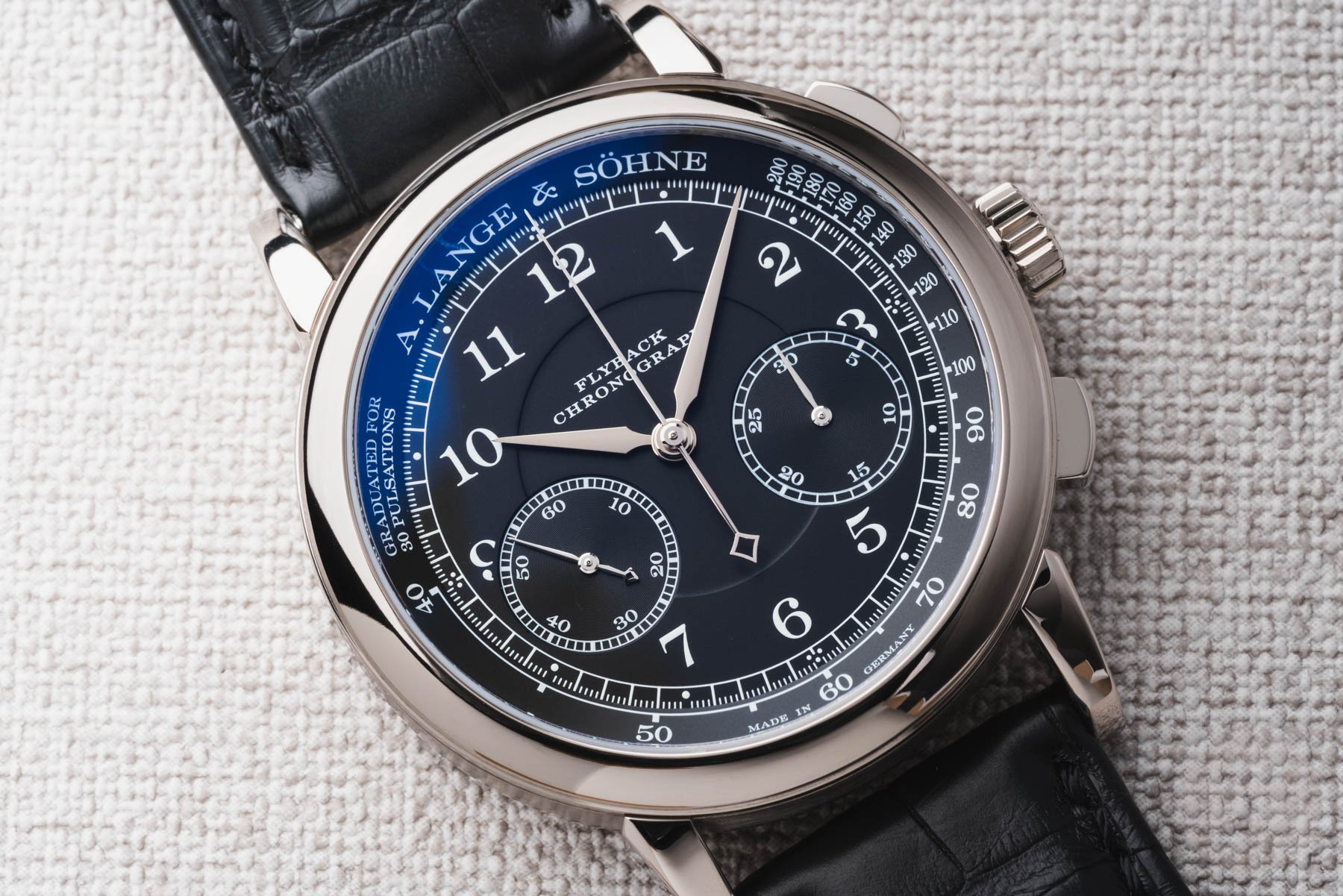
A "grail watch" is a collector-vocabulary term for the watch a collector ultimately wants to own, usually a piece that is either significantly above current budget or difficult to acquire even at retail due to allocation constraints. The term is borrowed from the medieval Holy Grail (the impossible-to-attain quest object) and entered watch-collector vocabulary primarily through online forums in the early 2000s: TimeZone, Hodinkee, Watchuseek, Reddit r/Watches. Collectors use the term casually and personally; one collector's grail (a steel Daytona) might be another collector's daily wear.
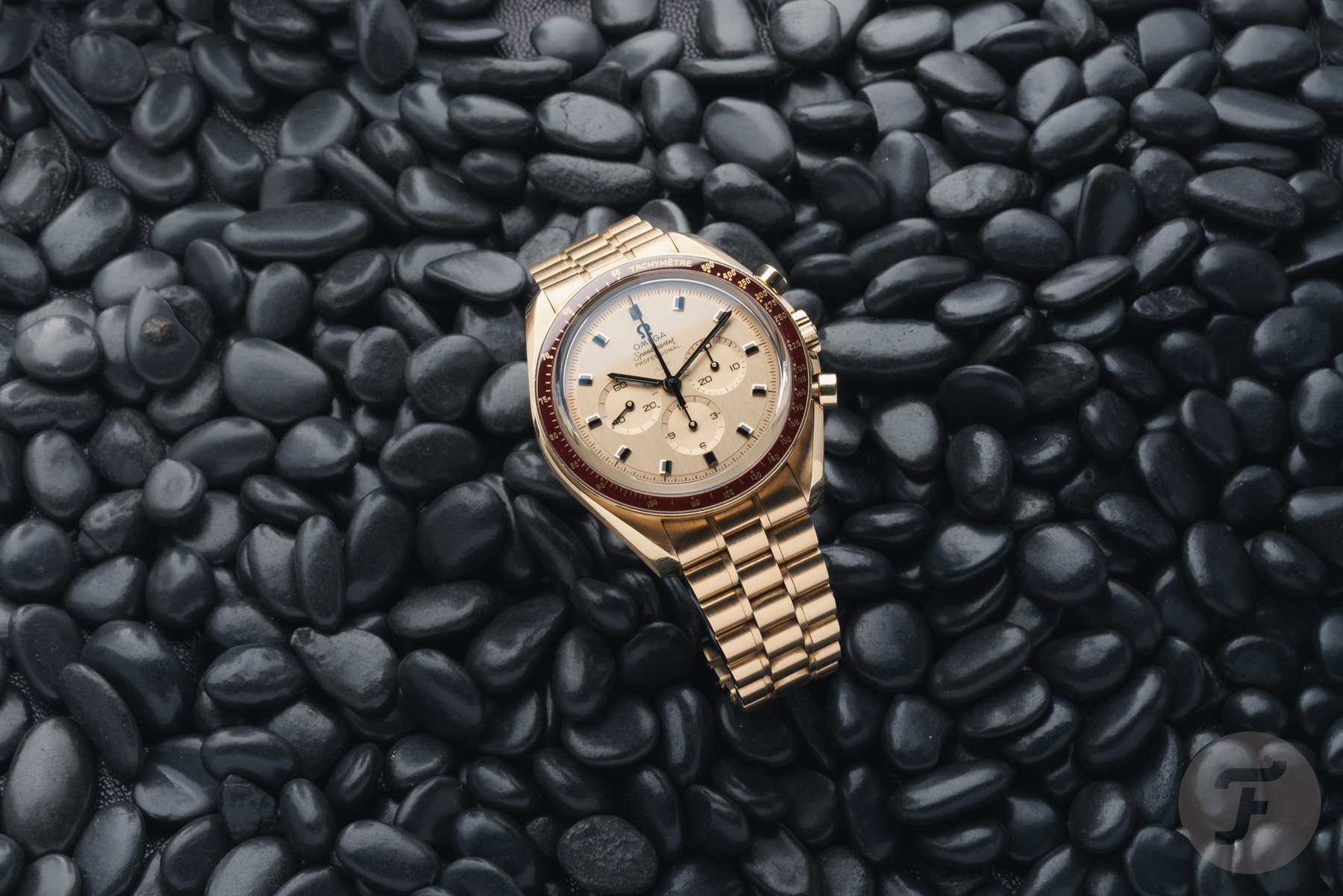
Most collectors maintain a multi-tier "grail list". The "realistic grail" is a piece they could plausibly acquire within 1-3 years if they save and build the right AD relationship; common examples are a steel Submariner Date or a Speedmaster Moonwatch. The "stretch grail" is a piece that would require either significant financial growth, a windfall, or an exceptional AD allocation; common examples are a Patek Nautilus, Royal Oak Jumbo, or vintage Daytona. The "lifetime grail" is the seven-figure piece they would only own if circumstances changed dramatically; common examples are a vintage Patek 1518 in steel, a Paul Newman Daytona, or a Lange Triple Split.
"My grail is the watch I do not own. The day I own it, it stops being my grail. The grail status moves to whatever I want next."- Common watch-collector observation
The grail concept is structural to modern luxury watch buying. Brands deliberately design their catalogues with "unattainable peaks" at the top of each line: the Daytona for the Submariner buyer, the Royal Oak Jumbo Extra-Thin for the Royal Oak Offshore buyer, the Calatrava ref. 6119G for the Aquanaut buyer. The AD relationship system means that buying a grail typically requires 2-5 years of "build" purchases at a single AD before allocation; the multi-year commitment changes the buyer's relationship with the brand from one-purchase transaction to ongoing engagement.
Common modern collector grails by genre:
, Vintage Rolex grail: Daytona Paul Newman (ref. 6239 / 6263), Submariner ref. 5513 with gilt dial, GMT-Master ref. 1675 "Pepsi", Sea-Dweller ref. 1665 "Single Red".
, Modern Rolex grail: Daytona ref. 126500LN (steel), GMT-Master II "Pepsi" 126710BLRO on Jubilee.
, Patek grail: Nautilus 5711/1A discontinued, Calatrava ref. 5196P, ref. 1518 in steel (auction), Aquanaut 5167A.
, Audemars Piguet grail: Royal Oak Jumbo Extra-Thin 16202ST (the Genta original ref.), 5402 A-series.
, Lange grail: Lange 1 Tourbillon "Pour le Mérite", Datograph Up/Down, Triple Split.
, Independent grail: Philippe Dufour Simplicity, F.P. Journe Chronomètre Souverain, Akrivia Chronomètre Antimagnétique.
, Vintage non-Rolex grail: Speedmaster CK 2915, Cartier Tank Cintree, JLC Reverso 1931, Patek 96 in steel.
For the watch industry, grails are commercial assets. The "grail watch" status of a Patek Nautilus 5711 in 2017-2021 drove the secondary market to 3× retail at peak; the AD relationship dynamic this created sold tens of thousands of non-Nautilus Pateks at retail to buyers who wanted Nautilus allocations. The grail concept is, paradoxically, the economic engine of modern luxury watchmaking; brands invest in their flagship "grail" references precisely because those references drive entire catalogue sales through the allocation system.






Comments 2