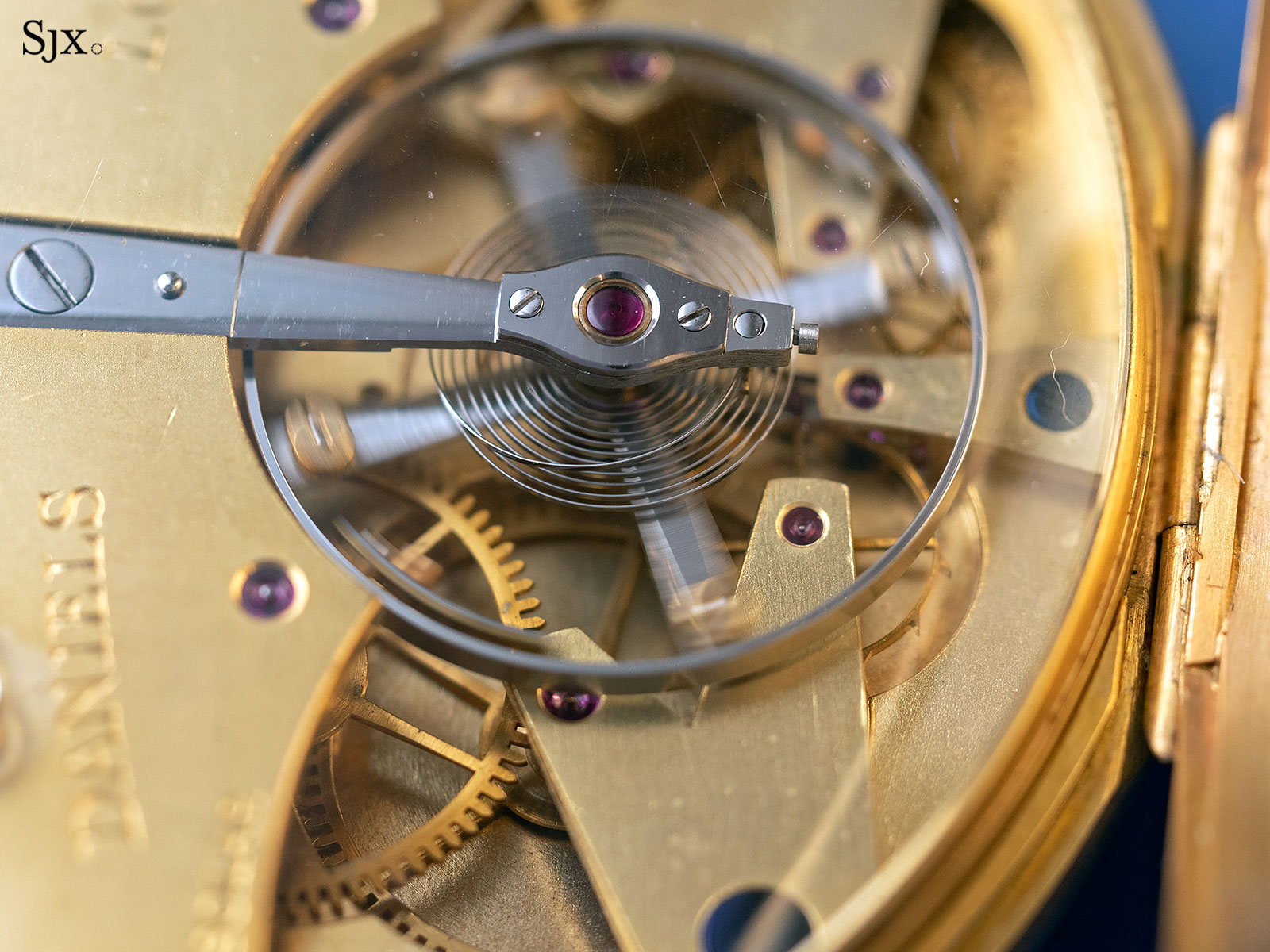
Conventional hairsprings are made of Nivarox, an iron-nickel-chromium alloy developed by Reinhard Straumann in the 1930s and supplied across the Swiss industry by Nivarox-FAR (a Swatch Group subsidiary). Nivarox is precisely engineered for thermoelastic stability but is ferromagnetic: a 60-gauss magnetic field will visibly degrade rate, and exposure to MRI-strength fields can permanently magnetise the spring requiring demagnetisation service.
The silicon-hairspring answer (Patek Spiromax, Omega Master Chronometer, Breguet) solves the problem completely but at significant manufacturing cost: Deep Reactive Ion Etching, batch processing, and per-spring costs that make silicon impractical at the volume tier. The watch industry needed a middle ground: anti-magnetic resistance without silicon's manufacturing complexity.
"Silicon is the perfect answer at the wrong price. Nivachron is the imperfect answer at the right price. The volume tier picks the second."- Watch-industry hairspring strategy
Nivachron launched in 2018 as the joint Audemars Piguet + Nivarox-FAR answer. The alloy is titanium-based rather than iron-nickel; titanium's paramagnetic-not-ferromagnetic behaviour means the hairspring is 5-15× more resistant to magnetic fields than Nivarox steel. The manufacturing process is conventional drawn-wire production (the same equipment Nivarox uses for steel hairsprings), keeping per-spring cost low.
The spec gap vs silicon: Nivachron is rated to ~1,000 gauss resistance vs silicon's 15,000 gauss (Master Chronometer). For practical wear (phones, magnetic clasps, laptops, ambient EM), Nivachron is adequate; for MRI-machine exposure or industrial magnetic environments, silicon remains the only true answer. The trade-off: Nivachron costs roughly 10-20% more than Nivarox steel; silicon costs 5-10× more.
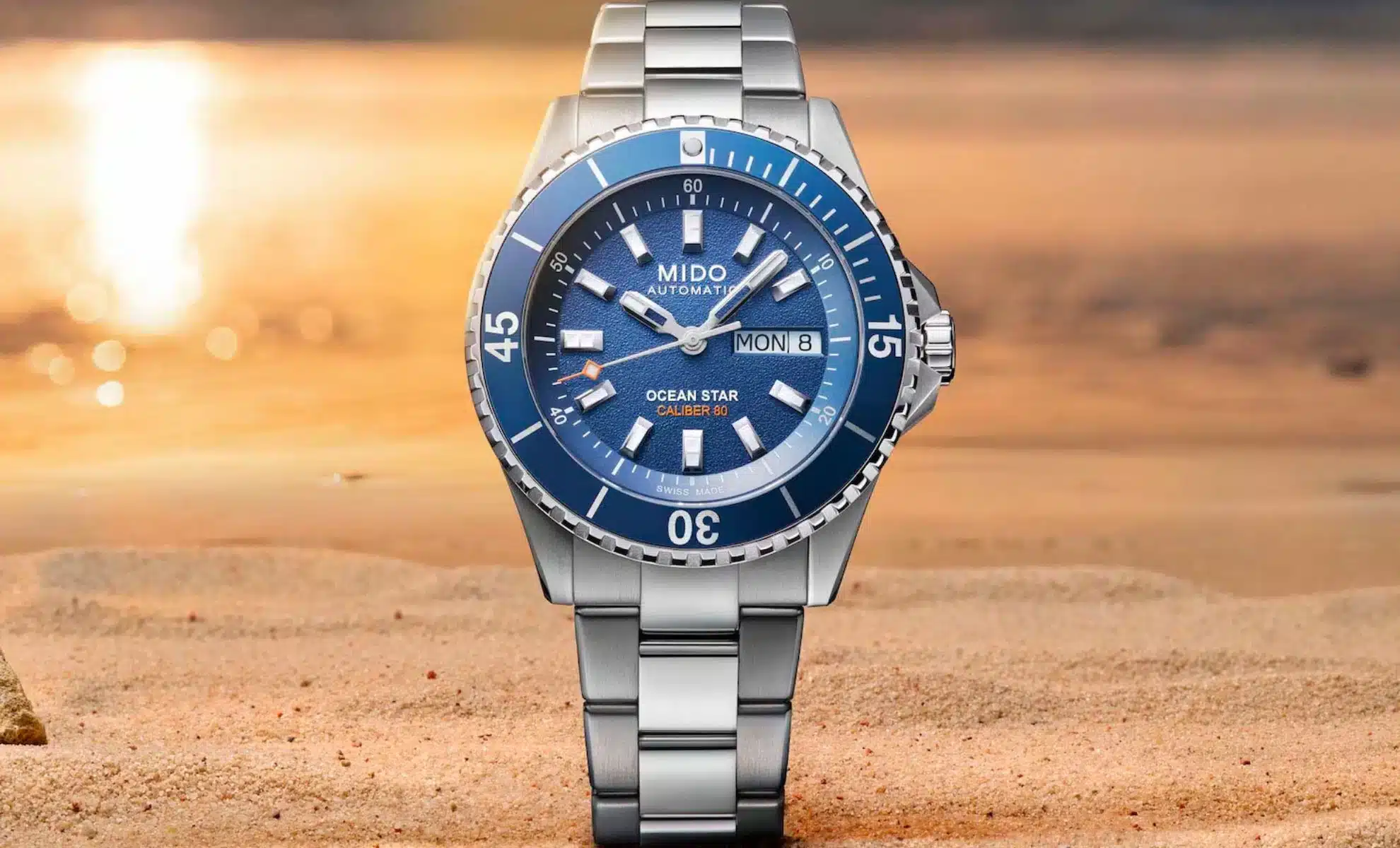
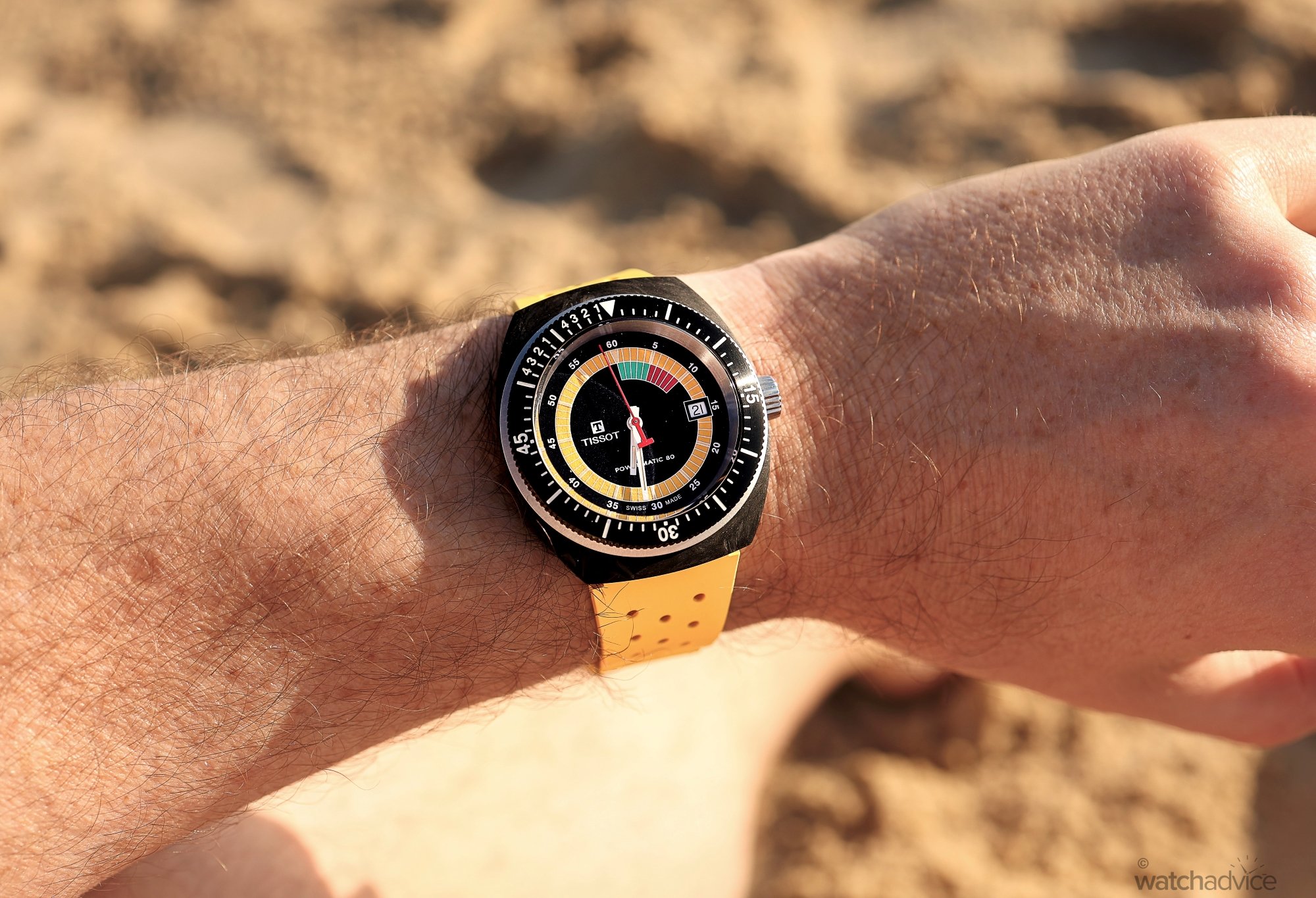
Adoption: Tudor Black Bay 58 (Cal. MT5402, 2018+), Breitling Cal. B01 chronograph, Longines Spirit collection, Hamilton H-10 / H-30 / H-31 calibres, various Mido and Tissot Powermatic 80 references. Roughly 30-40% of new Swatch Group volume mechanical movements as of 2024 use Nivachron; this share is expanding. Nivachron is the volume-tier antimagnetic answer while silicon remains the haute-horlogerie peak.

Comments 1