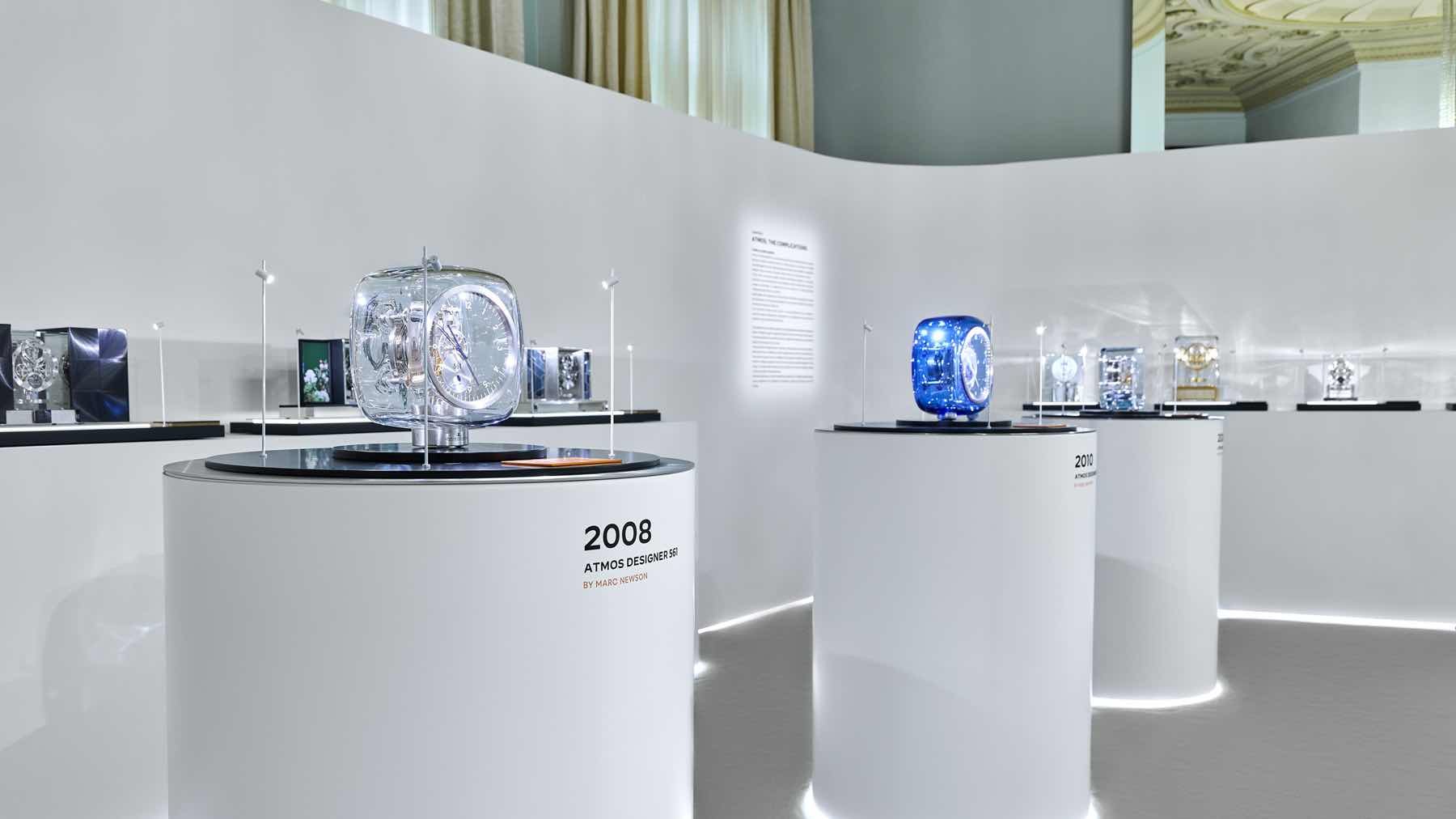
The mechanical alarm wristwatch is one of the harder horological problems: producing an audible sound from a wrist-mounted device requires a striking mechanism (a small hammer striking a gong or pin), which requires a separate energy source (the alarm barrel) so striking does not drain the timekeeping mainspring. The earliest alarm pocket watches date to the 18th century; the wristwatch challenge is doing this within the 30-40mm case constraint.
Vulcain's Cricket, launched in 1947, was the first wristwatch alarm with sufficient sound output to wake a sleeping wearer. The Vulcain Cal. 120 used a twin-membrane caseback construction: a small steel diaphragm vibrated by the alarm hammer produced a buzzing sound transmitted through the caseback. The Cricket became the "Watch of the US Presidents": gifted to Harry Truman, then to subsequent presidents through Lyndon B. Johnson; the cultural mythos has remained a Vulcain marketing pillar.
"The Cricket was loud enough to wake a man from a desk. The Memovox softened the buzz to a gentleman's reminder. Both said the same thing: the watch tells you when, and now it tells you when to look at it."- Watch historian on the alarm-wristwatch tradition
Jaeger-LeCoultre's Memovox launched in 1950 with the JLC Cal. 489 alarm caliber; the Memovox name (Latin: "memo + vox", "voice of memory") became the dominant brand identity for the alarm category. The Cal. 815 (1956) was the workhorse Memovox movement, used in JLC references and supplied to Longines, IWC, and other Swiss brands as a base caliber. Memovox Deep Sea (1959) was a dive-alarm variant for divers requiring a no-decompression timer. Memovox Polaris (1965) added an inner rotating bezel and is the most-collected vintage Memovox reference.
Through the 1950s-60s, the alarm watch was a standard category at the upper-mid tier: Vacheron Constantin Memovox, IWC alarm references, Omega Memomatic, Vulcain Cricket evolutions, and various Russian and Japanese alarm wristwatches. The mechanism became more refined: Memomatic automatic-wound alarm calibres, tonal pin alarms (struck pin instead of membrane gong), and various complication-stacked variants (alarm + GMT, alarm + chronograph at the very top).
The quartz crisis ended the mainstream alarm category. Digital quartz alarm watches (Casio G-Shock with multi-alarm functionality, Seiko alarm chronographs, basic Casio digitals) provided louder, more reliable, multiple-set alarms at 1/100 the cost. By 1980 the mechanical alarm wristwatch had become a residual heritage product; production volumes collapsed; only the JLC Memovox programme continued at meaningful scale through the 1980s-90s.
The modern alarm-watch revival began in the early 2000s as part of the broader haute-horlogerie reconsideration of vintage complications. Vulcain revived the Cricket programme with the Cal. V-10 (1985 base reissued), Cal. V-21 (modern automatic alarm), and various heritage-positioned references. JLC reissued the Memovox Polaris in the 2000s as a heritage flagship; the modern Master Memovox uses the in-house Cal. 956 alarm. Tudor's 2010 Heritage Advisor and Breguet's Tradition Reveil also revisit the category. None of these have achieved volume; the category is now a haute-horlogerie heritage niche rather than a mainstream segment.





Comments 2