Watch brandsWatch wikiWatch videosVariousWatch calendarSaved articles
PopularRolexOmegaPatek PhilippeAudemars PiguetTudorGrand SeikoCartierSeikoIWCTAG HeuerBreitlingJaeger-LeCoultreA. Lange & SohneZenith
WristBuzzWatch WikiFrequency / Beat Rate (vph, Hz)
βš™ Movement Β· vph / Hz Β· The Tick of a Watch

Frequency / Beat Rate (vph, Hz)

How fast a balance wheel oscillates: the trade-off between time resolution and component wear that defines every mechanical movement.

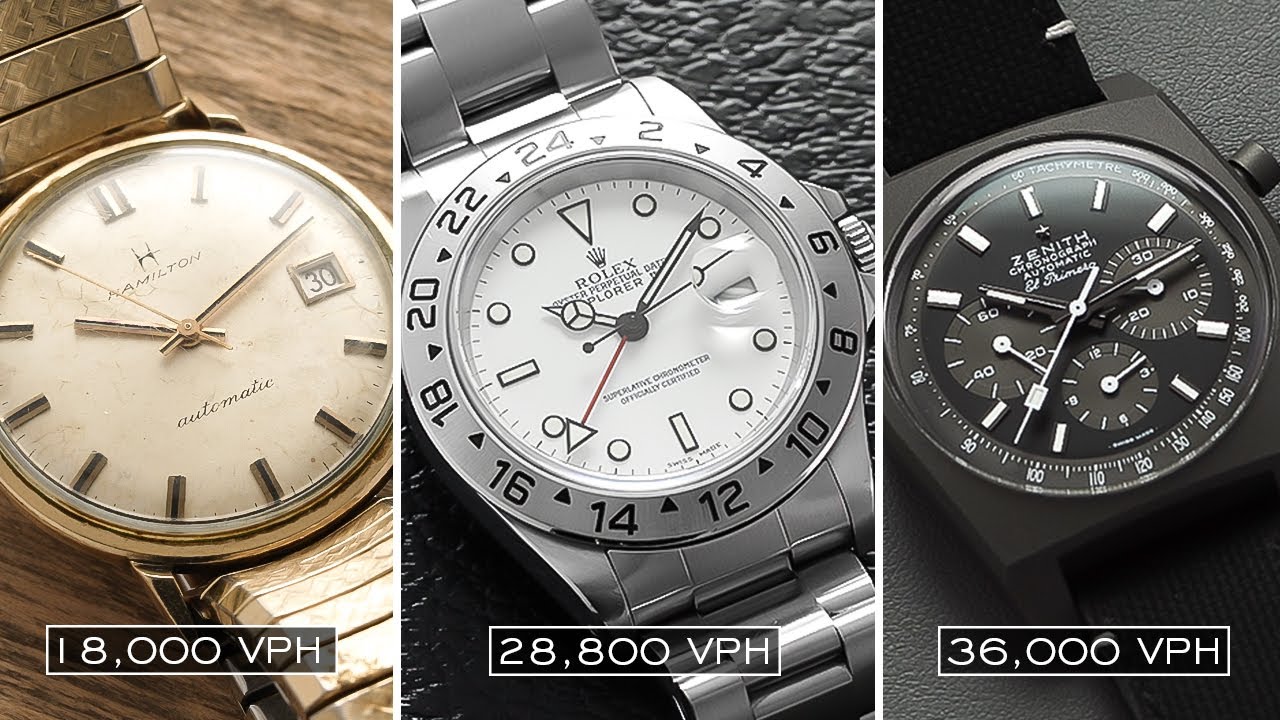
A mechanical watch's frequency (also beat rate) is how fast the balance wheel oscillates, expressed as vph (vibrations per hour) or Hz (cycles per second; 1 Hz = 7,200 vph because each cycle is 2 vibrations). The Swiss industry settled on 21,600 vph (3 Hz) and 28,800 vph (4 Hz) as the modern standards; 36,000 vph (5 Hz) is the high-frequency ceiling pioneered by the Zenith El Primero in 1969 and unmatched at scale outside Zenith. Higher frequency improves time resolution and shock-stability but accelerates component wear; the 4 Hz standard is the durable industry compromise.

Common modern28,800 vph / 4 Hz (industry default)
Lower-tier21,600 vph / 3 Hz (vintage and dress)
Older standard18,000 vph / 2.5 Hz (pre-1970s)
High frequency36,000 vph / 5 Hz (Zenith El Primero, 1969)
Sub-1 Hz8 Hz, 10 Hz: experimental (TAG Mikrograph, AP Code 11.59 RD#3)
Trade-offHigher Hz = finer time resolution + faster wear
WristBuzz Articles34
Frequency / Beat Rate (vph, Hz)

Photo: Teddy Baldassarre · Oct 22, 2025

4 HzIndustry Default
5 HzEl Primero
vphVibrations/hour
HzCycles/second
34WristBuzz Articles

The Frequency / Beat Rate (vph, Hz) Story

The balance wheel oscillates back and forth like a tiny pendulum; each oscillation is counted by the escapement as the watch's base time unit. A "vibration" is one half-oscillation (the wheel swinging in one direction); a "cycle" is one full back-and-forth (two vibrations). The two unit systems map directly: 1 Hz = 7,200 vph, 4 Hz = 28,800 vph, 5 Hz = 36,000 vph. The two terms are interchangeable in modern technical specifications.

The industry standard frequencies evolved through the 20th century. Pre-1970 most Swiss movements ran at 18,000 vph (2.5 Hz); the slower beat reduced wear on the escapement and was acceptable for the precision standards of the era. Through the 1960s-70s the industry shifted to 21,600 vph (3 Hz) as a balance between precision and durability; this was the rate of the original ETA 2824 and the Valjoux 7750. In the 1980s-90s the modern 28,800 vph (4 Hz) standard emerged with revised ETA 2824-2 and the broader Swiss volume tier; this is now the industry default.

"Four Hertz is the speed at which a Swiss watch can keep time, survive a wrist, and last seven years between services. Five Hertz buys you a tenth of a second."- Watchmaker on the industry frequency standard

The 5 Hz / 36,000 vph high-frequency ceiling was pioneered by Zenith with the El Primero in 1969, the world's first automatic chronograph. The 5 Hz beat allows the chronograph to time to 1/10 second (the second hand sweeps 10 ticks per second instead of 8). The El Primero is the only commercial 5 Hz movement at scale; competing high-frequency programmes (Grand Seiko 9SA5 at 5 Hz, Breguet 5827 at 5 Hz) are smaller in volume. Modern Zenith Defy 21 (1/100 second) and Defy Inventor (18 Hz) are experimental further extensions.

The frequency vs durability trade-off is fundamental. Higher frequency means more impacts per second on the escapement components (pallets, escape wheel teeth); lubricants degrade faster, jewels wear faster, and the service interval shortens. 4 Hz is the industry compromise: fine enough resolution (1/8 second) for any consumer-grade chronograph, slow enough wear for typical 5-7 year service intervals. The 5 Hz El Primero requires somewhat more frequent service than a 4 Hz movement; modern improvements in materials (silicon escapements, ceramic ball-bearings) have largely closed this gap.

Lower-frequency dress watches exist at the bottom of the range. The Patek Philippe Cal. 215 PS hand-wound runs at 21,600 vph; many vintage pieces run at 18,000 vph. Slower beat is sometimes a marketing-positive in vintage-inspired pieces (the "tick" is more audible and visually slower); the lower beat also extends component life. Automatic watches with low beats include several vintage-style modern pieces (Bremont, Ressence Type 1) at 28,800 vph but with deliberately old-style aesthetics.

For buyers, the practical guide: most modern Swiss watches run at 28,800 vph / 4 Hz and this is the default. 21,600 vph / 3 Hz on a modern movement signals an older calibre family or a deliberately vintage-inspired build. 5 Hz / 36,000 vph on a chronograph signals an El Primero or a high-spec Grand Seiko. 2.5 Hz is rare in modern production. The frequency is engraved on most modern caseback markings (e.g., "28,800 A/h", "4 Hz", "21,600 vph").

Notable Frequency Choices

Default Β· Modern Swiss
28,800 vph / 4 Hz
ETA 2824-2, <a href="/watch-calibers/sellita-sw200/">Sellita SW200</a>

The industry default. ETA 2824-2, Sellita SW200, Rolex Cal. 3235, Omega Cal. 8800/8900, Tudor MT5602.

Industry Default
1969 Β· Zenith
El Primero (5 Hz)
36,000 vph

The first and only commercial high-frequency calibre at scale. Times to 1/10 second.

High Frequency
2020 Β· Grand Seiko
9SA5 (5 Hz)
36,000 vph

Modern Grand Seiko high-beat with dual-impulse escapement. Smaller production volume than El Primero but technical peer.

Grand Seiko HF
Vintage Β· Patek Philippe
Cal. 215 PS (3 Hz)
21,600 vph

Patek Philippe ultra-thin hand-wound. Lower beat preserves component life and slim profile.

Dress Slow Beat
2017 Β· Zenith
Defy 21 (1/100 second)
50 Hz secondary

Defy 21 chronograph: 5 Hz primary balance + 50 Hz secondary chronograph train for 1/100 second timing.

Experimental

Latest Frequency / Beat Rate (vph, Hz) News

Frequency / Beat Rate (vph, Hz)
Hodinkee
Introducing: The Vacheron Constantin Traditionelle Twin Beat Perpetual Calendar Is Back
Jun 16, 2026
Frequency / Beat Rate (vph, Hz)
Hodinkee
Introducing: The Doxa Sub 200 T-Graph II
Jun 15, 2026
Frequency / Beat Rate (vph, Hz)
WatchAdvice
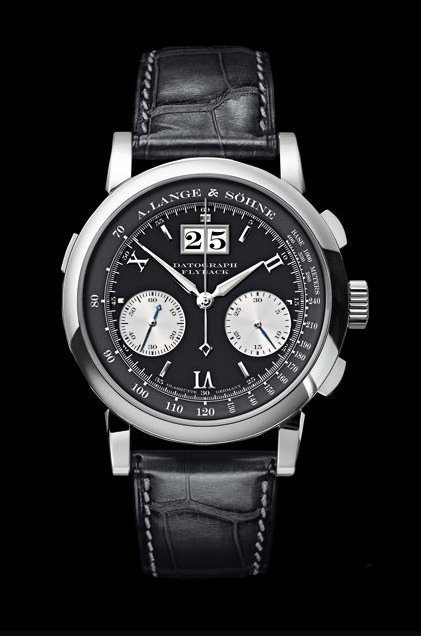
Does The A. Lange & SΓΆhne Datograph Up/Down Deserve Its Icon Status? (Review)
May 29, 2026
Frequency / Beat Rate (vph, Hz)
Hodinkee
Introducing: Naoya Hida & Co.'s 2026 Slate Of Releases, Including Two Brand-New Models And Their First Porcelain Dial
Apr 30, 2026
Frequency / Beat Rate (vph, Hz)
Hodinkee
Introducing: The New Chopard L.U.C. Chopard Strike One In Titanium (Live Pics)
Apr 20, 2026
Frequency / Beat Rate (vph, Hz)
SJX Watches
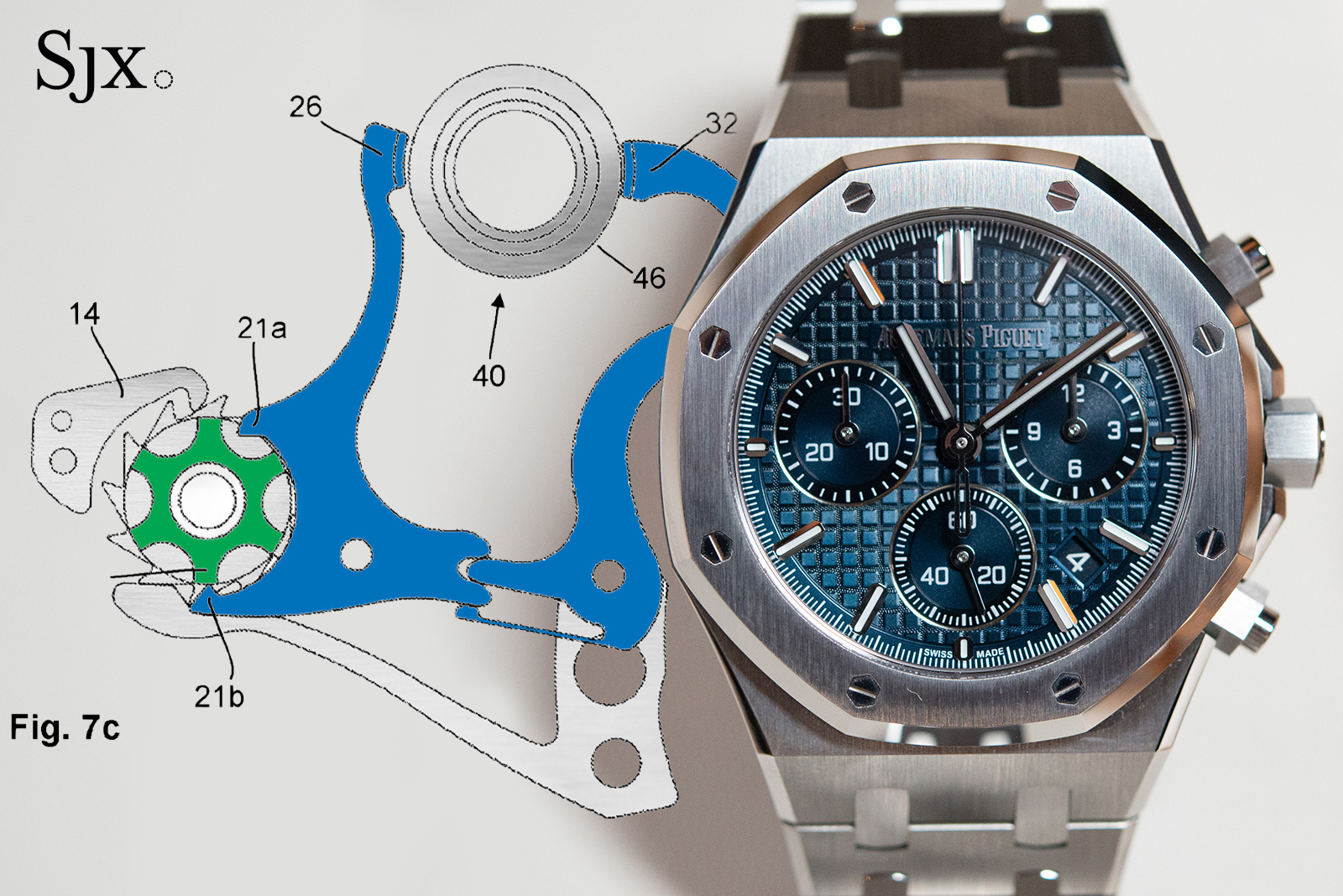
Hands On: Audemars Piguet Royal Oak Chronograph 38 mm
Feb 13, 2026
Frequency / Beat Rate (vph, Hz)
SJX Watches
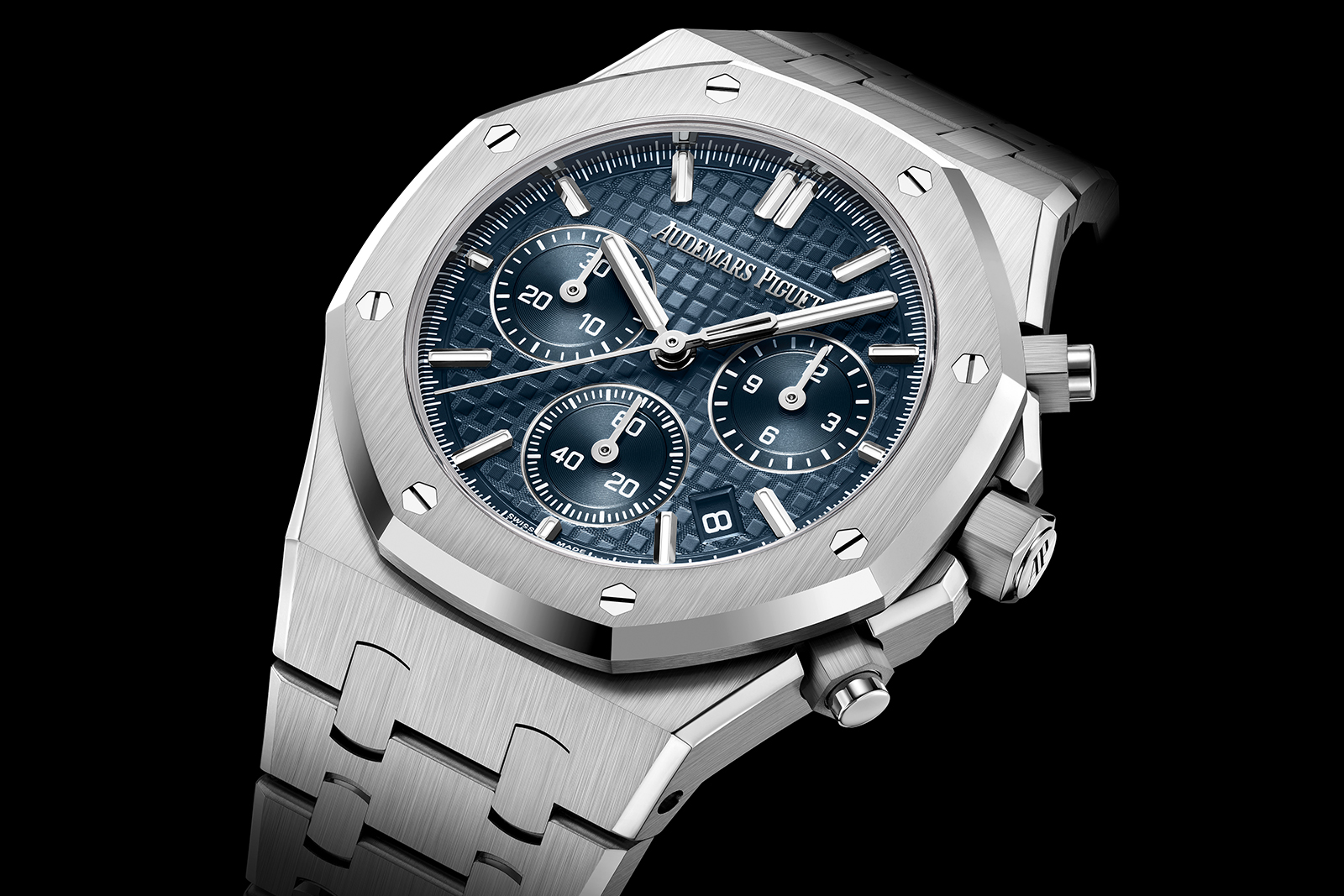
Audemars Piguet Upgrades the Royal Oak Chronograph 38 mm
Feb 4, 2026
Frequency / Beat Rate (vph, Hz)
WatchAdvice
Review: The Zenith Chronomaster Original Triple Calendar In Lapis Lazuli
Oct 31, 2025
Frequency / Beat Rate (vph, Hz)
Teddy Baldassarre
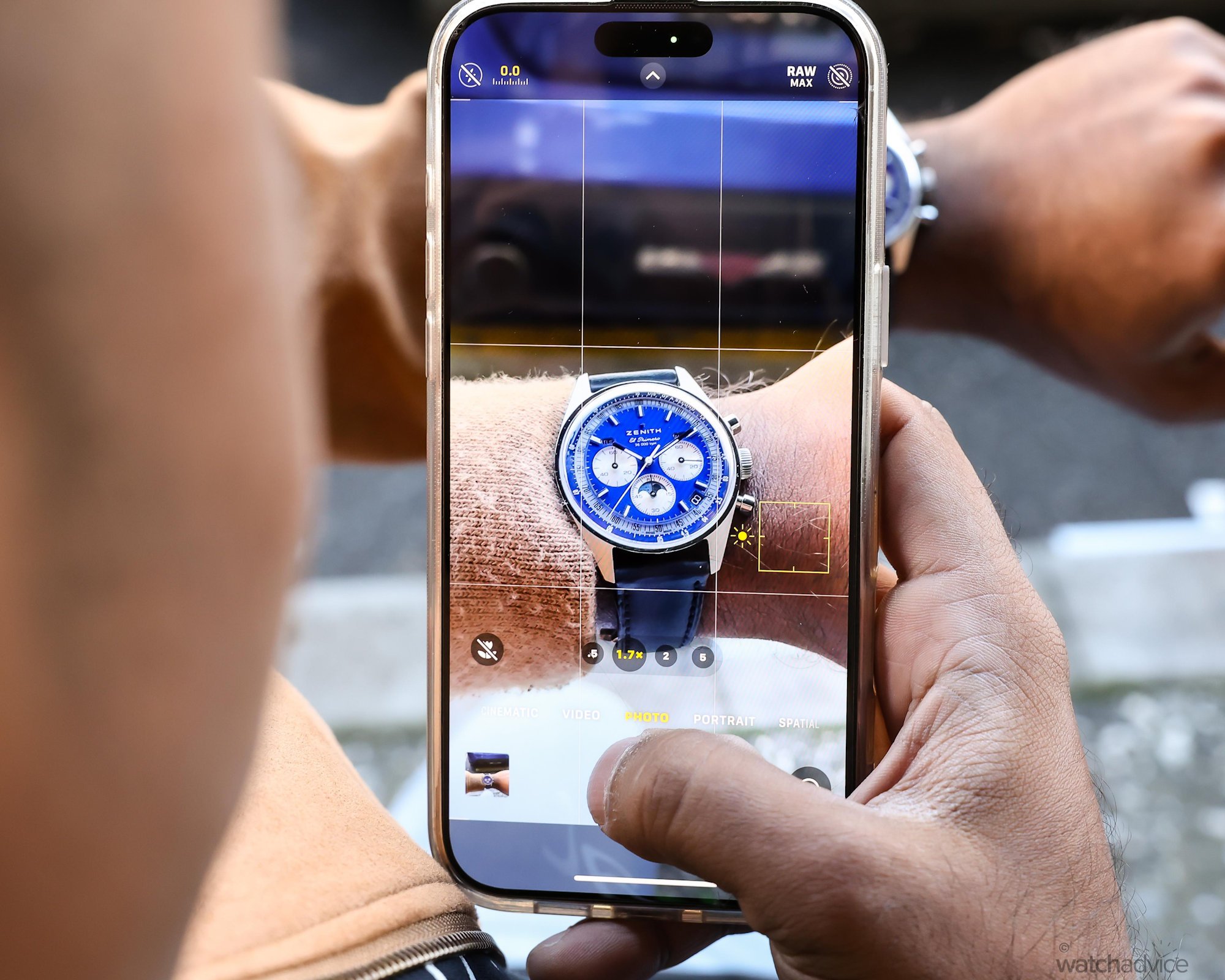
Watch Beat Rate Comparison 18,000, 21,600, 25,200, 28,800, 36,000, & S
Oct 22, 2025
Frequency / Beat Rate (vph, Hz)
Teddy Baldassarre
What is a Rehaut on a Watch Dial?
Sep 18, 2025
Frequency / Beat Rate (vph, Hz)
Teddy Baldassarre
Editors' Picks: Our Favorite Watches & Wonders 2025 Releases
Apr 9, 2025
Frequency / Beat Rate (vph, Hz)
Worn & Wound
Christopher Ward Responds to Customer Feedback and Adds a 38mm Version of The Twelve to the Permanent Collection
Feb 20, 2025
View all 34 articles

Learn More

Comments 2

  1. Otis
    Good primer on frequency basics. Worth noting that vintage Seiko chronographs like the 6139 ran at 18,000 vph and held up fine for decades, so the "faster wear" claim deserves nuance depending on service intervals and oil quality.
  2. L. Pereira
    interesting that El Primero remains the only 5 Hz at commercial scale. tried sourcing one through grey market here in Sao Paulo, but customs duties on Swiss watches make it roughly 40 percent more expensive than buying from authorized dealers in Europe. makes the pricing question pretty complicated.

Leave a comment

All comments are reviewed before they go live. Email is for our records only - it's never published.