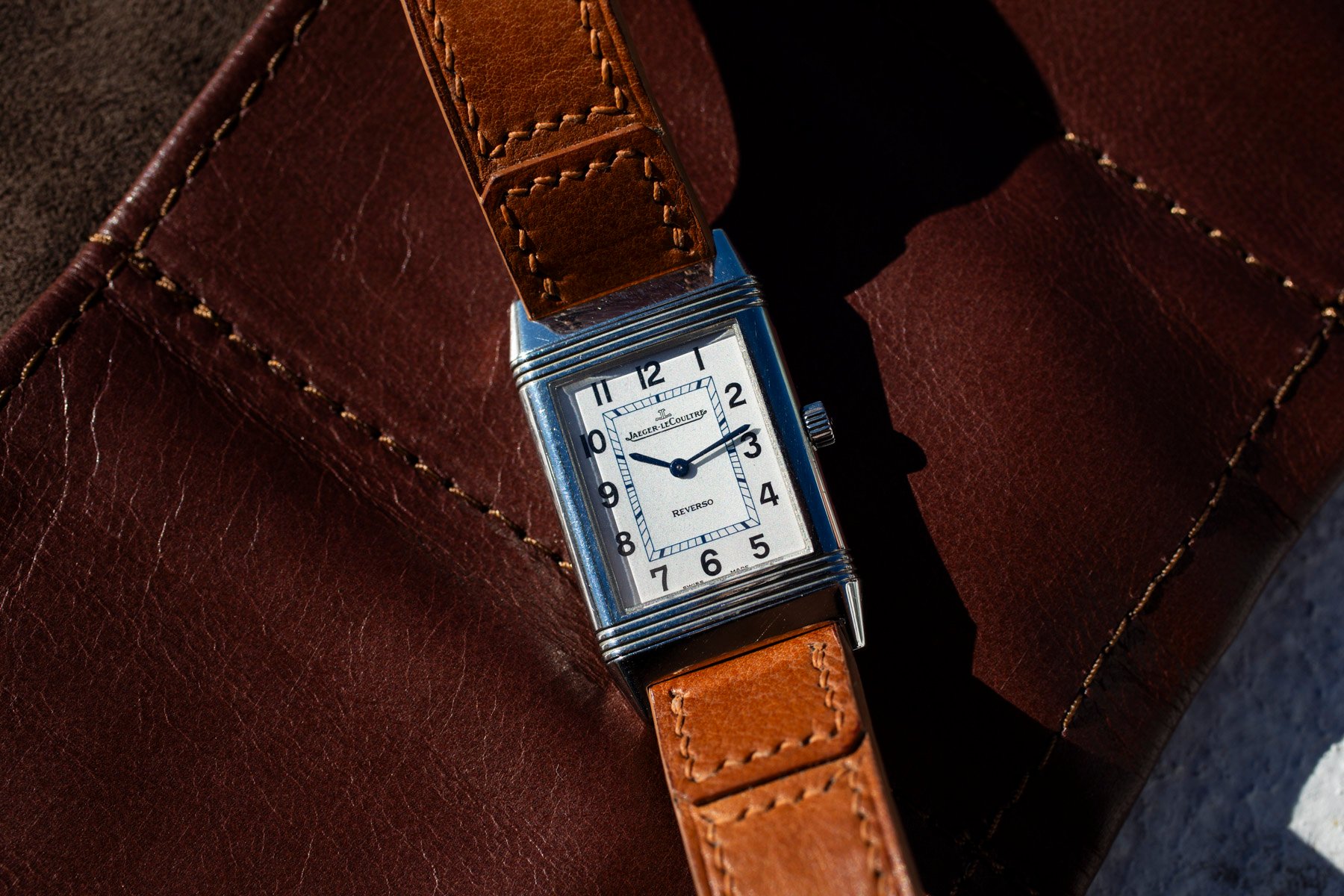
Neo-vintage is the watch-collector vocabulary term for the era of watches produced roughly between 1985 and 2005, the bridge between "true vintage" (typically pre-1980 watches with hand-finished movements, tritium lume, period-correct sizes around 36-40 mm) and "modern" (post-2005 watches with ceramic bezels, Super-LumiNova, Master Chronometer-class certifications). Neo-vintage watches are now 15-35 years old, old enough to have collector character and the patina that comes with age, but young enough to use modern design conventions and to be readily serviced with available parts. The term entered active collector use around 2015 as the gap between vintage and modern began to be recognised as a distinct collecting category.
The boundaries of neo-vintage are flexible and debated. The most common definitions:
"Neo-vintage is the era when the watches stopped being yours-grandfather's and started being yours. Smaller than modern, more reliable than vintage, more affordable than either. The bridge era is now its own destination."- Watch-collector commentary on the neo-vintage market
, Lower bound (start): roughly 1985, when the post-quartz-crisis Swiss watchmaking revival began producing recognisably modern designs (Lange refounding 1990, Patek 3940 launch 1985, Royal Oak Offshore launch 1993).
, Upper bound (end): variously 2000-2005. Some collectors use the tritium-to-Super-LumiNova transition at Rolex (1998-1999) as the dividing line; others use the introduction of Cerachrom ceramic bezels at Rolex (2005-2007) as the modern-era boundary. The strictest definition: pre-Cerachrom Rolex sport watches are neo-vintage; ceramic-bezel Rolex sport watches are modern.
Specific neo-vintage references that have become collector targets:
, Rolex Submariner ref. 14060 (1989-2010): no-date Submariner, Cal. 3000 then 3130. Last-of-tritium examples (pre-1999) command 30-40% premiums.
, Submariner Date ref. 16610 (1988-2010): the Cal. 3135 Submariner of the neo-vintage era; aluminium bezel; pre-Cerachrom.
, Daytona ref. 16520 "Zenith Daytona" (1988-2000): Zenith El Primero-derived Cal. 4030; the legendary "Newman Daytona" successor. Neo-vintage holy-grail.
, Royal Oak ref. 14790 (1992-2003): mid-size 36 mm Royal Oak with Cal. 2125; the bridge between Genta originals and modern Jumbo references.
, Patek Calatrava ref. 3940 (1985-2007): perpetual calendar Calatrava with Cal. 240 Q; the reference modern Patek perpetual.
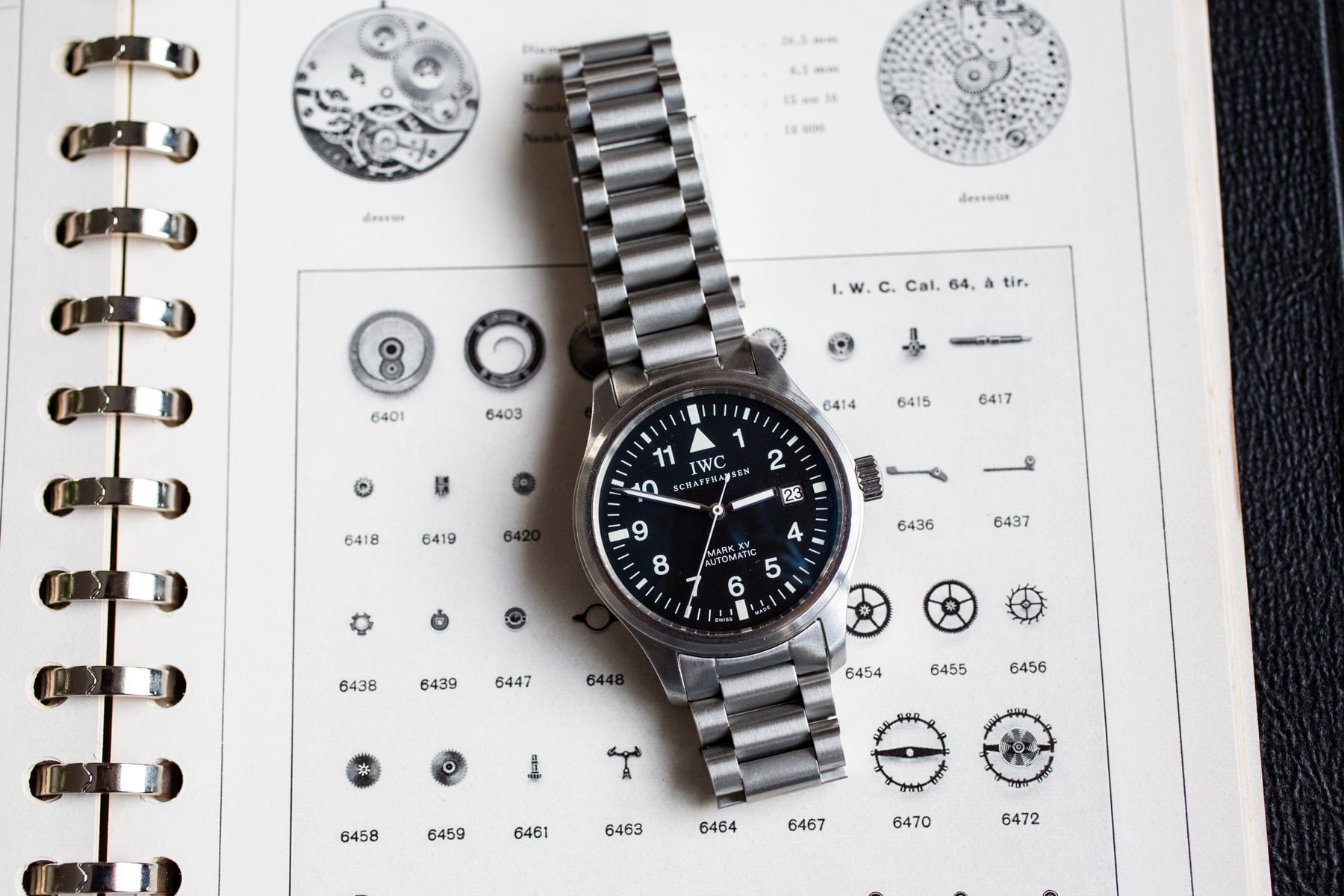
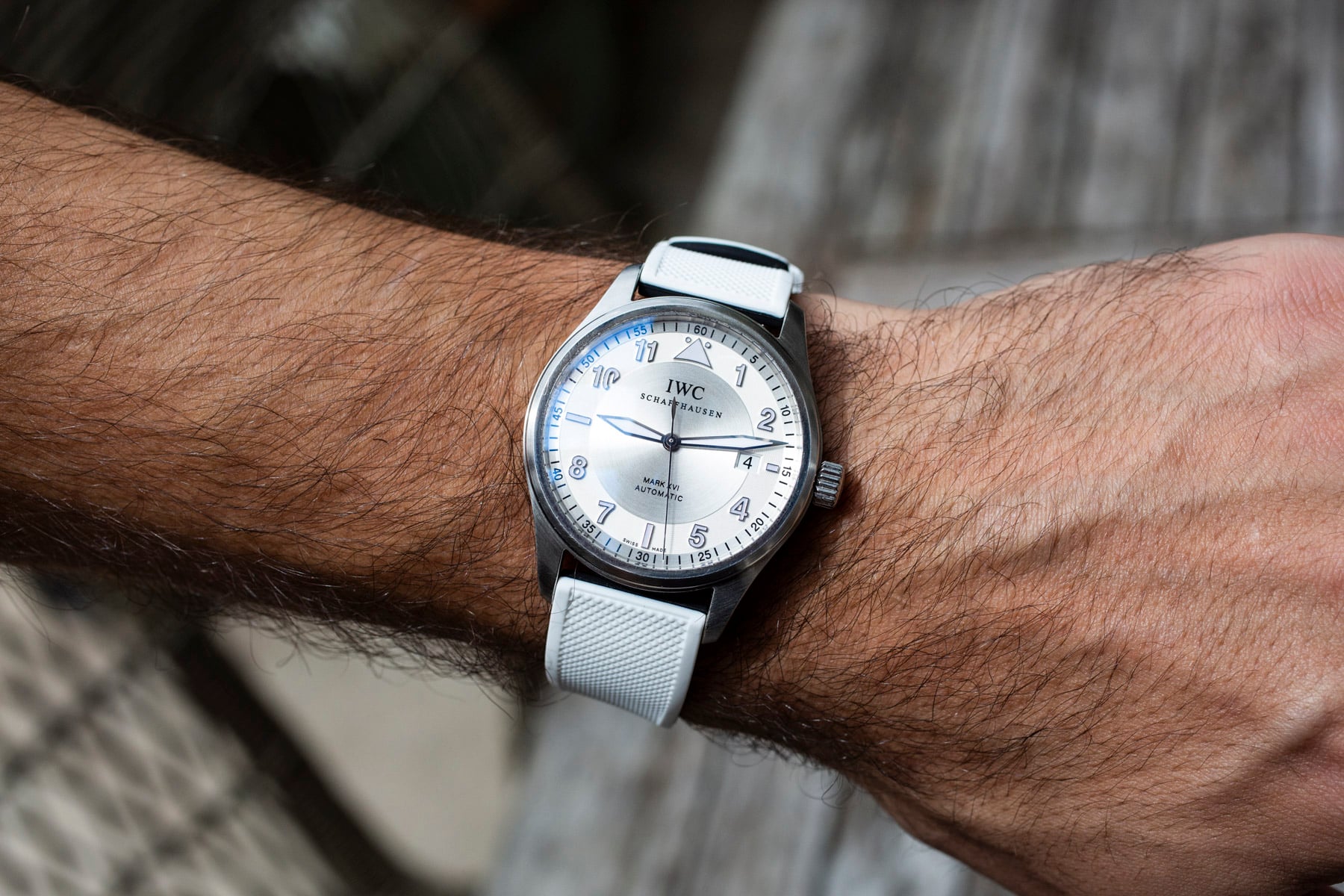
, IWC Mark XII / XV (1993-2006): post-Mark XI navigator references; collector targets at lower price points.
, Omega Speedmaster Reduced + early co-axial Speedmasters (1990s-2000s).
Neo-vintage watches have specific commercial advantages that drive collector interest. They are significantly cheaper than true vintage equivalents (a neo-vintage Submariner 14060 at $7-12k vs a vintage 5513 at $25-50k), they use readily available service parts at Rolex and other authorised service centres, they have tritium or early Super-LumiNova with pleasing low-grade aging rather than dramatic patina, and they fit modern wrists better than 36-38 mm true-vintage references. The neo-vintage segment also escapes the most aggressive price escalation of true vintage; entry-tier neo-vintage references have appreciated steadily but not explosively.
For collectors, neo-vintage is the sweet spot of vintage character at lower risk. The frankenwatch and provenance issues that plague true vintage are significantly reduced in neo-vintage (factory documentation more readily available, original parts still in service inventory, original buyers often still alive and able to confirm history). The neo-vintage market is also less aggressively gated by auction houses and can be bought from established dealers and Chrono24 with reasonable confidence. The category is the natural entry point for collectors moving past mainstream modern references but not yet committed to true-vintage budget and authentication expertise.


Comments 2