Every watch product page opens with the same number: diameter. 40mm Submariner, 42mm Speedmaster, 41mm Datejust. It sounds precise. It sounds decisive. It is neither.
The number that actually decides whether the watch stays on your wrist for the next ten years is lug-to-lug. That is the vertical distance from the tip of the top lug to the tip of the bottom lug, measured through the case. If lug-to-lug is longer than the flat top of your wrist, the lugs push down against the sides and the watch sits at an angle. No amount of strap adjustment fixes it. That is why we built Watch Dimensions: because the number that matters is the number the brands quietly leave off the marketing.
The four measurements that actually matter
- Diameter. The dial-side measure. Useful for aesthetic scale (a 36mm dress watch reads different from a 42mm sports watch), useless as a fit predictor.
- Lug-to-lug. The single most important fit number. Rule of thumb: measure the flat top of your wrist between the two bones. If a watch is longer than that, the lugs overhang and the watch wobbles.
- Thickness. How high the case sits above your wrist. Above 13mm, the watch stops sliding under a shirt cuff. Above 15mm, you start noticing it every time you rest your arm on a table.
- Lug width and bracelet taper. Lug width is the strap or endlink size. Taper is how much the bracelet narrows toward the clasp. Heavier taper (say 20mm to 16mm) rides cleaner and looks dressier; parallel bracelets look and wear more industrial.
Why lug-to-lug is the buried number
Brand marketing wants to talk about the dial. Dial diameter is what makes a watch look and feel a certain way visually. Lug-to-lug happens outside the dial, in a part of the case people rarely photograph. The result is that a "42mm" watch from one brand can wear a full size larger than a "42mm" watch from another brand, and buyers only find out at home.
A few pairs where this really bites:
- Rolex Explorer I 36mm vs Explorer II 42mm. A six-millimetre diameter gap, but the lug-to-lug gap is closer to ten. The Explorer II wears larger than the number suggests; the Explorer I wears smaller. Both are on the Rolex dimensions page.
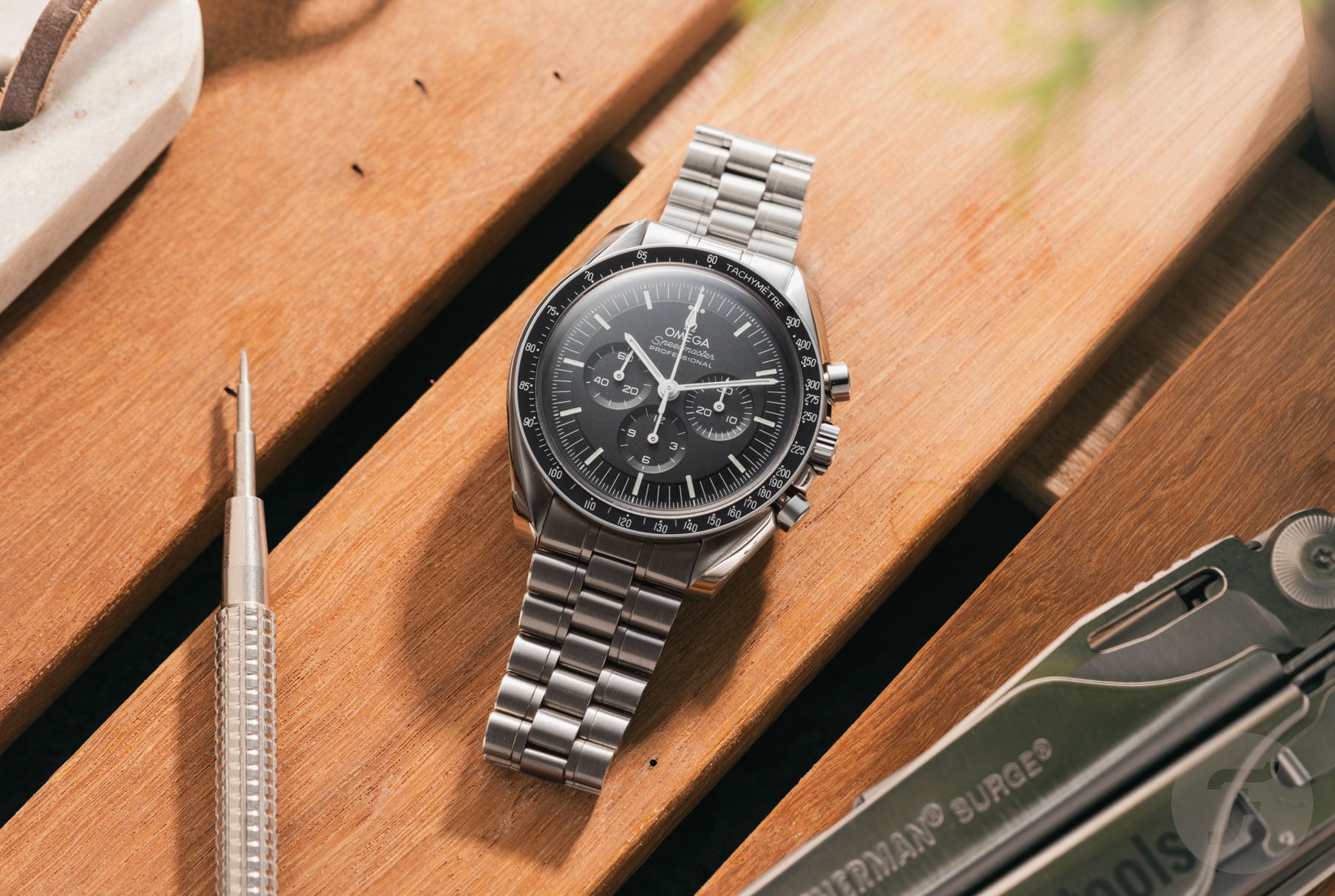
- Omega Speedmaster Professional 42mm vs Grand Seiko Snowflake 41mm. Same diameter, opposite outcomes. The Speedy has twisted lyre lugs that curve down against the wrist and roughly 47mm lug-to-lug, so it wears smaller than the number suggests. The Snowflake has straight, flatter lugs and closer to 49mm lug-to-lug, so it wears larger. Compare on Omega dimensions and Grand Seiko dimensions.
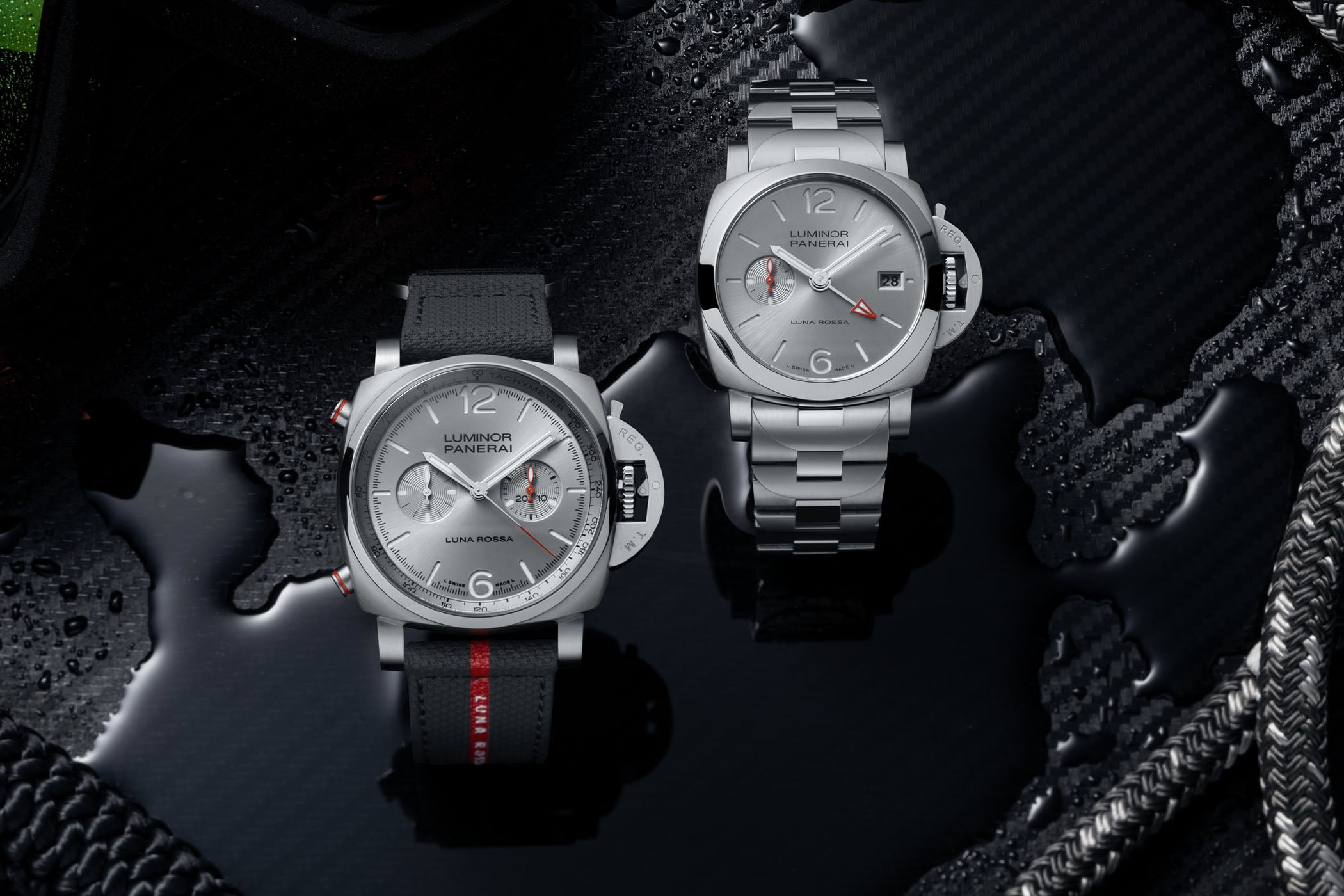
- Panerai Luminor 44mm. The case is 44mm but the crown guard and long lugs push lug-to-lug into the 52mm-plus range. A "44mm" Panerai wears like a 48mm watch from any other brand.
- Cartier Tank Louis Cartier. Rectangular case, small vertical dimension, tiny lug-to-lug when you actually measure it. A 33mm Tank fits a 7-inch wrist beautifully; a 33mm round watch would look like a coin.
Take a strip of paper the width of the flat part of your wrist. Draw a rectangle on it: your wrist width, and any candidate lug-to-lug. If the rectangle spills over the edge of your wrist, the watch will overhang. This works better than trying watches on in a boutique, because you cannot feel a five-minute overhang the way you feel it after two hours in a meeting.
Integrated-bracelet outliers
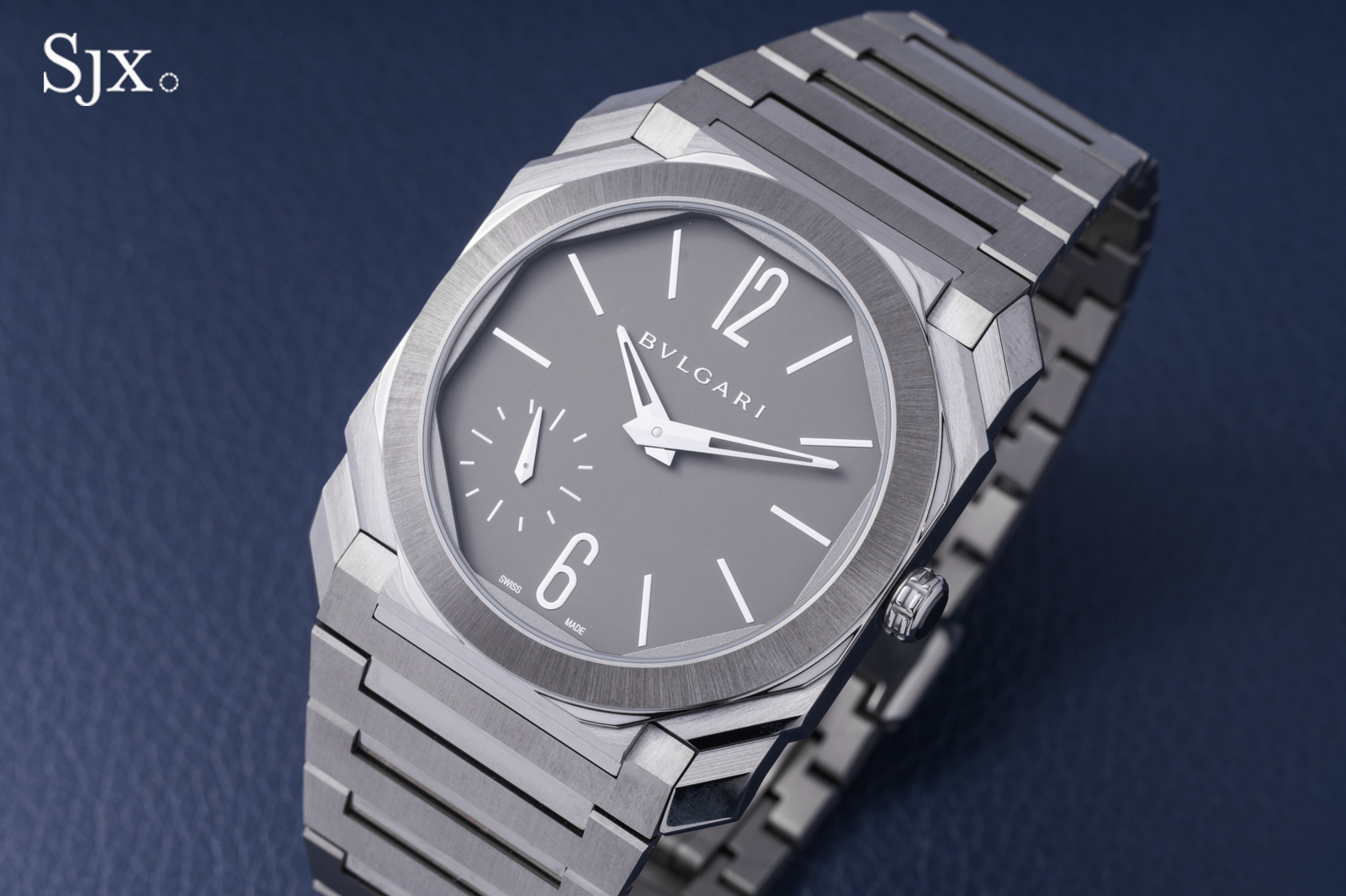
Some watches break the rule because they do not have traditional lugs. The Patek Philippe Nautilus, the Audemars Piguet Royal Oak, the Vacheron Overseas, the Bulgari Octo Finissimo: on all of these, the bracelet flows straight out of the case with no visible lug, so lug-to-lug in the classical sense barely exists. The Nautilus is 40mm on paper and wears smaller than most 40mm sports watches because the "lug-to-lug" is basically the case itself, roughly 43mm. Same story for the Octo Finissimo, which is 40mm across but 43mm lug-to-lug and only 5.15mm thick, so it disappears under any shirt cuff.
You can compare the integrated-bracelet crowd side by side across Patek Philippe, Audemars Piguet, Vacheron Constantin and Bulgari.
Thickness: the second-order dimension
Thickness matters most for how the watch lives on the wrist day-to-day. Under a shirt cuff, under 12mm is comfortable, 12-13mm is fine, above 13mm starts catching. Numbers to know:
- Bulgari Octo Finissimo Automatic: 5.15mm. The thinnest automatic sports watch you can buy at scale.
- Piaget Altiplano Ultimate Concept: 2mm. A concept watch that shipped. Barely a watch, mostly a mechanical joke on the industry.
- Rolex Submariner 126610: 12.5mm. Well-judged for a modern sports diver.
- Omega Speedmaster Professional: 13.2mm. Just above the "shirt-cuff friendly" line but the community forgives it because it went to the moon.
- Panerai Luminor Marina: 15.6mm on the 44mm. Not a shirt-cuff watch.
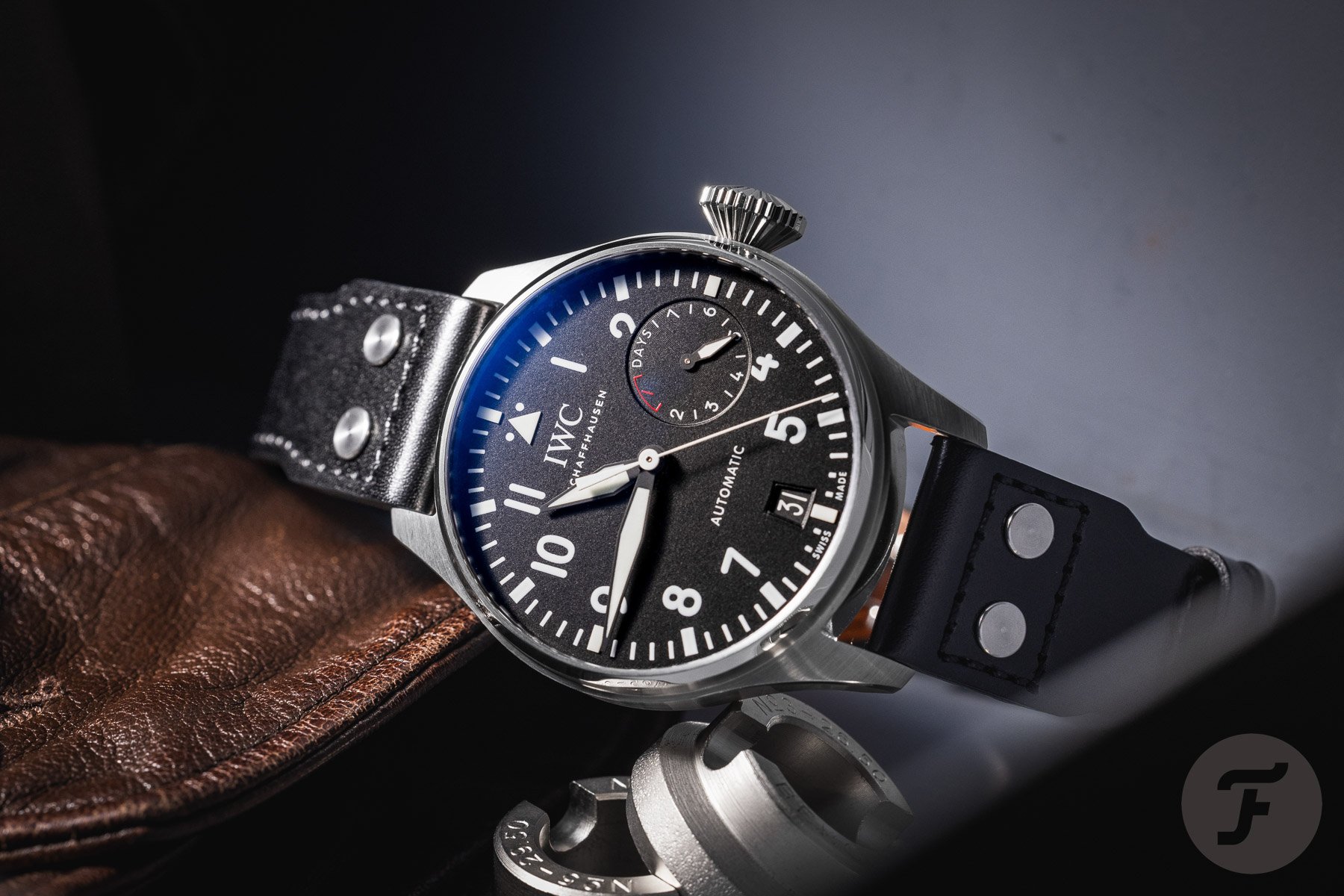
- IWC Big Pilot Automatic 46: 15.4mm and 46.2mm across. A statement piece, not a daily driver.
What you get on the dimensions hub
The Watch Dimensions hub currently covers 23 brands: Rolex, Omega, Tudor, Patek Philippe, Audemars Piguet, Cartier, Jaeger-LeCoultre, IWC, Grand Seiko, Vacheron Constantin, A. Lange & Söhne, Breitling, Tissot, Hamilton, Longines, TAG Heuer, Zenith, Panerai, Hublot, Blancpain, Bell & Ross, Bulgari and Oris. Every current production model with diameter, thickness, lug-to-lug, lug width and bracelet taper. Sortable, filterable, mobile-friendly.
Next time you are eyeing a reference online, check the lug-to-lug first, wrist-tape it, then check the diameter. That is the order that keeps a watch on your wrist instead of in the drawer.
Comments
No comments yet, be the first to weigh in.