Jul 20, 2026
Hands-On: The Vacheron Constantin 'Twin Beat' Perpetual Calendar Returns
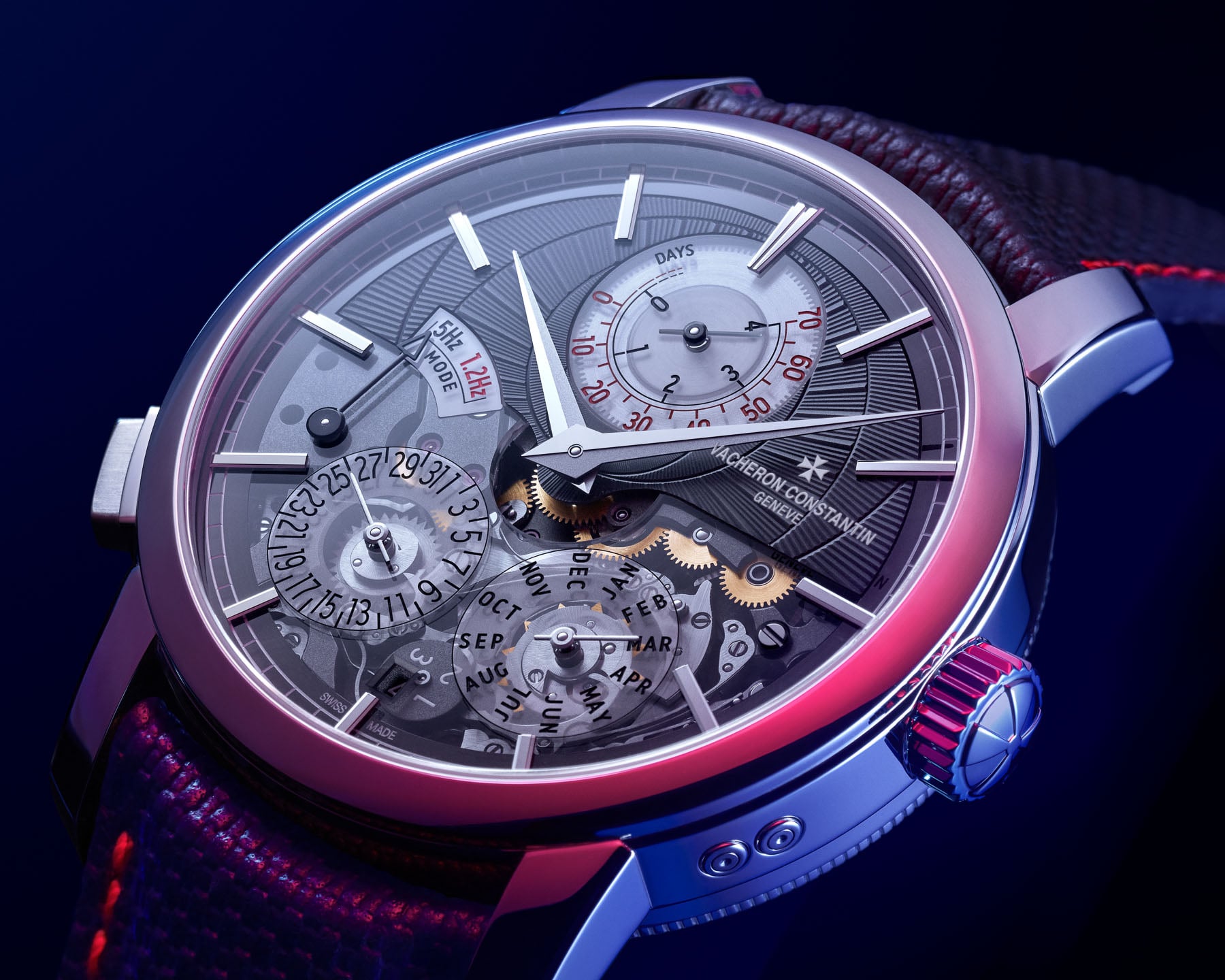
When Vacheron Constantin announced the original Twin-Beat at SIHH in 2019, I wasn't in the watch space in the same way I am now. I was also focused on a much different price point—the one I shop in, not the one that I've since become fascinated by. So I missed it. A lot of people did, it seems. I don't think this watch, as interesting as it is/was as a first release, was made in particularly large numbers, and for over a year, I heard rumblings about the eventual return of the Twin-Beat. Well, it's here. It's improved. And yes, in the metal, it's both entertaining and impressive. But what is it? Essentially, the watch leverages two balances that beat at different rates to provide either 4 days of power reserve running at 5Hz or 70 days in standby mode at 1.2Hz. Oh, and it's a perpetual calendar as well. We covered the technical aspects back in 2019, so this will focus more on the watch as a revived model. The technical is the key here, but the form factor is impressive as well. A perpetual calendar, with dual balances, measuring 42mm and 12.3mm thick, it's hefty because of the platinum case, but it wears quite well despite the technicality. Vacheron has a tendency to make some impressively complicated watches and, unfortunately, make them quite large in the process. This would never have been a problem in the old days (especially for brands like Patek, which dominated this high-end, integrated complication space), but then again, the specifications of the old days don't ...
 Fratello







![Photo Report: Watch Spotting At The Hodinkee Happy Hour [June 2026]](https://hodinkee.imgix.net/uploads/images/9e222051-a4eb-4d27-becb-e85173716765/1C2A3854_edit.jpg?ixlib=rails-1.1.0&fm=jpg&q=55&auto=format&usm=12&w=2000)

Comments 1